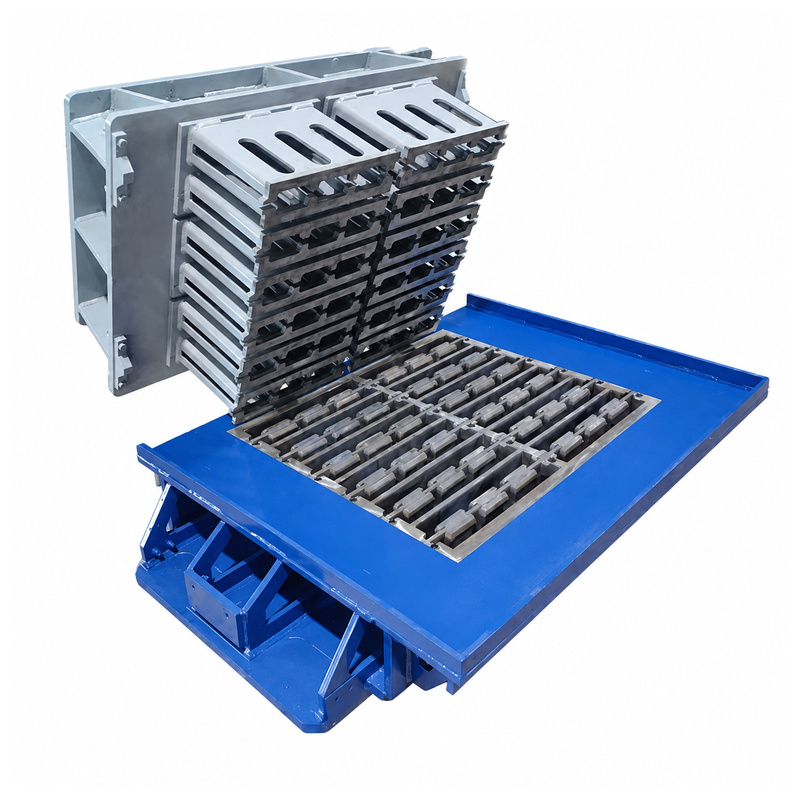
Concrete Block Molds
Hollow Block Mold
Solid Block Mold
Solid Brick Mold
Interlocking Block Mold
Thermal Block Mold
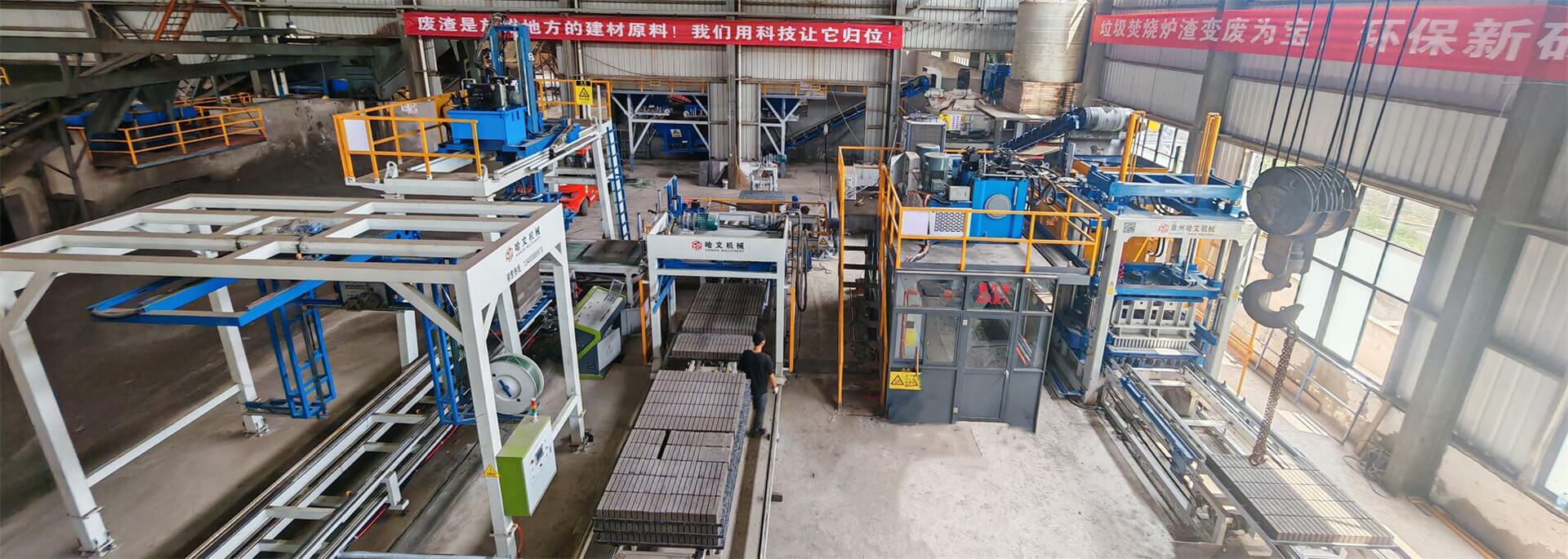
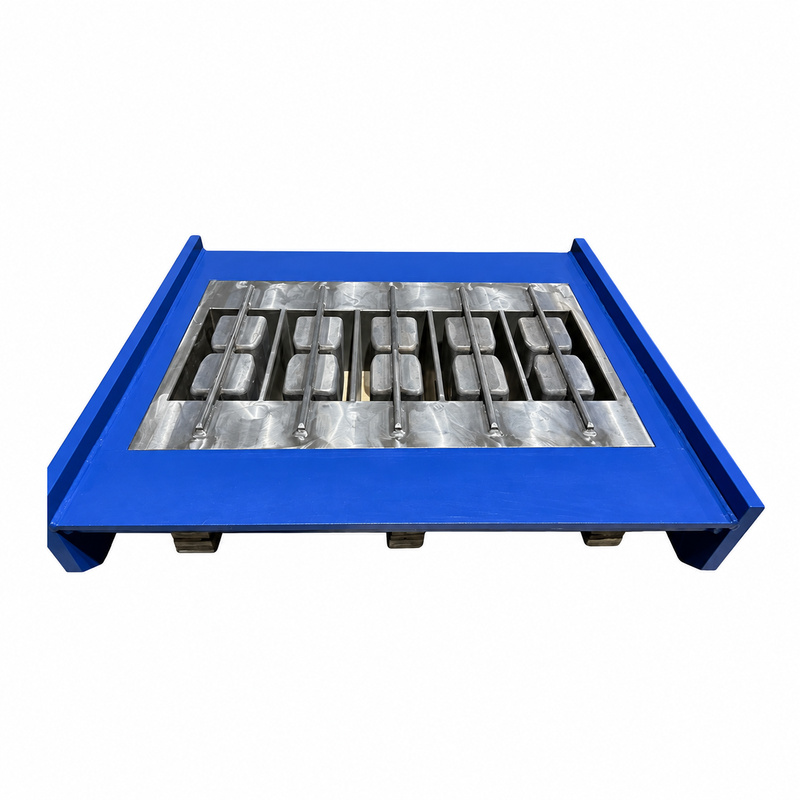
Read net and gross area labels before comparing hollow-block strength figures, and distinguish a denominator change from evidence of product performance....
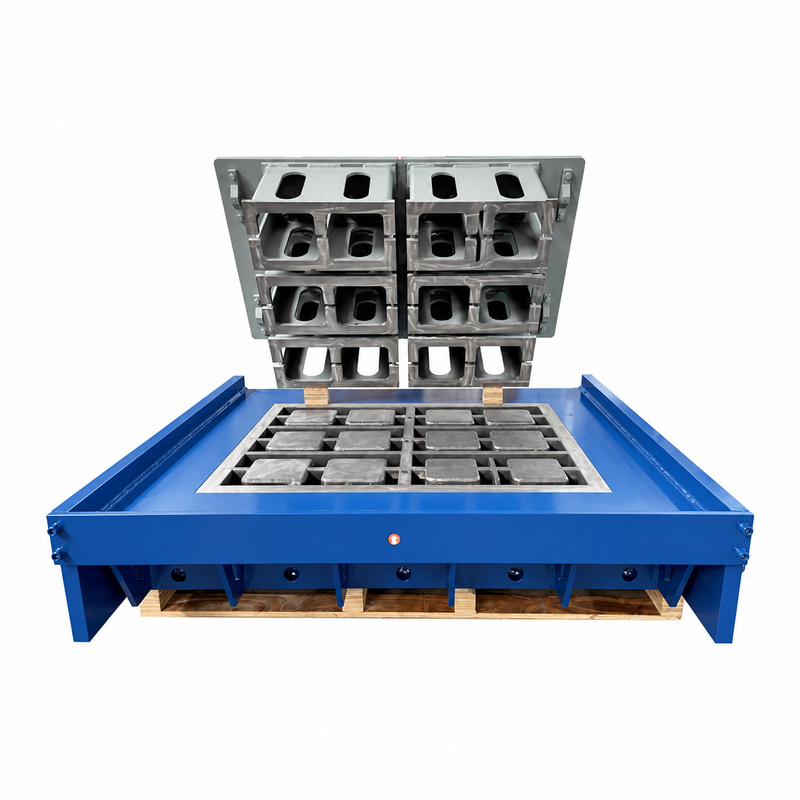
Compare ideal hollow-block volumes from fully defined sections, see why hole count can mislead and recognise when a constant-section shortcut fails....
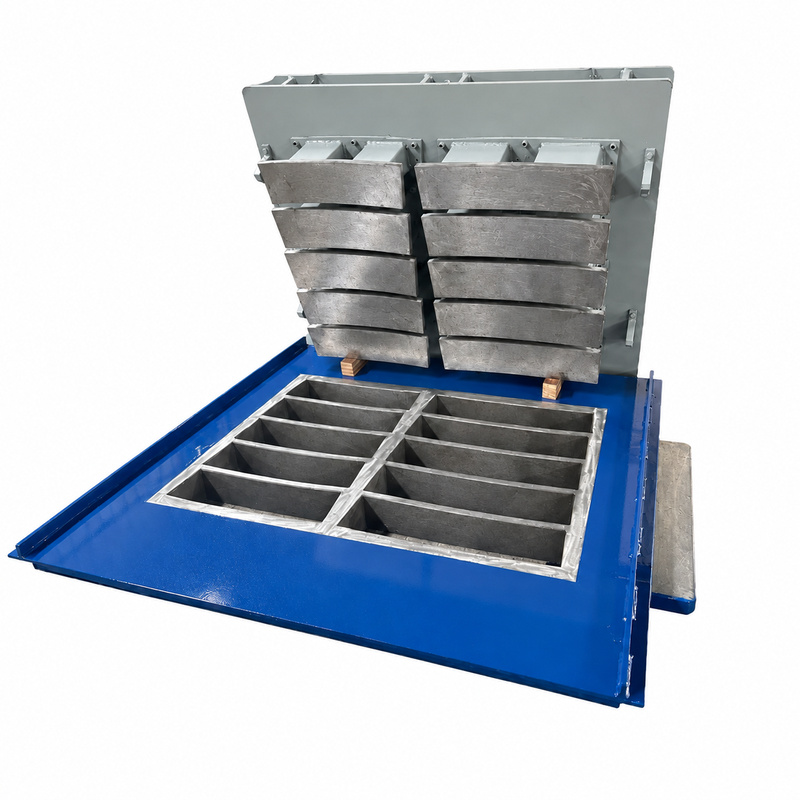
Match factory simulation, receiving-line trials and product tests to the questions they can answer, using two documented HAWEN project examples....
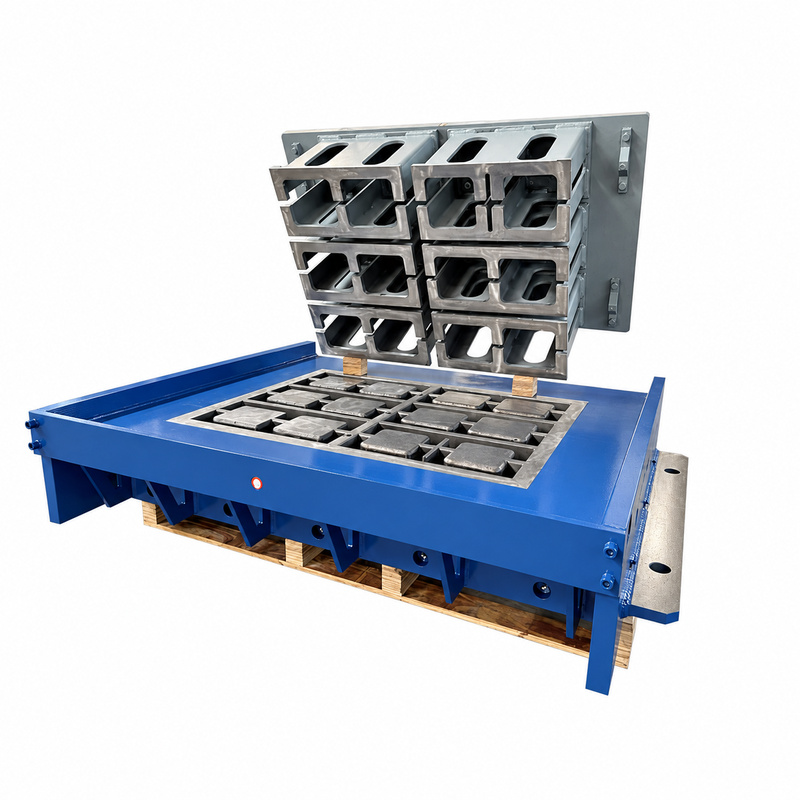
Use a simple section-width example to find conflicting nominal dimensions, separate dependent values and clarify the design before tolerance review....
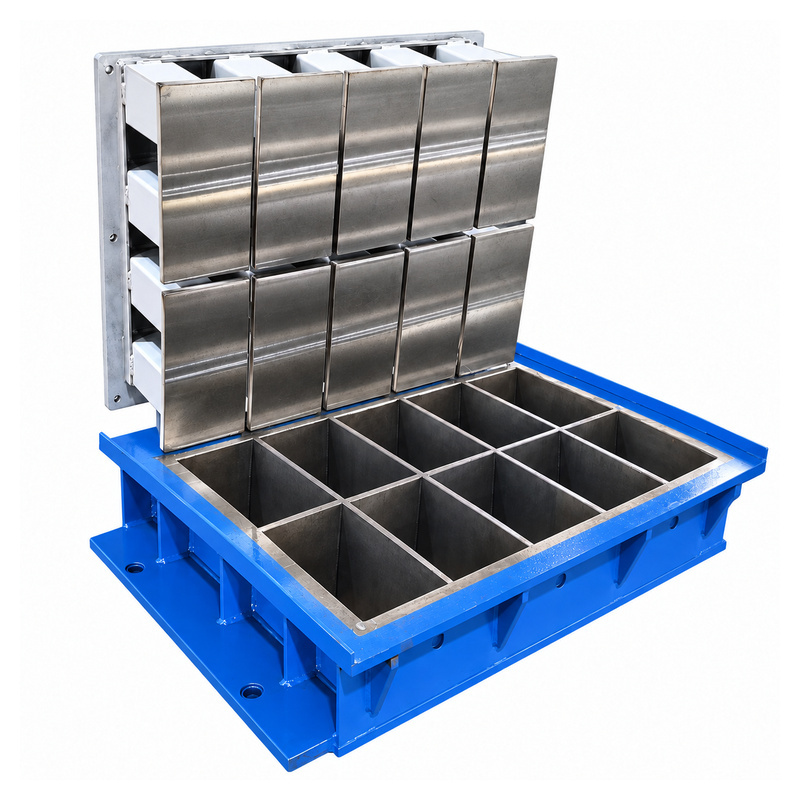
Compare a mold's planned absence with product demand and standby readiness to identify the exact interval a proposed spare set does or does not cover....
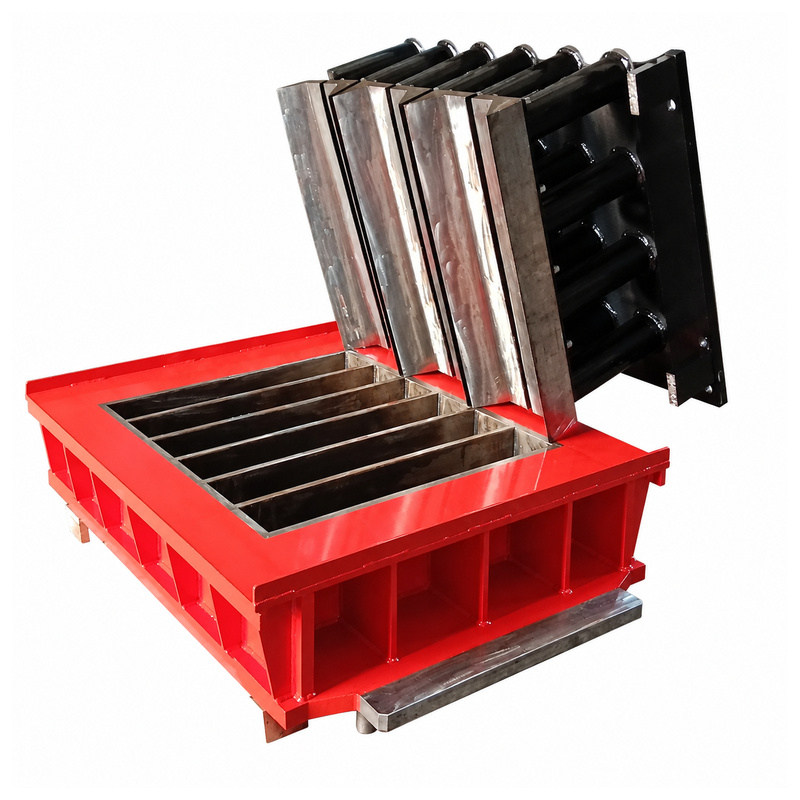
Prepare identifiable kerbstone sample views for a remote discussion of face and edge appearance without treating photographs as dimensional or final acceptance....
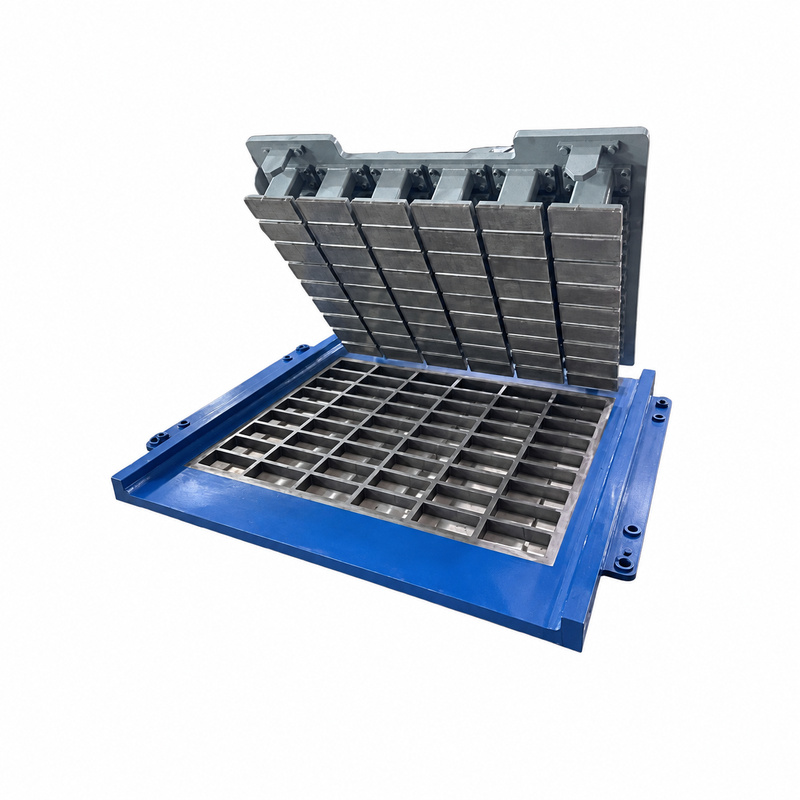
Label the size reference behind a rectangular paver drawing so nominal names, measured units and a jointed laying module are not treated as one dimension....
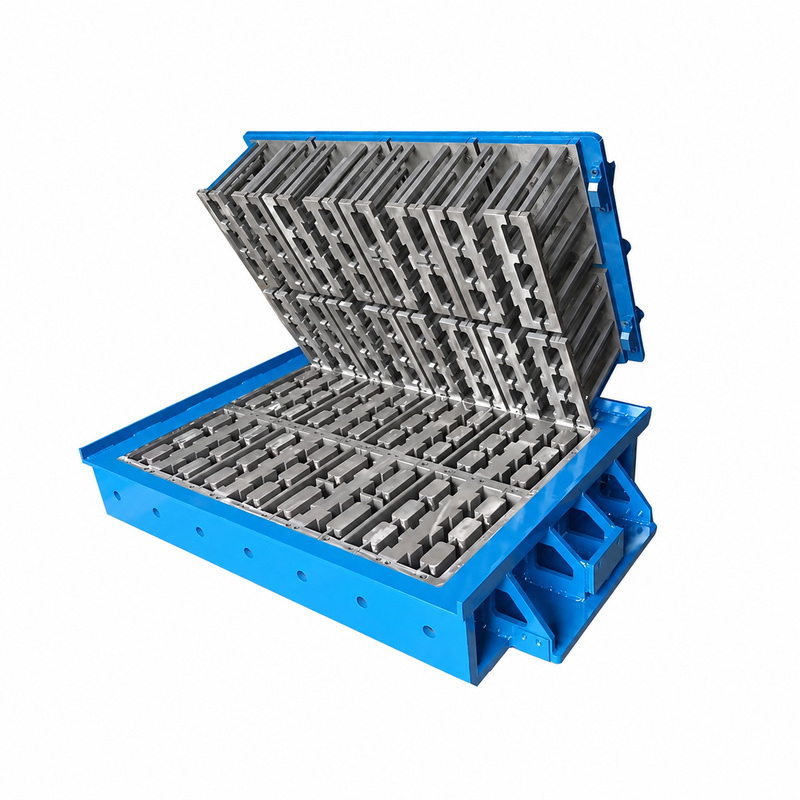
Define the concrete section, insulation component and placement questions separately when preparing a thermal block mold enquiry for technical review....
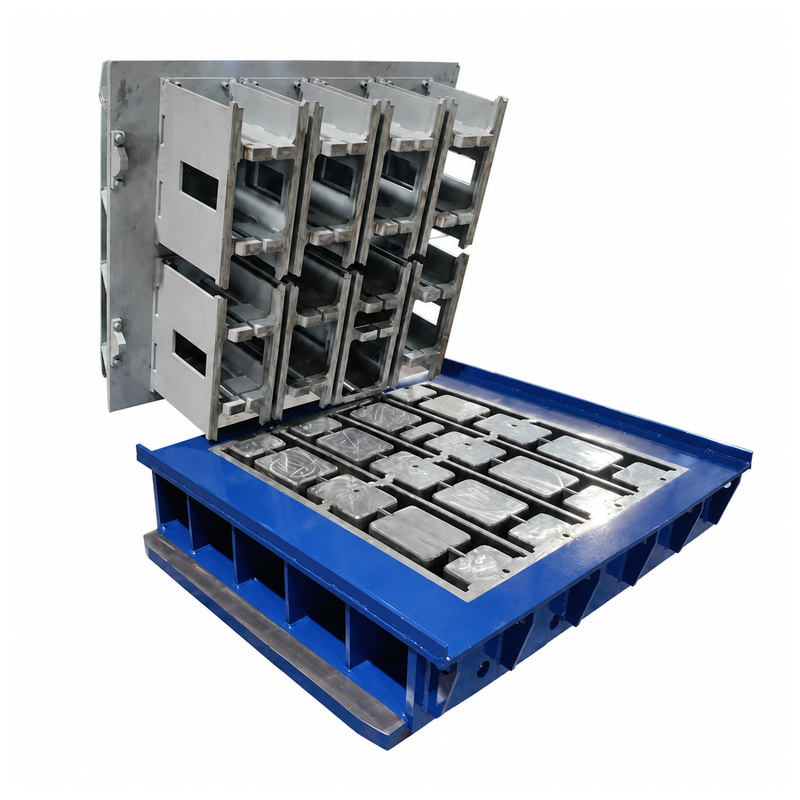
Compare the mating features of two interlocking masonry samples while keeping their origin, measured geometry and intended companion units identifiable....
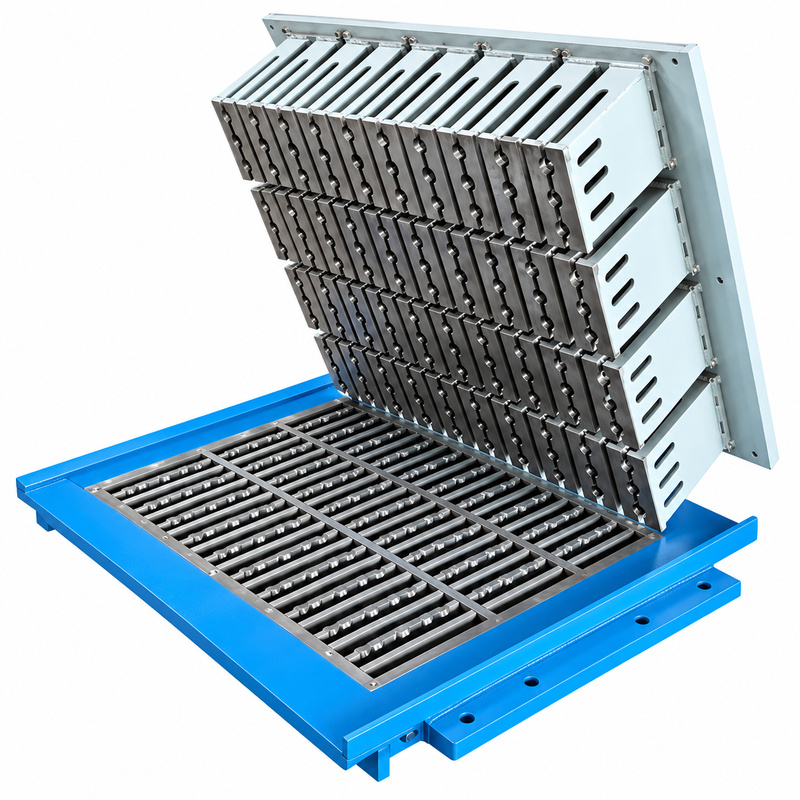
Distinguish mold sets, cavities, trial samples and production targets in a solid brick tooling enquiry so a quantity cannot be mistaken for another requirement....
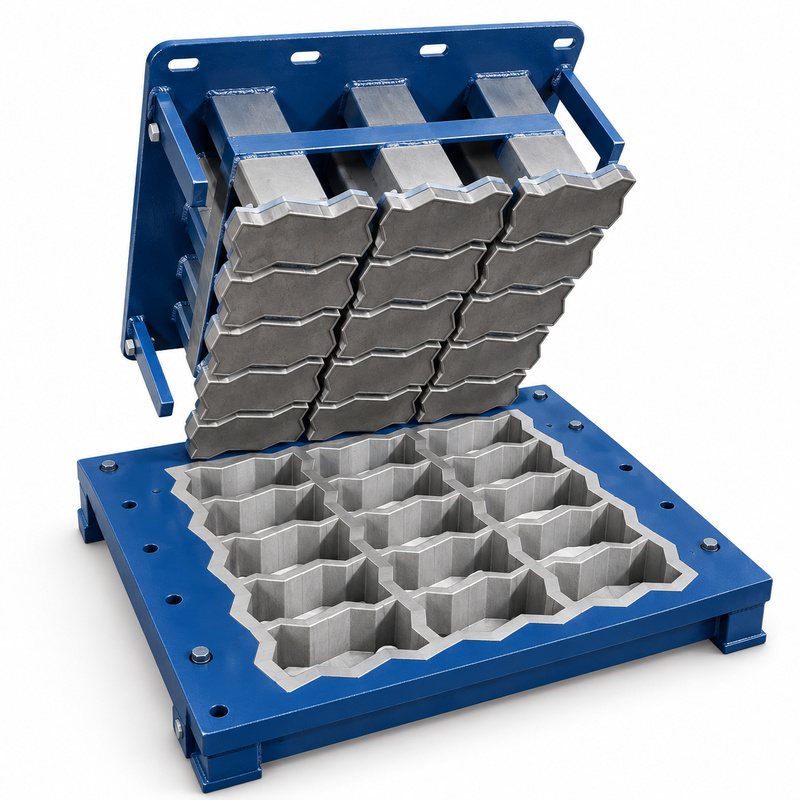
Check what a zigzag paving sample demonstrates at its interior, last row and border before agreeing which companion units belong in the tooling enquiry....
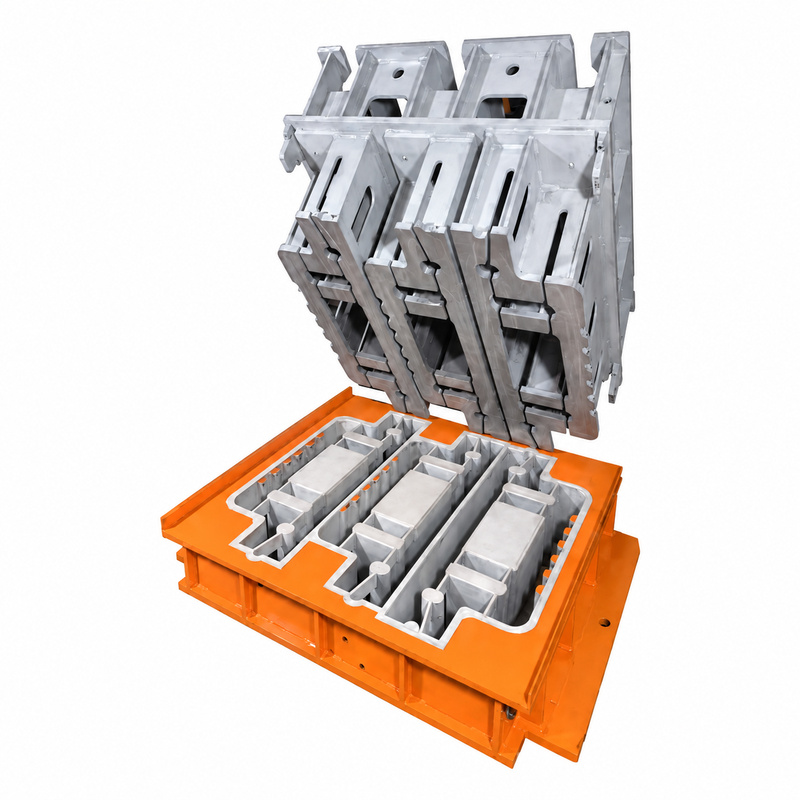
Connect a special block rendering to sections, mating surfaces and unresolved forming questions before treating its appearance as a complete tooling brief....
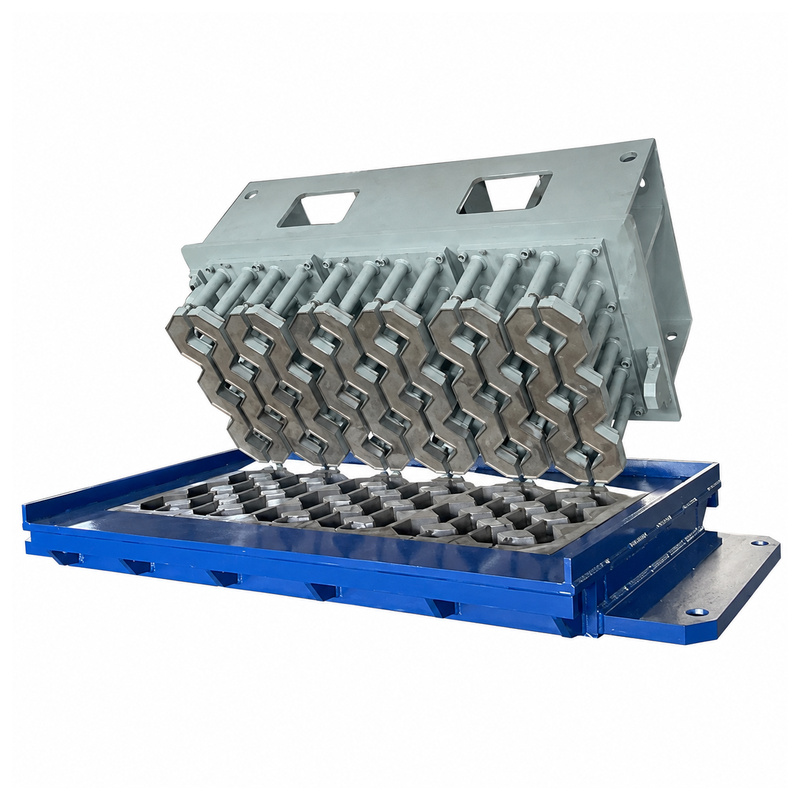
Make decorative paver quotations comparable by identifying the agreed relief, edge details, face variants and appearance samples behind each proposed scope....
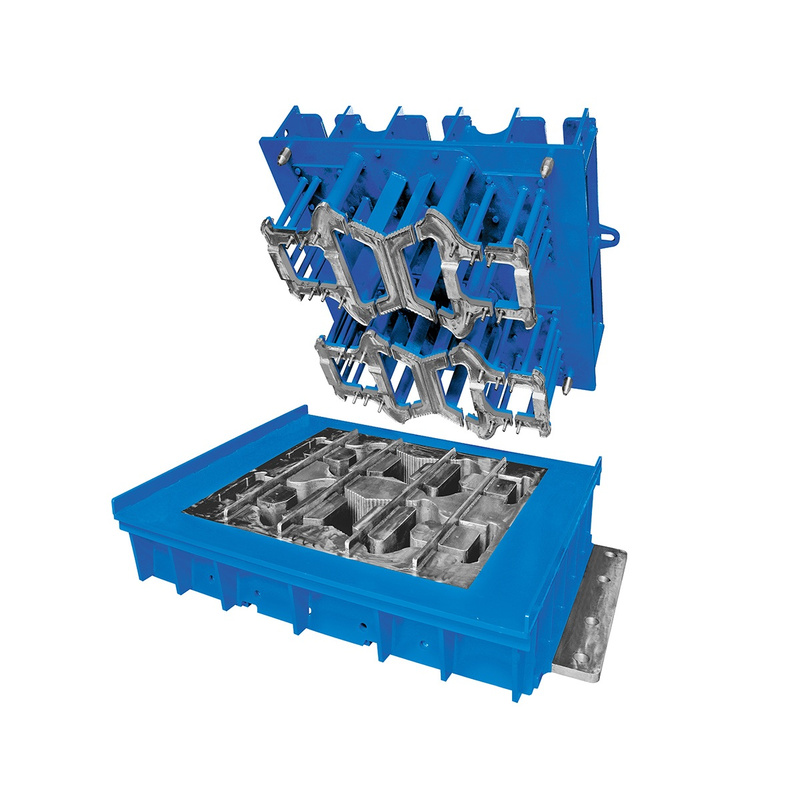
Plan a corner and cap sample review for retaining wall tooling while keeping visual fit, dimensional checks and wall-system engineering decisions separate....
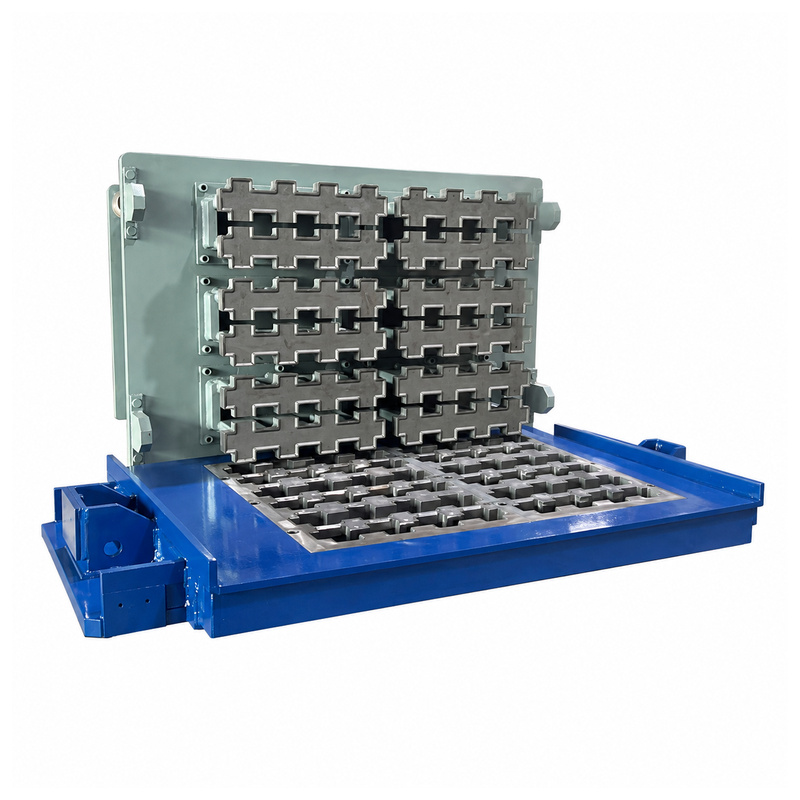
Use grass paver photographs to identify the questions a drawing must answer about openings, ribs and edges without inferring drainage or load performance....
This blog covers the mould side of concrete block, paver, kerbstone, retaining-wall and special-shape production. Articles here look at how a mould's construction, wear points and interface details affect the shape, surface and consistency of the finished unit, and what buyers should confirm before placing an order.
The content serves block and paver producers, plant engineers, and buyers sourcing moulds for new lines or replacements. Topics include mould types for different product families, the information needed to check a mould against an existing machine interface, and the practical requirements behind each brick or block type.
HAWEN publishes these notes to make mould specification clearer: what to measure, what to state in an enquiry, and which parameters still need confirmation before a mould can be quoted or matched to a production line.

 Tel: +8618359454595
 Email: sale@hwmachines.com
 MP/WhatsApp: +8618359454595
 Manufacturer Address:Nanan, Quanzhou City, Fujian Province, China