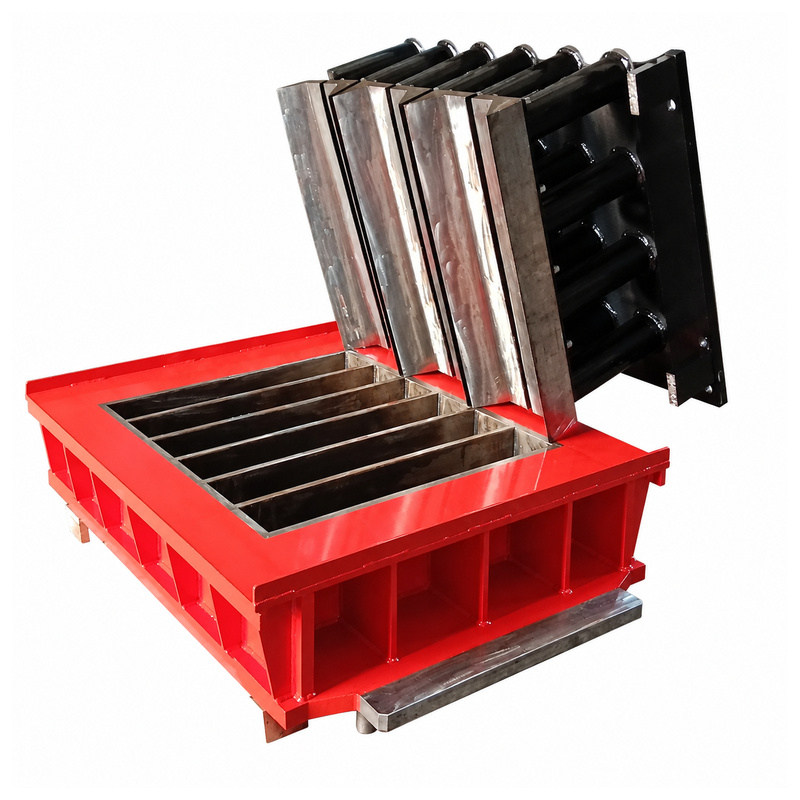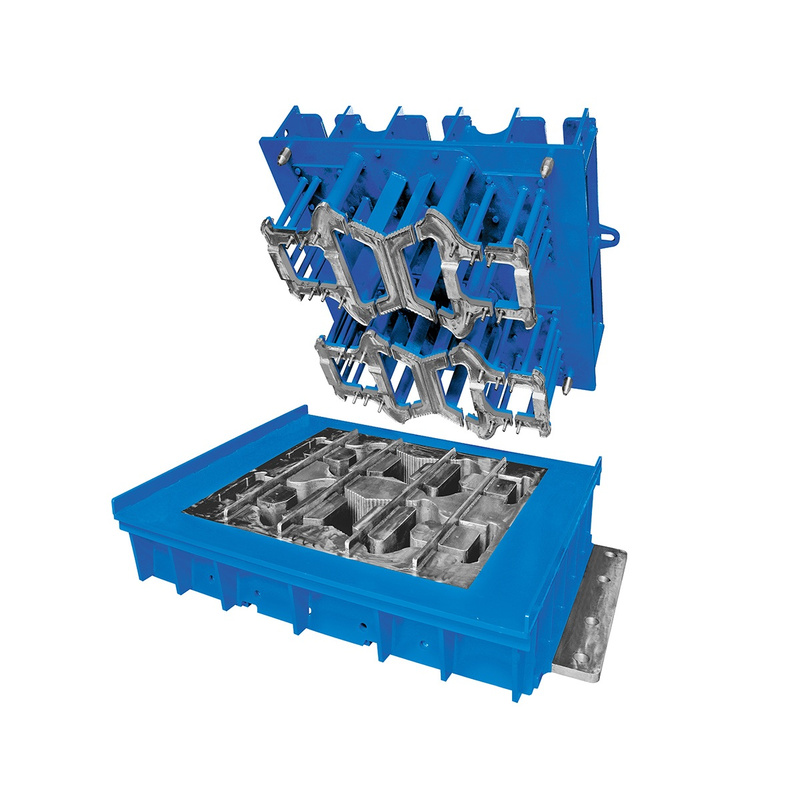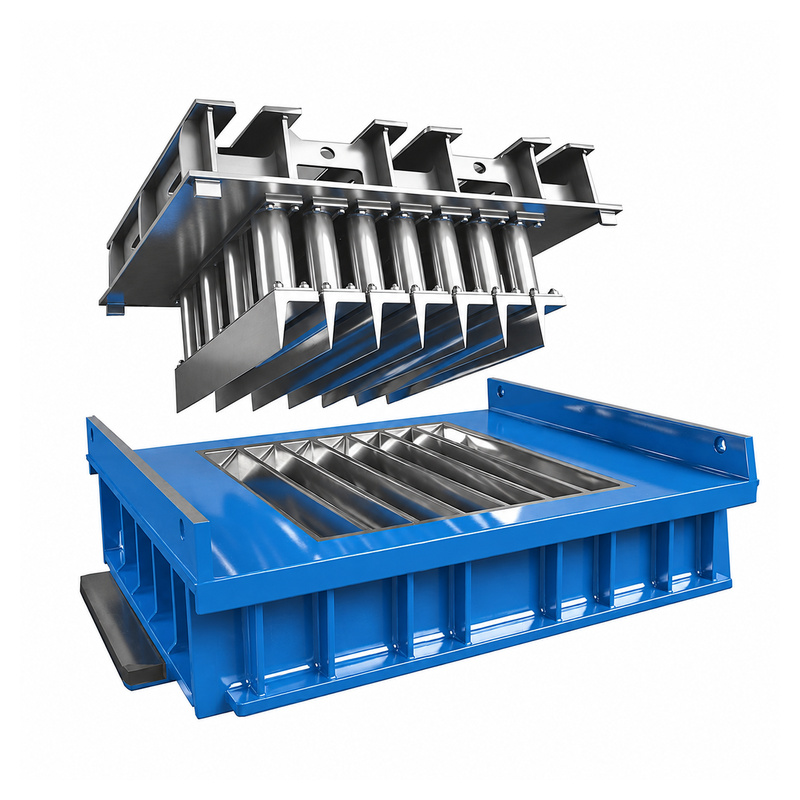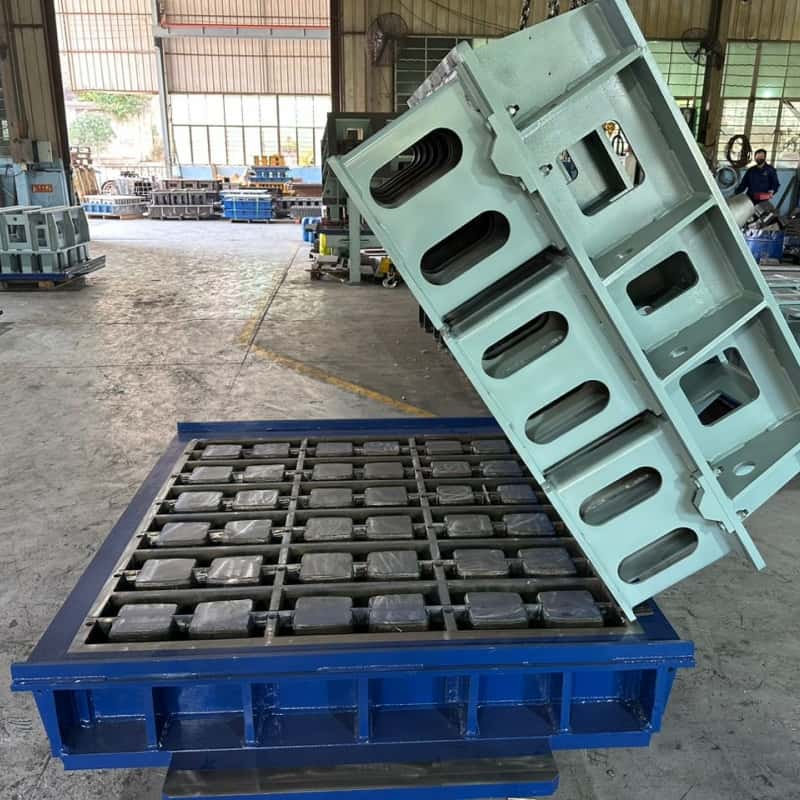
Concrete Block Molds
Hollow Block Mold
Solid Block Mold
Solid Brick Mold
Interlocking Block Mold
Thermal Block Mold
Author:HAWEN Block Mould Manufacturer TIME:2026-10-29
Reviewing a proposed concrete profile
A product rendering can show the appearance you are trying to achieve while leaving the mold maker uncertain about the concrete section, hidden surfaces or relationship with another unit. Treat it as one reference in the enquiry. Ask which additional views and dimensions are required before the shape can become a defined tooling proposal.
The useful conversation is not simply whether the supplier can reproduce the picture. It is which parts of the proposed product are already specified, which remain conceptual and which need review against the receiving machine and forming process.
First identify what the rendering communicates well. It may show the desired front face, the general outline or how a unit is intended to sit next to another object. Mark those features rather than sending several images with no indication of their purpose.
Then list the features that cannot be established from that view. A recess can be visible without its depth being defined. An opening can appear in the front while its shape through the unit remains unclear. A curved face can communicate an appearance without identifying the corresponding section at the back.
Keeping these categories separate avoids two shortcuts. The buyer should not assume a polished rendering is an approved manufacturing drawing. The supplier's agreement to review an appearance should not be read as confirmation that every hidden feature or machine condition has been resolved.
Where a three-dimensional file is available, identify its intended status and the related drawing revision. Ask which information it supplies and which requirements still need a separate statement. A file format or a realistic view does not, by itself, tell the recipient what the buyer has approved.
A section is useful when it answers a specific question. For a functional opening, that question may concern the complete opening shape and the concrete around it. For a mating feature, it may concern the relationship between both contacting surfaces. For an asymmetric unit, a single centre view may not describe every different region.
Have the responsible product designer identify the sections and dimensions needed for the review. The mould enquiry should state what each feature is intended to do and which faces are critical. It should not leave the mold maker to invent the product's functional requirements from an illustration.
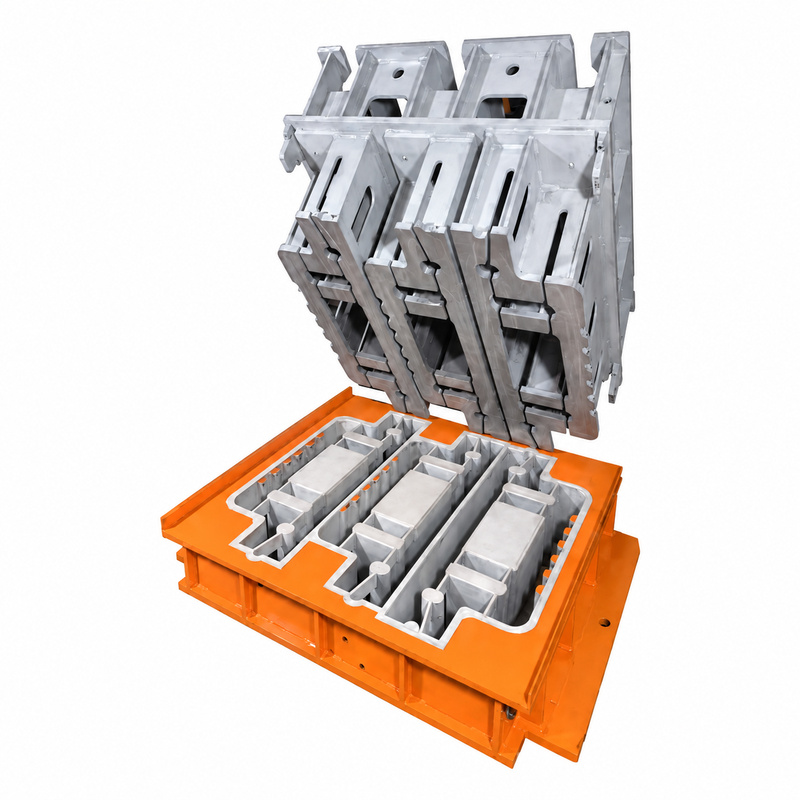
Some details also need a review of filling and release. Identify them as questions for the supplier; do not prescribe a mechanism or declare a shape feasible because another mold image looks similar. HAWEN's special-shape information puts filling, release and machine compatibility within the design review for the actual profile.
The same caution applies to apparent thin sections and complex transitions. Explain the intended geometry and ask what further information is required. This article does not set minimum sections, angles or clearances. Those values would need the actual product, material, equipment and approved technical documents.
If the product contains parts that must mate with another unit, include the companion drawing. A beautifully rendered feature has little purchasing value if the other side of the relationship is undefined. Keep interface questions connected to both references rather than revising one in isolation.
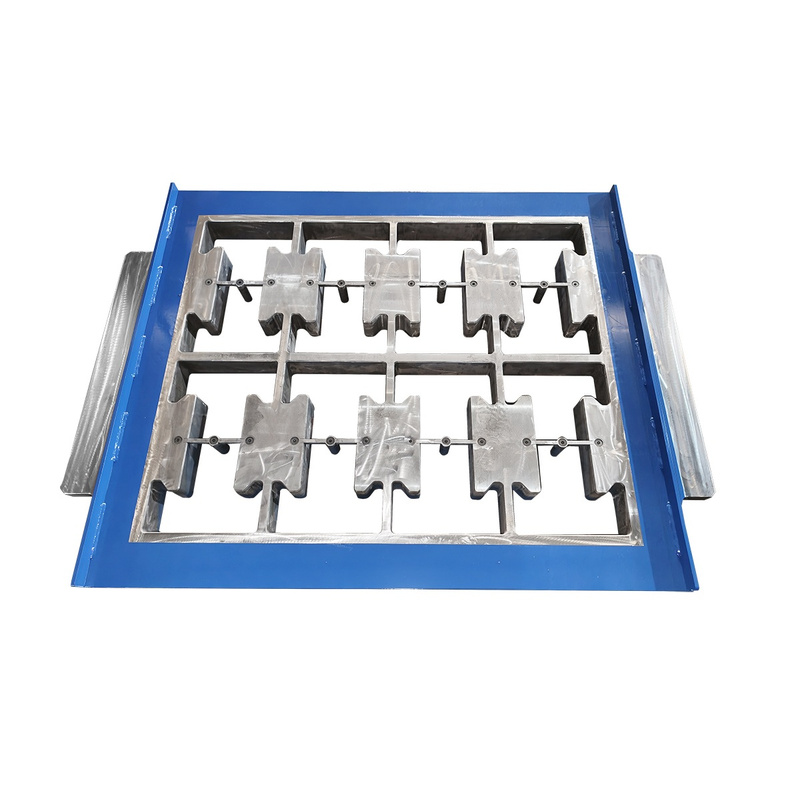
Combine the rendering with the dimensioned views and sections that are available. Label each item's purpose and revision. Identify unresolved geometry separately from confirmed requirements. Include the machine designation, pallet and existing tooling references needed to assess the receiving installation.
Describe the purpose of the order as well. A new product, a replacement retaining the current unit shape and a development variant create different review questions. If the rendering proposes a change from an existing block, show which features must remain and which are under development.
Ask the reply to distinguish three outcomes: features understood from the supplied information, additional evidence required and points needing further feasibility review. A short acknowledgement that the supplier has seen the image is not the same as a configuration approval.
Where trials are needed for a newly developed shape, agree the scope for the mold and available equipment. Define what the samples will be assessed against before treating a satisfactory-looking image or first unit as approval for routine output. The technical acceptance and any finished-product performance assessment remain separate questions.
HAWEN's special shape block mold review starts from the required profile, sections, functional features and machine information. Use your rendering to explain the target, then make the missing definition explicit. That gives the next drawing discussion a clear purpose instead of asking the supplier to approve a picture with unstated engineering assumptions.

 Tel: +8618359454595
 Email: sale@hwmachines.com
 MP/WhatsApp: +8618359454595
 Manufacturer Address:Nanan, Quanzhou City, Fujian Province, China