Coordinate Hollow Block Tooling for the MASA 9002XL
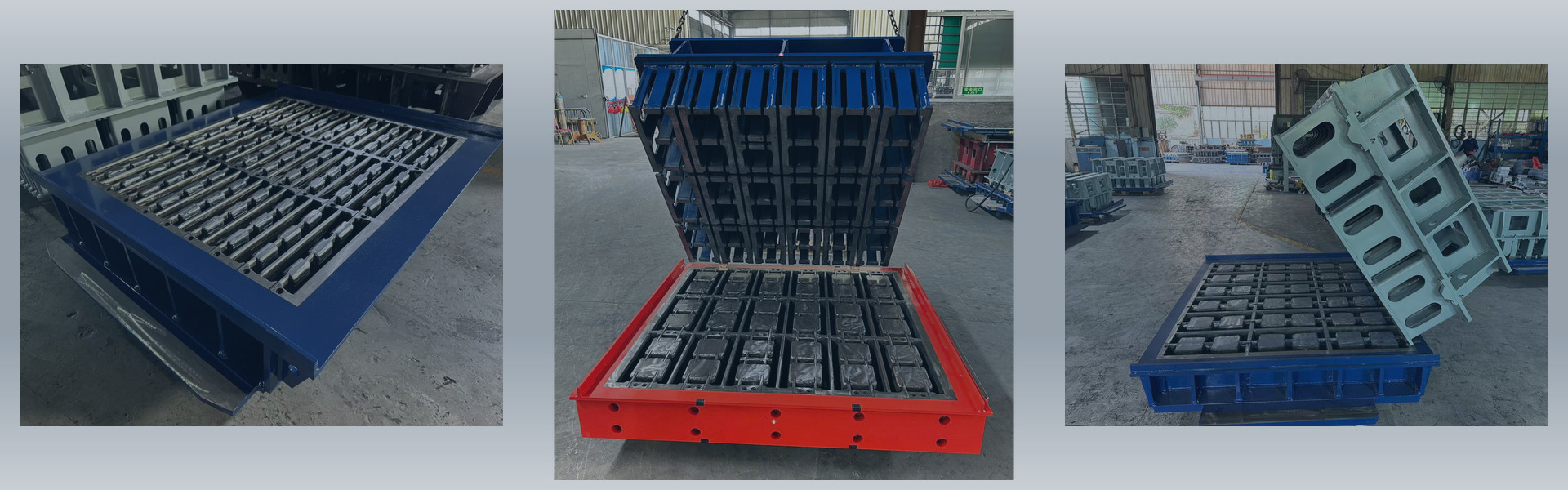
The Qatar project illustrates a complete mould set for a defined block; use its recorded arrangement to identify what your own 9002XL installation needs confirmed.
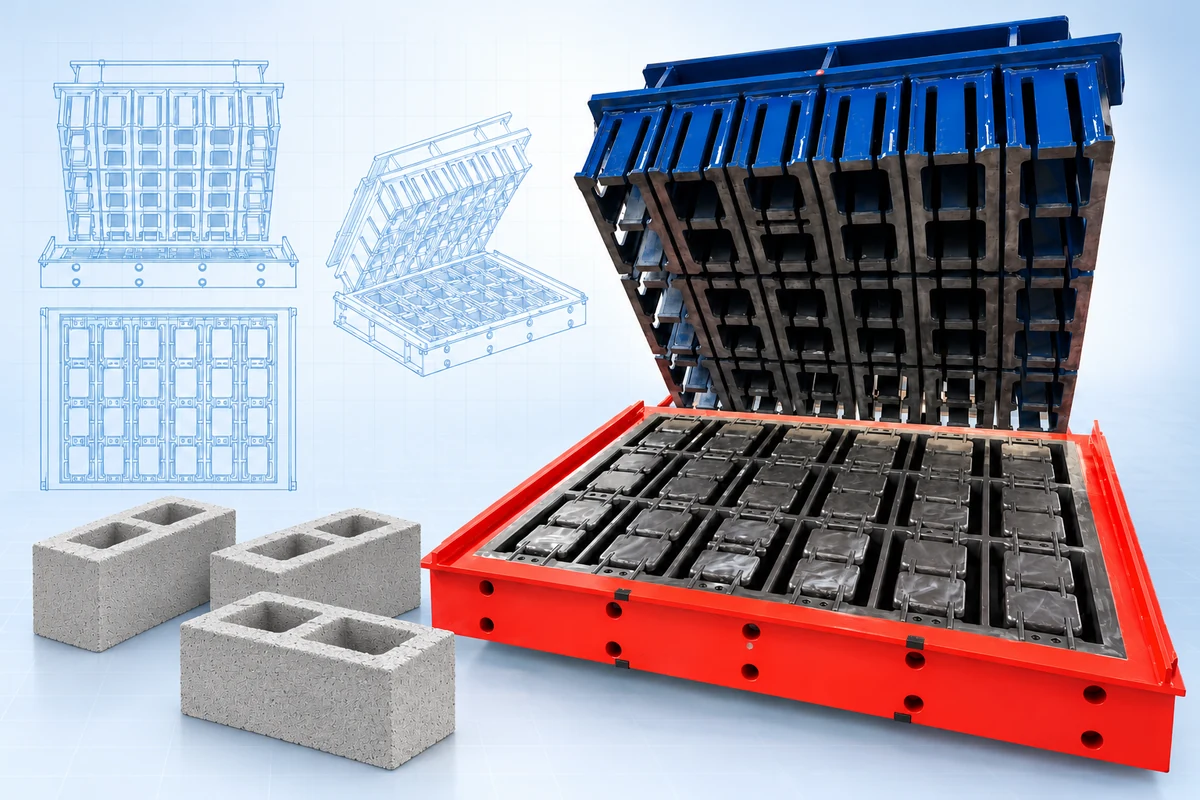
A hollow block mould for a MASA 9002XL must reproduce the specified block while fitting the machine already in service. HAWEN develops the lower box, internal cores and upper tamper assembly together, using the customer's product drawing and installation dimensions to define the tooling.
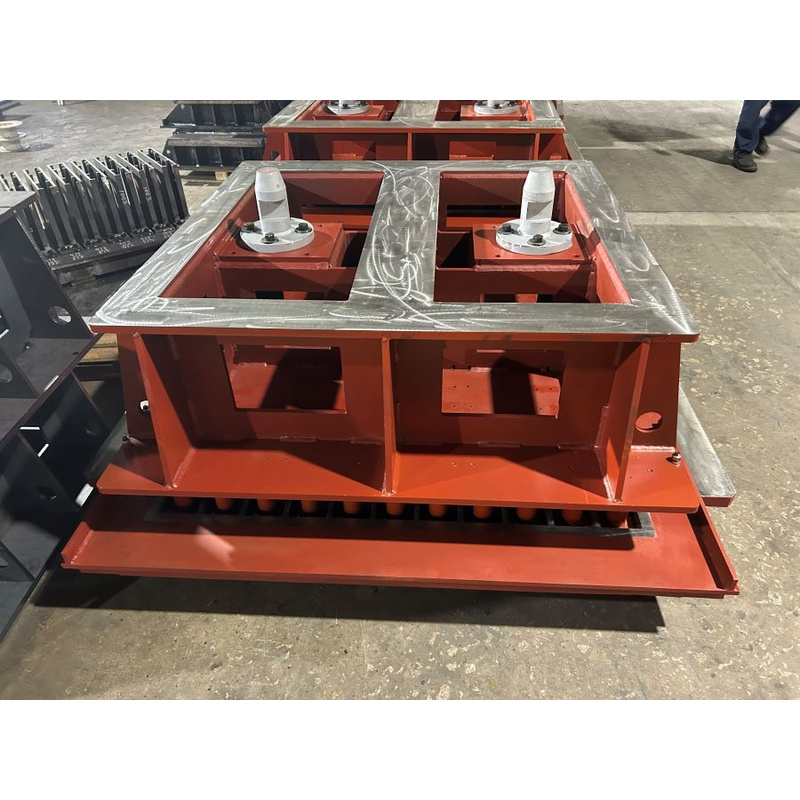
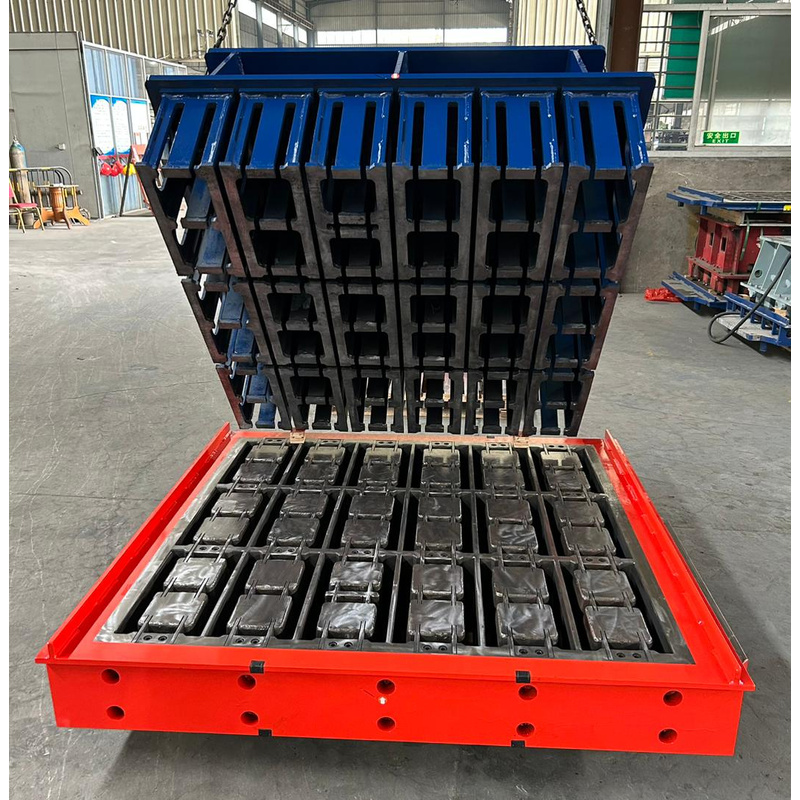
MASA 9002XL hollow block mould project reference
Project reference from Qatar
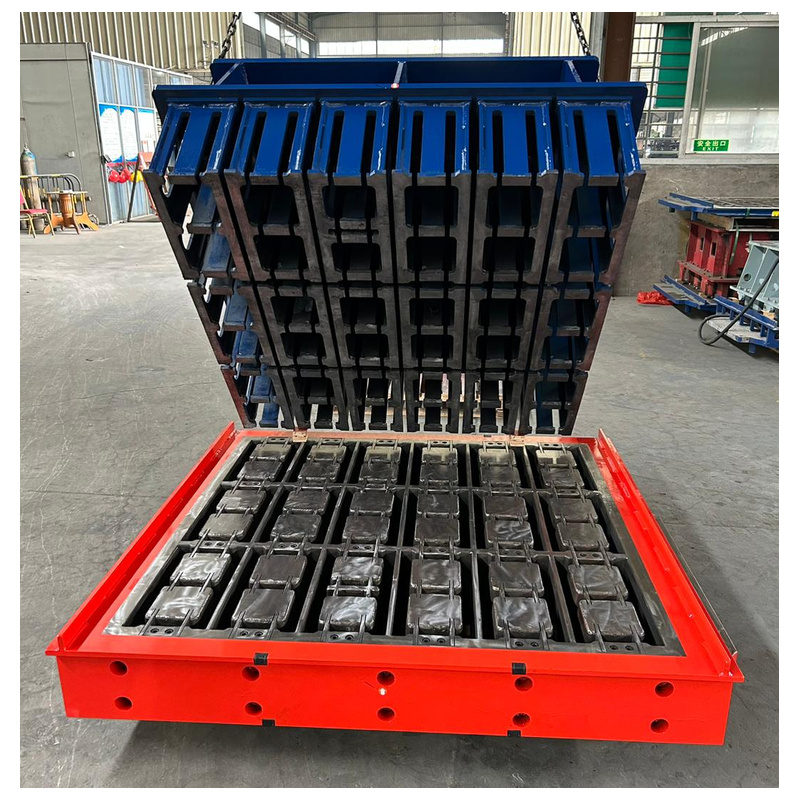
The Qatar project covered one hollow block mould set with the following configuration:
Machine model MASA 9002XL with a 1400 x 1300 mm pallet.
Block dimensions of 400 x 200 x 200 mm.
Output of 18 pieces per cycle for the specified mould layout.
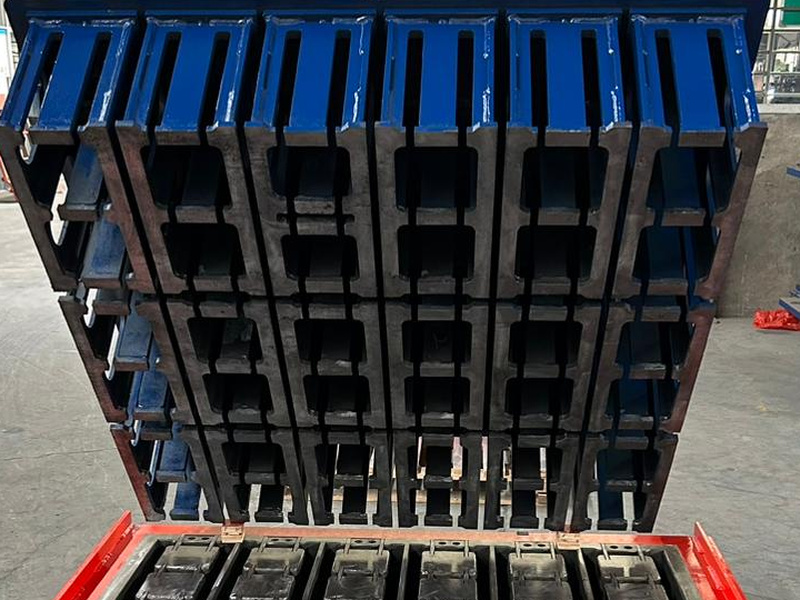
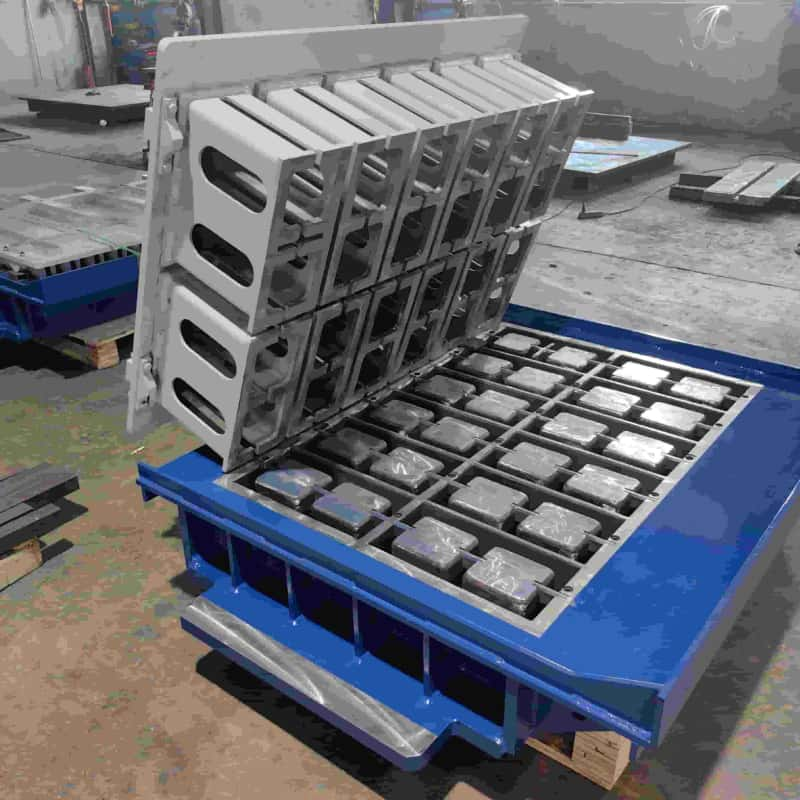
The completed mould combines the cavity walls and cores with matching upper pressing elements. These parameters belong to the Qatar order and provide a reference for a similar enquiry, rather than a fixed specification for every 9002XL installation.
Define the block and cavity arrangement
The product drawing should identify the outside dimensions, opening shapes, wall and web sections, and any special profiles. Cavity count is reviewed with pallet space, tooling structure and product spacing. If the block height, wall thickness or opening layout changes, the cores and pressing elements must be reviewed as part of the revised assembly.
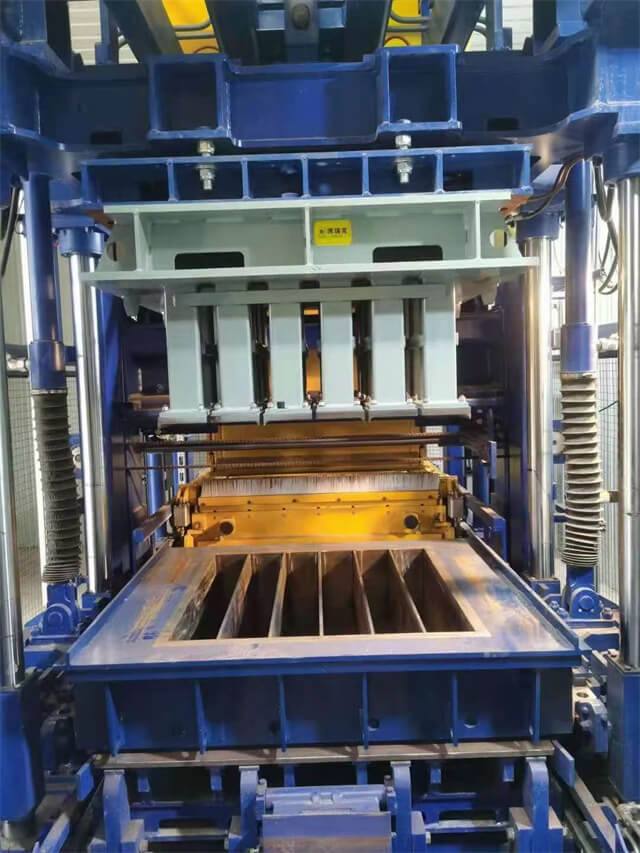
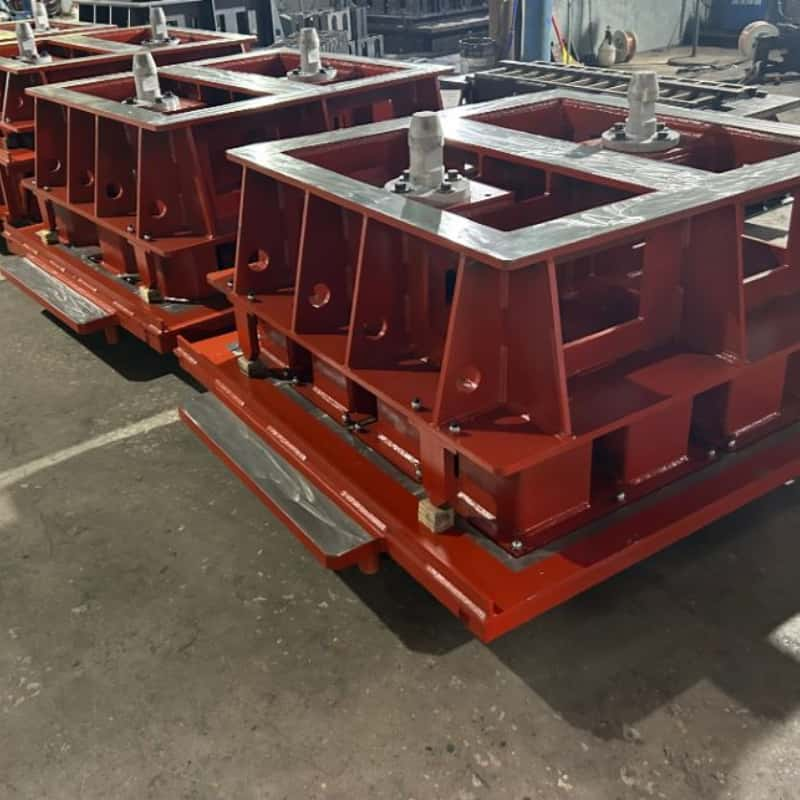
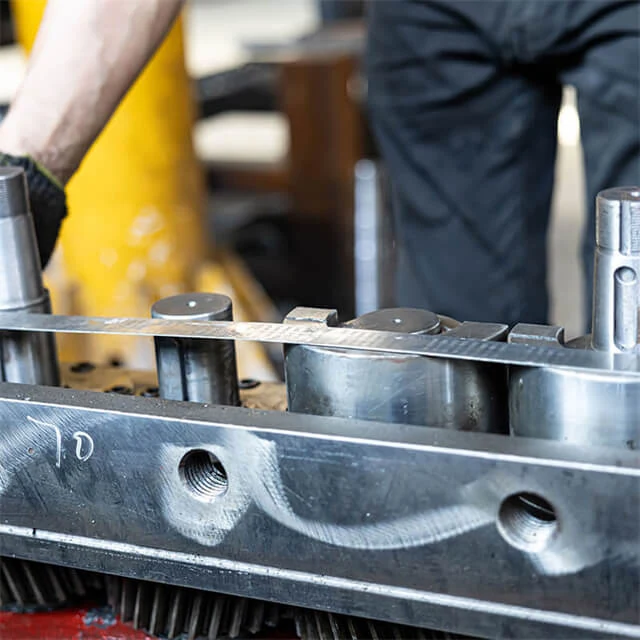
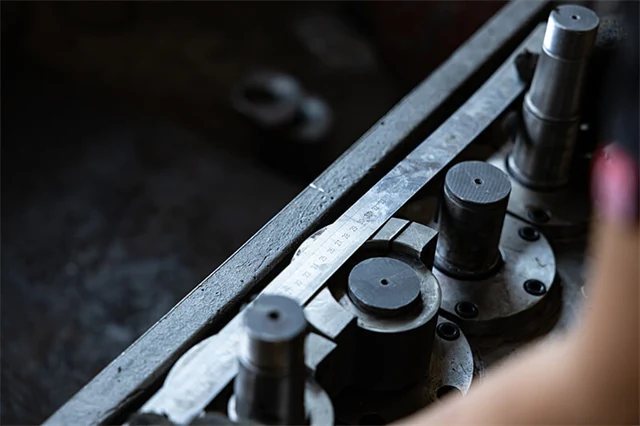
MASA 9002XL upper pressing assembly detail
Confirm machine fit and inspection
Supply the mounting dimensions, mould height and upper assembly connections, together with photographs of the existing tooling. Checks on the finished mould should compare cavity geometry, core placement and alignment with the approved drawings. Agree material, treatment, inspection records and any fitting check during the technical review.
Plan introduction into production
Define the scope of any commissioning trial and assess block dimensions, compaction and release alongside the mix and machine settings. Cleaning and inspection requirements should follow the equipment and mould instructions. Record wear or recurring defects so future replacement tooling can be discussed using the operating history.
Start your MASA 9002XL enquiry
Send HAWEN your block drawing, machine information, pallet size and required output. Include existing mould dimensions, connection photographs and the changes or production issues to address. These details establish the basis for the proposed mould and delivery scope.
UAE hollow block project
The UAE case is recorded as MASA 9.2. The customer ordered one hollow block mould following a HAWEN technical visit to the factory. The discussion covered the existing line, block requirements and operating conditions, providing a basis for reviewing the tooling against the actual installation.
Saudi Arabian product range
The Saudi Arabian case is recorded as MASA L9.2. Following the customer's visit to HAWEN to discuss specifications and manufacturing, the reported tooling scope included:
Hollow block moulds with defined cavity and core arrangements.
Wood-textured paving stone and smooth-face interlocking paver moulds.
Curbstone moulds for the specified product profiles.
Develop a specification for each mould
A mixed-product order requires a separate identified drawing for each mould. Confirm block dimensions, internal openings, surface features, edge details and preferred cavity count. Hollow blocks, decorative pavers and kerbs need different forming components, even when produced on the same line. The shared pallet dimensions do not establish interchangeable machine connections or identical layouts.
Develop the product specific solution
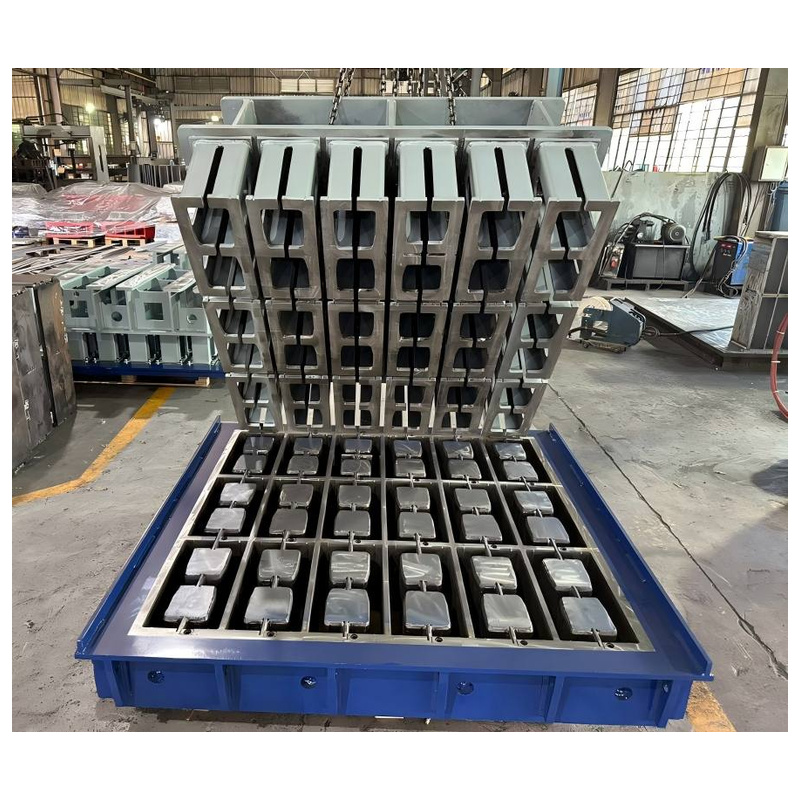
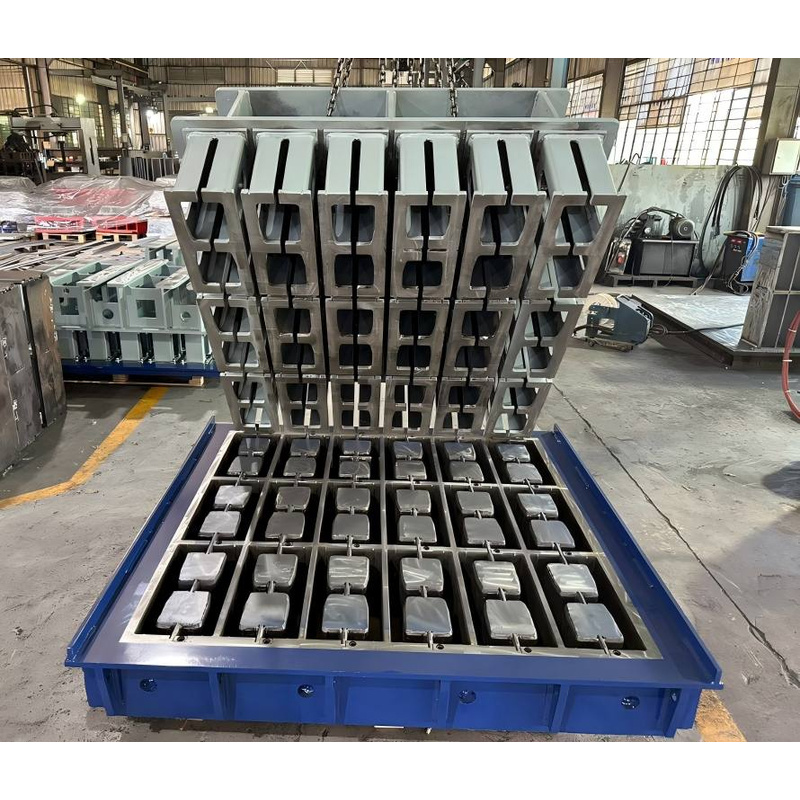
Hollow block designs require coordinated cavities, cores and tamper shoes, with internal openings and concrete sections defined in the drawing. Paver designs require the outline, thickness, edge details and surface finish. Identify each product separately so its forming components and cavity arrangement can be reviewed without transferring specifications between orders.
A thermal block mold is used to produce blocks with specially designed cavities or internal geometries for wall systems where thermal performance is an important consideration. These blocks often have more complex internal structures than conventional hollow blocks.
Related mould information
See Thermal Block Mold for the relevant mould range and drawing requirements.
Why is dimensional accuracy important for interlocking blocks?
Why is dimensional accuracy important for interlocking blocks?
Dimensional accuracy matters because the corresponding interlocking sections must fit consistently during installation. Excessive variation can affect alignment, installation efficiency and the appearance of the completed wall or pavement. The important dimensions include the mating profiles as well as the overall length, width and height of the block.
Review the mating geometry as a complete set
A product drawing should show both sides of an interlocking connection, including the male and female sections or other matching surfaces. It should also identify the intended orientation of neighboring units. Two blocks with the same outside dimensions can still have different locating features, internal openings or edge profiles, so an overall-size sketch alone may not define the required mould.
Where more than one block is needed for the system, provide the associated drawings together. This makes it possible to discuss how the pieces meet instead of evaluating each shape in isolation. A finished sample can help communicate the intended arrangement, while the approved drawing records the geometry to be manufactured.
Information needed for mould selection
Send the complete block sections, drawings of the mating surfaces and any specified acceptance requirements. Include the machine model, pallet dimensions and existing mould information for the production-interface review. The required dimensional limits should be agreed for the particular product and process; a general interlocking-block description is not a universal tolerance specification.
Review the mould assembly, locating features and mounting references before installation. Agree which documents and observations are needed to compare the supplied tool with the receiving machine.
Plan dimensional checks around the approved block and mould drawings. Identify critical cavity features, measurement references and the records needed for a useful acceptance discussion.


 Machine Brand
 Machine Model
 Pallet Size
 Certification
 Cavities/Cycle

 Tel: +8618359454595
 Email: sale@hwmachines.com
 MP/WhatsApp: +8618359454595
 Manufacturer Address:Nanan, Quanzhou City, Fujian Province, China