
 Mould Model
 Block Size
 Material / HRC
 Cavities/Cycle
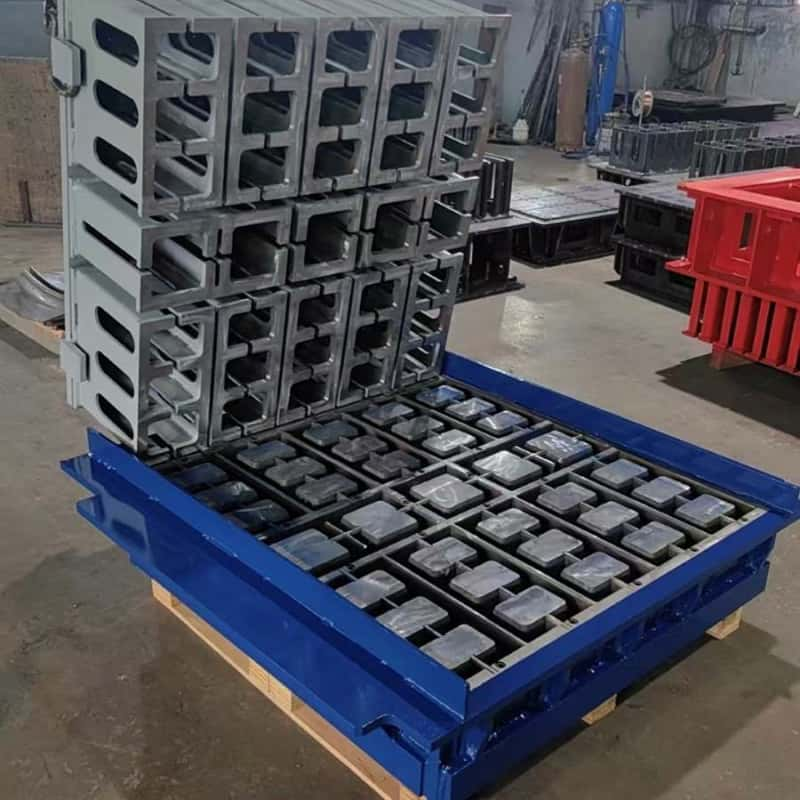
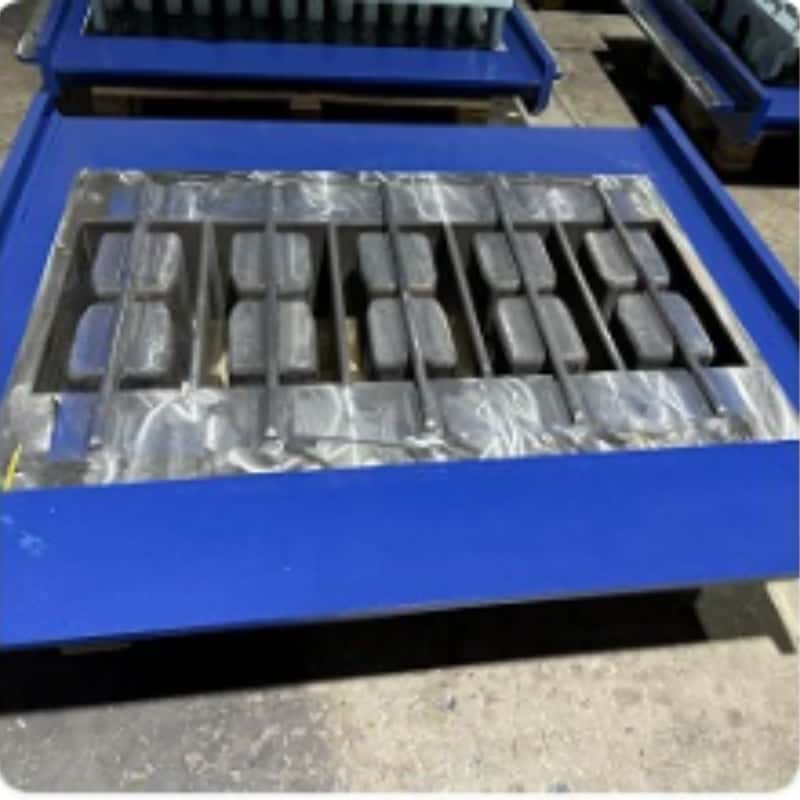
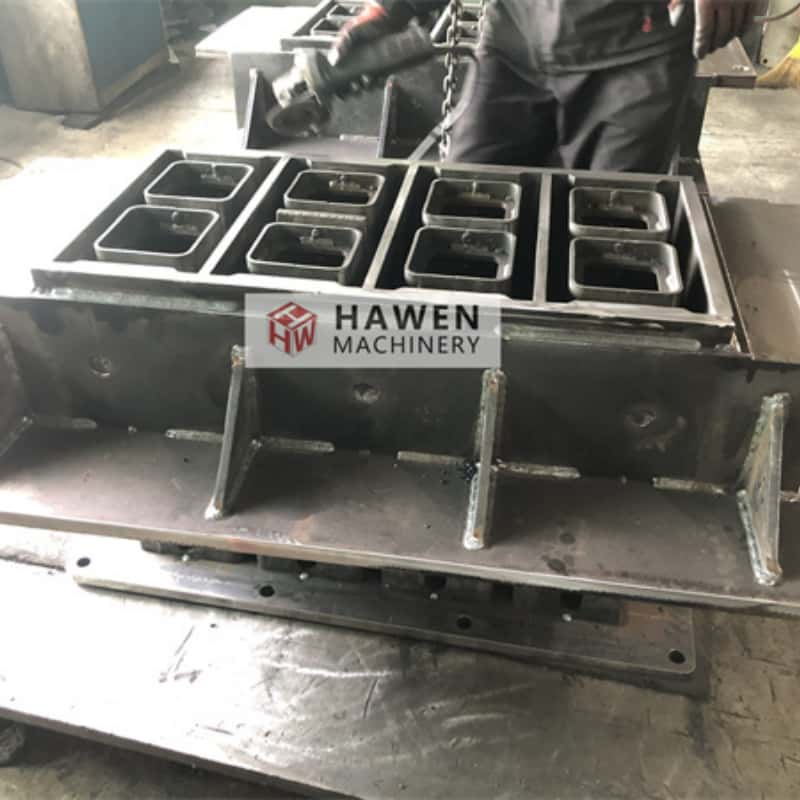
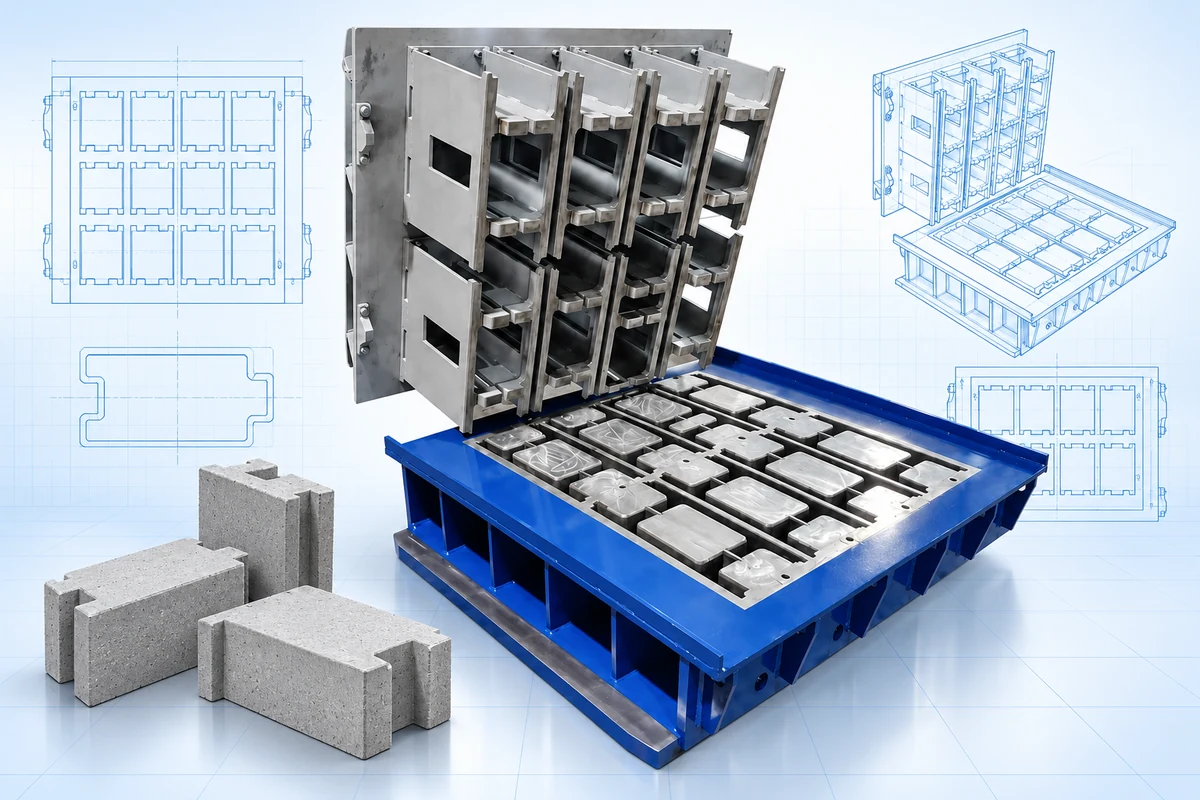
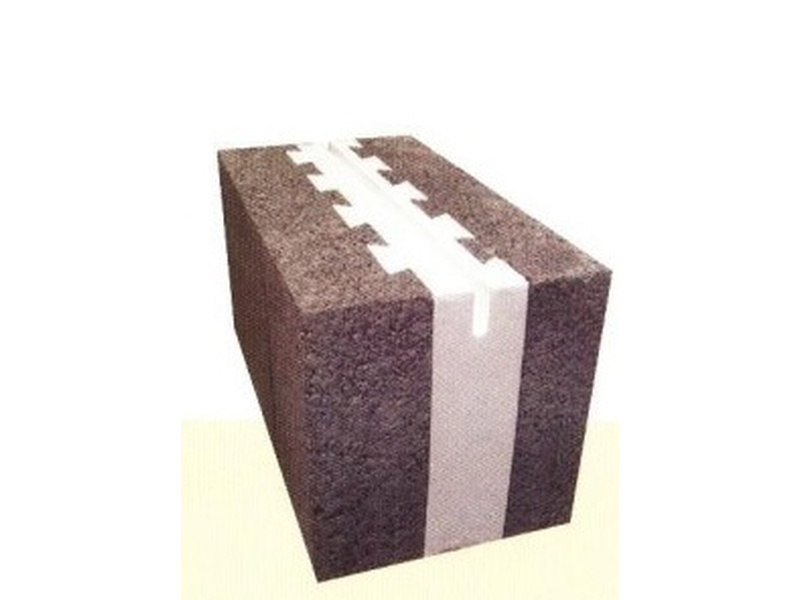
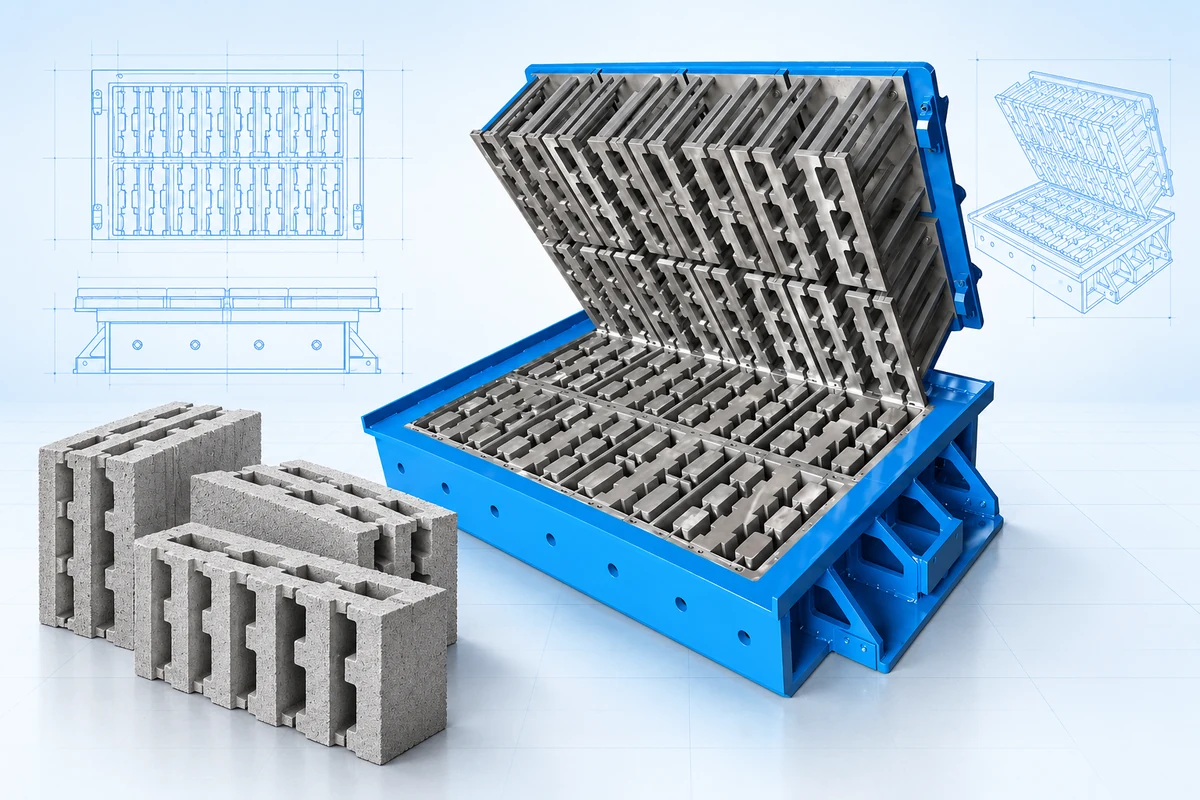
Custom Internal Geometry for Thermal Block Designs
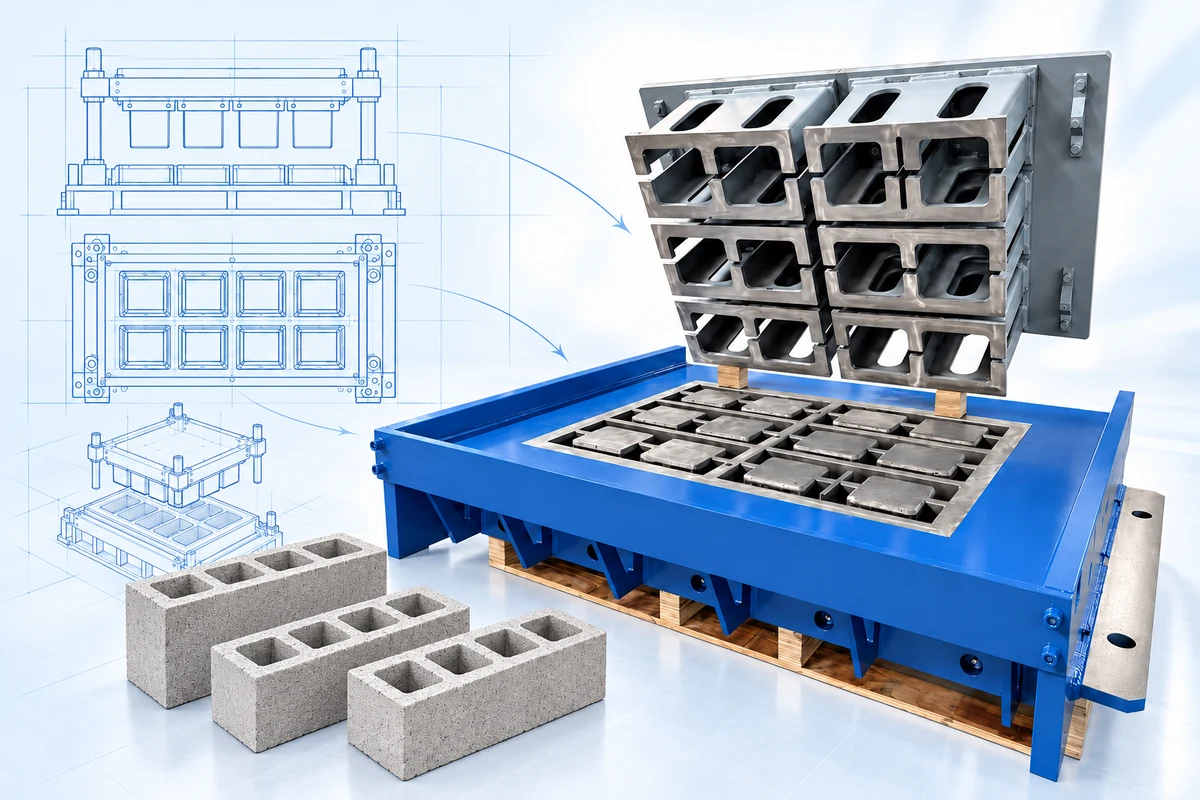
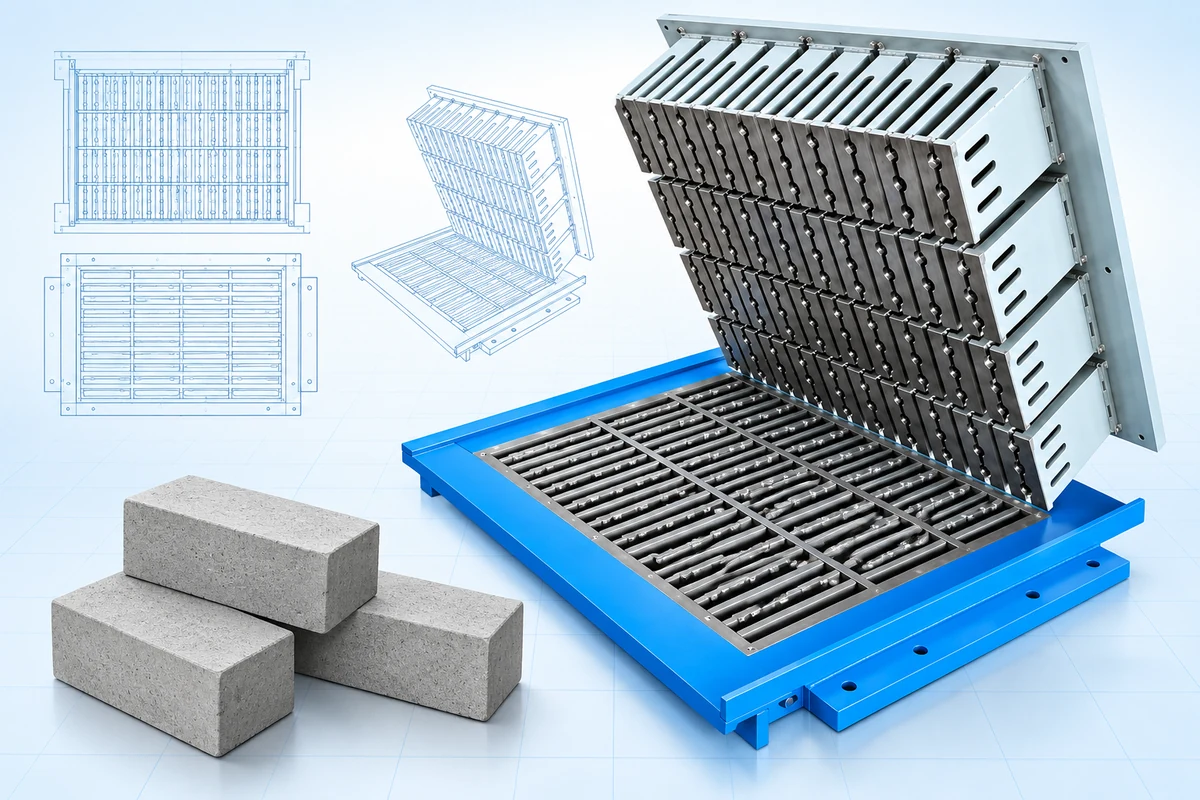
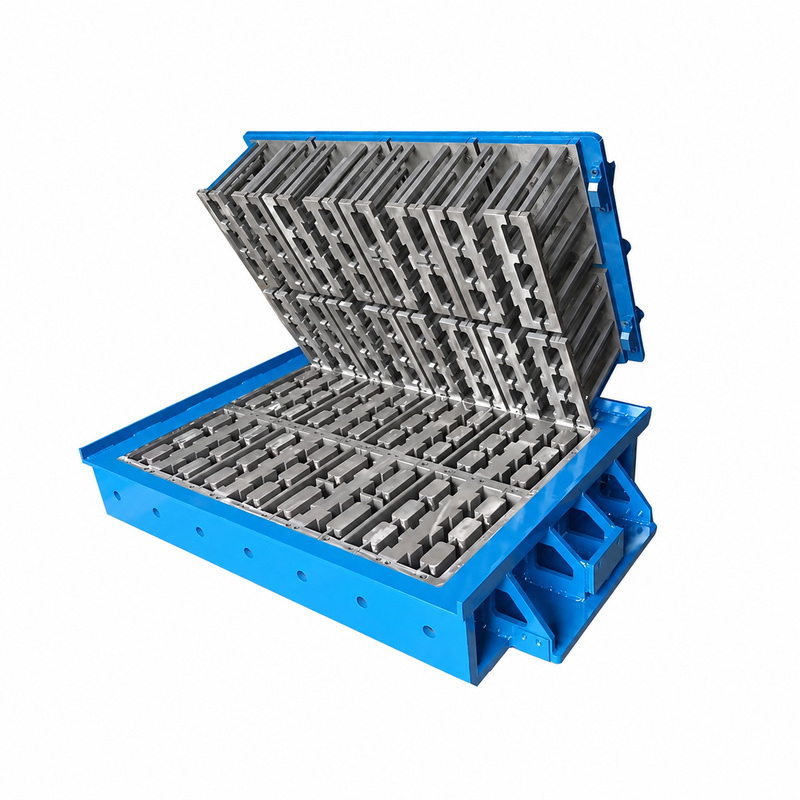
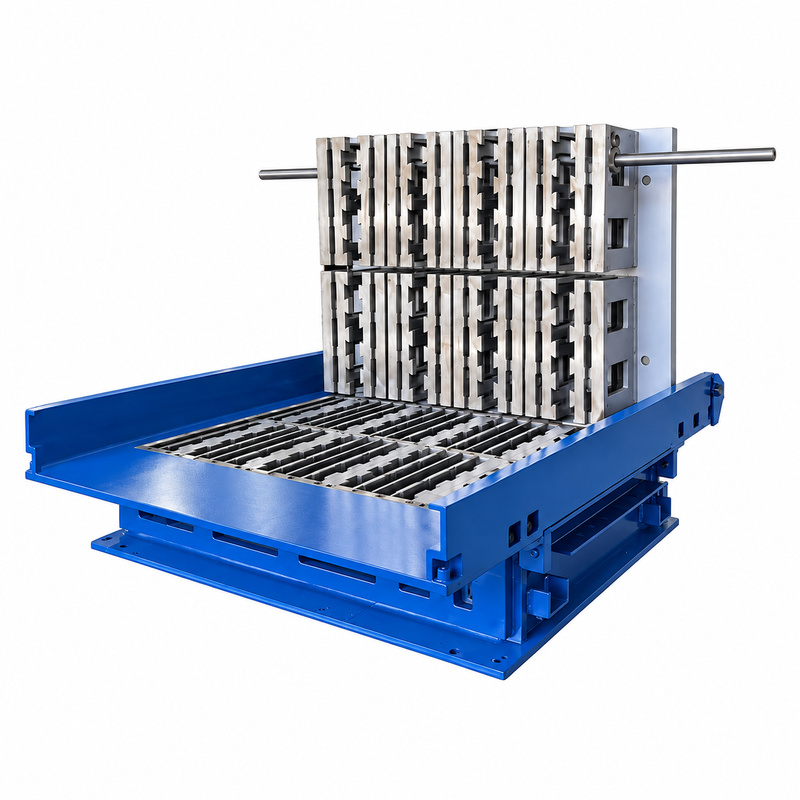
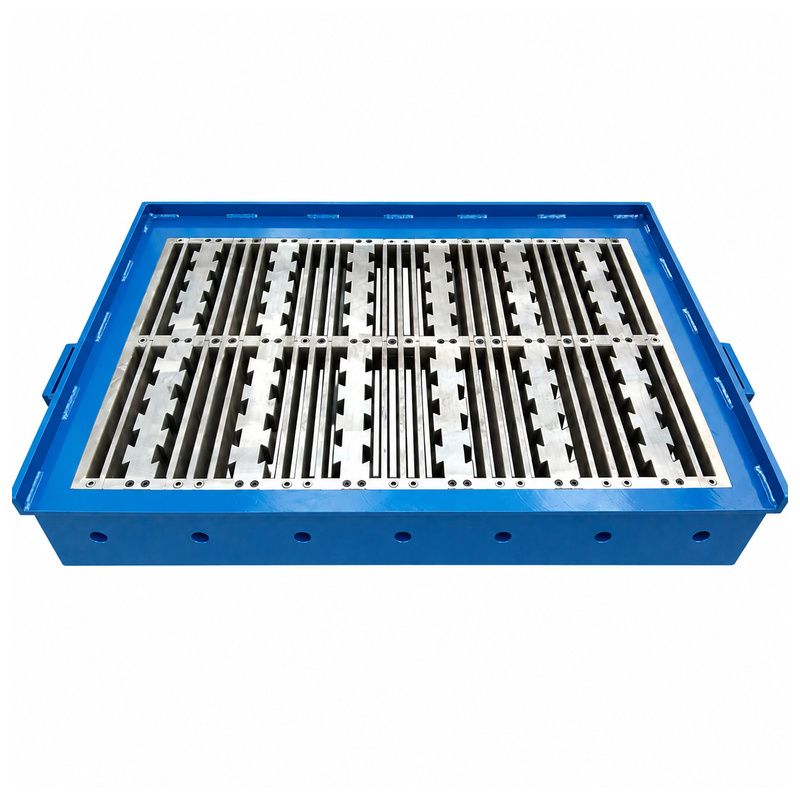
Multiple cavities and internal profiles are developed according to your approved block drawings. The mold reproduces the specified geometry for your thermal block product.
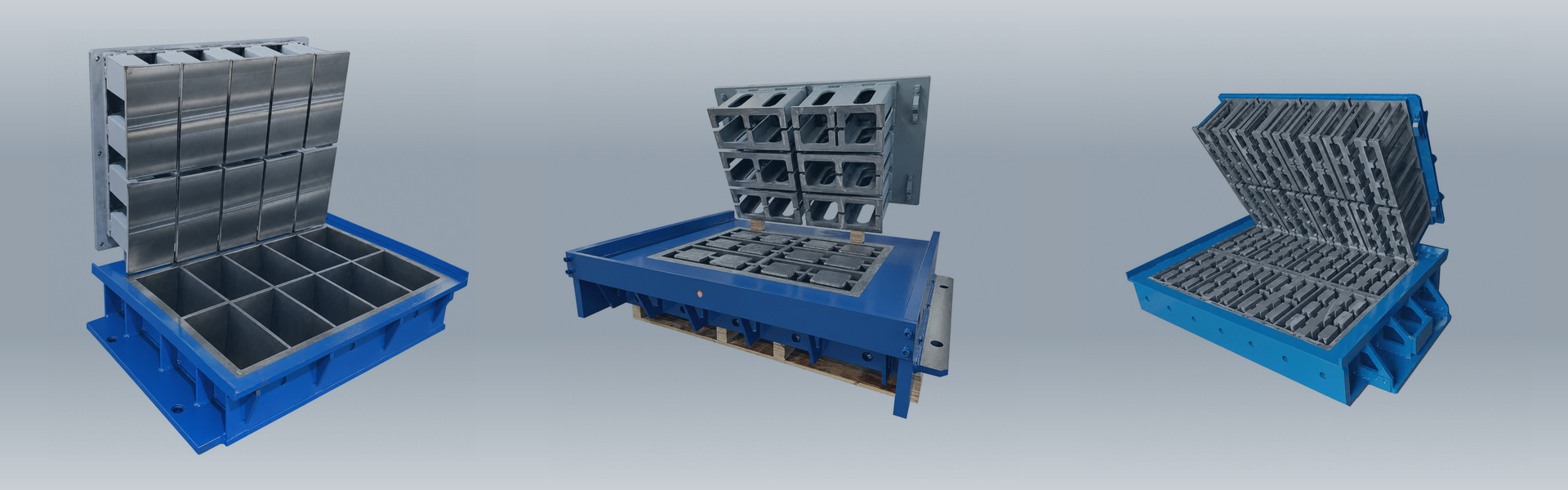
| Mould Model | TB-400 / TB-390 / Custom Thermal Block Mould |
| Block Size | Typical: 400 × 200 × 200 mm; 400 × 200 × 250 mm; 400 × 200 × 300 mm (Custom sizes available) |
| Block Height | 150–300 mm (design-dependent reference) |
| Material / HRC | Wear-resistant alloy steel; heat-treated, HRC58–62 (reference) |
| Cavities/Cycle | Custom to thermal-block design, mould layout and machine specifications |
| Machine Brand | HAWEN / HESS / MASA / ZENITH / QUADRA / other brands (subject to fit review) |
| Machine Model | QT6-15 / QT8-15 / QT10-15 / QT12-15 / QT15 / QT18 / custom models (reference; fit review) |
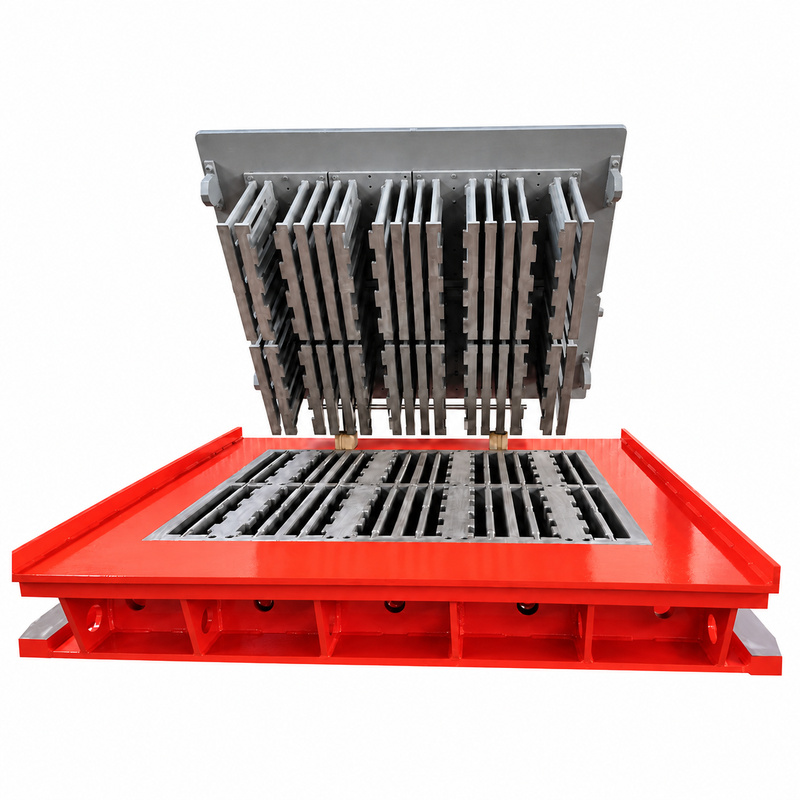
Multiple cavities and internal profiles are developed according to your approved block drawings. The mold reproduces the specified geometry for your thermal block product.
Wall sections and closely spaced cores are evaluated together with filling, compaction, and demolding requirements. This helps identify difficult features before the mold structure is finalized.
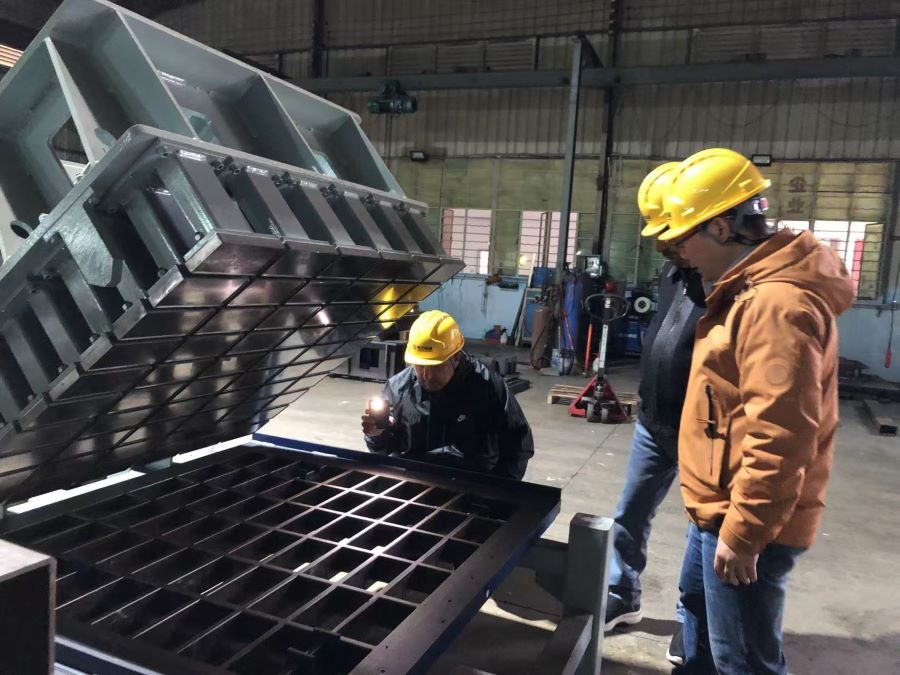
Machining methods are selected to suit the internal geometry and forming details. Accurate core positioning supports consistent reproduction of the specified cavities and concrete sections.
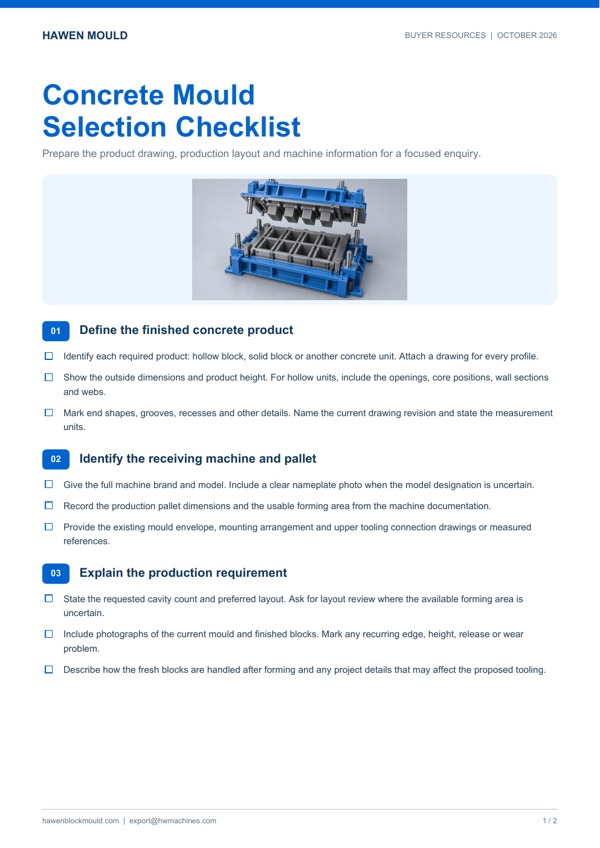
Prepare a clearer mould enquiry with a product drawing, quantity context and machine information. Organise open questions so the quotation discussion can address the actual project.
Read moreMake a wear-part enquiry more useful with mould references, labelled photographs and production observations. Discuss the repair scope and fitting requirements before ordering components.
Read morePrepare your product and machine information. Let’s review the tooling.
Send the finished block drawing and dimensions, machine brand and model, pallet dimensions and the mould mounting details. For a replacement, include photos or drawings of the existing mould.
The review connects the block design with the receiving machine, pallet, mounting arrangement and available forming space. Share the relevant machine and mould drawings so the interfaces can be checked before a proposal is confirmed.
Select your project purpose and describe the current tooling or the block shape you want to produce. Existing mould photos and a dimensioned product drawing help the team identify the information still needed.
Confirm the approved block drawing, cavity arrangement, machine interfaces and agreed mould specification. Include any project changes in the enquiry so the proposal can be reviewed against the latest requirements.

 Tel: +8618359454595
 Email: sale@hwmachines.com
 MP/WhatsApp: +8618359454595
 Manufacturer Address:Nanan, Quanzhou City, Fujian Province, China