
 Product Size
 Machine Brand
 Product Type
 Certification
 Cavities/Cycle
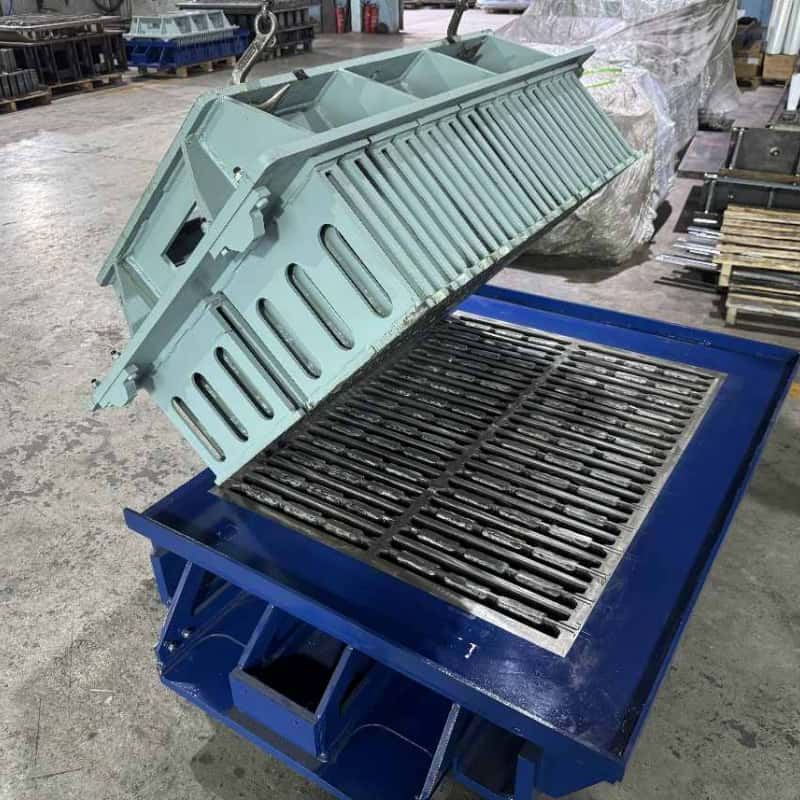
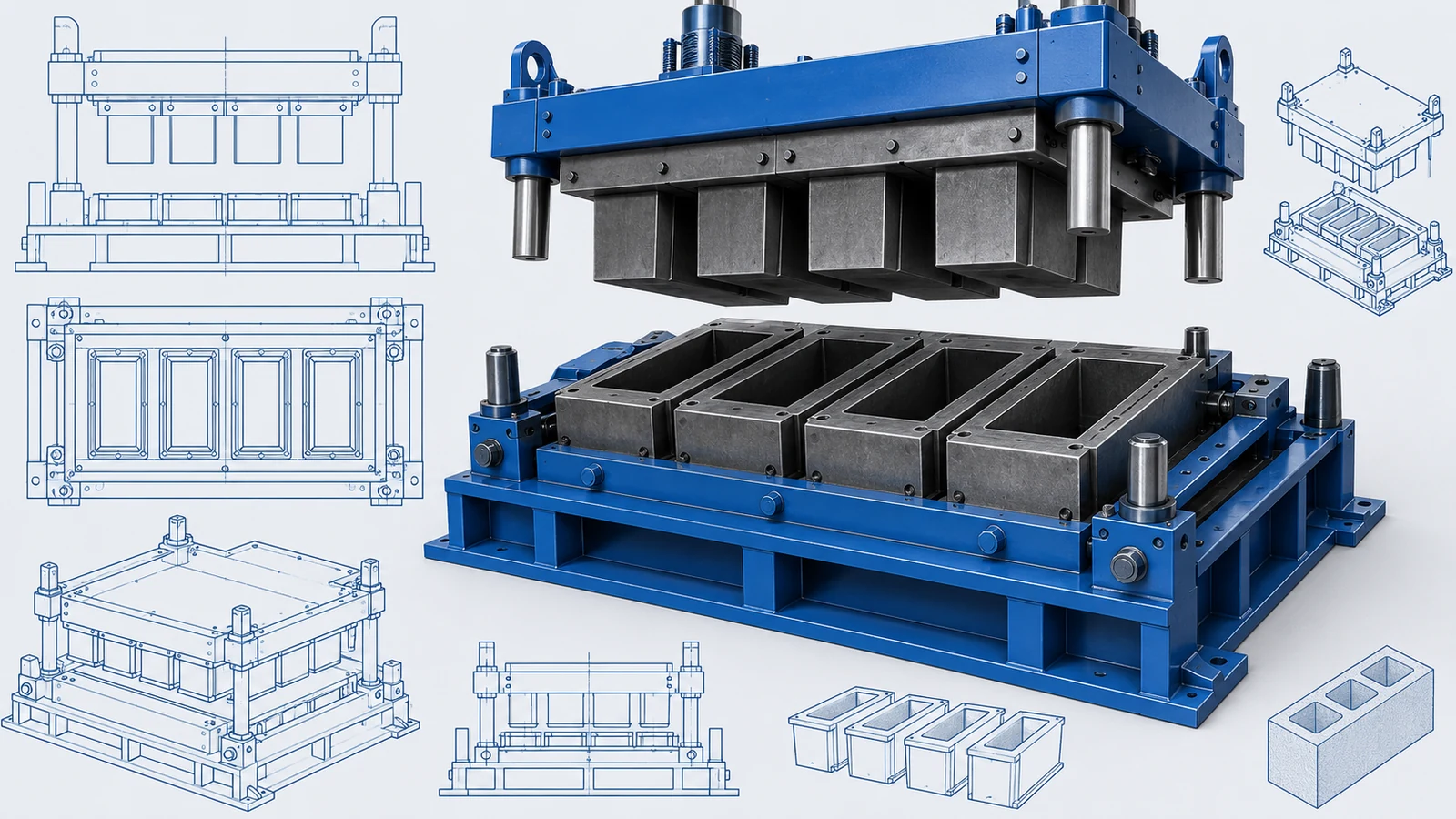
Drawing-Driven Mould Design Starts with the Finished Block
Understand how a finished block drawing becomes a mould discussion, from core geometry and product orientation to the design questions that should be settled before manufacture.
Read more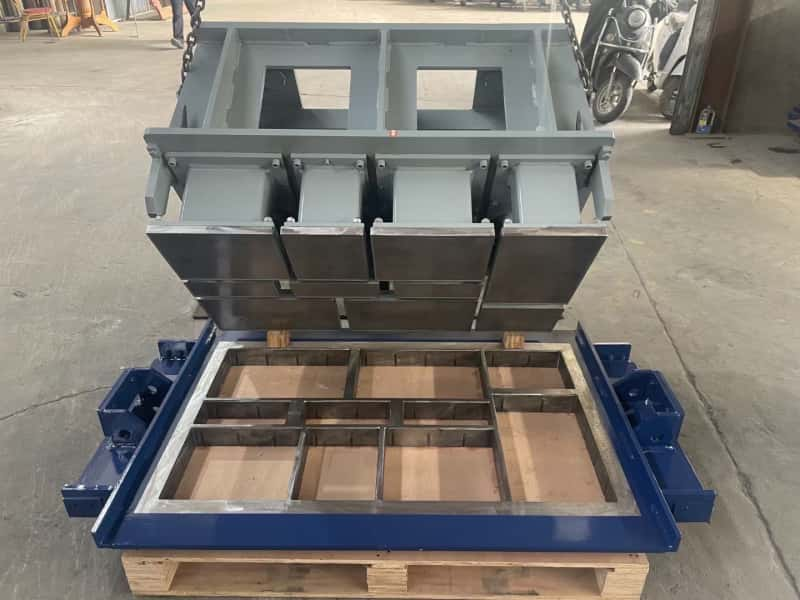
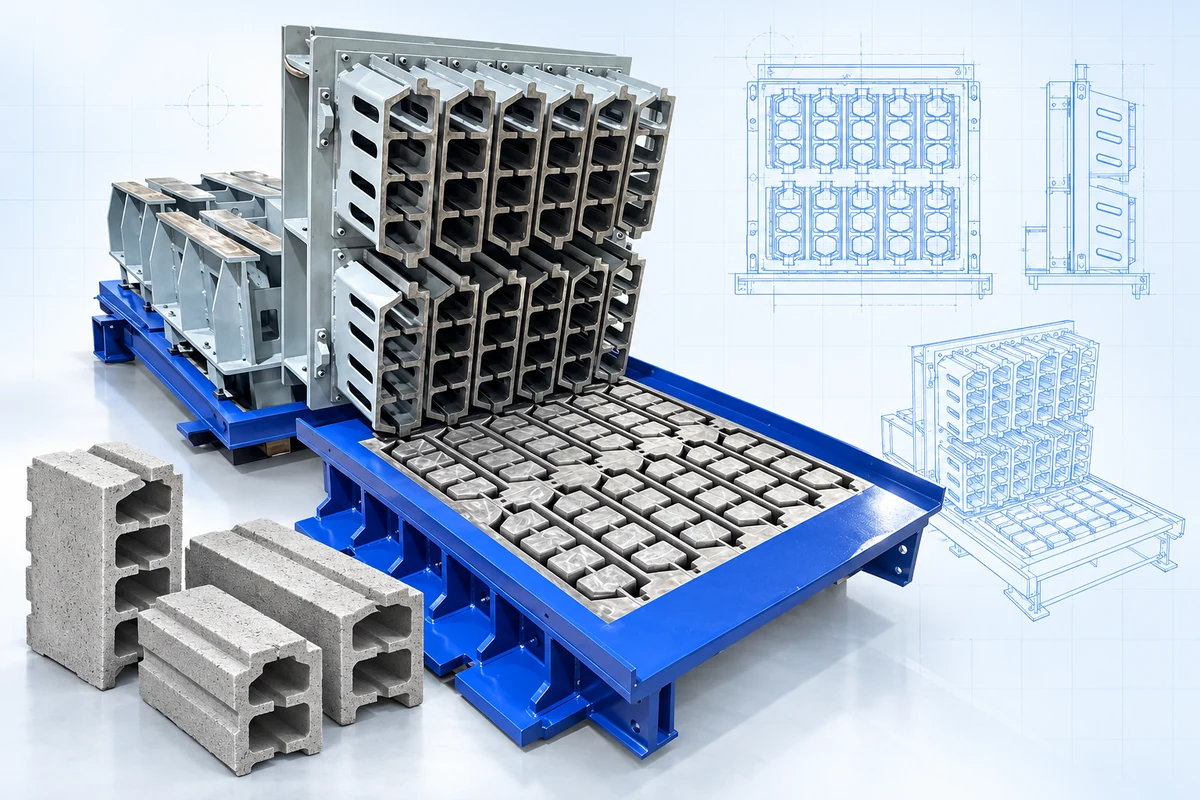
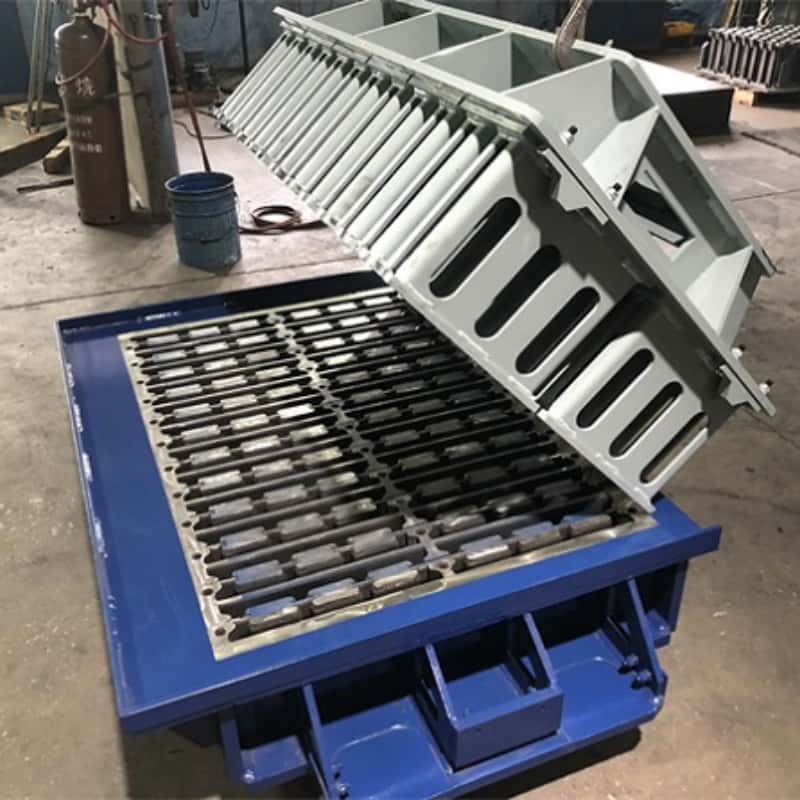
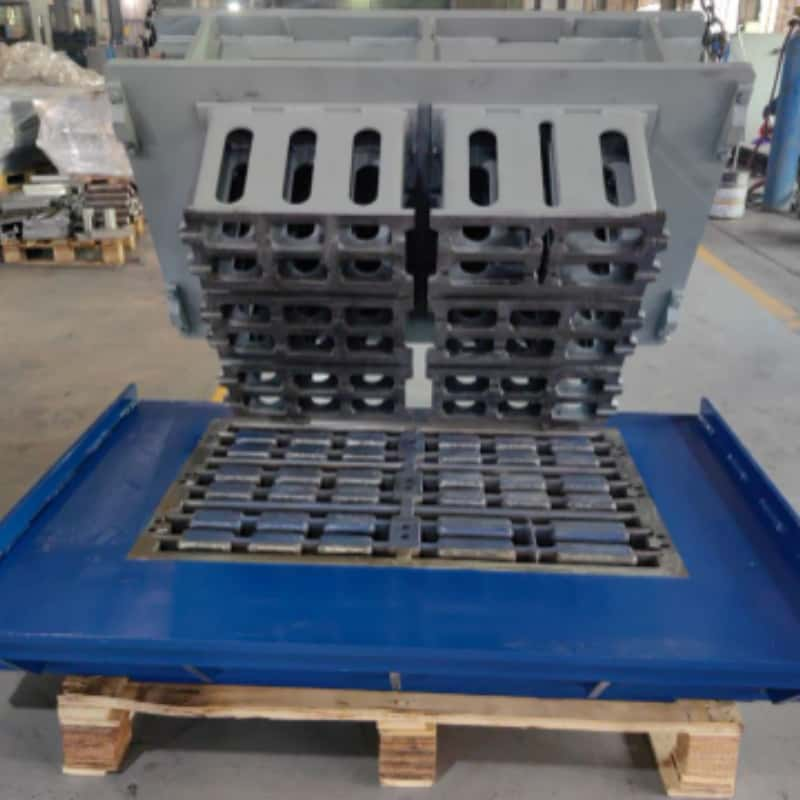
A repeat mould order needs to retain the required machine interfaces while reflecting the specification of the next product. HAWEN's Guatemala project documents repeat supply of hollow block tooling for POYATOS machines, providing a reference for replacement moulds and product-range changes on an existing line.
Repeat order for twelve concrete mould sets for POYATOS block machines.
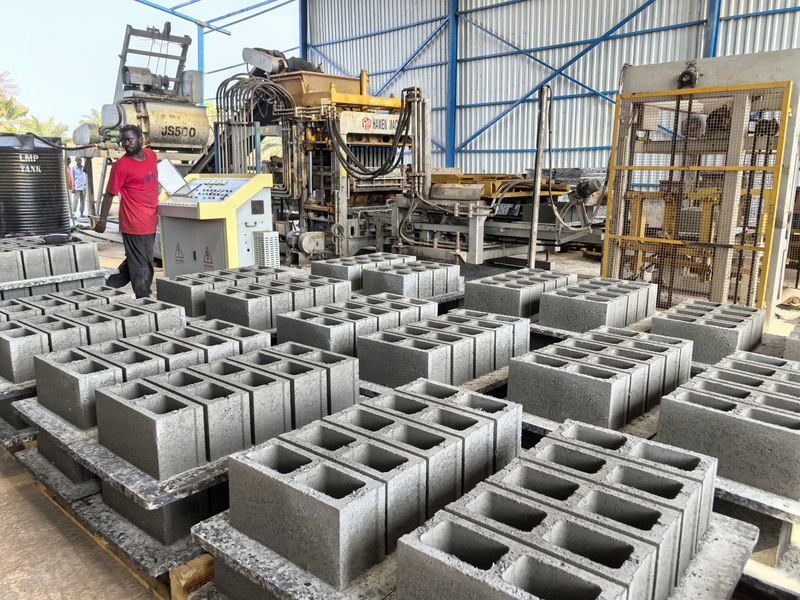
Reported hollow block sizes of 400 x 150 x 200 mm and 390 x 140 x 190 mm.
The published case does not identify the exact machine model or establish a common cavity count.
Confirm the outside dimensions, opening shapes, concrete wall sections and special edge features for each block. Identify which details of the previous mould must remain and which need revision. The existing installation provides useful evidence, but changes to height, cavity arrangement or pressing components still require a coordinated review of the new assembly.
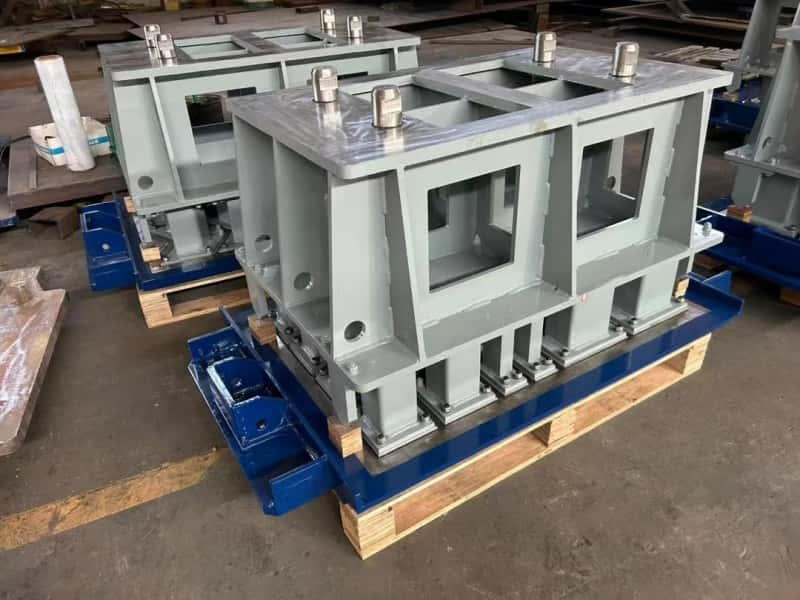
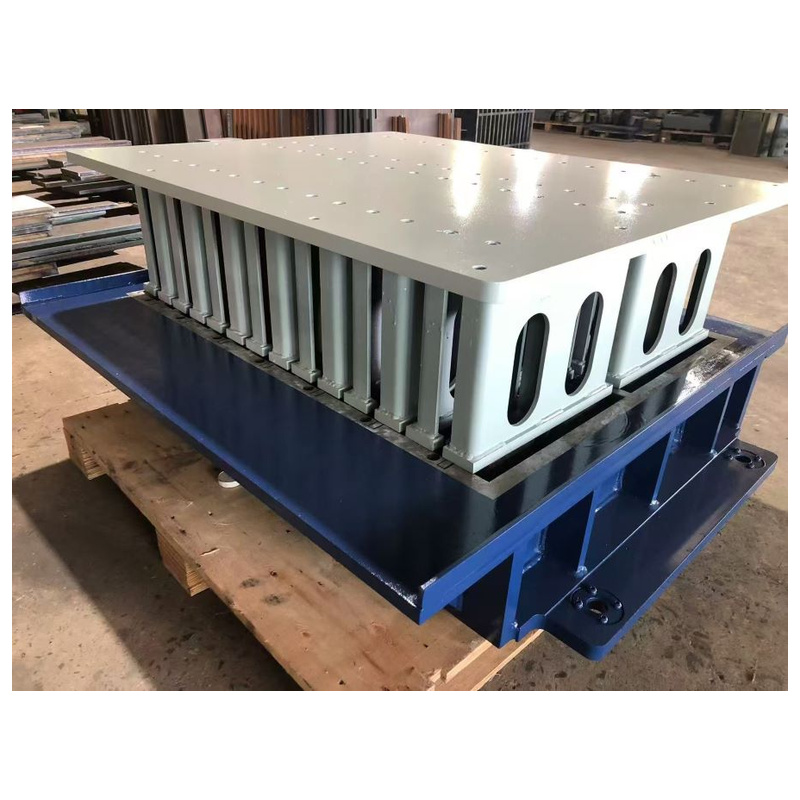
Supply the precise machine model, pallet dimensions, mounting positions, mould height and upper connections. The mould box establishes the outer shape, while cores and matching pressing elements form the openings and concrete sections. Their alignment and working clearances are reviewed together. The two block sizes in this case do not determine the pallet size or output of a different line.
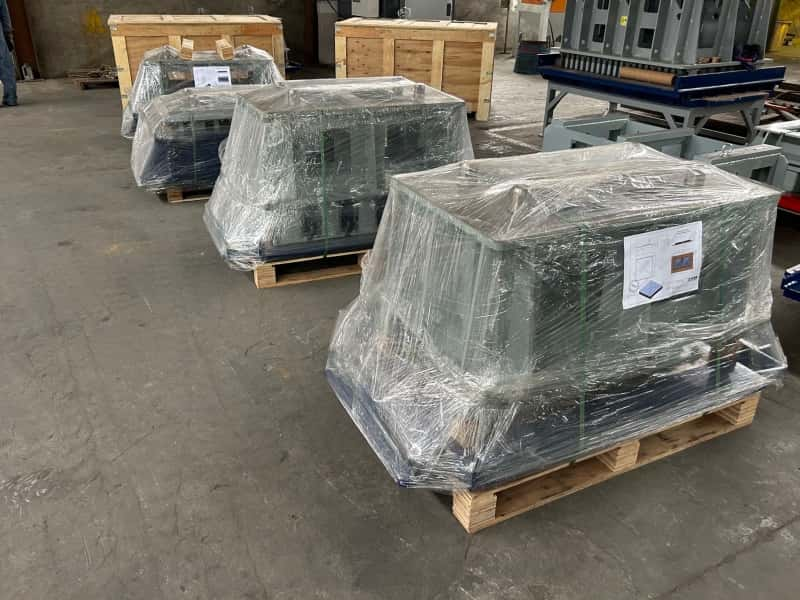
Agree dimensional, alignment and forming-surface checks against the approved drawings. Describe recurring defects, uneven wear or release problems and identify the affected cavity positions. The Guatemala case includes completed assemblies and wrapped moulds prepared for container transport. Define protection, support and identification requirements, then check the delivered condition and assembly specification before installation.
HAWEN can use these inputs to review the proposed tooling and agree the inspection and supply scope. The receiving machine and approved product geometry remain the basis of the next order.
Hollow blocks need coordinated cores, cavity walls and pressing elements. Grass pavers require the specified openings and concrete sections, while interlocking pavers and kerbs require their own outlines, heights and forming surfaces. Identify each product on a separate drawing with dimensions, edge details, surface requirements and preferred output.
Review machine identification, pallet dimensions, existing mould measurements, mounting positions and upper connections. The lower box and pressing assembly must be checked together for geometry, alignment and working clearances. Photographs can clarify installation features and the interfaces that replacement tooling must retain.
Explore Poyatos Mold for the available documented tooling examples.
Contact HAWEN with the approved product drawing and machine information for a review of the proposed mould configuration.
| Product Size | A: 400 × 150 × 200 mm; B: 390 × 140 × 190 mm (Guatemala order) |
| Height/Thick. | A: 200 mm; B: 190 mm (corresponding finished block heights) |
| Machine Brand | POYATOS |
| Product Type | Hollow blocks |
| Certification | CE, ISO |
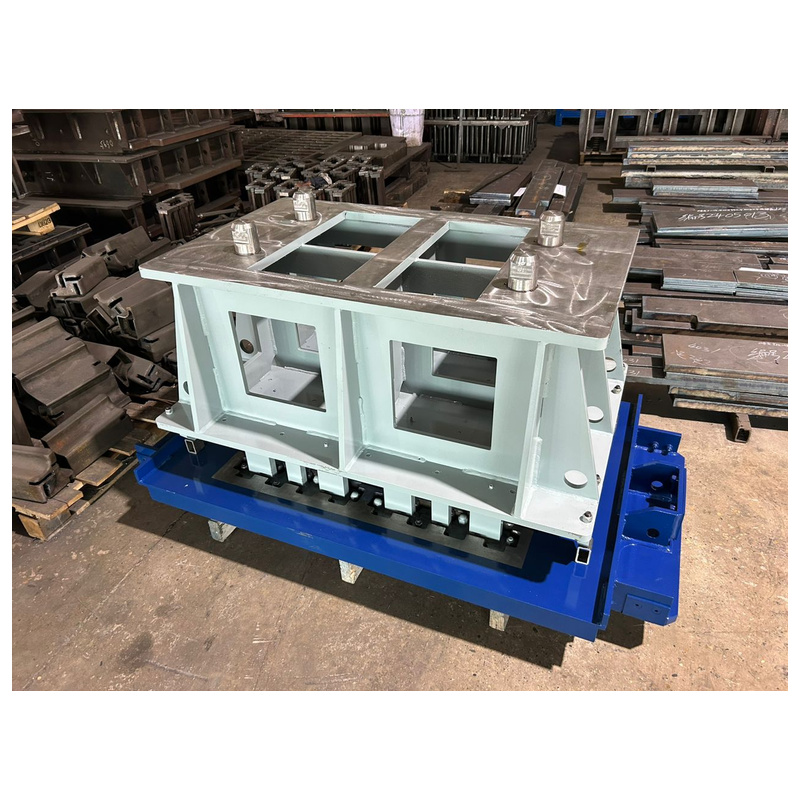
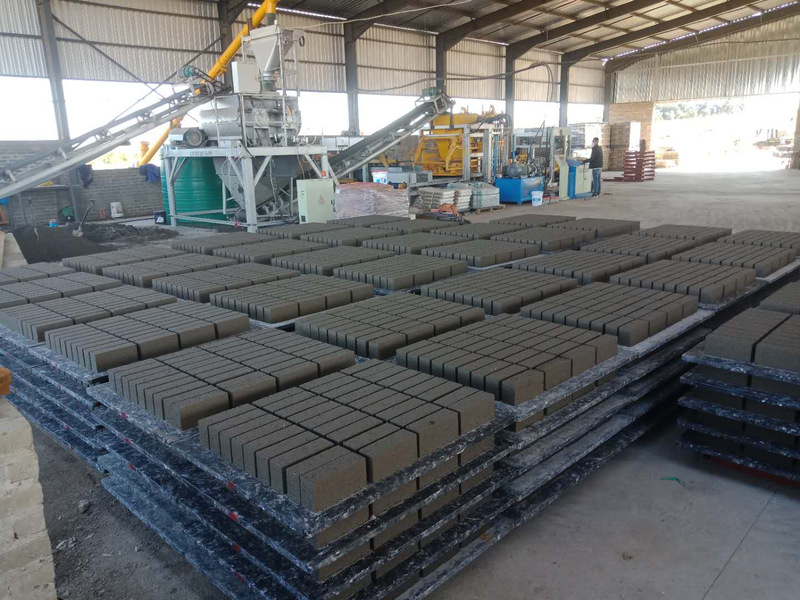
| Product Size | 400 × 200 × 80 mm (Poland grass-paver order) |
| Height/Thick. | 80 mm (finished paver thickness in this order) |
| Cavities/Cycle | 8 pieces per cycle (400 × 200 × 80 mm grass pavers) |
| Machine Brand | POYATOS |
| Machine Model | Novabloc |
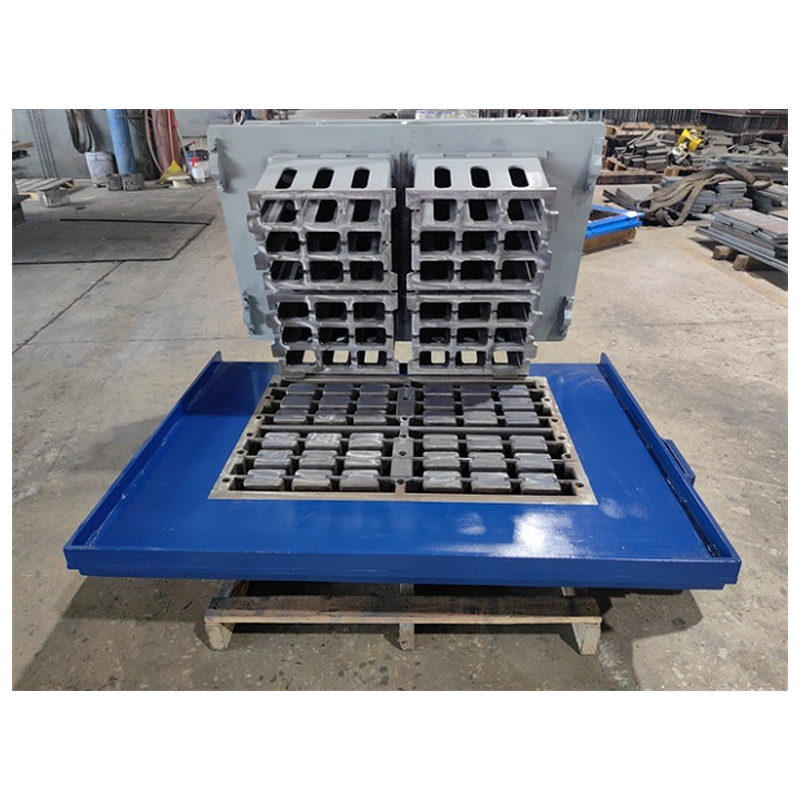
| Machine Brand | POYATOS |
| Machine Model | Novabloc |
| Product Type | Concrete products according to approved drawings |
| Certification | CE, ISO |
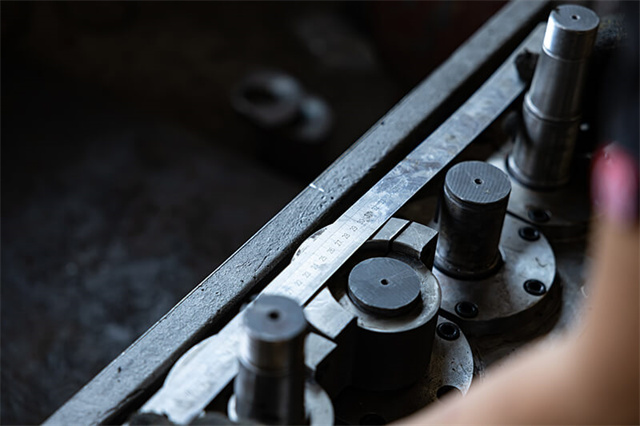
Understand how a finished block drawing becomes a mould discussion, from core geometry and product orientation to the design questions that should be settled before manufacture.
Read moreEvaluate the connection between mould machining and assembly, with practical questions about drawing revisions, mating components and the manufacturing records relevant to your order.
Read more
 Tel: +8618359454595
 Email: sale@hwmachines.com
 MP/WhatsApp: +8618359454595
 Manufacturer Address:Nanan, Quanzhou City, Fujian Province, China