
 Machine Brand
 Machine Model
 Certification
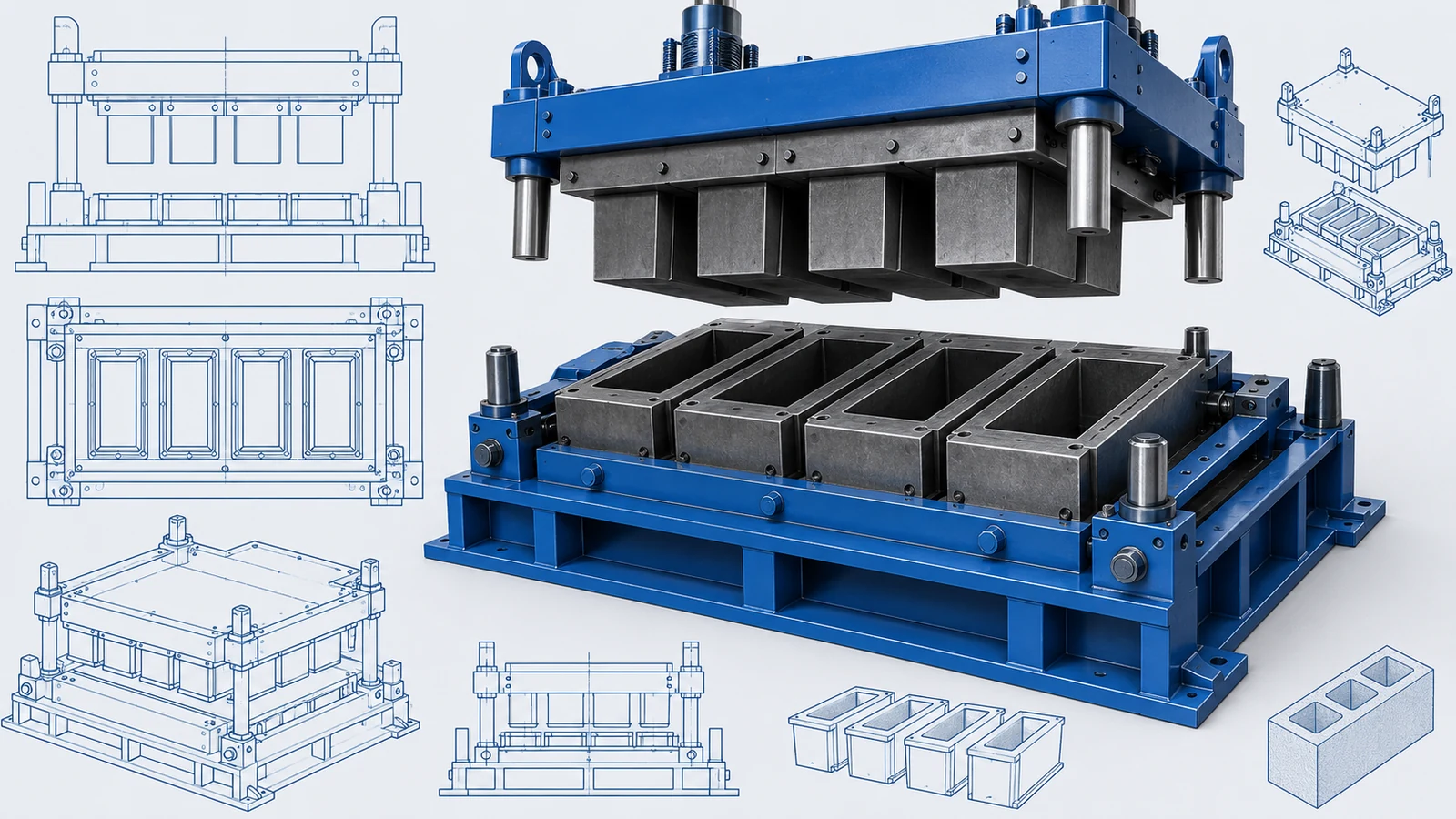
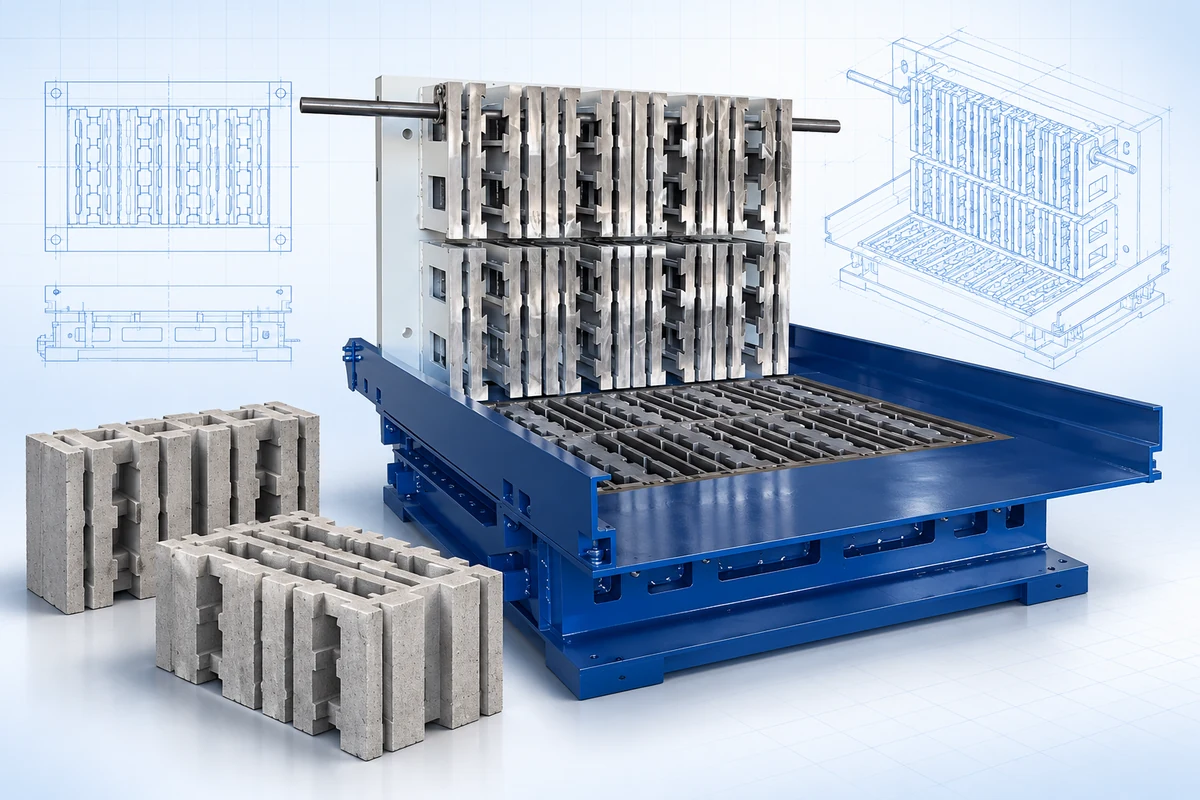
Drawing-Driven Mould Design Starts with the Finished Block
Understand how a finished block drawing becomes a mould discussion, from core geometry and product orientation to the design questions that should be settled before manufacture.
Read more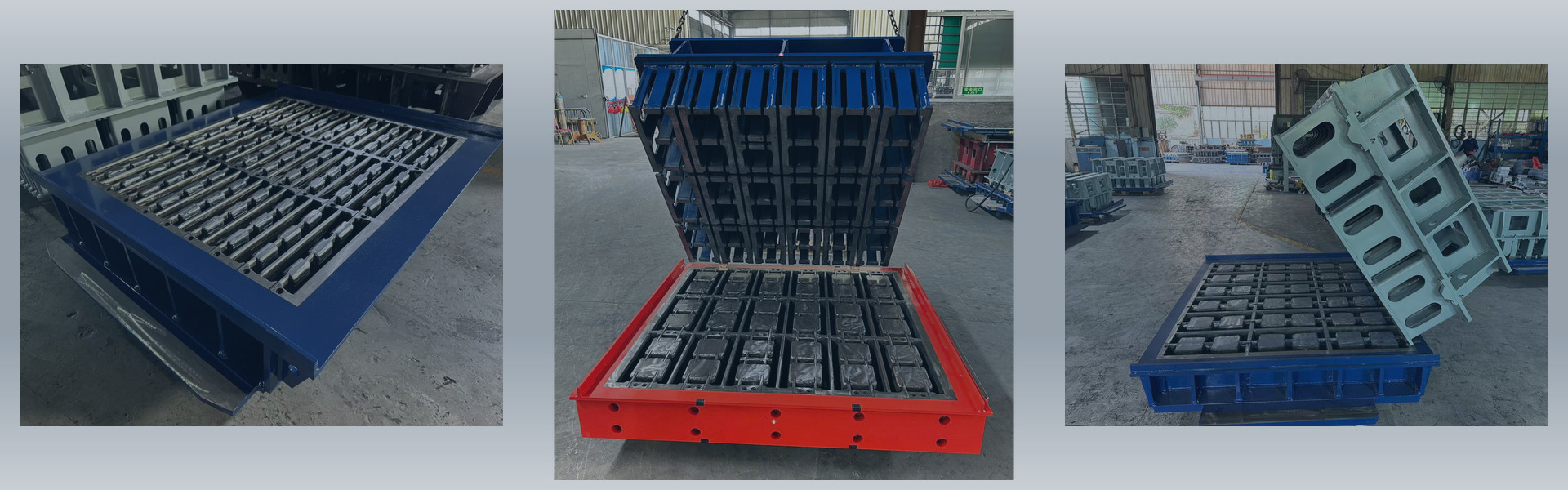
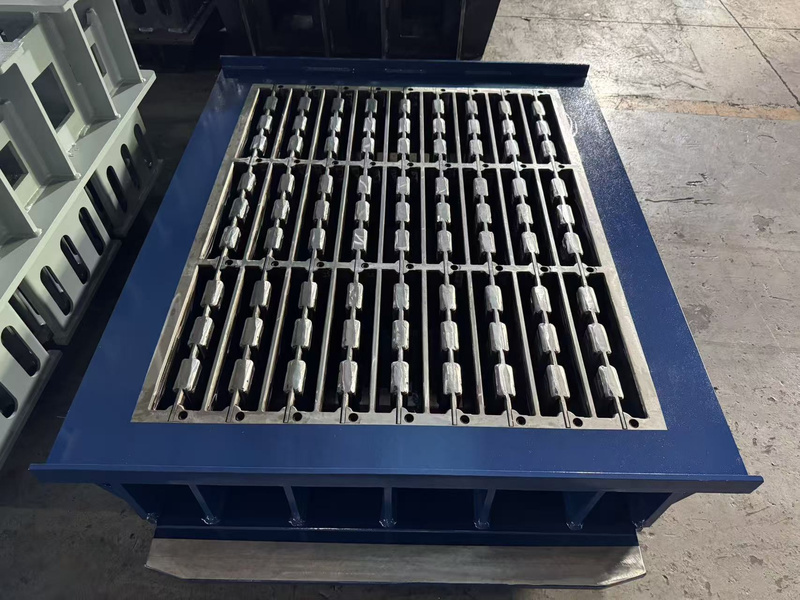
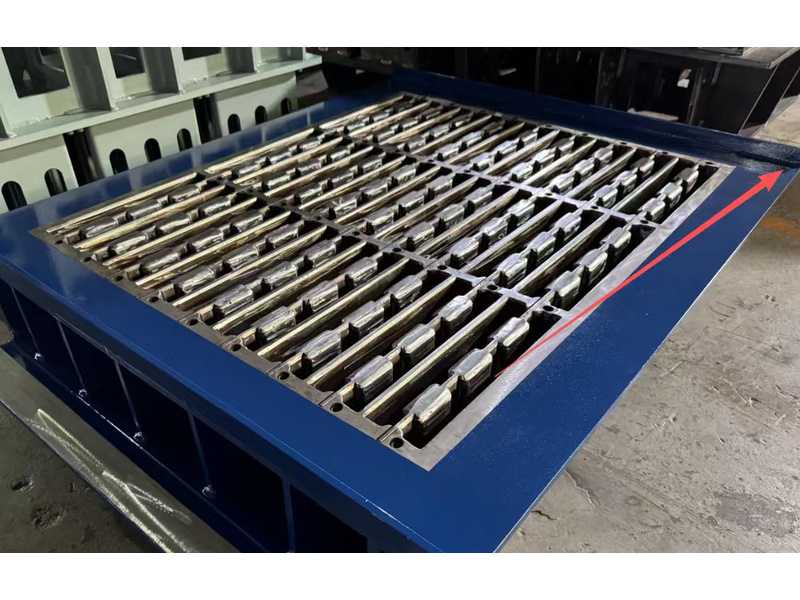
| Machine Brand | HESS |
| Machine Model | RH1500 |
| Product Type | Hollow blocks |
| Certification | CE, ISO |
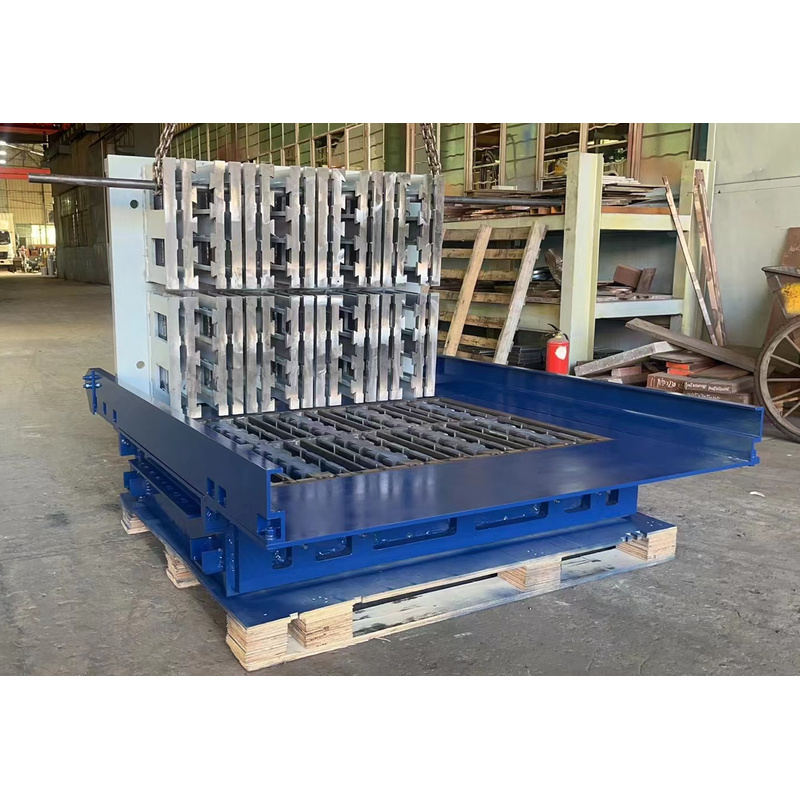
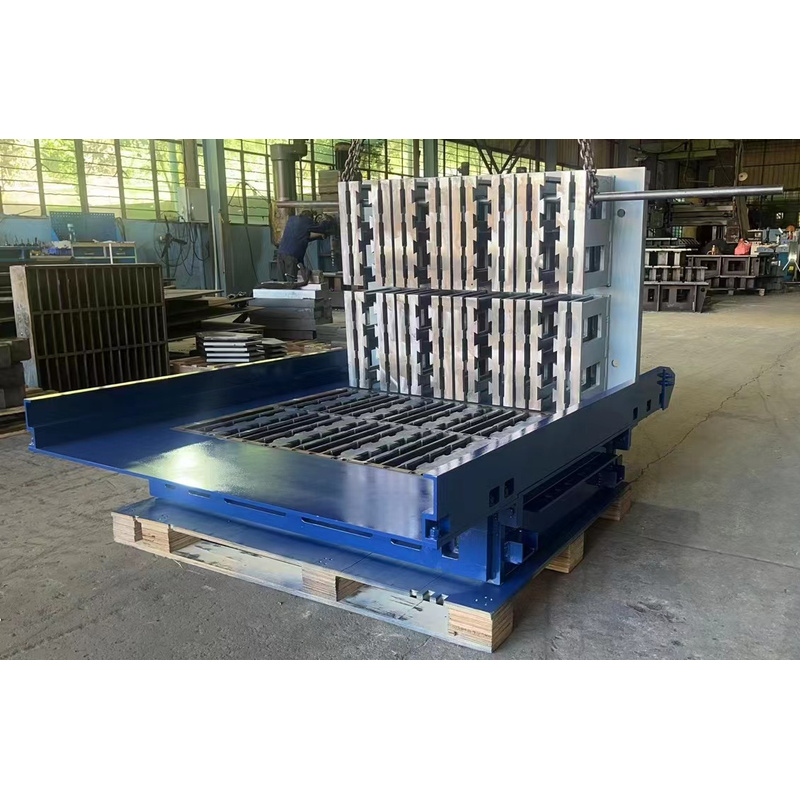
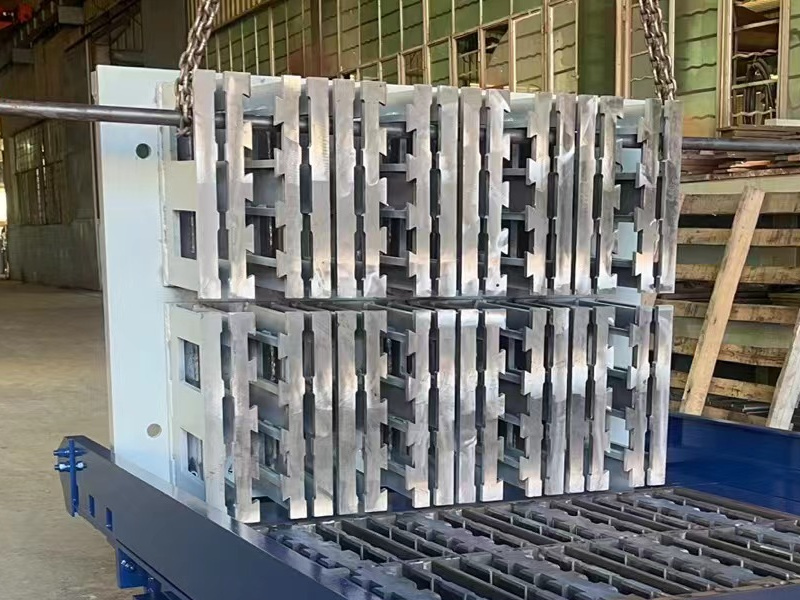
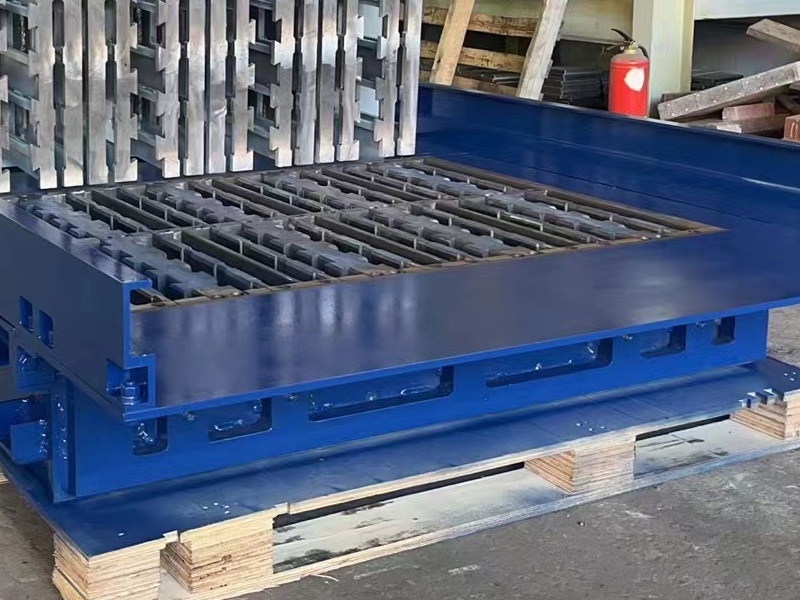
| Machine Brand | HESS |
| Machine Model | HYDROMAT BF 80 |
| Product Type | Thermal blocks |
| Certification | CE, ISO |
Understand how a finished block drawing becomes a mould discussion, from core geometry and product orientation to the design questions that should be settled before manufacture.
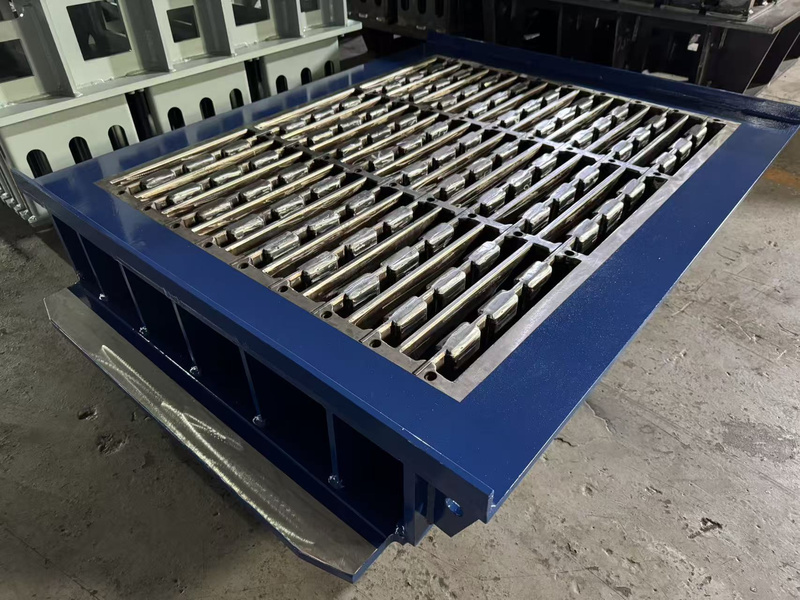
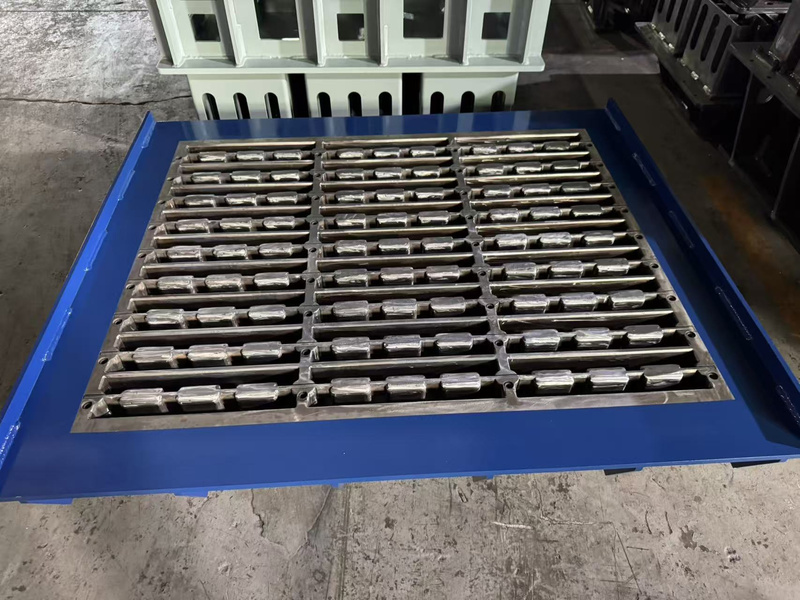
Read moreA machine brand name is only the beginning of a fit review. Learn which mounting, locating and movement details to discuss when evaluating a mould proposal for an existing line.
Read morePrepare your product and machine information. Let’s review the tooling.
Send the finished block drawing and dimensions, machine brand and model, pallet dimensions and the mould mounting details. For a replacement, include photos or drawings of the existing mould.
The review connects the block design with the receiving machine, pallet, mounting arrangement and available forming space. Share the relevant machine and mould drawings so the interfaces can be checked before a proposal is confirmed.
Select your project purpose and describe the current tooling or the block shape you want to produce. Existing mould photos and a dimensioned product drawing help the team identify the information still needed.
Confirm the approved block drawing, cavity arrangement, machine interfaces and agreed mould specification. Include any project changes in the enquiry so the proposal can be reviewed against the latest requirements.
 Tel: +8618359454595
 Email: sale@hwmachines.com
 MP/WhatsApp: +8618359454595
 Manufacturer Address:Nanan, Quanzhou City, Fujian Province, China