
Concrete Block Molds
Hollow Block Mold
Solid Block Mold
Solid Brick Mold
Interlocking Block Mold
Thermal Block Mold
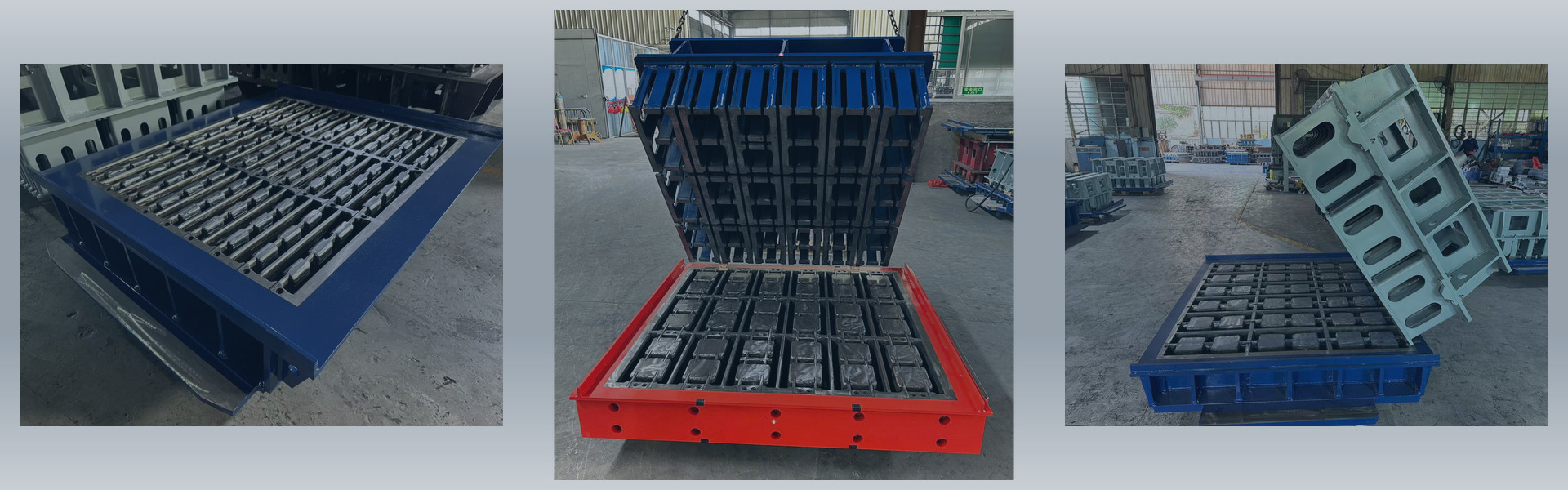
This UAE project supplied thermal insulation block moulds for a HESS HYDROMAT BF80 production setup.
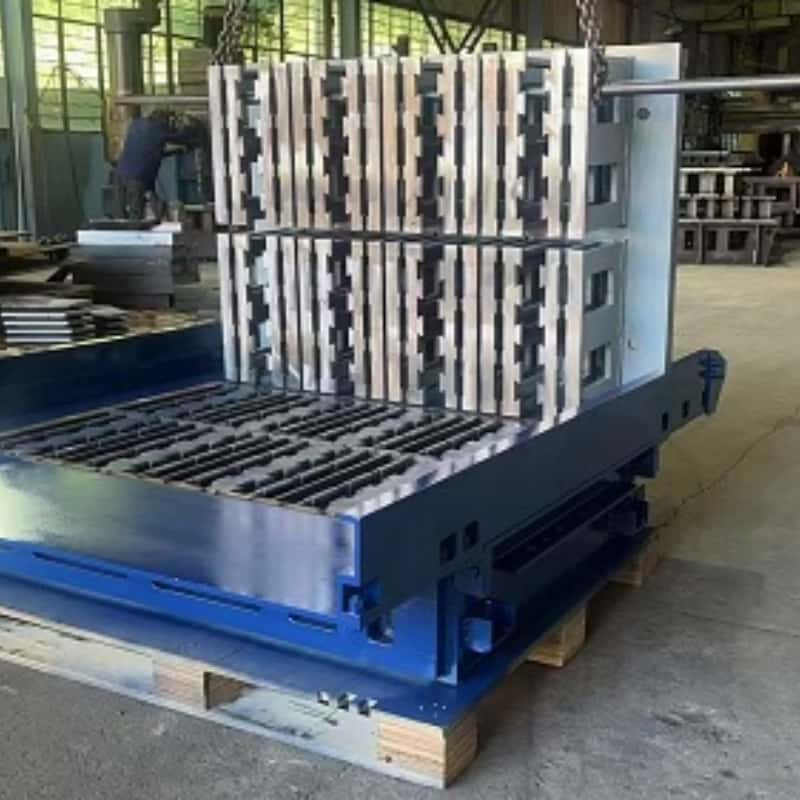
A concrete product manufacturer in the United Arab Emirates wanted to produce thermal insulation blocks using its existing HESS HYDROMAT BF80 egg-laying machine. The project required more than a standard hollow block mould because the finished product was intended for a specific building application and had to be manufactured reliably on the customer’s established equipment.
Thermal insulation blocks are particularly relevant in markets where buildings are exposed to high temperatures for much of the year. Their design can support improved thermal performance in external walls while allowing concrete product manufacturers to serve a more specialized segment of the construction market.
For this customer, the practical challenge was to introduce the new block without replacing the existing production machine. The mould therefore had to reflect both the required block design and the mechanical conditions of the HESS BF80.
HAWEN reviewed the machine configuration and the customer’s product requirements before preparing the mould solution. Compatibility was a central consideration because the mould had to work within the operating structure of an egg-laying machine while forming the required thermal insulation block geometry.
The design process focused on the mould dimensions, forming areas and connection details that influence installation, material filling, compaction and demoulding. These elements need to work together correctly; otherwise, even an accurately drawn block profile may not perform consistently in production.
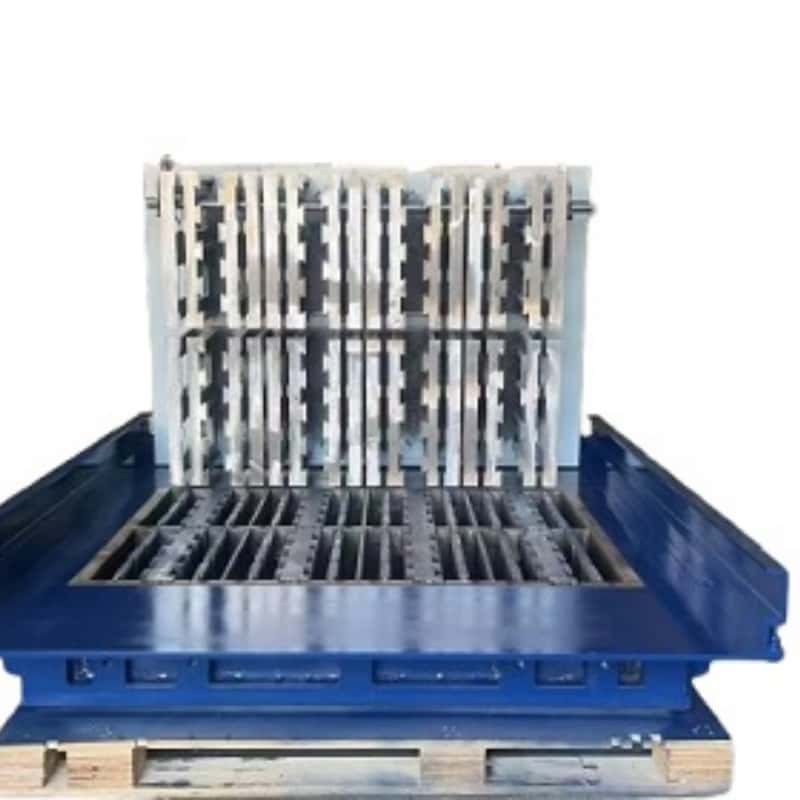
Technical details were confirmed with the customer before manufacturing began. This reduced the risk of producing a mould that matched the block drawing but did not properly correspond with the machine.
The completed moulds provided the UAE customer with a practical route to manufacture thermal insulation blocks on its HESS BF80. Instead of treating the mould as an independent steel component, HAWEN developed it as part of the customer’s complete forming process.
This case illustrates how customized mould engineering can help an established concrete producer respond to new construction requirements. A suitable mould allows the producer to expand its product range while continuing to use familiar production equipment.
For manufacturers considering a specialized block, the starting point should be a review of the block design, machine model and actual operating conditions. When these factors are confirmed together, the mould can be developed around the production line rather than relying on a generic design.
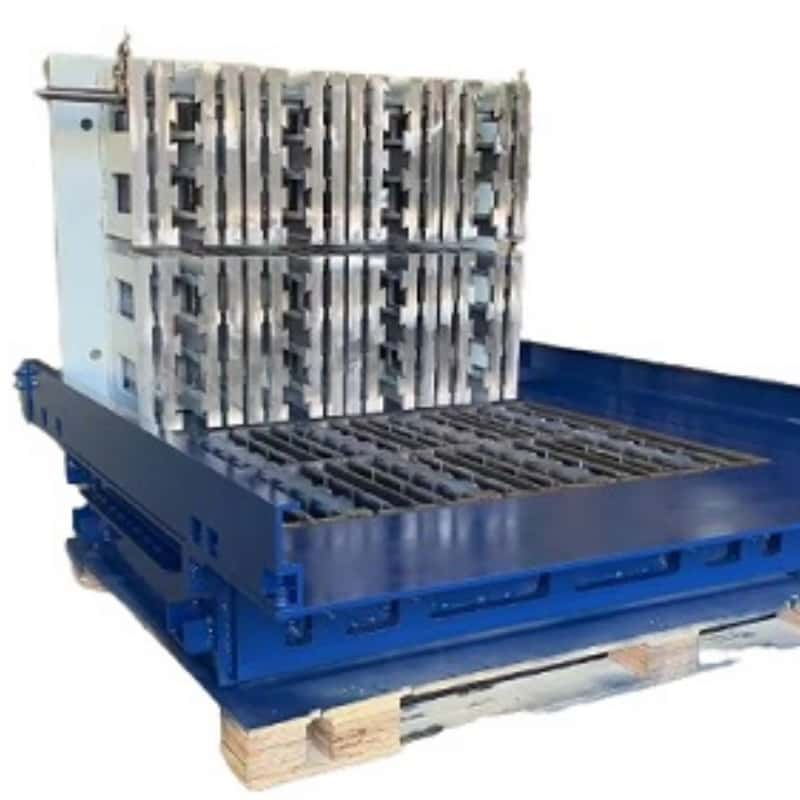
Review more Hess mould cases or contact HAWEN with your block drawing, machine model and pallet size.


 Tel: +8618359454595
 Email: sale@hwmachines.com
 MP/WhatsApp: +8618359454595
 Manufacturer Address:Nanan, Quanzhou City, Fujian Province, China