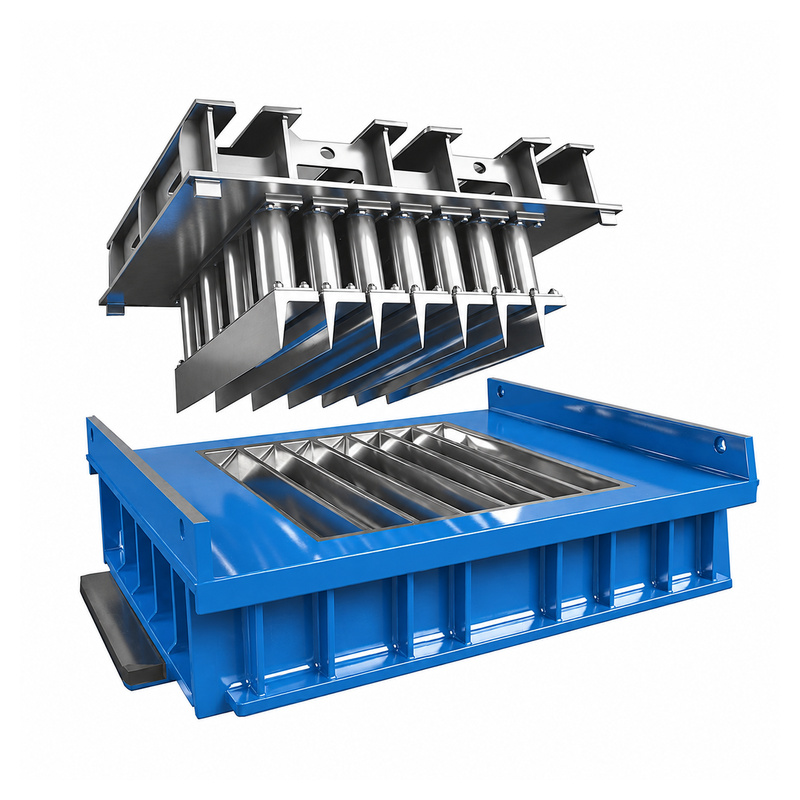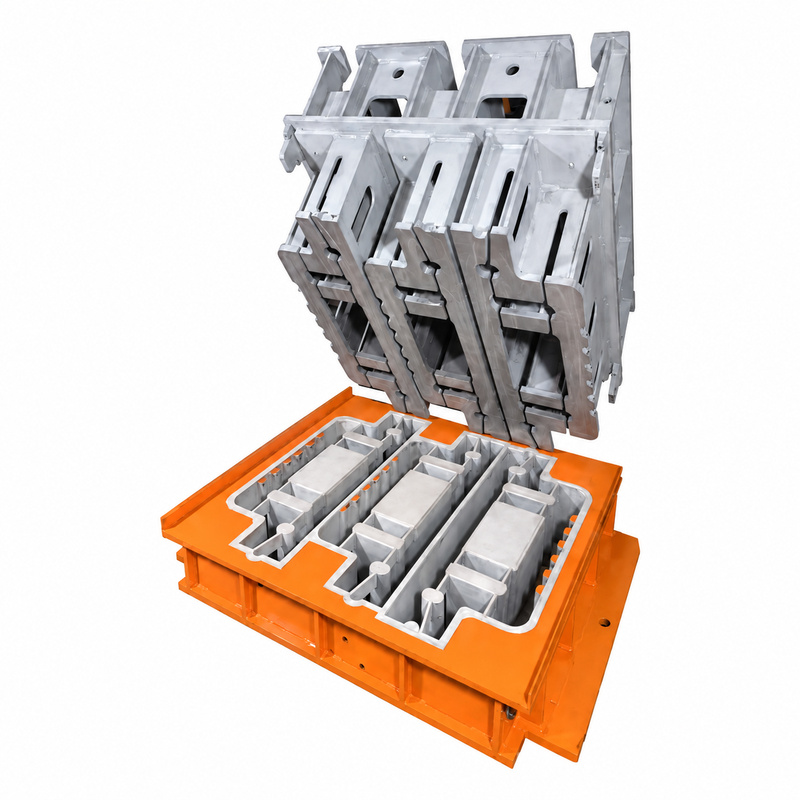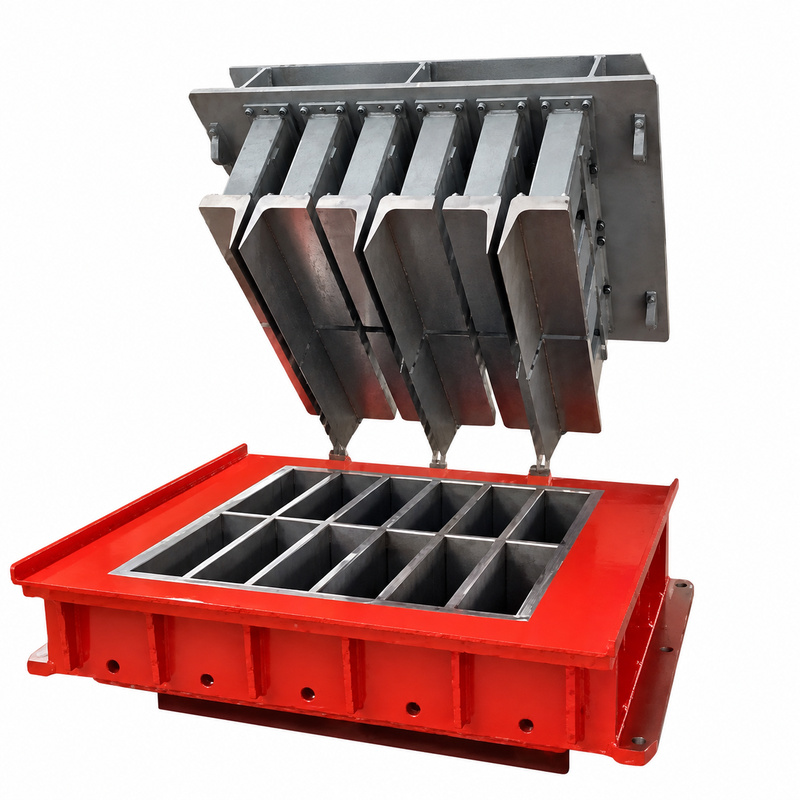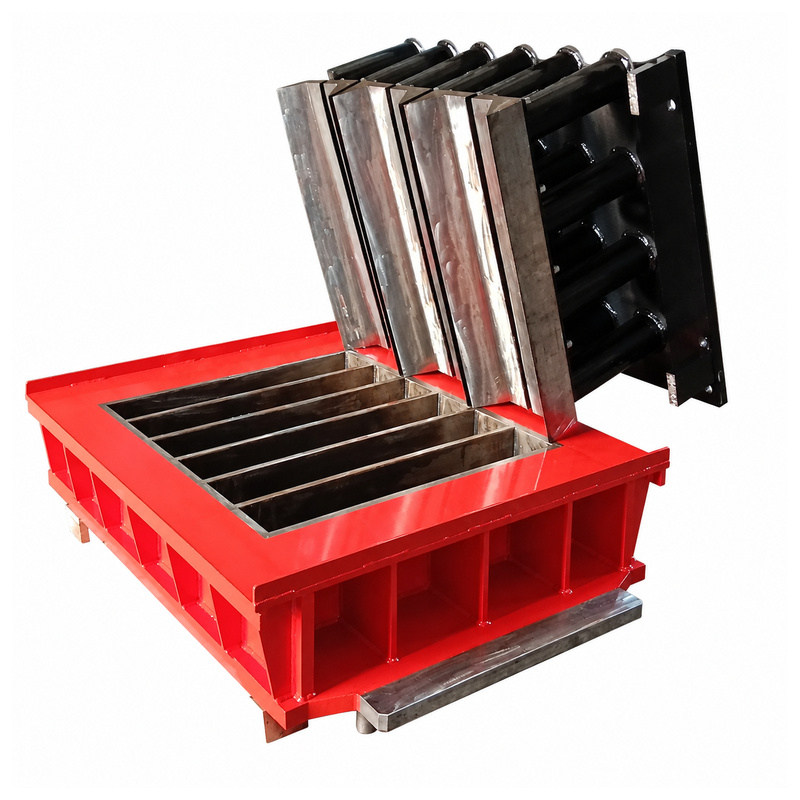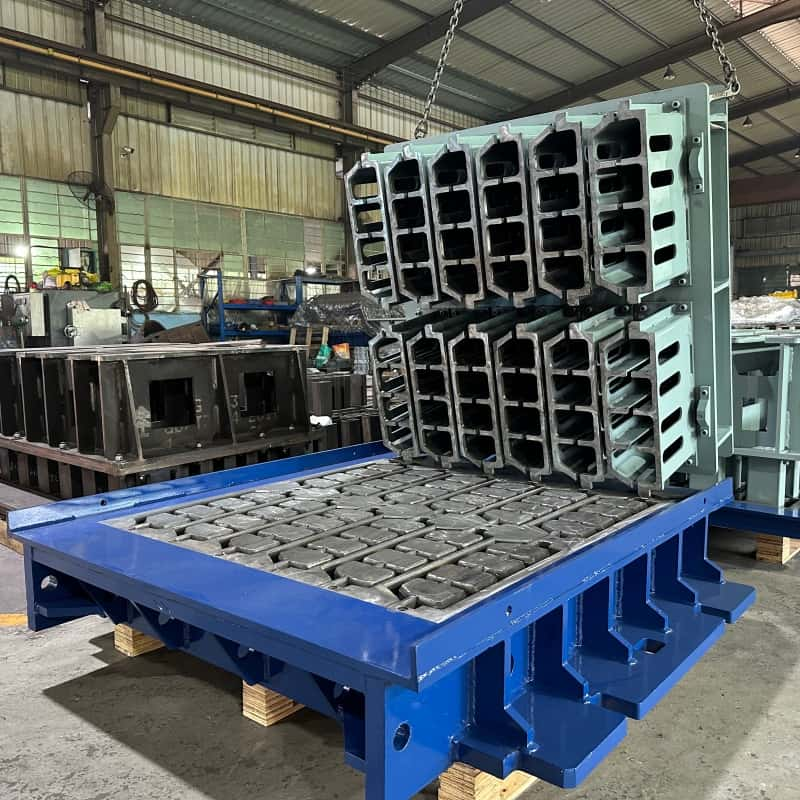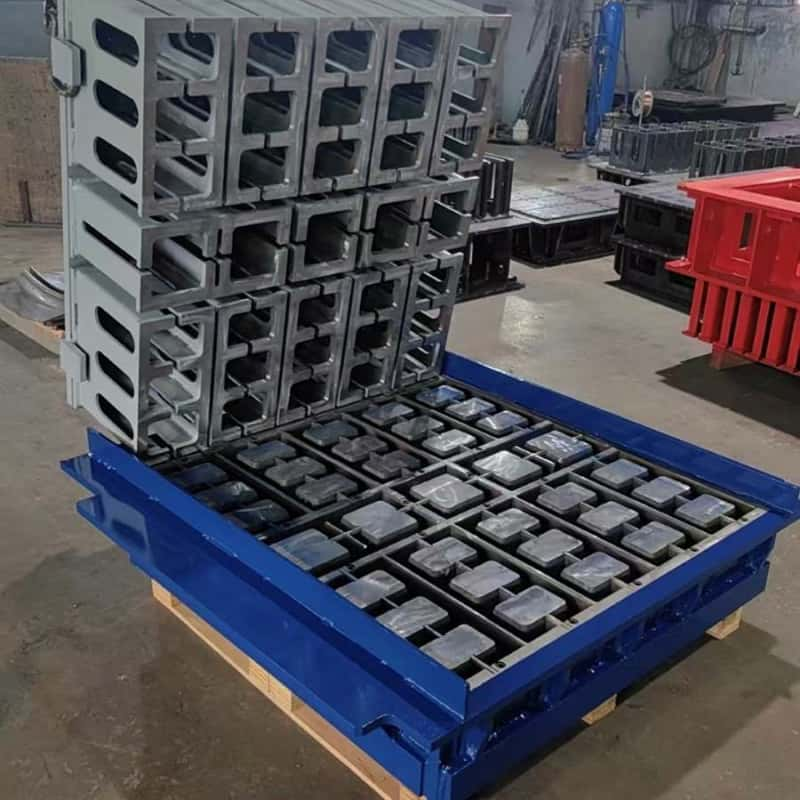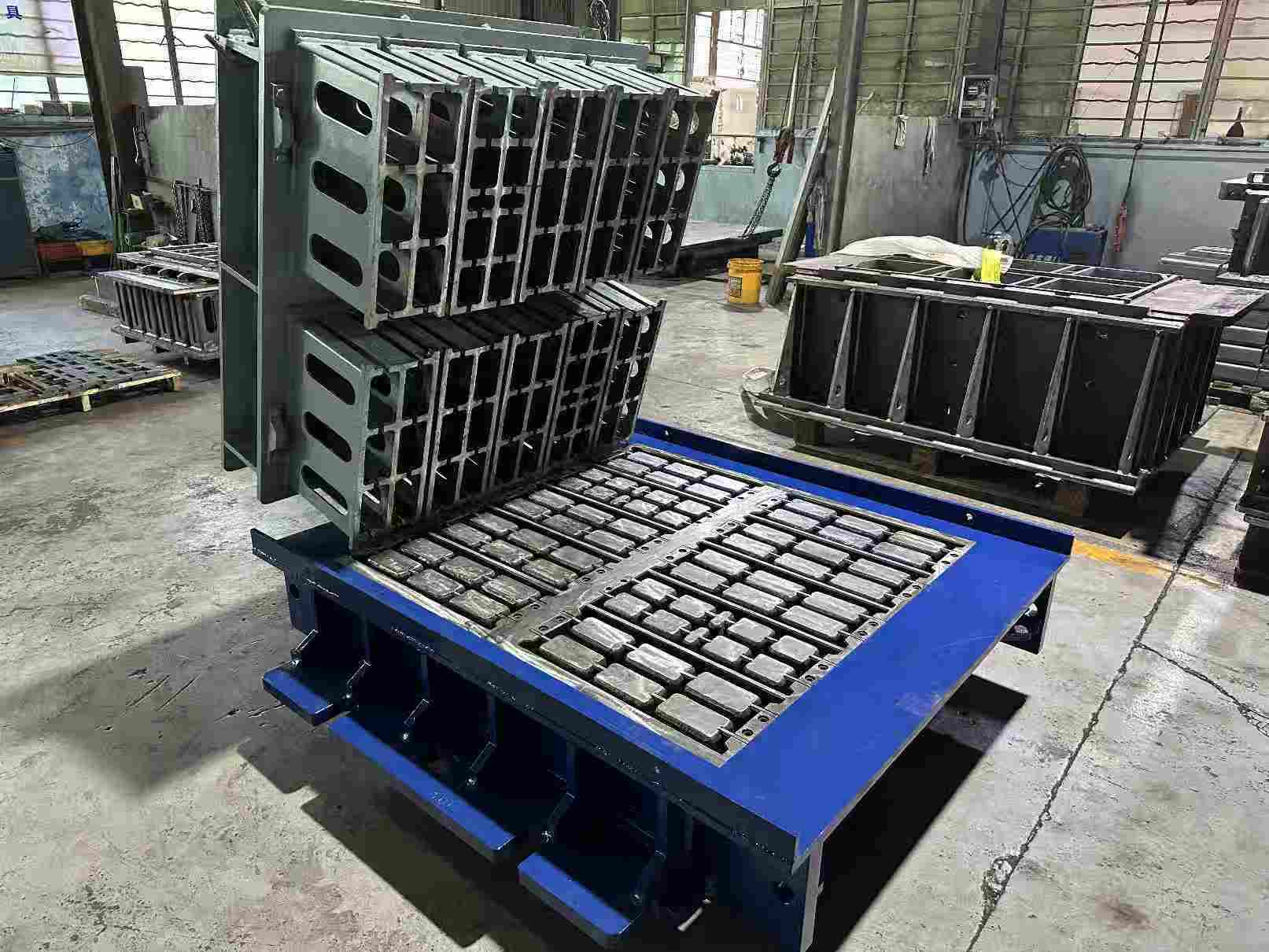
Concrete Block Molds
Hollow Block Mold
Solid Block Mold
Solid Brick Mold
Interlocking Block Mold
Thermal Block Mold
Author:HAWEN Block Mould Manufacturer TIME:2026-11-09
Two different strength figures can come from the same maximum load when they use different cross-sectional areas. Before ranking hollow-block trial reports, check whether the figures are expressed on net or gross area and whether their specimens have a comparable basis. A larger printed stress is not enough to show that one trial product performed better.
Assume a teaching example supplies a maximum load of 120,000 N, a reported net area of 10,000 mm² and a reported gross area of 20,000 mm². These are invented values already given for the exercise, not dimensions extracted from a drawing or a real laboratory report.
The load has not changed. The second area is twice the first, so the corresponding quotient is half as large. Comparing 12 with 6 without naming the area basis would hide that relationship.
Net and gross areas answer different geometric questions in a hollow unit. The CMHA discussion of concrete masonry testing distinguishes these areas and the compressive-strength values calculated from them. It also describes the laboratory basis used to establish the applicable net area.
That is a reason to read the report's area designation, rather than replace it with an estimated solid patch in a top-view photograph. Openings can vary through a unit. The applicable laboratory method and specimen information determine the report basis; an attractive section drawing does not establish that measured result.
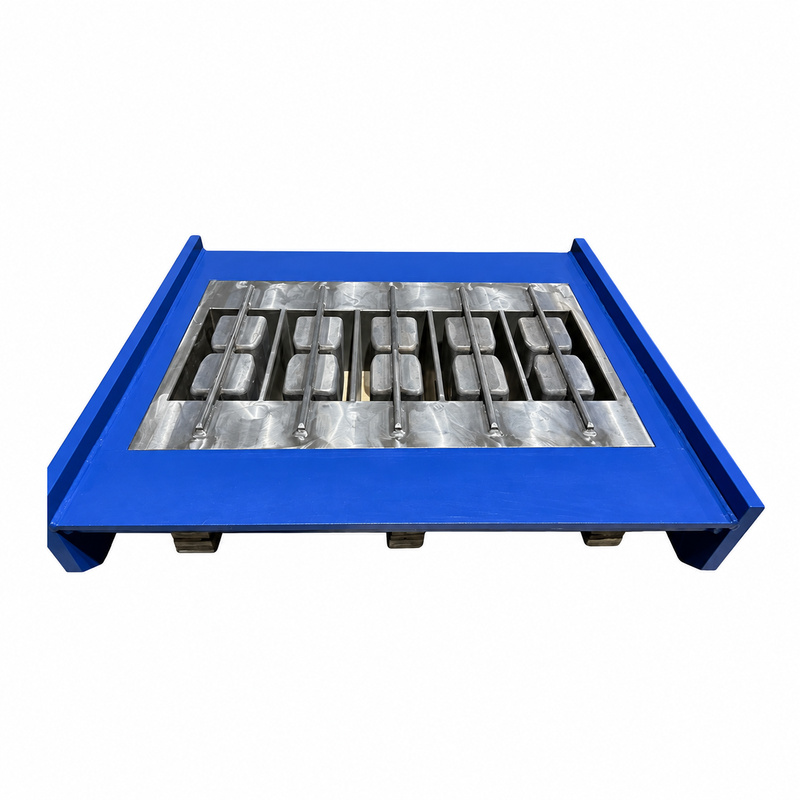
Keep geometric design calculations separate. Subtracting ideal opening volumes from a fully defined block may be useful for a drawing study. It does not automatically produce the net area to insert into a certified test report. A similar-looking number can describe a different determination.
Also retain the units. Force divided by area is a stress, but its numerical value depends on the units used for both. The example deliberately uses newtons and square millimetres throughout. A report using another consistent system needs an explicit unit conversion before its number is compared, without changing its physical area or specimen basis.
The teaching example explains why two quotients differ. It does not show that two actual products are equivalent. Separate trial reports can involve different specimens, different preparation or a different stated testing context as well as different area labels.
Where a product requirement names one area basis, keep that basis attached to the requirement. Selecting the lower quotient because it looks conservative, or the higher one because it looks impressive, bypasses the specified question. A conversion may explain a relationship between reported quantities while leaving the applicable acceptance criterion unchanged. The responsible product assessment must compare the required metric with evidence expressed on that metric's actual basis.
Suppose one document reports a value for a whole unit and another describes a modified specimen. Even after the units and area designations are understood, those results cannot simply be ranked as though the objects were identical. The testing laboratory should explain the applicability of each result to the question being asked.
A report may also summarise several determinations. Do not reconstruct its official result by dividing a convenient average load by an independently selected average area unless the applicable calculation basis supports that operation. Arithmetic performed on a summary can differ from the report's prescribed specimen-by-specimen treatment.
If both net and gross results are expressly labelled in one account, their different numbers need not be a contradiction. Preserve both labels when carrying the figures into a comparison sheet. A column headed only “strength” would erase information that the laboratory had already supplied.
The official ASTM C140/C140M family scope includes concrete masonry sampling and subjects such as dimensions, compressive strength and density. Its public scope is useful for identifying what the method concerns; it is not the complete procedure. An order-specific report needs the applicable method reference and the laboratory's actual specimen and calculation information.
HAWEN's hollow-block tooling information separates product-performance assessment from the mold's geometric definition. A tooling dimension being accepted does not resolve how these two product reports should be compared. Conversely, a report-reading mismatch does not establish that a cavity or core is wrong.
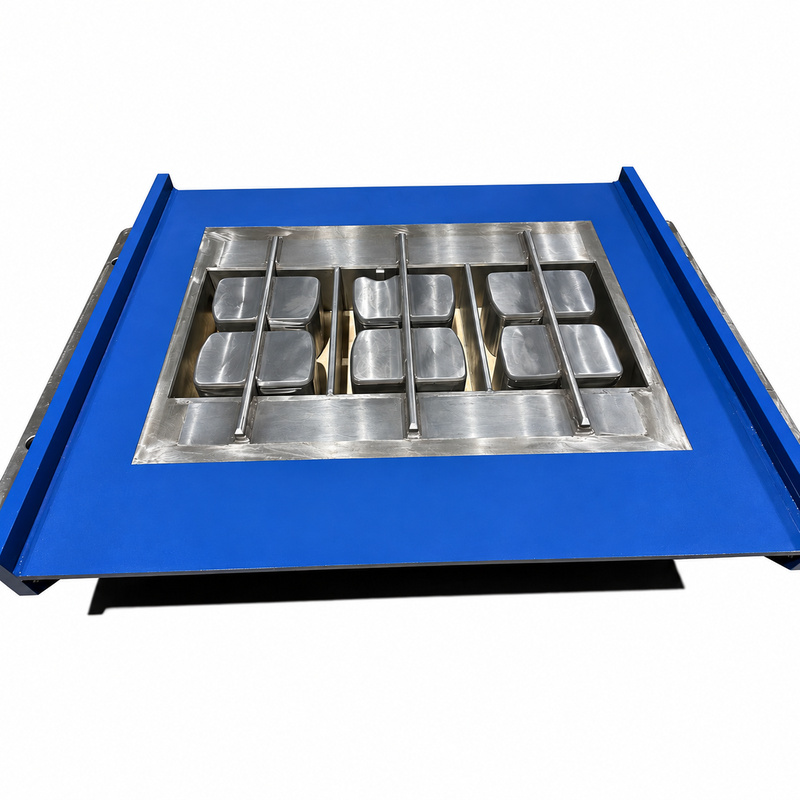
These are report-reading outcomes, not acceptance grades. They select the next legitimate comparison rather than invent a required strength, infer a wall load or certify compliance with a product standard.
For a mold-development discussion, keep the intended product section and the actual tested specimen connected but distinct. The useful clarification is specific: which area basis produced the quoted stress, what specimen did it describe, and can that result answer the proposed comparison? Once those references are settled, the responsible product assessment can proceed without confusing a change of denominator with a change of performance.
Source context: CMHA masonry-unit testing discussion explains the area and calculation distinctions. The ASTM C140/C140M public scope identifies method subjects; neither link is presented here as a complete current testing procedure.

 Tel: +8618359454595
 Email: sale@hwmachines.com
 MP/WhatsApp: +8618359454595
 Manufacturer Address:Nanan, Quanzhou City, Fujian Province, China