Concrete Block Molds
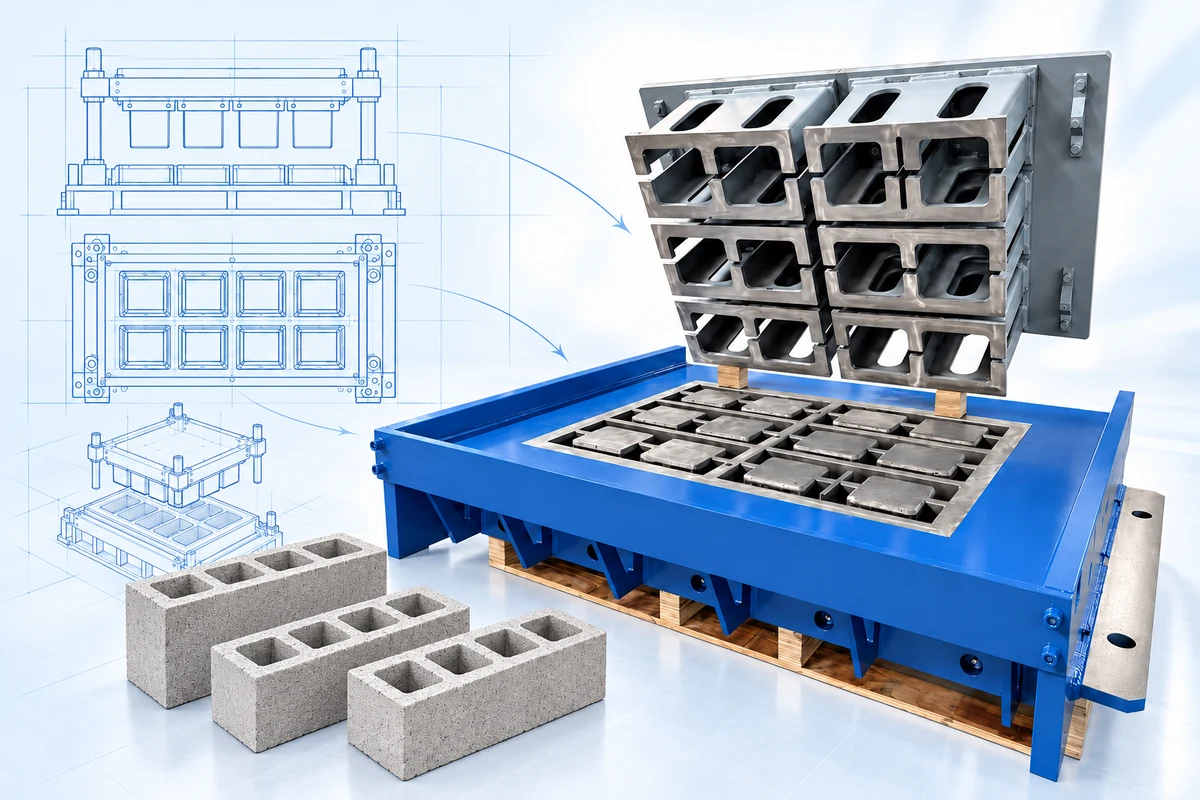
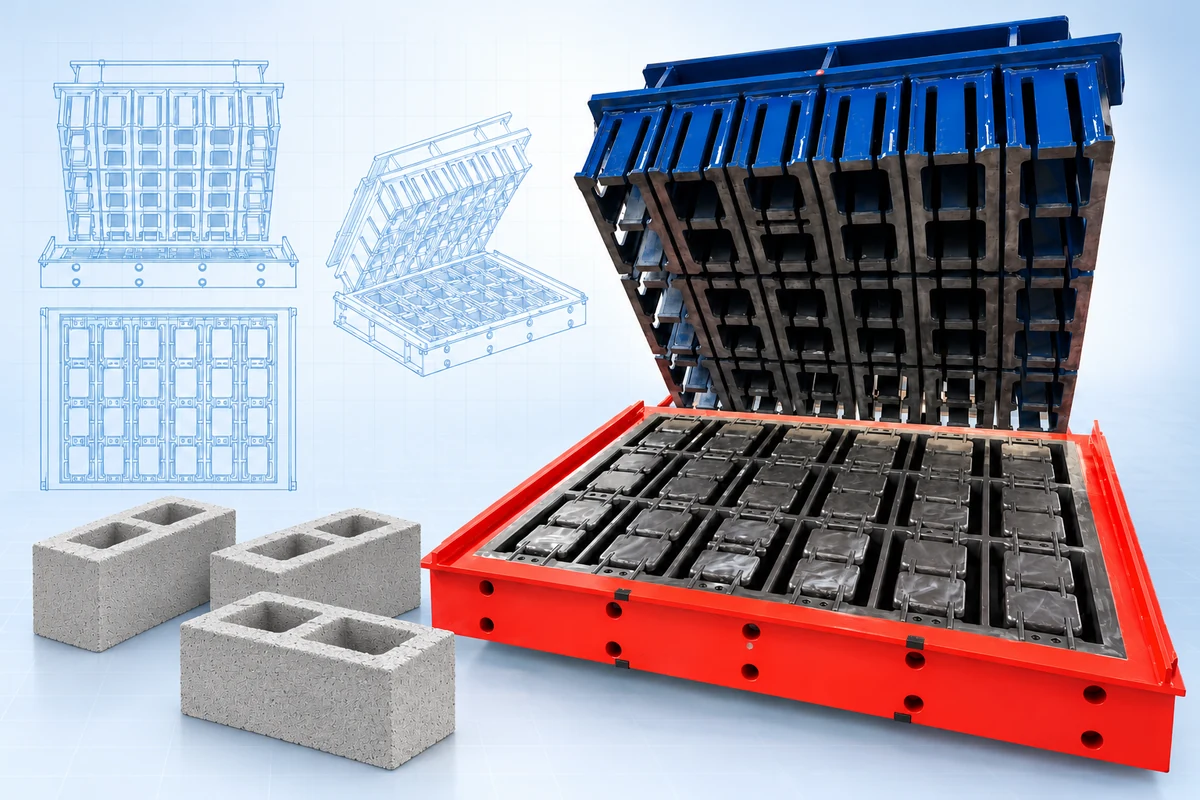
Hollow Block Mold
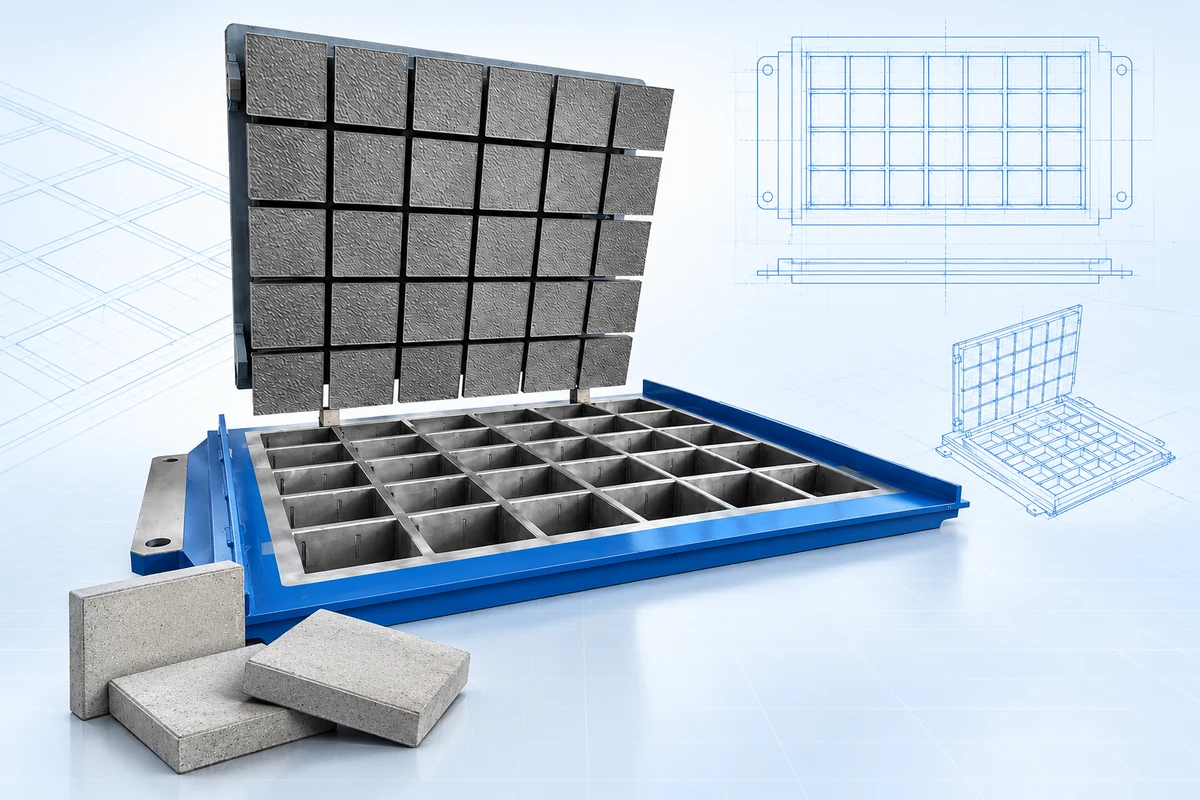
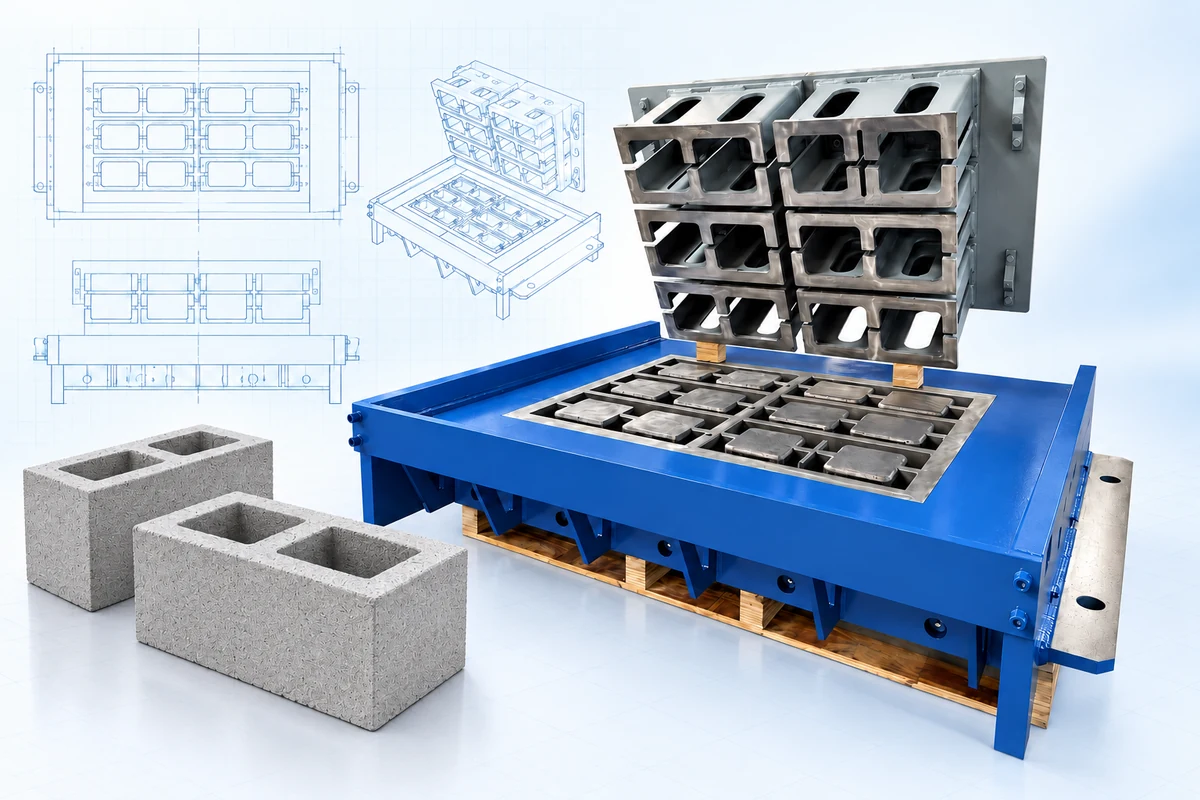
Solid Block Mold
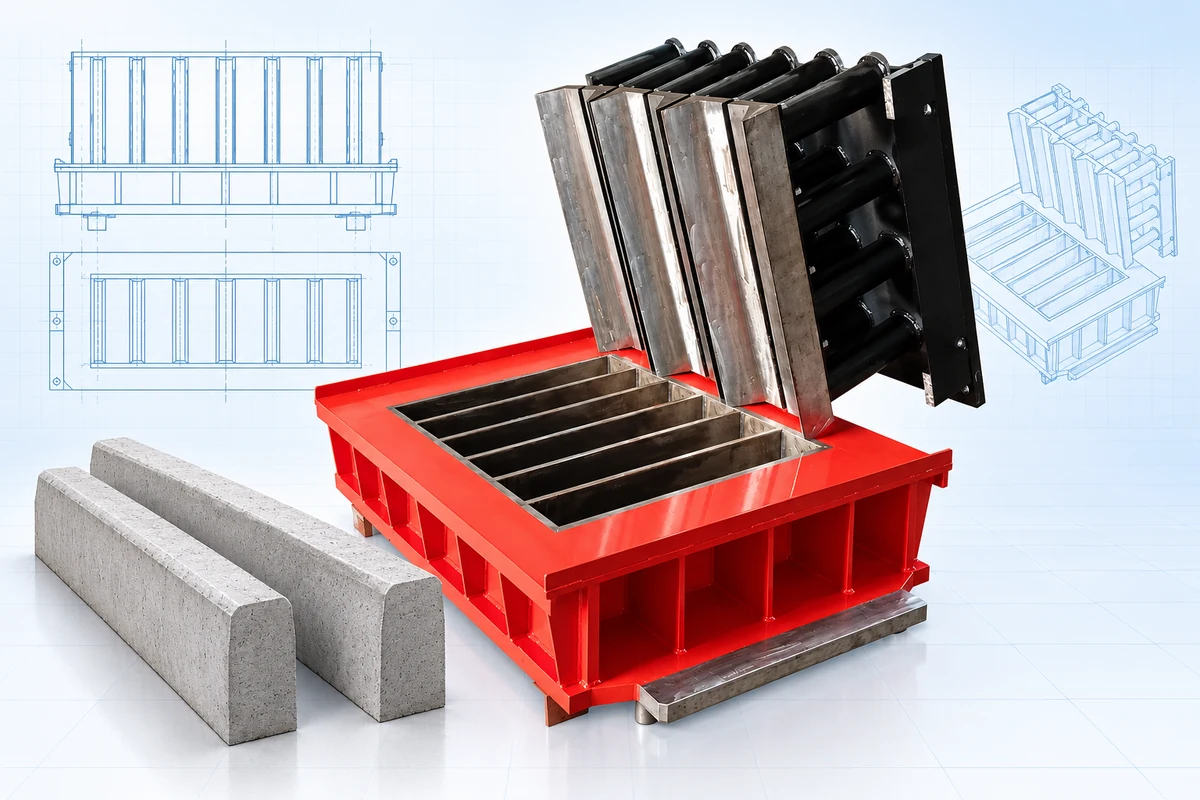
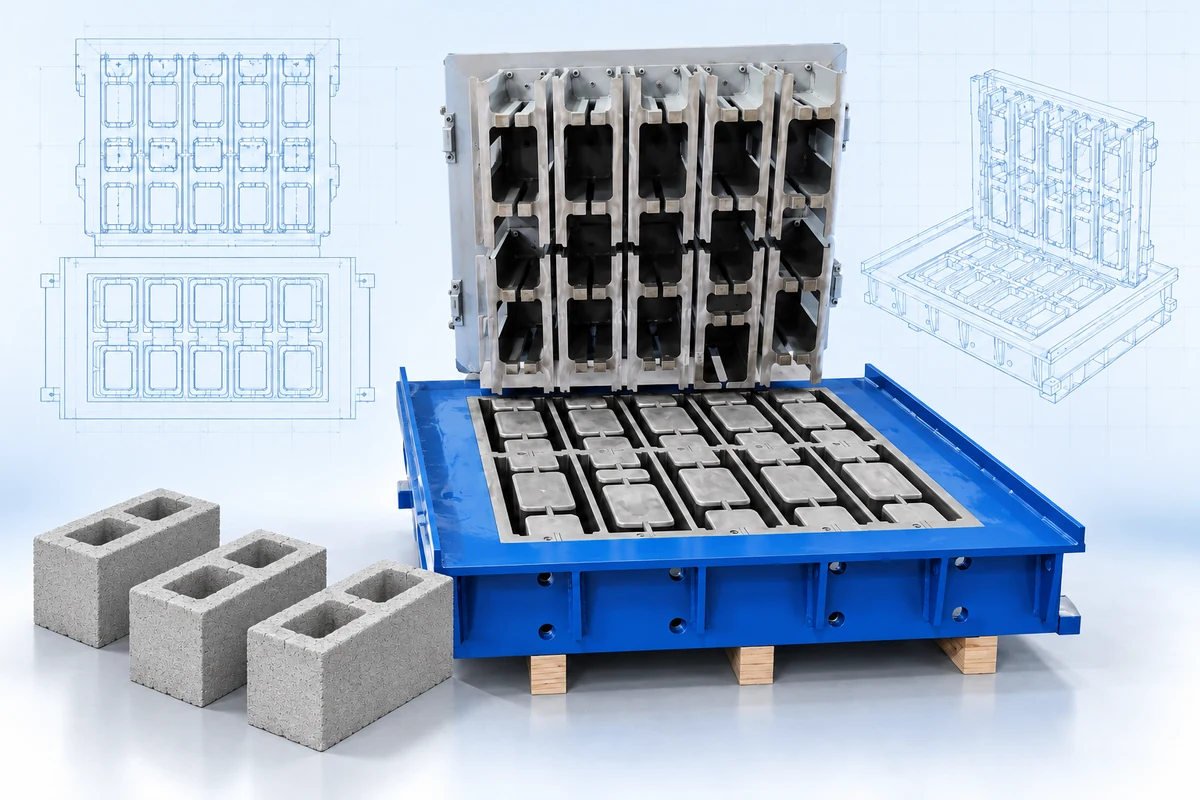
Solid Brick Mold
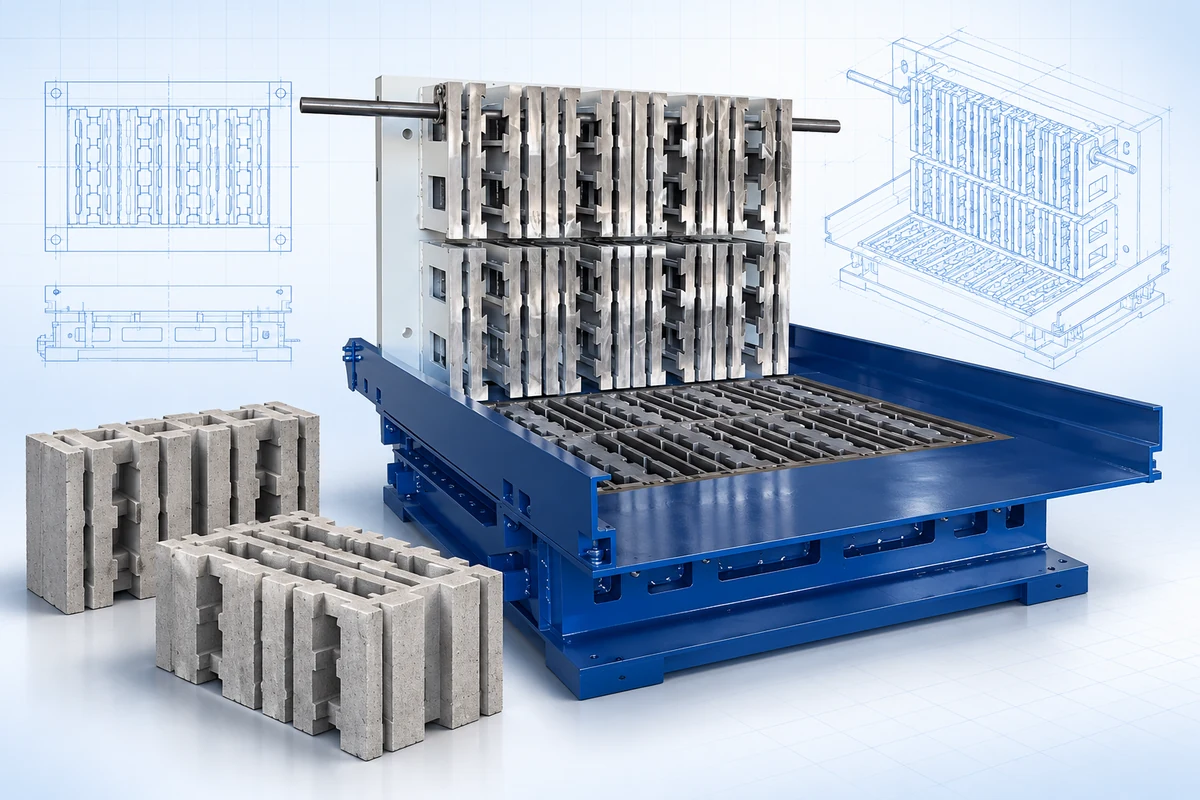
Interlocking Block Mold
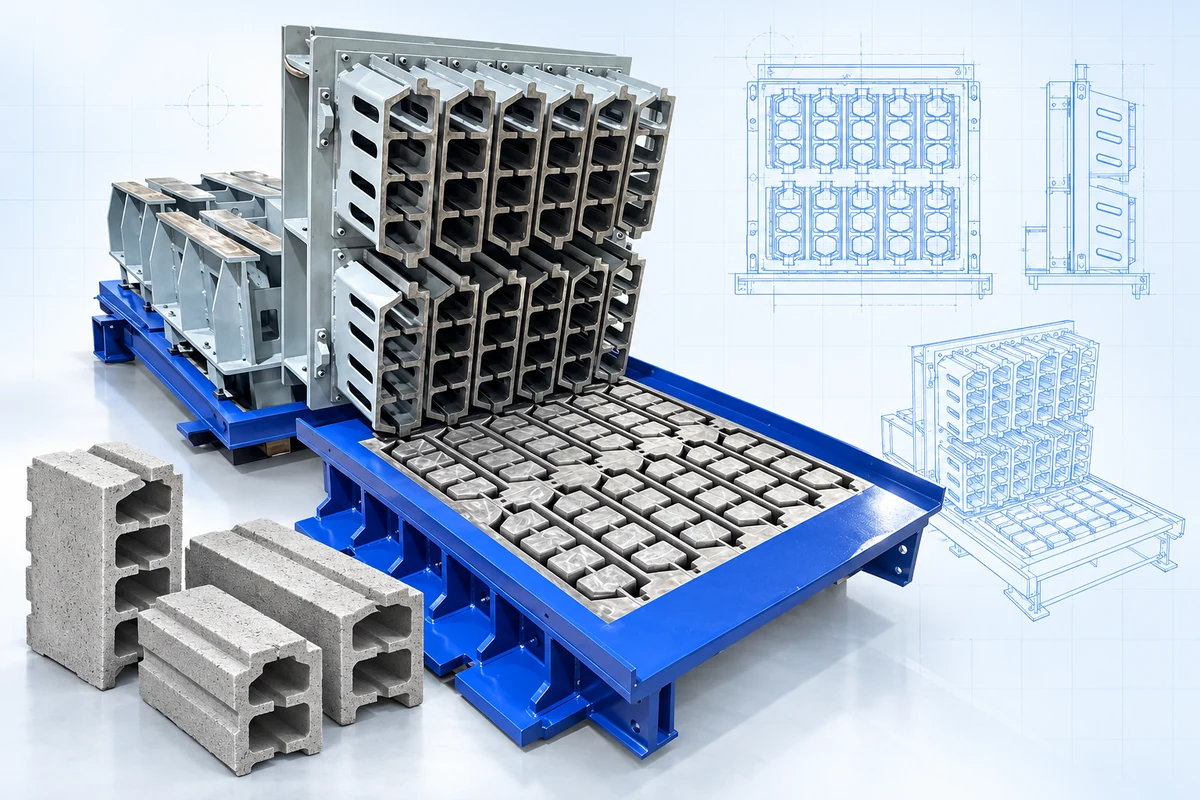
Thermal Block Mold
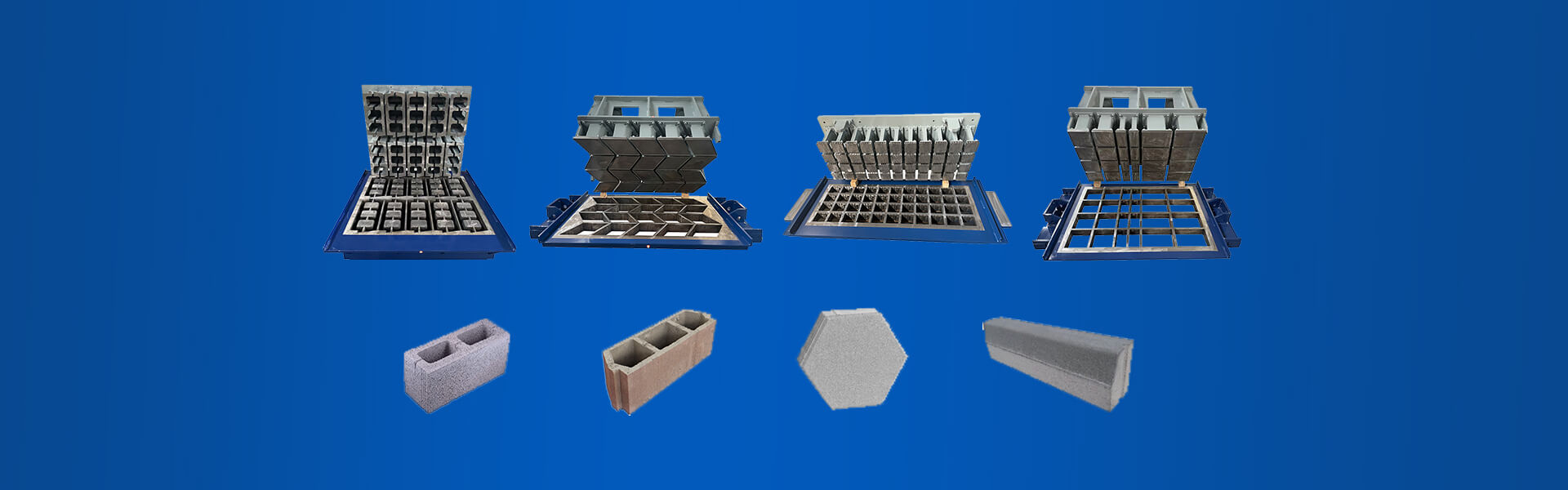
This section covers the mould solutions HAWEN supplies for concrete block, paver, kerbstone, retaining-wall and special-shape production. It is organised around the mould itself and the machine interface it has to match, so the topics below can be reviewed in the order that suits your project.
The pages here serve producers, machine operators and project teams who need to define a brick type and its requirements, then confirm how a mould will sit on a specific machine. Brand solution pages set out the information needed to check that interface; they do not by themselves confirm a compatible mould or a brand partnership.
HAWEN helps by working from the details you provide — product type, drawing or sample, machine data and production requirements — and by keeping every unconfirmed parameter clearly marked as such until it is verified. Application pages explain brick types and their requirements, while case pages are published only where a project is documented.
Mould selection begins with the product itself. A hollow block, a solid block, a paver, a kerbstone, a retaining-wall unit and a special shape each place different demands on the mould, and those demands have to be written down before any interface question can be answered.
Where a drawing or sample is not yet available, the block type and its requirements can still be described, but the mould geometry stays unconfirmed until the drawing is supplied. A concrete block mould drawing checklist is a useful way to prepare those inputs before the first technical exchange.
A mould is only meaningful in relation to the machine it will run on. The same block type can require a different mould construction on different platforms, so the machine data has to be collected alongside the product data.
Brand solution pages in this section — covering Hess, Masa, Poyatos, Quadra, Zenith and TECHMATIK machines — describe the information needed to check an interface. They are a starting point for that check, not a statement that a compatible mould or a brand partnership already exists. Compatibility is confirmed only after the machine data and the block drawing are reviewed together.
Mould steel grade, hardness, tolerance and expected service life are project-specific parameters. They are not fixed by the block type alone, and they should not be assumed from a brand name or from a previous project. The material and wear-part review therefore follows the product and interface review, and any figure that has not been confirmed for your project is treated as unconfirmed.
Once the product, machine and material inputs are on the table, the remaining work is a structured exchange rather than a single quotation request. A practical sequence is:
Keeping confirmed and unconfirmed parameters separate at every step avoids the most common source of mismatch, where a mould is assumed to fit because the machine brand matches. Special-shape and retaining-wall units often need this discipline most, since their geometry and stripping behaviour are less standard; the related special shape block mould drawing guidance sets out what to prepare for those cases.
Read the pages in whichever order matches your project stage. If the block type is still open, start with the application pages for concrete block, paver and kerbstone production. If the machine is already fixed, start with the brand solution page for that machine and collect the interface data it lists. If a project has already been documented, the case pages describe that published evidence only; an empty case category does not imply completed deliveries or customer results.
 Tel: +8618359454595
 Email: sale@hwmachines.com
 MP/WhatsApp: +8618359454595
 Manufacturer Address:Nanan, Quanzhou City, Fujian Province, China