Concrete Block Molds
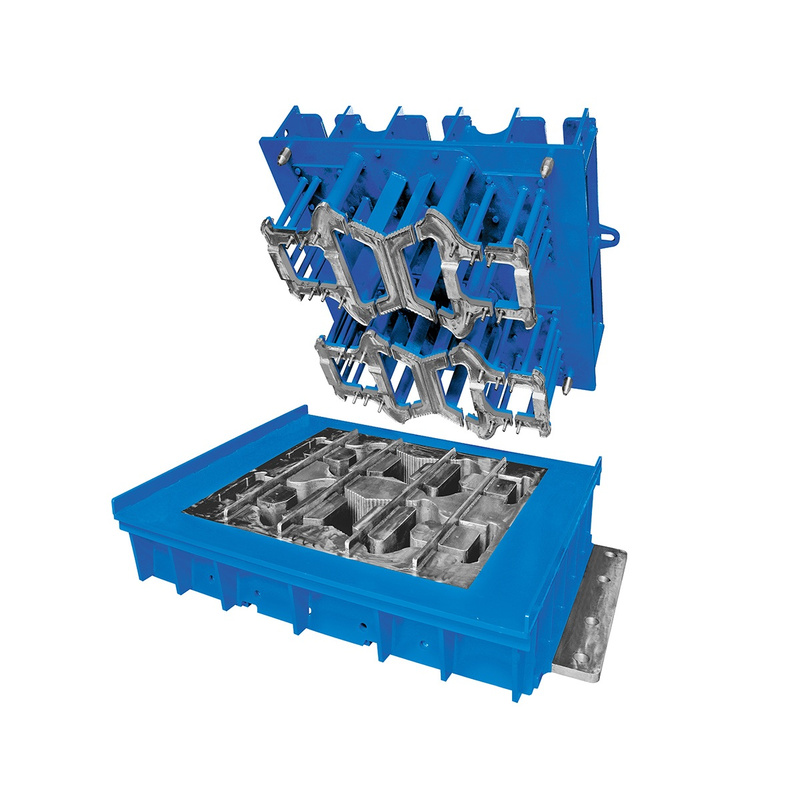
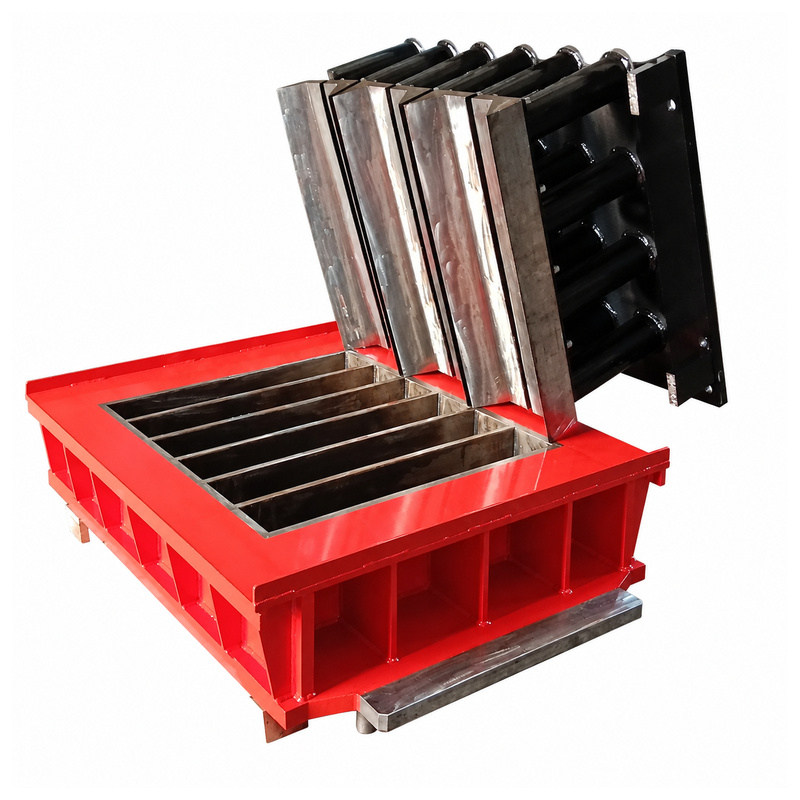
Hollow Block Mold
Solid Block Mold
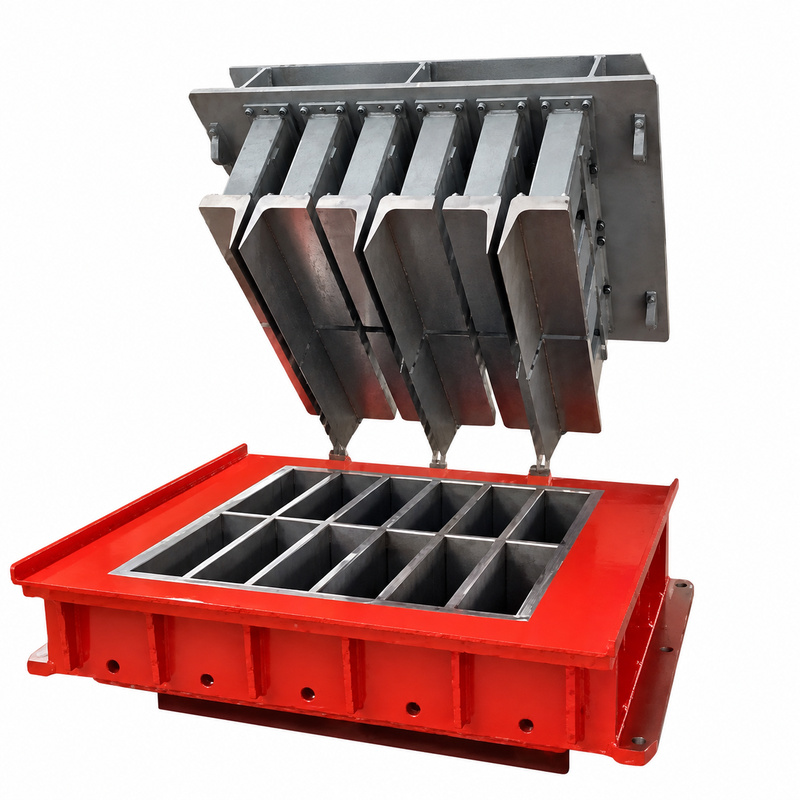
Solid Brick Mold
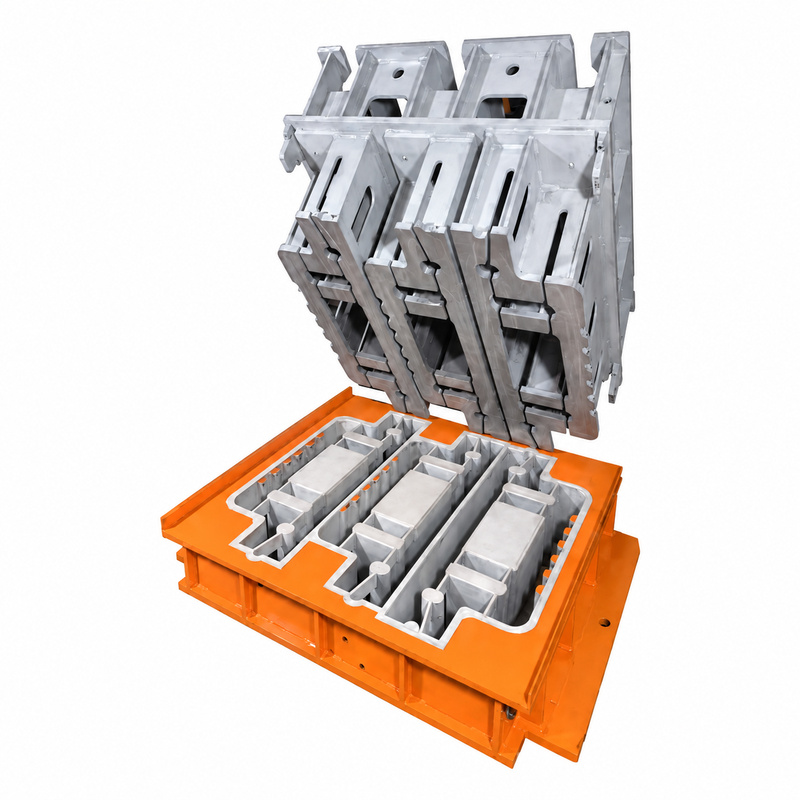
Interlocking Block Mold
Thermal Block Mold
Author:HAWEN Block Mould Manufacturer TIME:2026-11-07
A mold can have a documented factory simulation while a question about its receiving production line remains unanswered. A finished product can also need a property test after the tooling dimensions have been inspected. When these results arrive in one project file, assess the question each can close before treating the collection as one general acceptance.
The distinction is practical: what was tested, on which equipment, and under which conditions? A stronger-looking report title does not change those references. The evidence has to match the proposed conclusion.
HAWEN's Saudi multi-product mold case reports dimensional inspection and assembly testing before shipment. It also describes a simulated vibration table used to examine forming conditions, including demolding and block-height consistency, under controlled factory conditions.
Those are useful observations about the supplied project and the documented simulation. They are not, by themselves, a report from the customer's installed production line. The test equipment and conditions represented in the evidence remain part of its meaning.
Suppose a buyer asks whether the factory exercise was completed and which observations were recorded. The case describes that type of evidence. If the question instead asks whether the receiving line has demonstrated the same result after installation, the simulation alone cannot close it.
That does not make the simulation unhelpful. It makes the next question more precise. Ask what remains to be established on the actual installation, using its agreed checks and trial plan. Do not silently change “observed under factory simulation” into “verified in our production conditions.”
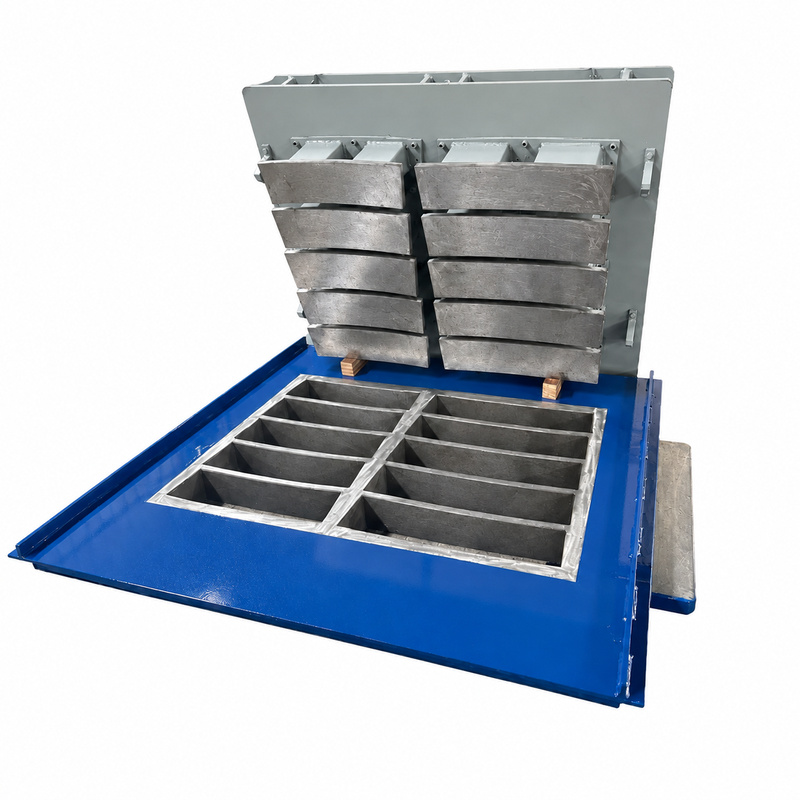
Another real case shows why the sequence matters. HAWEN's Uganda stoneface mold project records SGS pre-shipment inspection of the completed tooling. The listed scope includes dimensional accuracy, hardness and heat-treatment verification, surface finish and assembly integrity. The case then records remote support for local installation and testing after delivery.
The available account does not provide a customer production result after installation. It therefore supports a statement about the documented inspection and support, while leaving that later result unreported. A reader should not fill the gap with an assumed successful output figure or a general production-approval claim.
Was third-party tooling inspection reported before shipment, with its stated inspection scope? Yes: that is expressly described for this particular project.
What finished output did the customer subsequently achieve on its installed line? The case supplies no production result for that conclusion.
Keep the same discipline when a new order requests inspection. A case demonstrates what happened in that case; it does not make SGS inspection, the same test scope or a particular support arrangement automatically part of every quotation. The actual order must define its own agreed evidence.
An unreported result is also different from a failed result. The Uganda account's missing production outcome cannot support either conclusion about the customer's subsequent output. If that outcome matters to a new decision, identify the missing evidence rather than borrowing a favourable or unfavourable answer from the fact that installation support was provided.
Consider an invented acceptance request: “Confirm tooling dimensions, demonstrate forming on our receiving line, and establish the specified finished-block property.” These are three conclusions. They may draw on related work, but one report need not answer all three.
Now suppose the file contains an agreed tooling-dimension report and a factory forming simulation, but no result from the receiving-line trial. The dimensional question may be supported to its stated scope. The simulation can answer its documented forming question. The receiving-line conclusion still lacks the corresponding evidence.
Adding a product test does not automatically close that missing line trial either. A property result concerns its identified specimen and test conditions; it is not a substitute for every question about installed tooling. Equally, satisfactory-looking formed units do not establish a property that requires its own assessment.
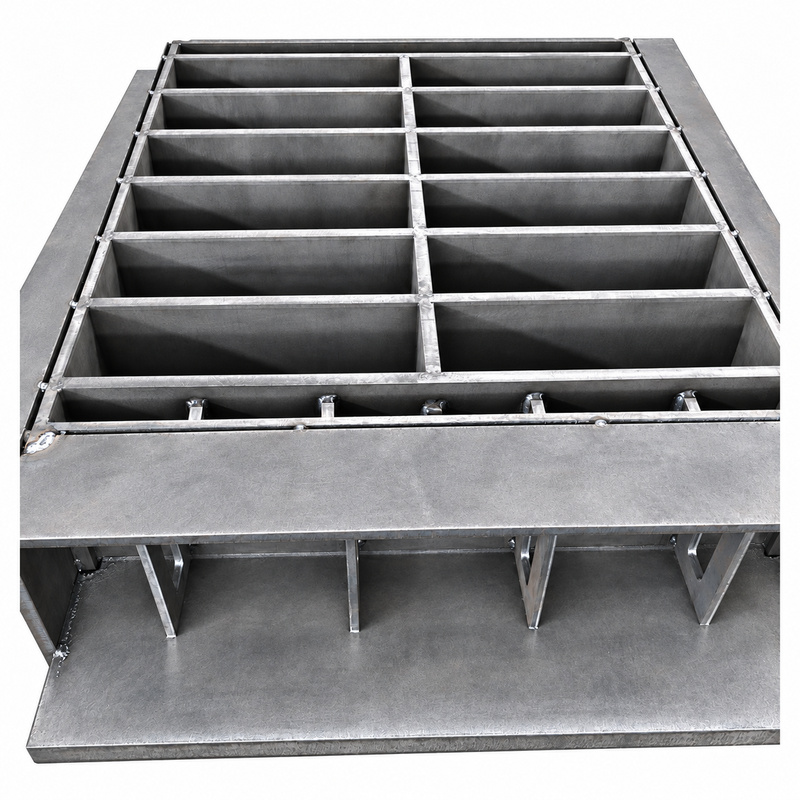
The useful outcome is more specific than “all tests passed” or “more testing is needed.” For the invented request above, it might state that the agreed dimensional item is addressed, the factory simulation has its recorded scope, the receiving-line result remains open and the property evidence needs its own identified reference.
Have the responsible parties assess those conclusions against the actual order and acceptance requirements. This article does not impose a factory-acceptance or site-acceptance contract, choose a test method or declare a tool accepted. It explains how to avoid using evidence from one context to answer a different question without justification.
HAWEN's installation guidance gives the receiving-equipment context for its prescribed checks and trial approval. The concrete block tooling information separately identifies trial product checks and finished-product assessment. Use those distinctions when defining the request, then judge the returned evidence against that request. A partially supported conclusion can be stated accurately without either discarding useful work or claiming a result that has not been demonstrated.
 Tel: +8618359454595
 Email: sale@hwmachines.com
 MP/WhatsApp: +8618359454595
 Manufacturer Address:Nanan, Quanzhou City, Fujian Province, China