Concrete Block Molds
Hollow Block Mold
Solid Block Mold
Solid Brick Mold
Interlocking Block Mold
Thermal Block Mold
Author:HAWEN Block Mould Manufacturer TIME:2026-11-02
If a thermal block design uses an insulation component, define that component separately from the concrete unit in the mold enquiry. The concrete section, insulation geometry and proposed placement method need connected references, but they are not the same item of supply or the same acceptance question.
Start by stating the actual product concept. Some thermal-block discussions concern a defined pattern of openings; others include an insert arrangement. Do not attach a generic insulation sample and leave the mold supplier to infer which design you intend.
| Scope | Reference needed | Question to resolve |
|---|---|---|
| Concrete unit | Complete section and relevant product drawing | Which concrete geometry must the tooling form? |
| Insulation component, if used | Identified material, dimensions and placement description | Which component must relate to the specified concrete section? |
| Finished unit or wall performance | Project-specific assessment and acceptance requirements | What testing or evaluation establishes the required result? |
This separation is not a claim that any of these items is automatically included in a mold proposal. Ask each party to identify its scope. The mold supplier may be reviewing tooling around an insert reference supplied by the buyer; the quotation should make that boundary understandable.
HAWEN's thermal-block product information asks for the complete section, insulation-system description and insert details where applicable. It also treats dimensional acceptance separately from thermal performance. Carry those distinctions into the enquiry instead of relying on the word “thermal” as a complete specification.
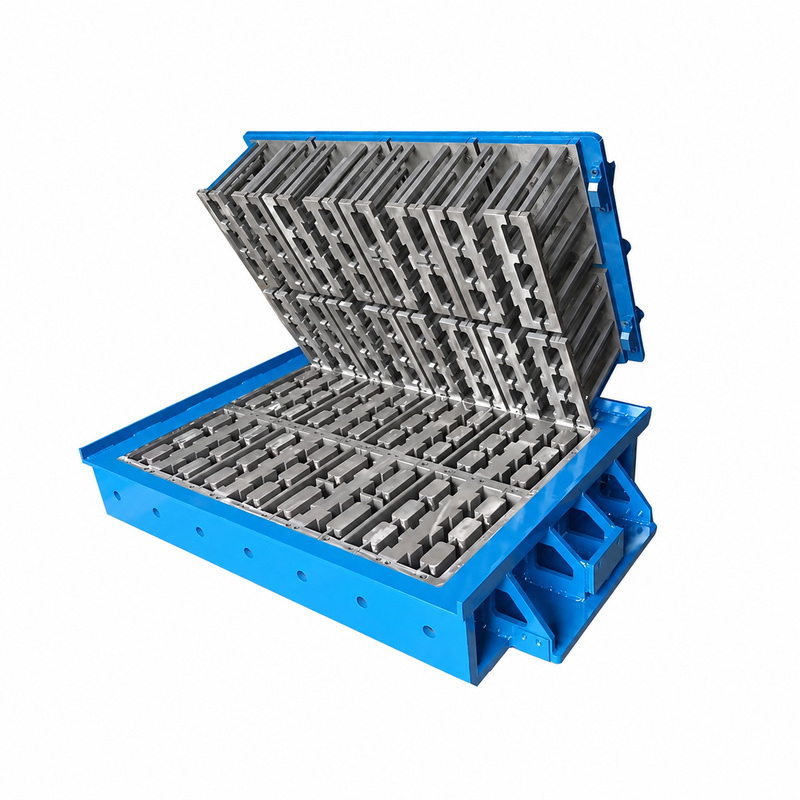
Where the design includes an insert, identify its intended position on the section drawing. Mark the relevant concrete features and the insert reference used for the review. If either component is still under development, distinguish proposed geometry from an accepted requirement.
The technical team should define the relationship and any applicable fit requirements. Do not assume that an insulation piece fitting inside a loose sample establishes the correct tooling dimensions or the production method. The proposed forming and placement sequence still needs review for the actual configuration.
Ask which dimensions belong to the concrete unit and which to the insulation component. Keep the units and measurement references visible. When information comes from different suppliers, a shared feature name can conceal different interpretations of where a dimension starts and ends.
Also identify the source of each reference. A sample, a supplier drawing and a conceptual illustration can all assist the discussion, but they have different statuses. The person reviewing the tooling should be able to tell which requirement is confirmed and which is awaiting clarification.
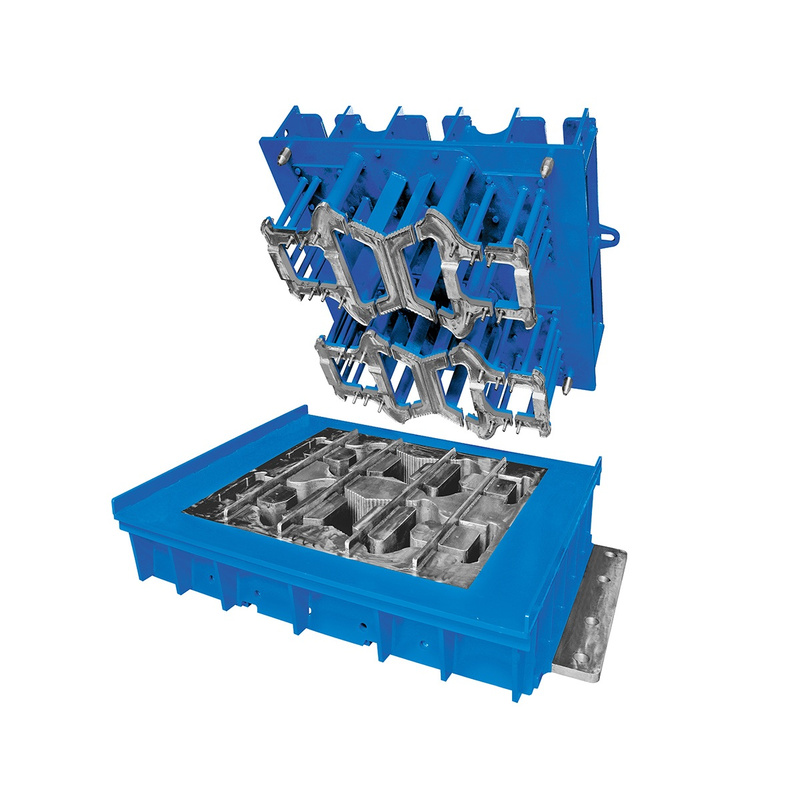
Provide the intended placement method and sequence where known, together with the receiving machine and pallet details. If the sequence has not been selected, make it an open technical question. Do not imply that a machine has a particular insert-handling capability merely because an image shows a thermal-block mold.
A proposal may depend on information about when and how the insulation component is introduced. Ask the responsible suppliers to identify the required interfaces and any information still missing. The Blog does not recommend a universal handling mechanism, timing or equipment modification.
If the insulation reference changes, ask what part of the tooling review must be revisited. A change of component identity should not pass through purchasing as an unrelated material substitution when the technical relationship has not been reassessed.
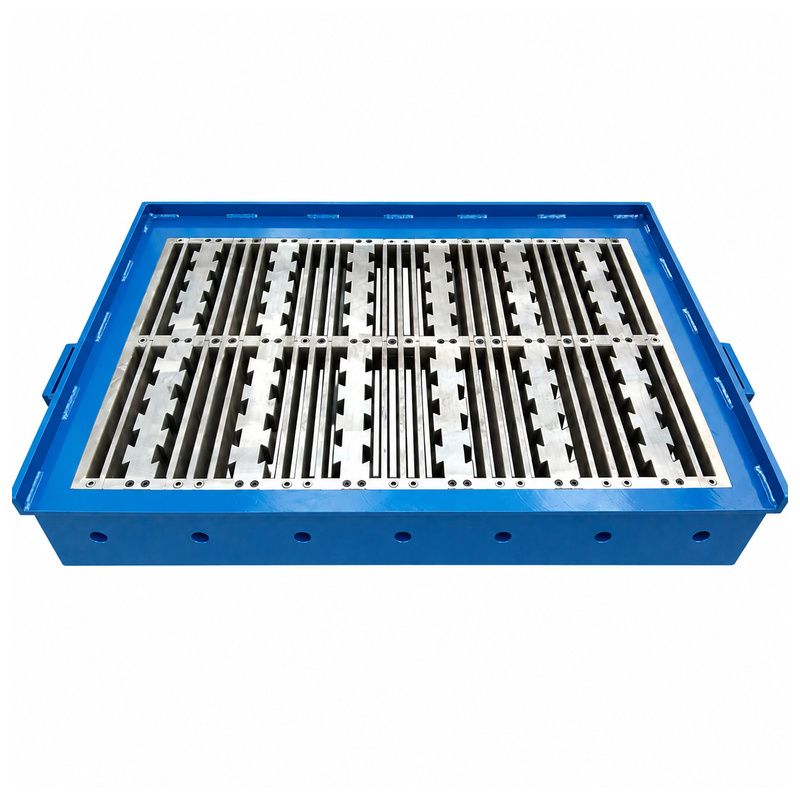
For the production trial, agree the dimensional and appearance observations for the concrete unit and the position checks for an insert where applicable. Define the selected samples, stages and acceptance references through the actual trial plan. Keep observations across relevant cavity positions identifiable.
The thermal result remains a separate assessment for the specified unit or wall assembly. Concrete properties, insulation materials, joints and construction details all belong to that wider question. A satisfactory-looking section or an accepted mold dimension is not a substitute for the required thermal evaluation.
If the trial leaves an issue open, identify whether it concerns the concrete geometry, component relationship, placement proposal or another requirement. This allows the responsible party to review the right evidence instead of treating every difference as a mold defect.
Record the identity of the insulation component actually used in the trial, where one is part of the design. If it differs from the component proposed for routine production, explain that difference and ask what remains to be verified. A result with one reference should not silently become acceptance of another. Retain the actual trial configuration beside the intended final configuration so the scope of the evidence remains understandable.
Before confirming the tooling order, reconcile the concrete drawing, insulation reference, machine information and agreed review scope. State what is supplied, what the buyer or another supplier provides and what remains outside the current proposal. Keep the clarification with the order references.
The starting information for HAWEN's thermal block molds should therefore identify the complete section and the role of any insulation component. Ask for a proposal that addresses the stated configuration and its open questions. The clearer supply boundary supports the drawing discussion without promising a wall performance that the tooling alone cannot establish.

 Tel: +8618359454595
 Email: sale@hwmachines.com
 MP/WhatsApp: +8618359454595
 Manufacturer Address:Nanan, Quanzhou City, Fujian Province, China