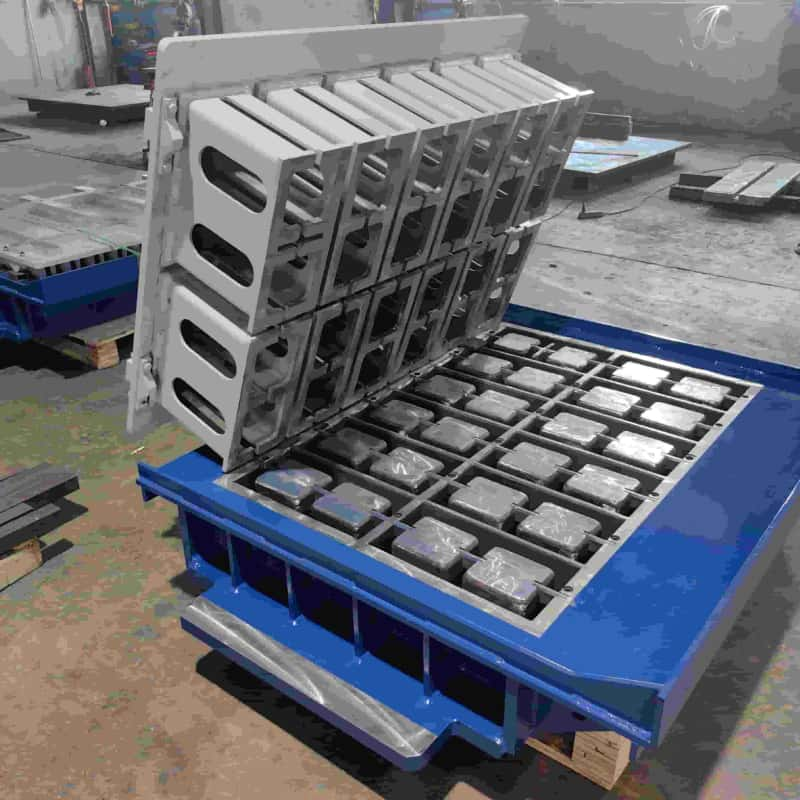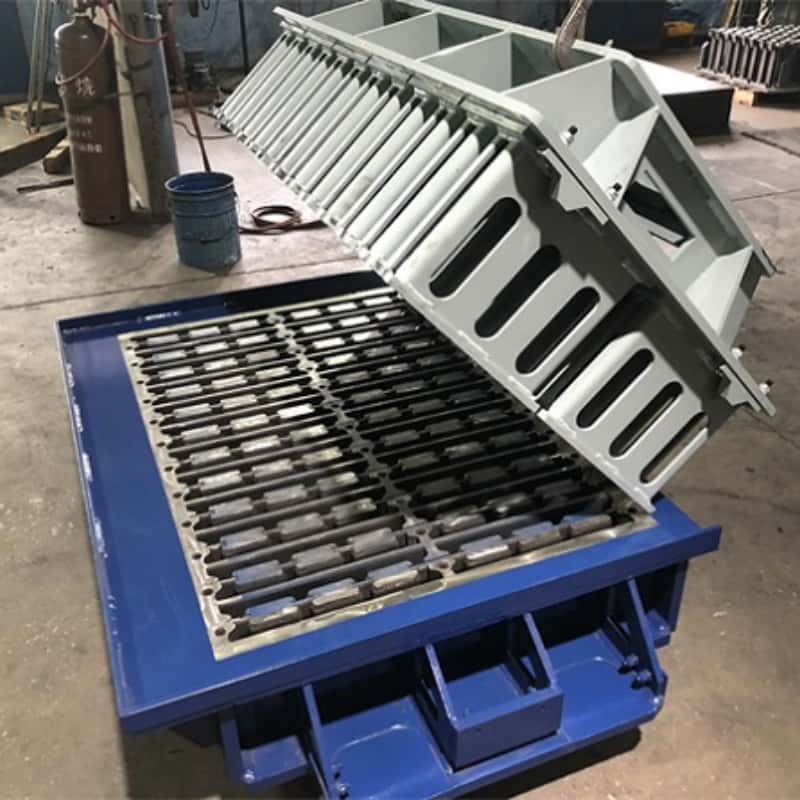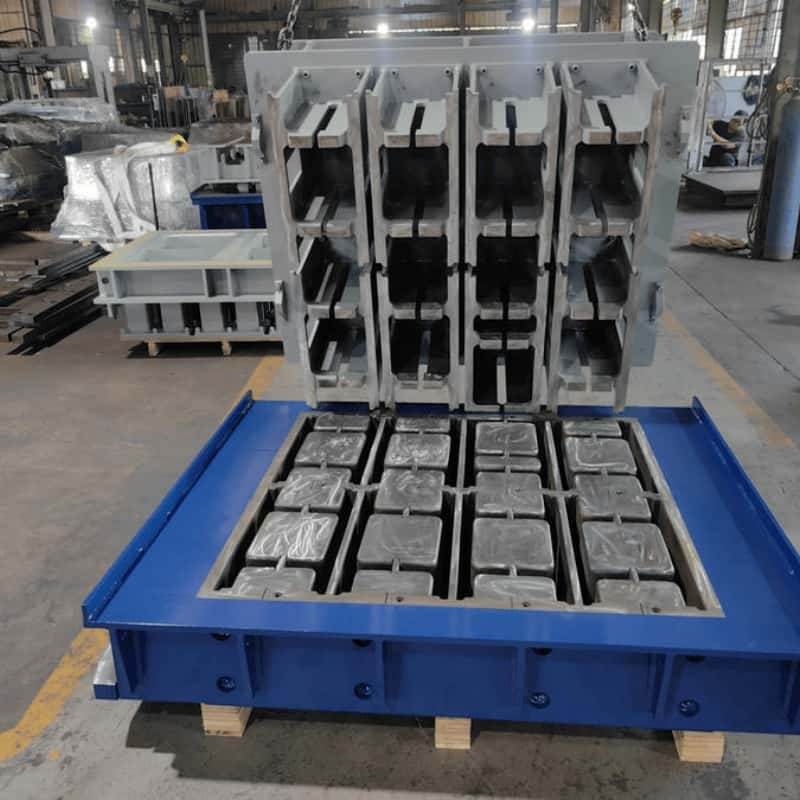
Concrete Block Molds
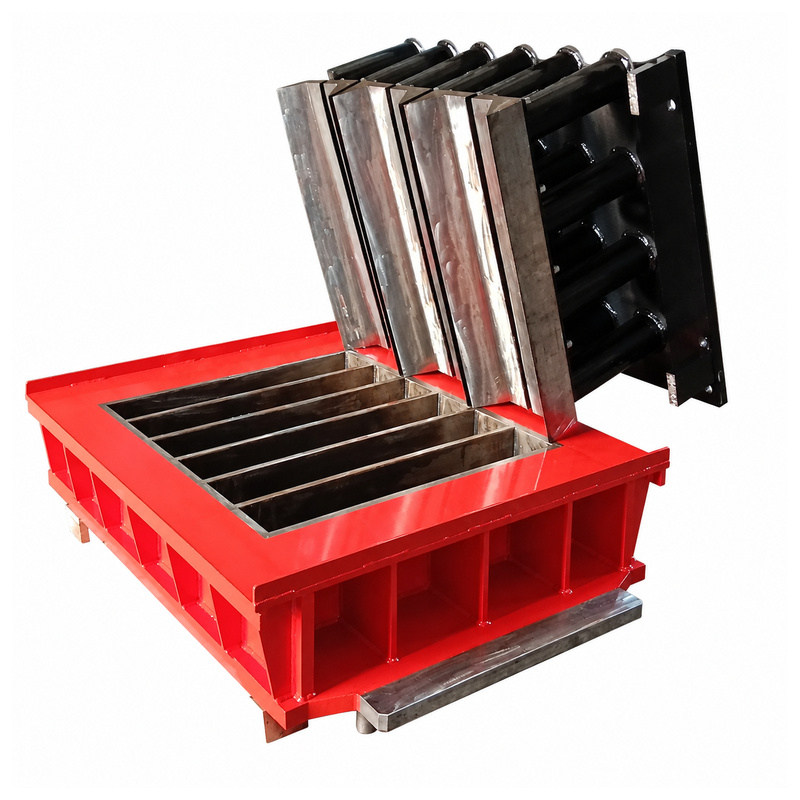
Hollow Block Mold
Solid Block Mold
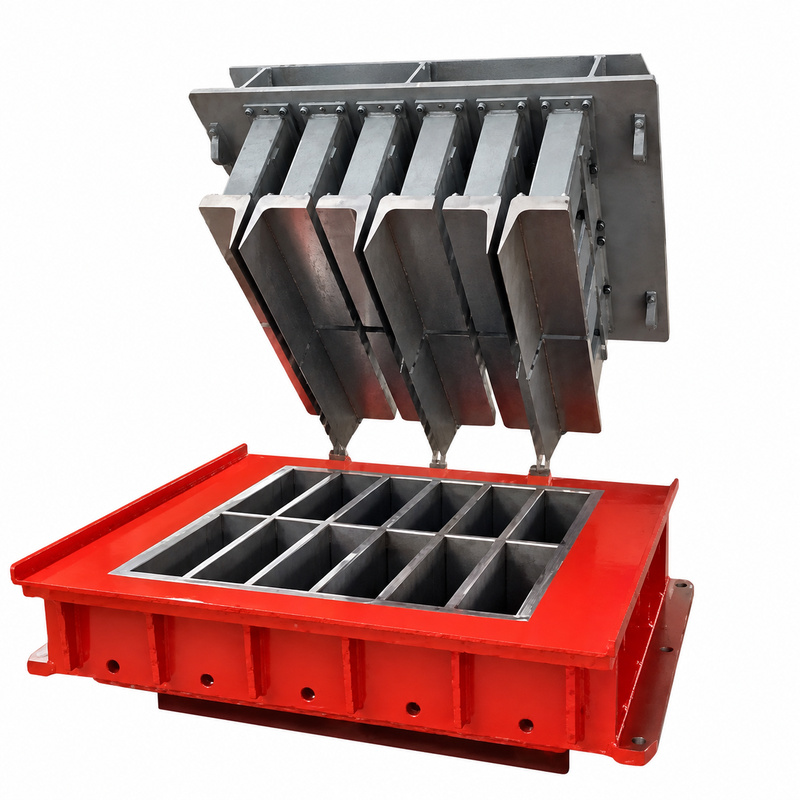
Solid Brick Mold
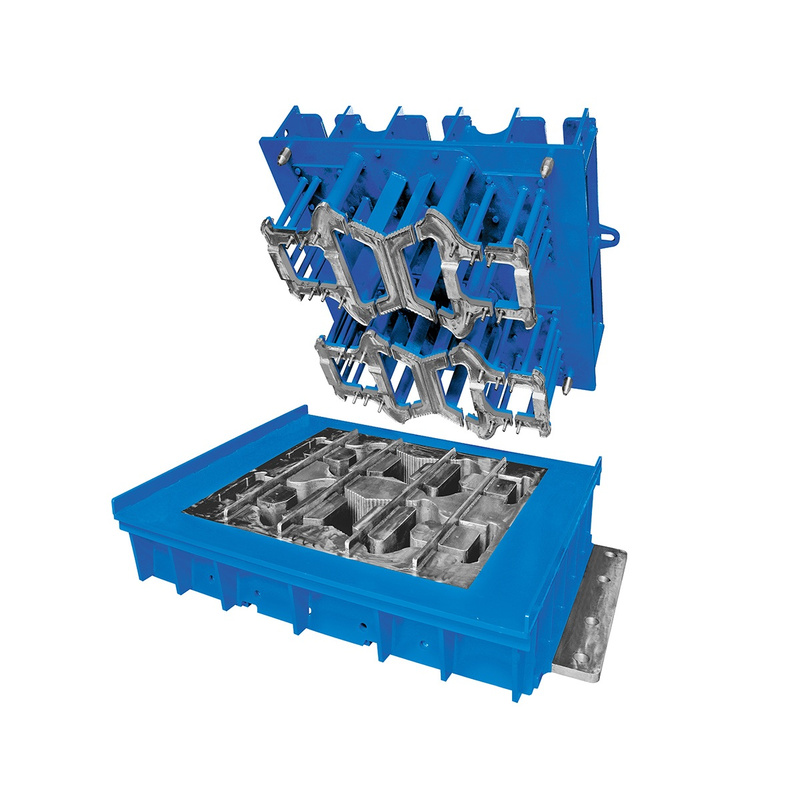
Interlocking Block Mold
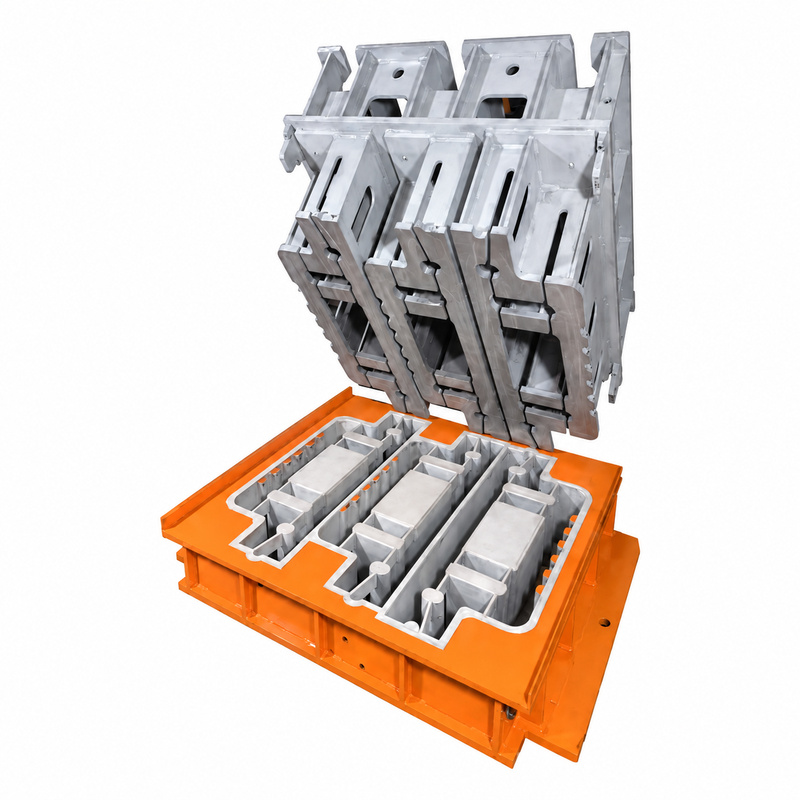
Thermal Block Mold
Author:HAWEN Block Mould Manufacturer TIME:2026-11-05
An extra mold set is useful as a standby only when it can cover the period for which the original tooling is unavailable. A spare that becomes ready after the required product run has started leaves a gap, even if it is the correct tool. Before deciding that a spare-set proposal solves a maintenance problem, put the tool requirement, planned absence and standby readiness on the same calendar.
This is an availability comparison for a specified product and receiving line. It does not calculate output, predict mold life or prove that production will continue without interruption. Its narrower purpose is to expose the exact period that a proposed standby arrangement does, or does not, cover.
Start with the period when the original tool is expected to be unavailable. Use the plant's actual maintenance or condition-review plan. Do not take an illustrative duration from another factory and treat it as a service interval for this mold.
Next mark when this particular product requires tooling on the receiving line. That period need not equal the whole maintenance absence. The plant might have other products scheduled during part of it. Conversely, a short requirement near the beginning can be important even when most of the absence occurs later.
The third interval is when the proposed standby is available for the stated purpose. Its start is the agreed ready-for-use point, after the checks and exchange allowance included in the actual plan. A warehouse arrival time alone does not define that point.
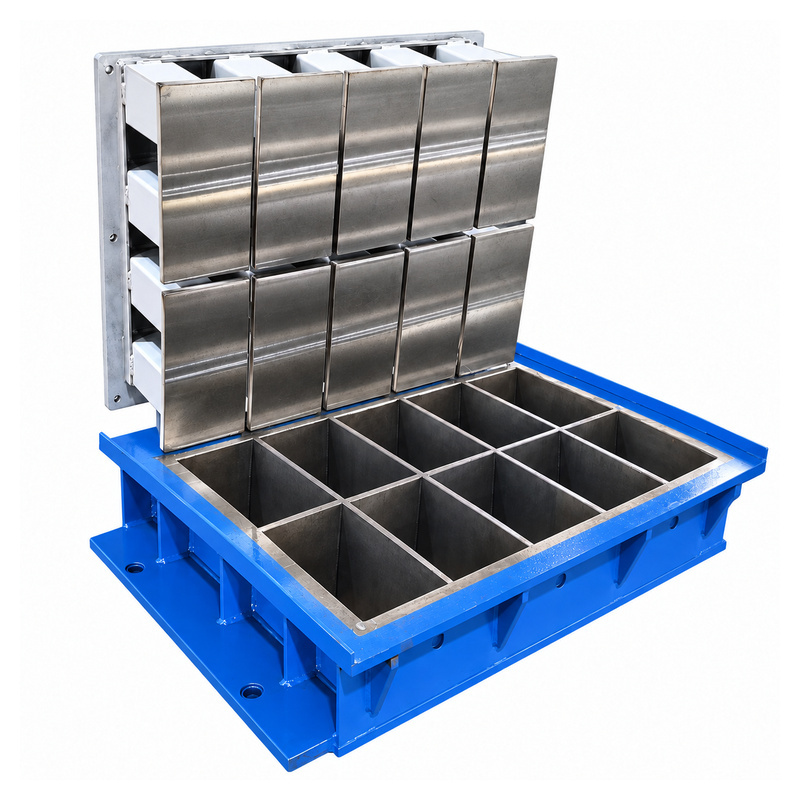
The following example is invented calendar arithmetic. Day labels describe equal planning periods; they are not a HAWEN delivery schedule, a maintenance estimate or a production-cycle assumption. Every interval starts at the beginning of its first named day and ends at the beginning of its last named day.
| Window | Starts | Ends | Meaning |
|---|---|---|---|
| Original tool unavailable | Day 1 start | Day 6 start | The original cannot cover the planned requirement during this interval. |
| Specified product needs tooling | Day 2 start | Day 5 start | Days 2, 3 and 4 are the relevant requirement. |
| Standby ready for this use | Day 3 start | Day 6 start | Days 3, 4 and 5 have the assumed standby availability. |
First take the overlap between the tooling requirement and the original tool's absence. It runs from Day 2 start to Day 5 start. This is the interval the alternative arrangement must address; counting the entire five-day maintenance absence would ask a different question.
Then intersect that requirement with the standby window. The common period runs from Day 3 start to Day 5 start: two planning days. The interval from Day 2 start to Day 3 start remains uncovered. Standby availability on Day 5 does not compensate for missing availability on Day 2, because the requirement in this example has already ended by then.
The result is therefore partial calendar coverage. It is not a two-thirds production forecast. No quantity, production rate, material availability or plant operating result has been evaluated.
Read the uncovered interval aloud: “For this example, the spare does not cover the tooling requirement from Day 2 start to Day 3 start.” That is a more useful purchasing question than “Will another set reduce downtime?”
A standby set can be present while its readiness remains unresolved. Its matched components, receiving-machine references or present condition may still need confirmation. Those are prerequisites to the proposed use, not reasons to replace a missing date with the delivery date.
HAWEN's maintenance guide describes condition and return checks, while its installation guidance addresses the actual attachment arrangement and trial approval. Use the applicable procedures to establish what the readiness point means. This calendar exercise does not supply a shorter route through them.
If the readiness date is unknown, show an open start boundary. One can still identify the interval that needs covering, but full coverage has not been demonstrated. If a quoted date is conditional, keep that condition attached when comparing the proposal with the plant schedule.
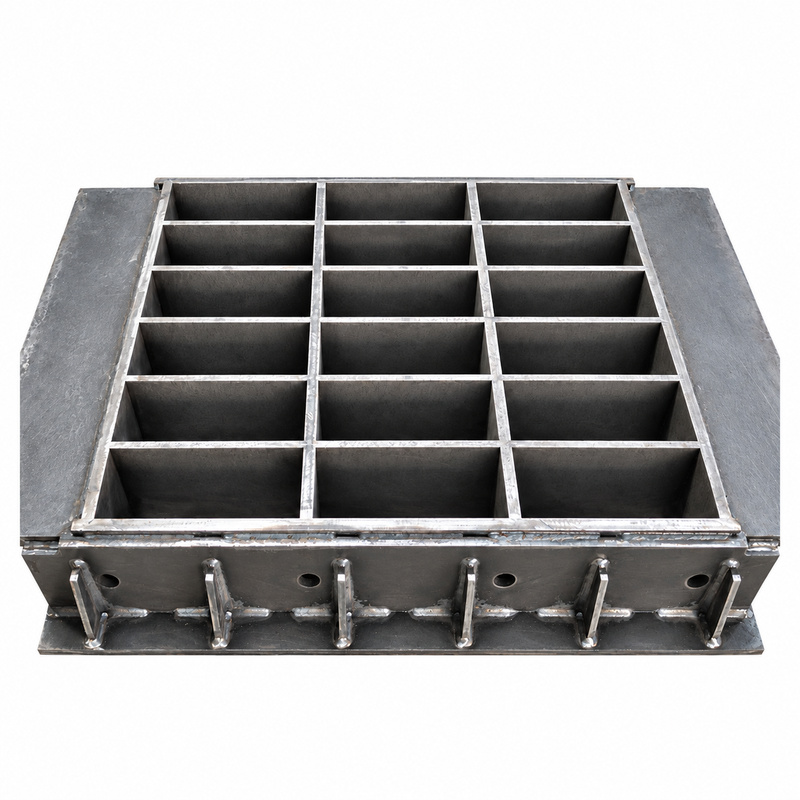
Suppose the same fictional standby were confirmed ready at Day 2 start instead. Its availability would then cover the whole Day 2-to-Day 5 requirement during the original tool's absence. The arithmetic result changes because the ready point changes, not because the spare adds line capacity.
A plant might instead consider moving the product requirement. That is a separate scheduling choice for the responsible planning team. Recalculate the intersection using the proposed new dates and keep the original requirement visible for comparison. Moving a bar on a diagram does not establish that customer demand, stock or the rest of the plant can accommodate the change.
Likewise, if the original tool's return moves later, examine the revised requirement rather than assuming the earlier standby decision still applies. A spare may cover one planned window without covering a longer one.
For a concrete block mold configuration review, identify the actual tool and machine separately from these planning dates. The resulting question can be precise: the confirmed standby arrangement covers this interval, this other interval remains open, and this readiness condition still needs an answer. That gives purchasing a defined problem to resolve without turning an extra mold into an unsupported production promise.

 Tel: +8618359454595
 Email: sale@hwmachines.com
 MP/WhatsApp: +8618359454595
 Manufacturer Address:Nanan, Quanzhou City, Fujian Province, China