Concrete Block Molds
Hollow Block Mold
Solid Block Mold
Solid Brick Mold
Interlocking Block Mold
Thermal Block Mold
Author:HAWEN Block Mould Manufacturer TIME:2026-10-30
A sample of repeated zigzag pavers can show the interior pattern while saying little about how that pattern ends. Include a defined border or last-row condition in the sample review before assuming the tooling enquiry covers every piece the project needs.
This is a question about the proposed product range and its references. The pavement designer still determines the installed arrangement. The mold supplier needs to know which units it is being asked to review, including any half, end or companion pieces.
Begin with the approved plan outline and the intended joint arrangement. A representative group of repeated units can help review the way neighbouring profiles meet. Keep the sample identities and drawing references available so the reviewer knows which geometry the arrangement represents.
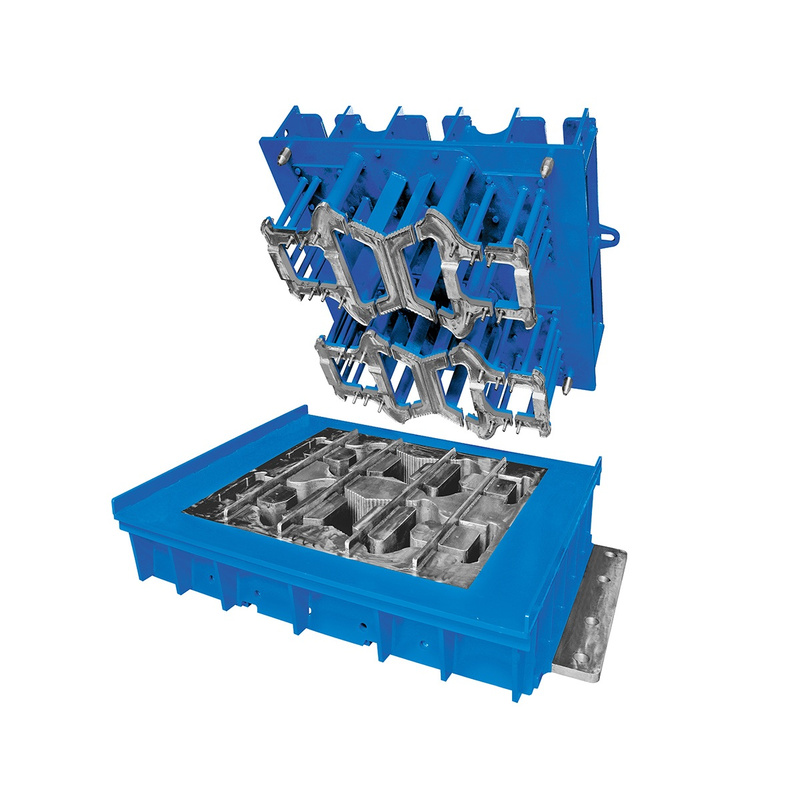
Look at the shaped shoulders, narrow regions and changes in contour identified for the product. HAWEN's zigzag tooling information calls attention to these features during trial review. Use the agreed inspection criteria for actual measurements; a photograph of an interlocking pattern does not establish their dimensions.
Record the purpose of the interior sample narrowly. It might address profile matching or joint appearance within the repeated field. That does not automatically demonstrate the edge condition, a change in direction or every companion piece in the project.
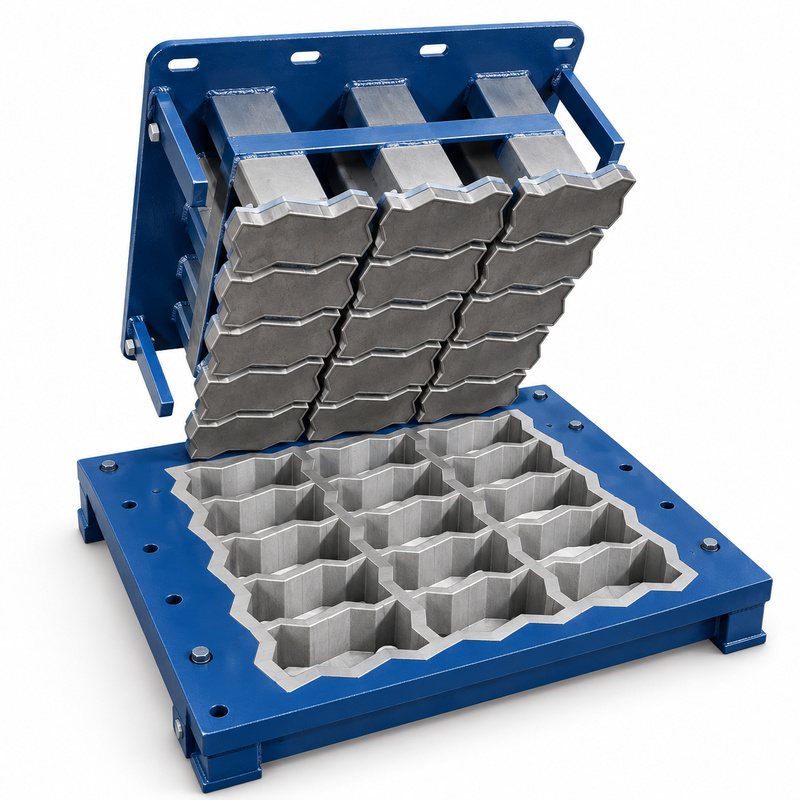
Choose the endpoint the project needs to discuss. It could be a defined border, an end to a row or the meeting with another paving element. Ask the project team to identify the intended condition on its drawing rather than constructing a convenient ending just for the sample.
The question is what each product must contribute at that location. Does the proposed range include a separately defined end unit? Is another companion piece needed? Is the edge resolution outside the mold supply scope? Leave the answer open until it is agreed; do not assume the standard zigzag tool includes every possible perimeter solution.
Interior repeat → last-row relationship → defined edge condition
This reading order is a review aid, not a paving installation diagram.
Keep the endpoint review tied to the same profile references as the interior. If one of the sample pieces comes from a different source or revision, identify it. A visually plausible substitute can obscure exactly the mismatch the exercise is intended to reveal.
Where an additional unit is needed, give it its own description and drawing requirement. State the intended relationship with the repeated paver and identify the relevant edges or mating surfaces. Do not describe it only as “half of the standard piece” and leave the actual finished outline unconfirmed.
Different names for a zigzag or double-T style do not establish interchangeable geometry. Use the actual outline, radii, angles, joint details and specified thickness. The supplier can then review the proposed units against the machine, pallet and required tooling arrangement.
The supply list should distinguish a newly proposed companion mold from a product requirement that the project will address elsewhere. This is particularly important if purchasing discussions are proceeding before the final pavement edge details have been selected.
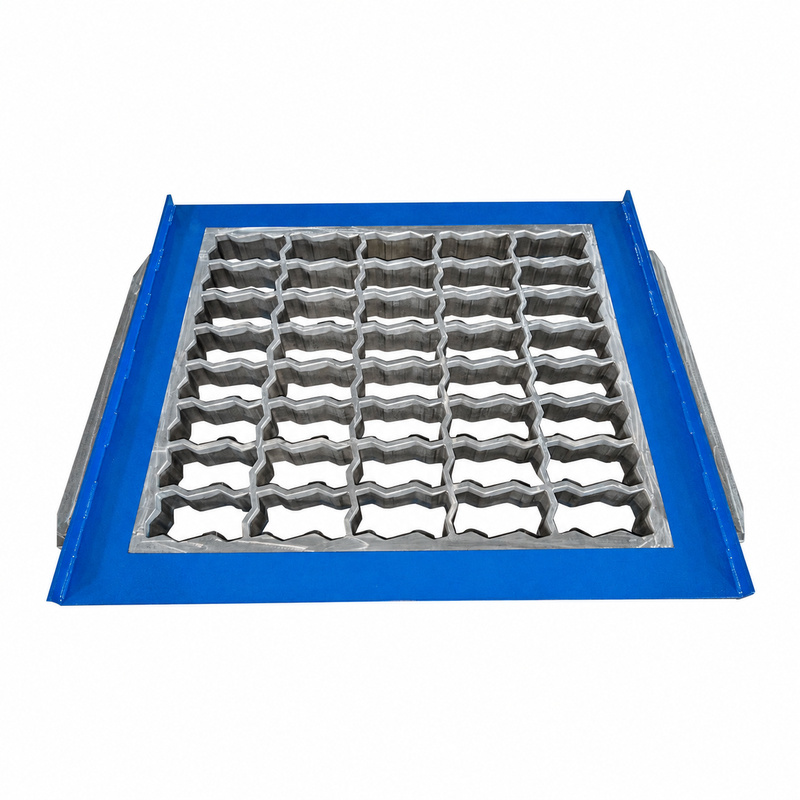
At the end of the review, state which relationships were inspected and which were not represented. “Interior joint appearance reviewed; border unit unresolved” is clearer than a general approval of the whole range. Use the actual wording appropriate to the review rather than copying that example as an acceptance result.
Keep measured results, appearance comments and tooling-scope decisions distinguishable. A dimensional question can require another check even when the overall pattern looks satisfactory. Conversely, a sample can meet its dimensional references while a perimeter choice remains a project decision.
If the project has more than one boundary condition, identify which one the sample represents. Approval of one endpoint should not be extended to another by an assumed rotation or change of direction. Where the reference arrangement differs, ask whether the original companion drawing remains applicable or a separate review is required.
The exercise does not establish pavement loading, foundation design or an installation method. It also does not specify how site-prepared pieces should be made. Those are separate project matters; the tooling discussion should remain focused on the defined products and their approved requirements.
Before accepting the tooling proposal, reconcile the repeated unit and the companion-unit list. Identify drawing revisions and whether any unresolved border condition is excluded from the current order. This helps prevent a sample discussion about a complete paving area from becoming an unintended assumption that all corresponding tooling was quoted.
The enquiry for HAWEN's zigzag interlock paver molds should therefore show more than the attractive centre of a pattern. Send the product outline, the relevant endpoint reference and the companion-unit questions. Ask the response to identify which of those units the proposed tooling covers.
 Tel: +8618359454595
 Email: sale@hwmachines.com
 MP/WhatsApp: +8618359454595
 Manufacturer Address:Nanan, Quanzhou City, Fujian Province, China