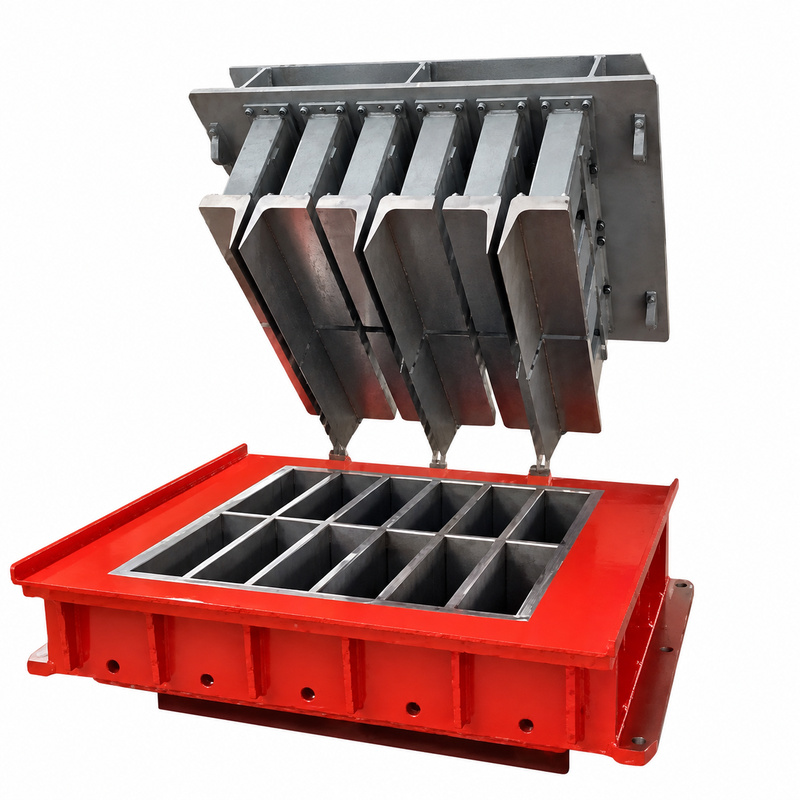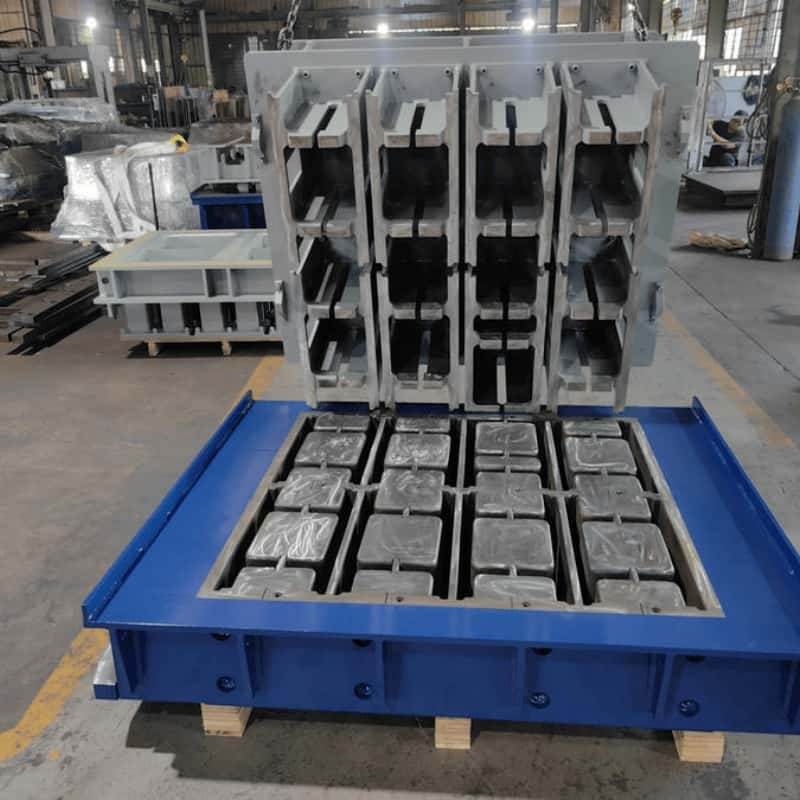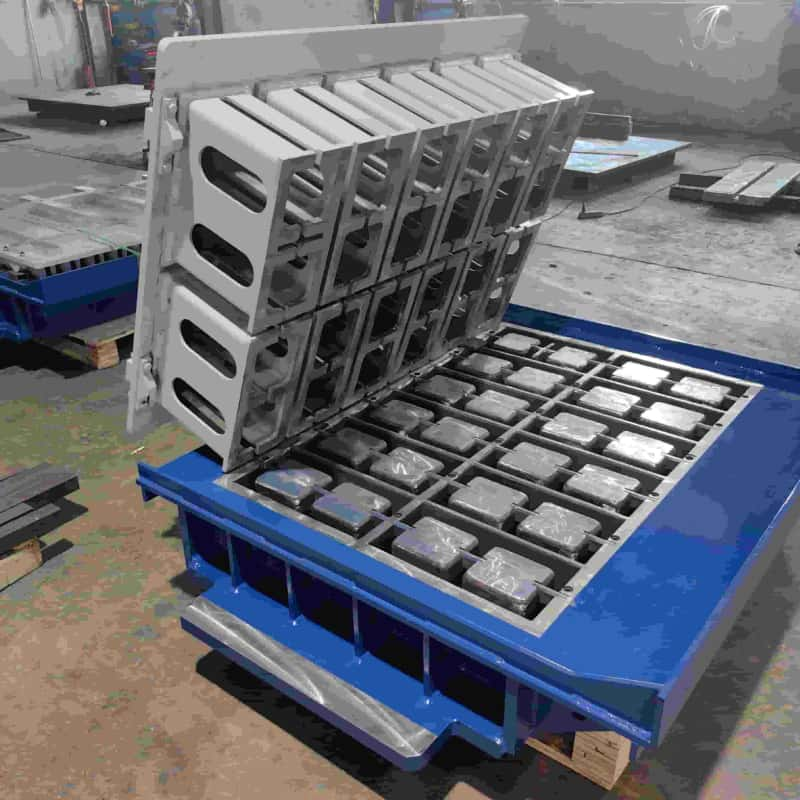
Concrete Block Molds
Hollow Block Mold
Solid Block Mold
Solid Brick Mold
Interlocking Block Mold
Thermal Block Mold
Author:HAWEN Block Mould Manufacturer TIME:2026-10-28
Two decorative paver mold offers are difficult to compare when one refers to an existing smooth face and the other assumes a new relief pattern. Before comparing their totals, establish the appearance reference behind each offer. A shared product name does not make their proposed tooling scope equivalent.
Begin with the visible result you want the tooling review to address, then separate it from the material and production choices that also affect a finished paver's appearance.
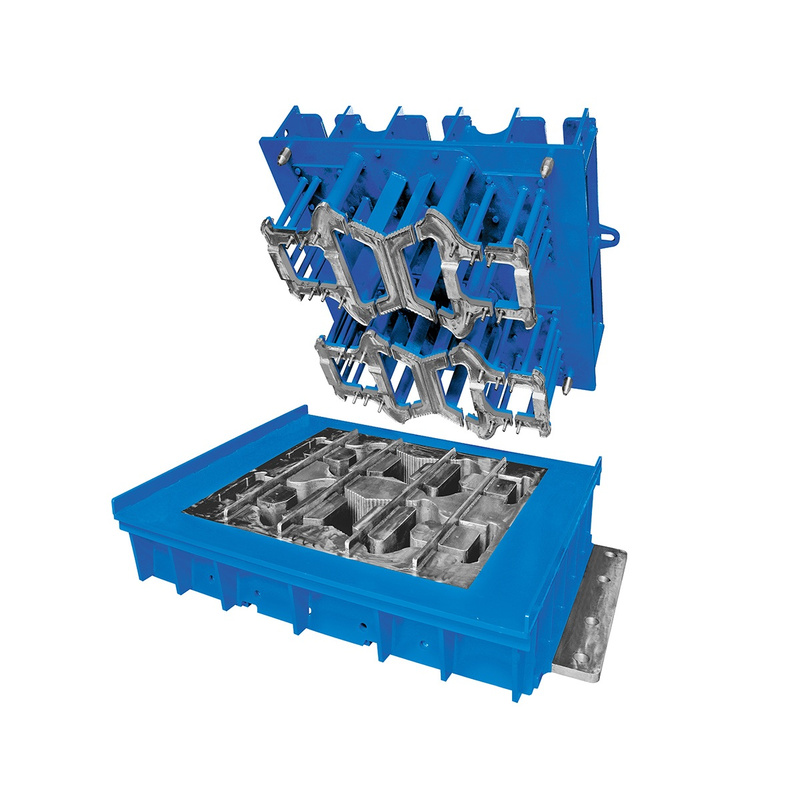
Identify the unit outline, face relief, edge treatment and face variants that matter to the order. A broad term such as stone effect can be a useful starting description, but it does not point to a single agreed surface. Provide the relevant drawing and an identifiable appearance sample or photograph.
If several views or samples are being used, explain what each one establishes. One may show the outline, another the intended face, and a third the arrangement between sizes. Without that explanation, a supplier could interpret the collection as alternatives while the buyer assumes every visible feature is included.
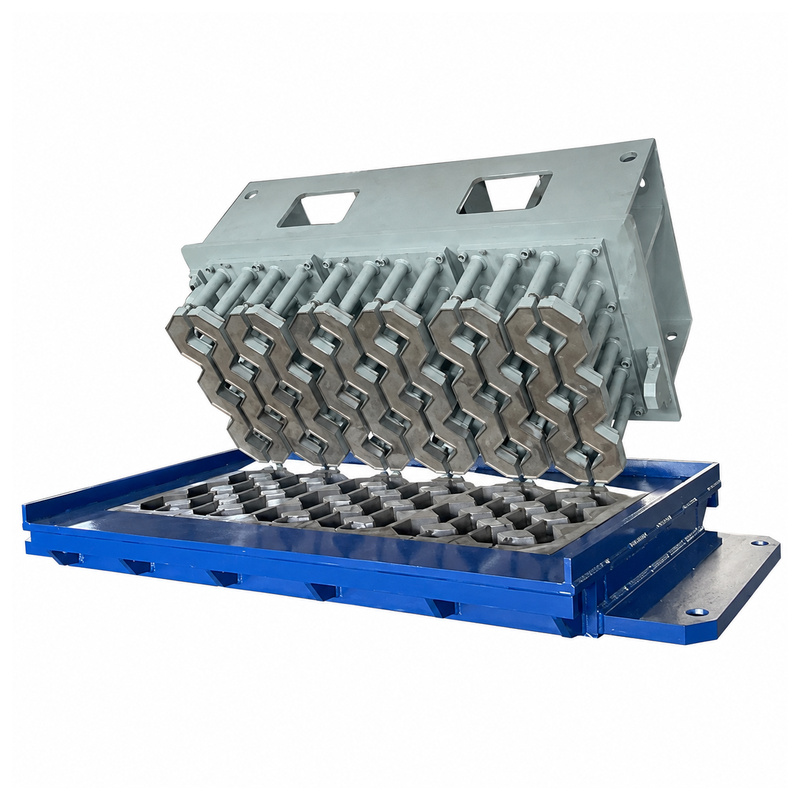
Place the quoted references beside the buyer's intended references. Check whether the offer covers the same unit sizes, face-pattern variants and edge details. Ask the supplier to identify exclusions or items awaiting further design information rather than trying to infer them from a short description.
| Review point | Reference to name | Possible unresolved difference |
|---|---|---|
| Unit outline | Product drawing and revision | One offer may use another size or edge profile |
| Formed face | Accepted relief or face reference | An existing face and a newly developed face may be different scopes |
| Variants | Identified pattern variants | The number or identity of variants may be unstated |
| Appearance review | Sample or laid-panel assessment requirement | Different sample or review assumptions may remain open |
This is a clarification aid, not a list of standard inclusions. The supplier must state what its particular proposal covers. A blank field should become a question; it should not be filled with an assumption that makes the offer look comparable.
The mold discussion addresses the agreed geometry, including the outline, relief and relevant edge features. Colour also depends on the concrete materials and production process. Do not turn a tooling proposal's face description into a promise that the finished pavers will reproduce every colour seen in a photograph.
Where a colour reference matters, identify it separately and describe the production arrangement being considered. Ask which physical samples are required for the intended review. A photograph can introduce a discussion, but its role and limitations need to remain clear when the buyer later records approval.
HAWEN's decorative-paver information asks for both the finished-unit drawing and the surface reference. It also asks for the colour sample and available process. Keep those as distinct items in the enquiry so that the response can distinguish tooling requirements from production appearance questions.
A single unit can help discuss face detail. A small laid panel can also show transitions between shapes, the intended pattern and appearance across neighbouring units. Decide which of those questions matters before asking for samples. Otherwise, a photograph of one attractive unit may be used as a substitute for a range-level review.
Record the identity of the samples, their drawing references and the features reviewed. State whether the review concerns face relief, edge appearance, coordination between sizes or another defined point. If the buyer has not yet chosen between references, show that decision as open instead of marking the whole appearance requirement approved.
If two candidate references remain, compare them by the decision still needed. One may help explain the preferred relief while another shows an edge that must be retained. Tell the supplier that these are separate selections, and ask whether the proposed tooling scope depends on choosing one complete reference or defining a new combination. Do not create that combination merely by attaching both images to the same enquiry. A recorded choice should identify the retained characteristics and the drawing or sample that will define each of them.
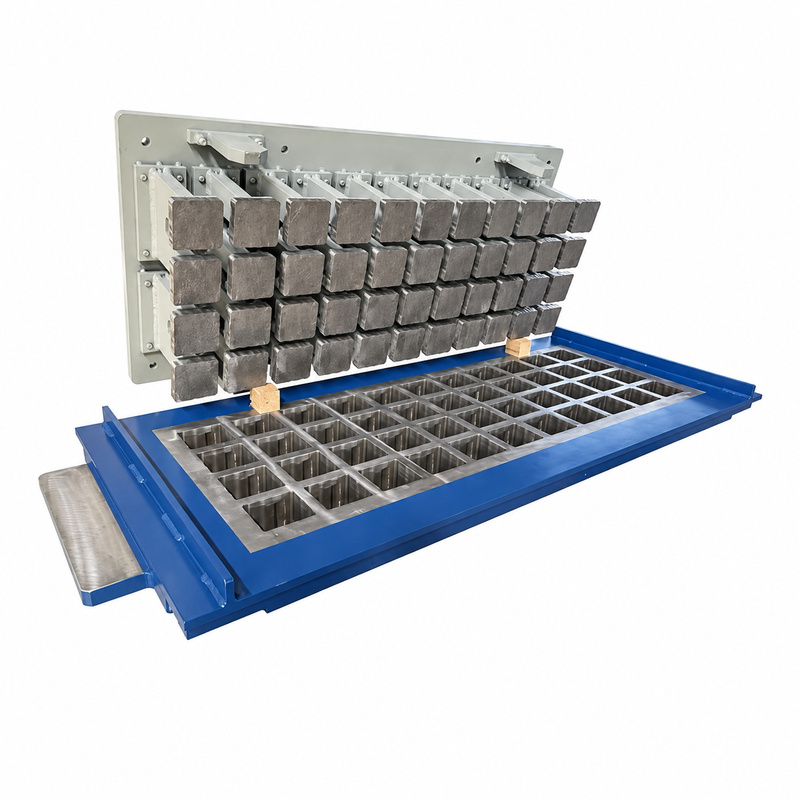
If the preferred face changes after the proposal is issued, send a specific change request. Name the old reference and its replacement, and ask what the change affects. It might require further geometry review, sample clarification or a revised supply scope. The effect should come from the technical and commercial review rather than an assumption that the new image is merely decorative.
Preserve the earlier proposal with its original references. The final agreement should identify the accepted set, including the face variants and any unresolved exclusions. This prevents a later repeat order from depending on a folder of different samples without a record of which one governed the tooling.
When comparing proposals for HAWEN's decorative paver mold range, attach a short reference list to the offer questions. Ask each reply to address that same list. The useful comparison is between defined scopes that can produce a further technical decision, not between two totals carrying the same broad product label.
 Tel: +8618359454595
 Email: sale@hwmachines.com
 MP/WhatsApp: +8618359454595
 Manufacturer Address:Nanan, Quanzhou City, Fujian Province, China