Concrete Block Molds
Hollow Block Mold
Solid Block Mold
Solid Brick Mold
Interlocking Block Mold
Thermal Block Mold
Author:HAWEN Block Mould Manufacturer TIME:2026-10-31
A quantity in a solid brick mold enquiry needs a unit. Mold sets to purchase, cavities in a proposed tool, bricks required by a production plan and samples requested for review describe different requirements. If they are mixed in one conversation, a supplier can answer the wrong question without anyone noticing the change in meaning.
Before asking about output or accepting a tooling quantity, label each number by what it counts and the reference that supports it. This is a purchasing clarification method; it is not a calculation of production capacity.
| Quantity type | What it describes | What it does not establish |
|---|---|---|
| Mold sets | The tooling quantity requested for purchase | The number of bricks formed in a cycle |
| Cavities | The proposed forming positions in a defined arrangement | A confirmed daily production figure |
| Trial samples | The units selected under an agreed review plan | The commercial tooling quantity |
| Production target | The buyer's required finished output over a stated period | A guaranteed result from the mold alone |
Ask the person providing a quantity to identify the relevant drawing or planning reference. For mold sets, the reference may be the purchasing scope. For cavities, it should be the proposed layout under technical review. For sample quantities and timing, use the agreed inspection plan rather than borrowing a number from another order.
The tooling scope also needs a definition. Confirm which mold-box and upper forming components the requested set includes and which parts, if any, are expected to remain in use. Do not assume that every participant uses the word “set” for exactly the same supply boundary.
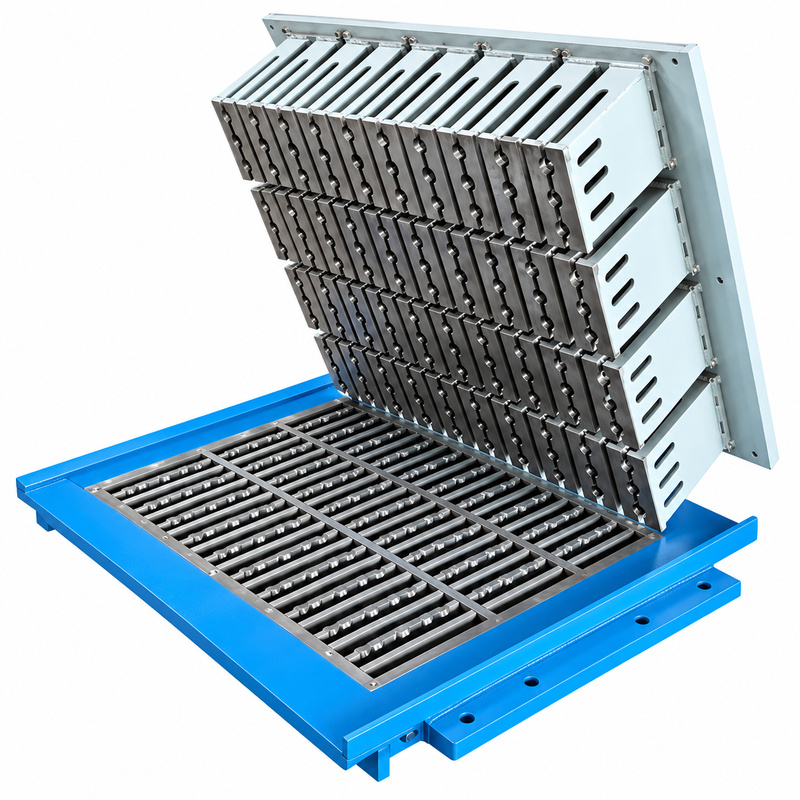
If one enquiry covers more than one brick profile, keep a separate line for each drawing. A combined total of “brick molds” can conceal whether the buyer wants additional sets of one geometry or tools for several different products. State the intended repetition and variants explicitly.
The required output is useful context for the supplier, but the mold layout must be reviewed with actual brick dimensions, molding orientation, machine and pallet. HAWEN's solid-brick product scope includes those inputs together with the requested cavity count. It does not turn a target into an automatic configuration.
Keep a requested cavity count labelled as requested until the proposed arrangement has been confirmed. If the supplier suggests a different layout, ask what product and equipment references support it. Record the resulting proposal rather than retaining the earlier request in a field now labelled “confirmed.”
Do not multiply an assumed cycle rate by an unreviewed cavity count and present the result as guaranteed output. Machine operation, materials, handling and the wider production process require their own assessment. A mold quotation cannot settle every part of that production plan simply by naming a cavity array.
A useful clarification can be short: “This is our finished-brick target; this is the brick drawing; this is our current machine and pallet information; the cavity arrangement remains to be reviewed.” That wording separates a business requirement from the engineering question without pretending the target has already been achieved.
The same distinction matters for additional tooling. An extra mold set might be part of a plant's changeover or replacement plan, but its purchase alone does not prove an increase in line capacity. Describe why the additional set is requested and let the relevant production assessment address the expected result.
When a target is revised, identify which requirement changed. A higher finished-brick target, an additional product drawing and a request for another identical tool are three different updates. Ask the supplier to respond to the specific update and identify any resulting layout or supply question, rather than assuming that all quantities should increase together.
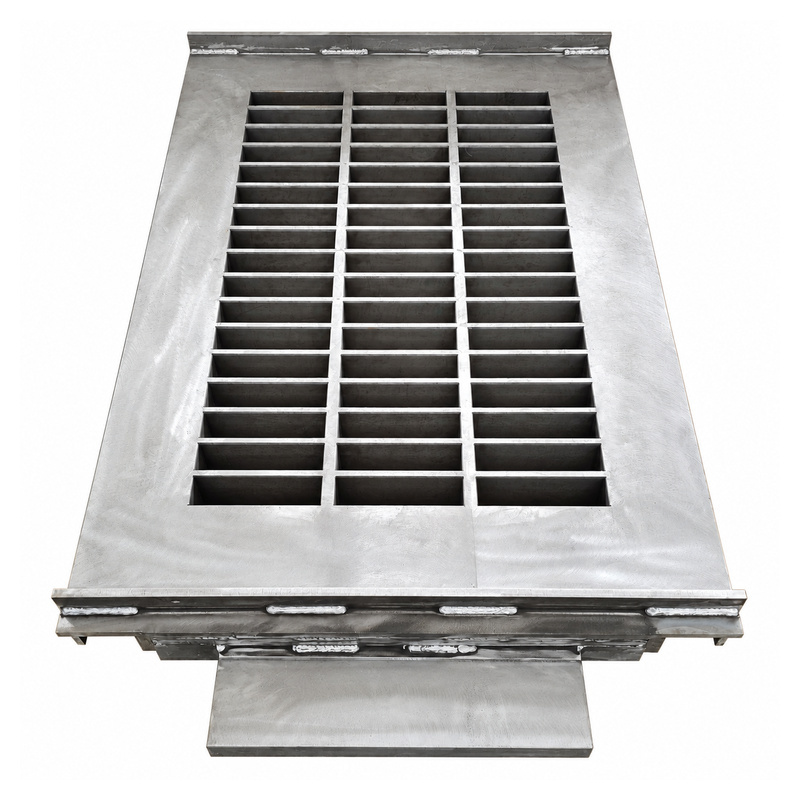
At the end of the discussion, compare the enquiry, proposal and purchasing line items. Each should make clear which quantity is commercial, which is technical and which remains a planning input. Watch for a number copied into a new document without its original unit or status.
If the buyer changes the quantity or adds another profile, ask whether the current proposal still applies to that scope. Do not treat a revised order total as evidence that a new drawing, layout or sample requirement has also been reviewed.
File the agreed quantities with their references rather than in a free-standing note. This gives later purchasing and maintenance teams a way to distinguish the tools supplied from the products the plant intended to make. It also makes a repeat enquiry less dependent on somebody remembering what an earlier “quantity” field meant.
HAWEN's solid brick mold information lists the product, equipment and trial inputs for this discussion. Use those references to ask a precise quantity question. A clearly labelled requirement is easier to review than an impressive output number whose relationship with the tooling is still unknown.

 Tel: +8618359454595
 Email: sale@hwmachines.com
 MP/WhatsApp: +8618359454595
 Manufacturer Address:Nanan, Quanzhou City, Fujian Province, China