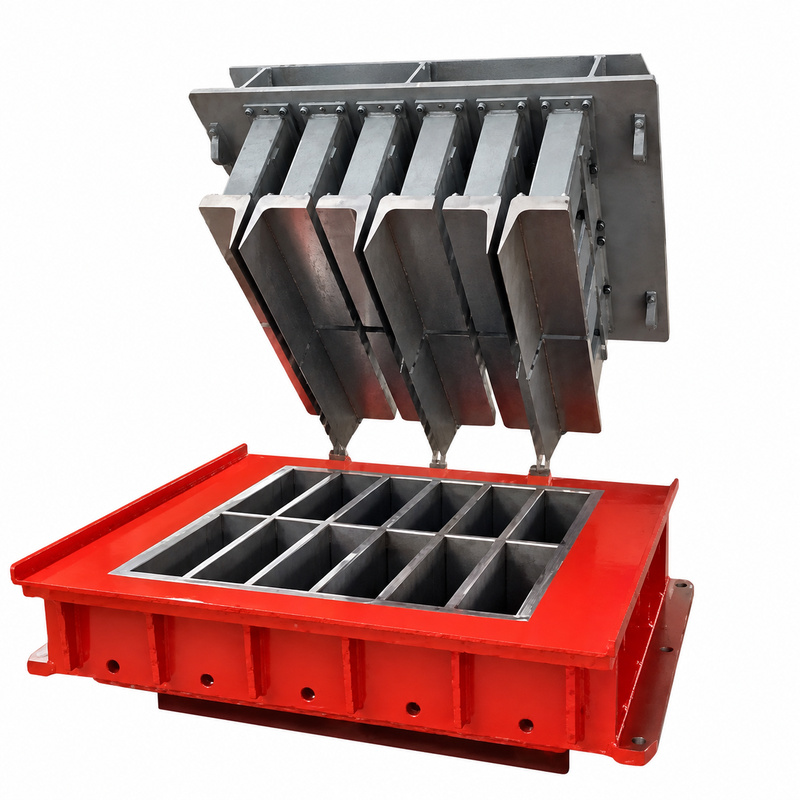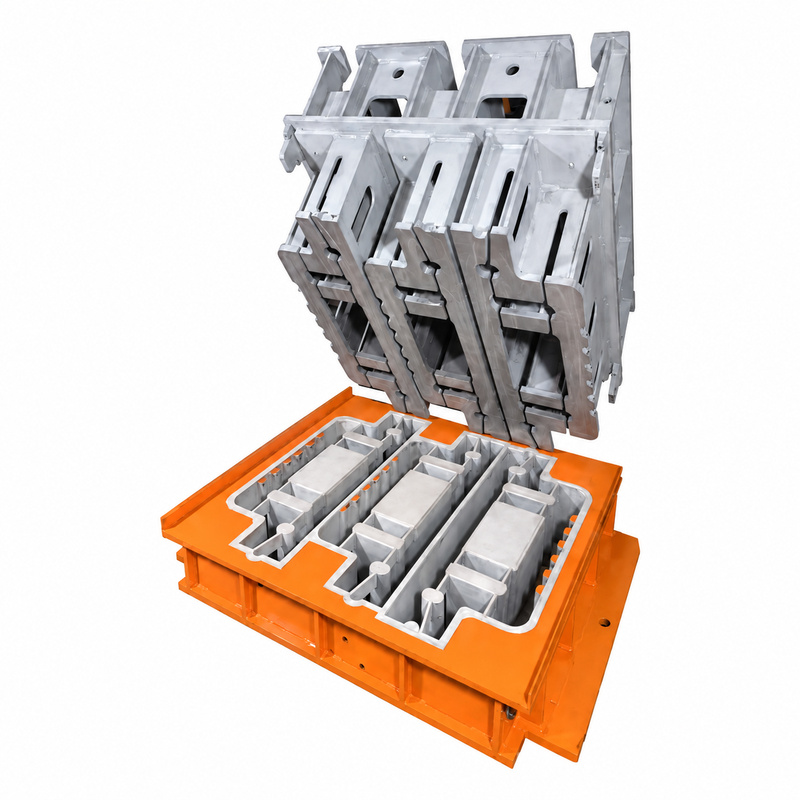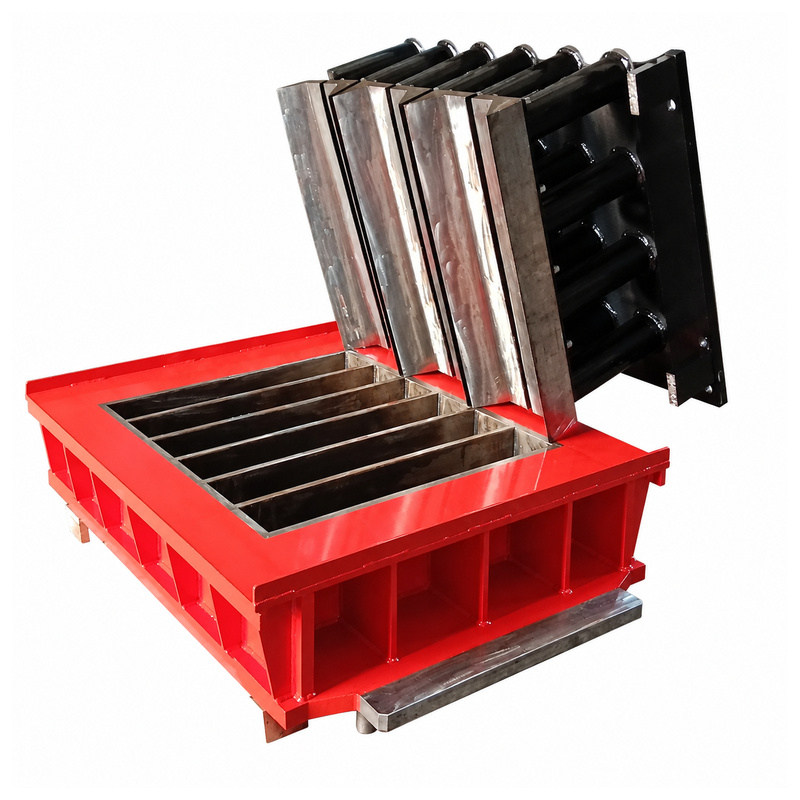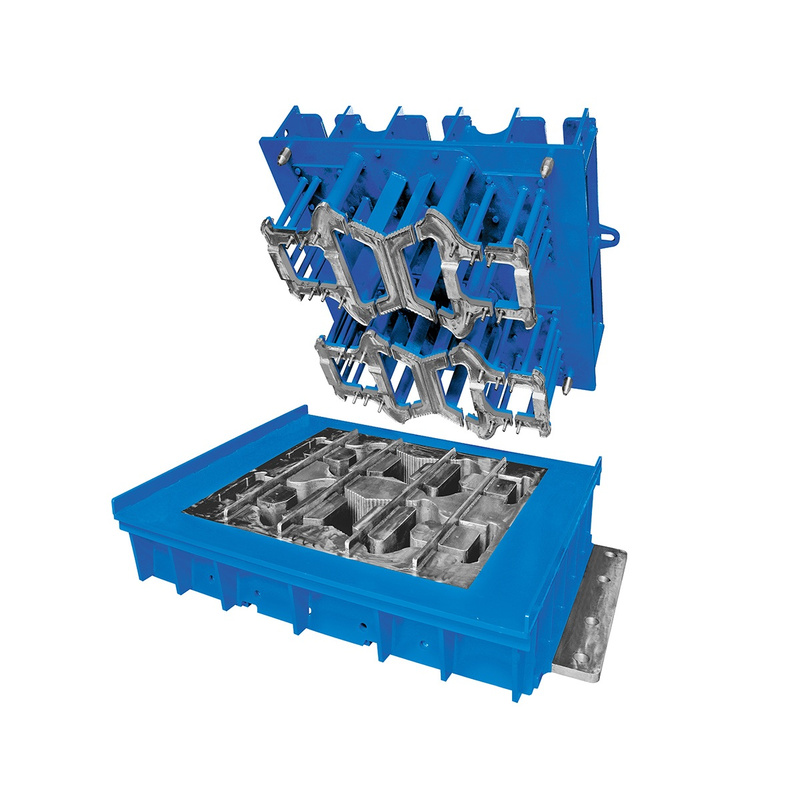
Concrete Block Molds
Hollow Block Mold
Solid Block Mold
Solid Brick Mold
Interlocking Block Mold
Thermal Block Mold
Author:HAWEN Block Mould Manufacturer TIME:2026-11-03
Before a rectangular paver mold is specified, establish what the stated size refers to. A nominal product name, the dimensions of the concrete unit and the repeat of a jointed paving arrangement can be different references. Copying the same size label into all three places leaves the drawing review unresolved.
The buyer does not need to invent a conversion. The enquiry needs to identify the governing unit drawing and the intended pattern and joint references, then ask the responsible technical team to resolve any difference.
Ask the source of a dimension to state which reference it describes. A number taken from an existing unit should be labelled as a measurement of that sample, with the relevant condition and method. A number copied from a product list remains a catalogue reference until its relationship with the required drawing is clear.
HAWEN's rectangular-paver information asks for actual unit dimensions, the intended laying patterns and joint requirements. Its Blog also cautions against assuming a nominal ratio is enough to approve the geometry. Use that distinction to frame the enquiry rather than treating a familiar name as a complete tooling specification.
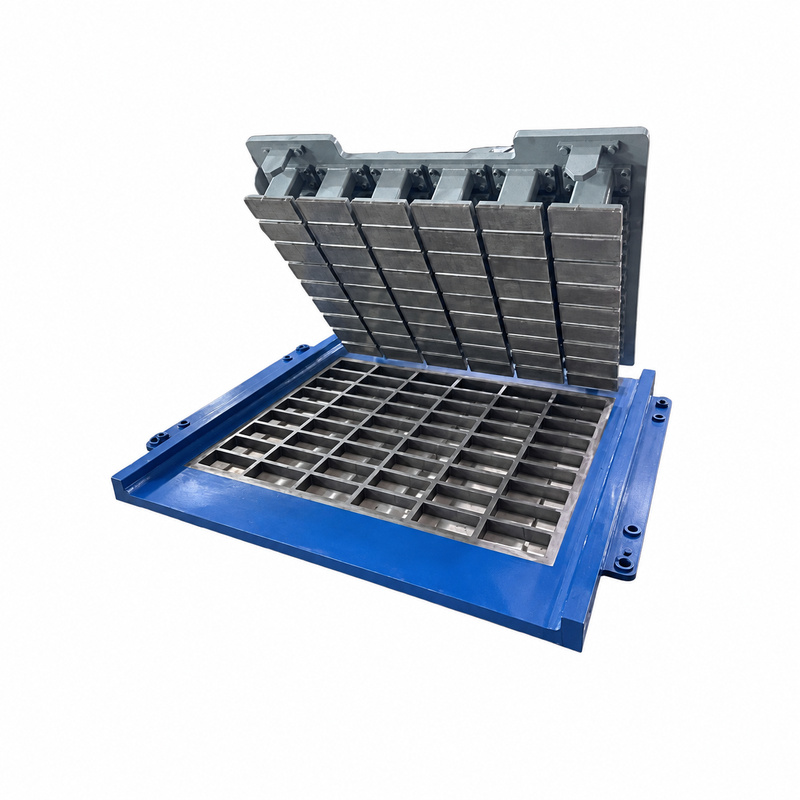
Length and width sound unambiguous until drawings or samples use different references. Confirm which surfaces define the required dimension and how any spacers, chamfers or edge details are represented. The supplier should not have to guess whether a supplied measurement describes the intended concrete body or another feature.
Identify the drawing units and revision. If an existing sample is the starting point, list the dimensions that still need to be established by the responsible reviewer. A photograph with a general size note cannot replace the required dimensional definition.
The purpose is not to prescribe a measurement method in a general article. It is to make the method and references explicit in the technical agreement. The actual locations, tolerances and acceptance checks must come from the approved product and inspection documents.
Keep thickness in the same review rather than treating it as an unrelated sales option. The required unit and its forming arrangement must be defined together. If more than one thickness is proposed, ask what tooling scope each proposal covers; do not infer that one unchanged assembly supports every option.
A laying drawing explains how the units and joints are intended to relate. It is a separate reference from the mold's individual cavity geometry. Ask the project team to identify the pattern being considered, including any companion sizes or borders relevant to the enquiry.
Do not apply a generic subtraction from a nominal size to create a manufacturing dimension. There is no conversion supplied by this article. The actual unit, spacer and joint requirements need to be reconciled through the approved references for the particular product range.
Where several sizes share a paving pattern, review their relationship as a group. An individually clear dimension may still leave a question about the common repeat or transition to another unit. The relevant designer should resolve that relationship, and the tooling enquiry should name the resulting drawings.
Use trial-unit measurements and a representative laid sample for their respective agreed purposes. Measurements address defined features of the units; the sample arrangement helps examine the intended relationship and appearance. One cannot silently substitute for the other.
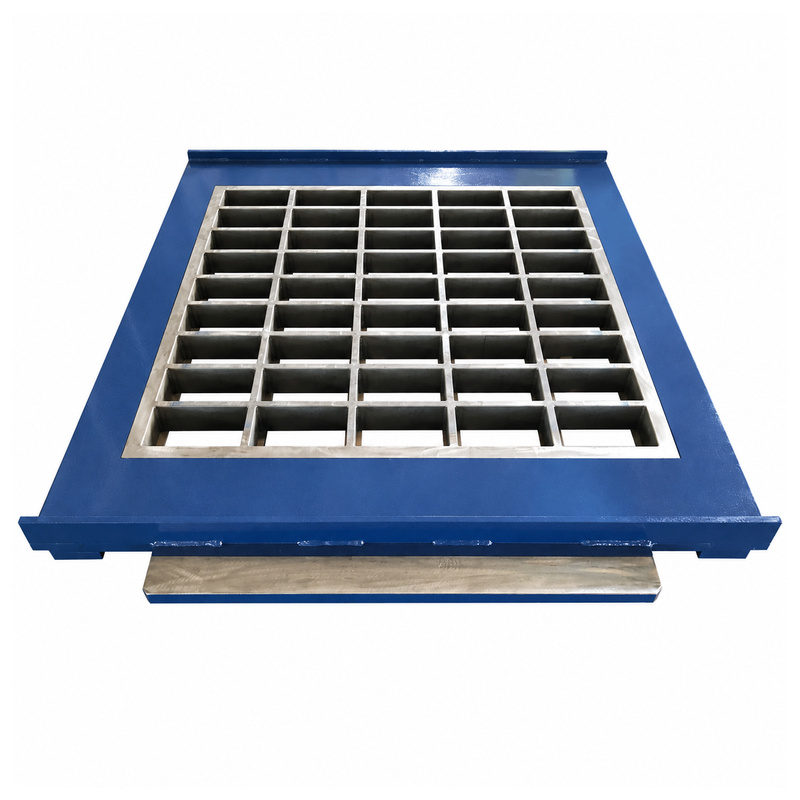
When a commercial size label and the drawing use different descriptions, keep a short note explaining their relationship. Name the product label, the governing drawing and the pattern reference. If the relationship is not yet confirmed, state that status rather than presenting a provisional interpretation as an accepted dimension.
This note is particularly useful when purchasing, production and a separate design team prepare different parts of the enquiry. Each recipient should be able to tell which size reference governs the requested tooling and which remains descriptive background.
Check the supplier's reply against the same references. If it repeats the nominal label without identifying the unit geometry, ask for the outstanding clarification. If a later drawing changes, review whether the earlier size note and pattern reference still apply.
The information for HAWEN's rectangular paver mold review includes the unit, edge, joint, machine and pallet requirements. Send them as connected but distinct references. The result should be one defined product requirement, not several interpretations of the same size label.

 Tel: +8618359454595
 Email: sale@hwmachines.com
 MP/WhatsApp: +8618359454595
 Manufacturer Address:Nanan, Quanzhou City, Fujian Province, China