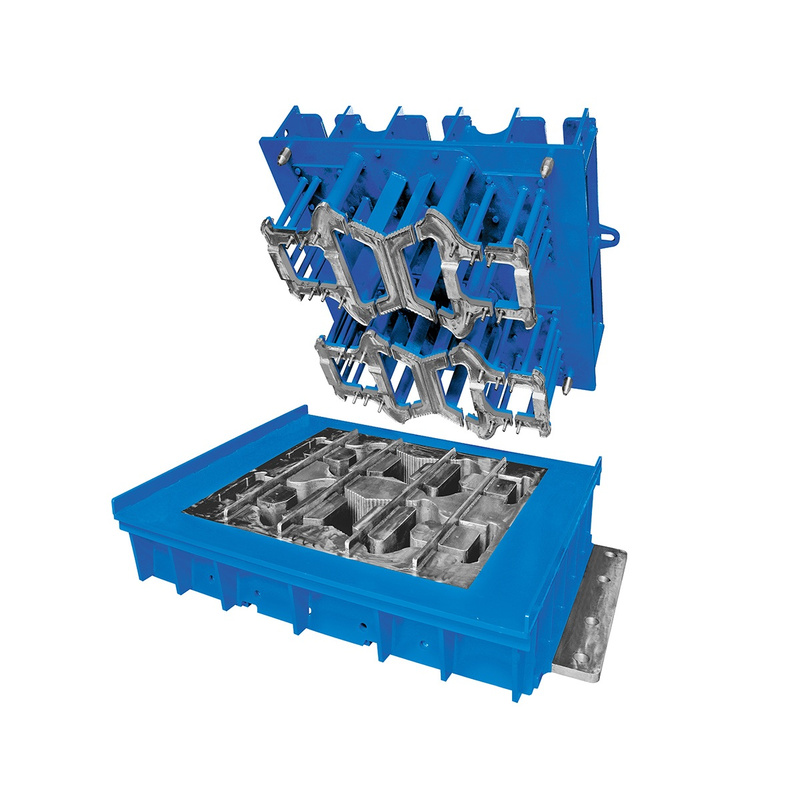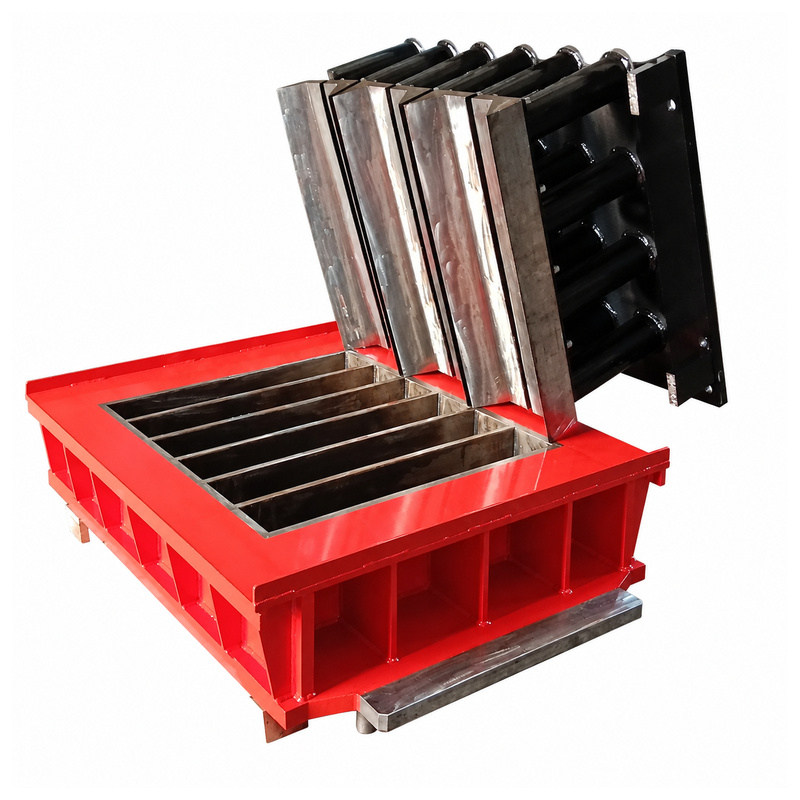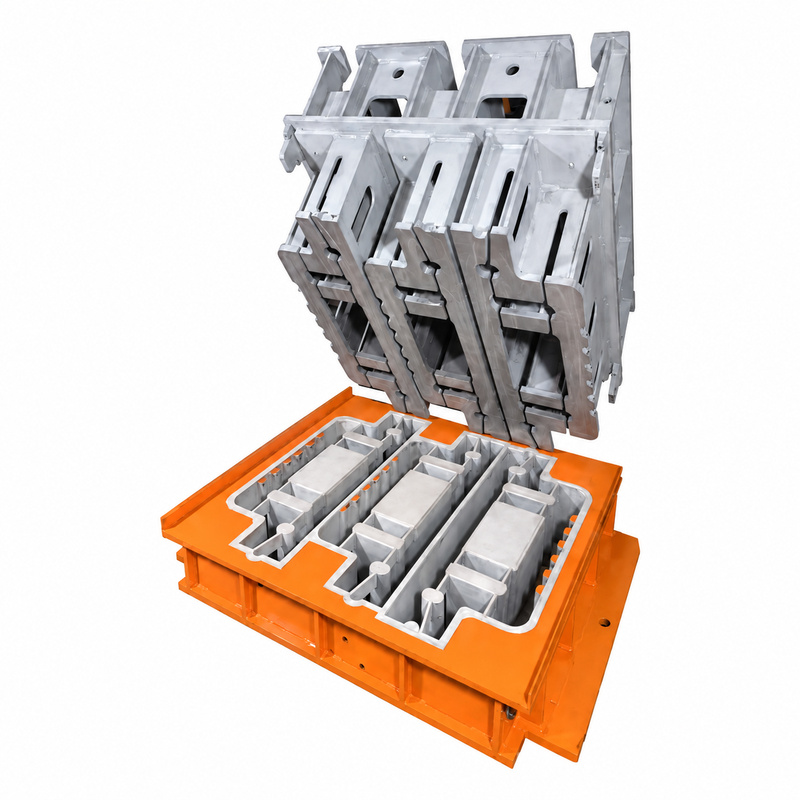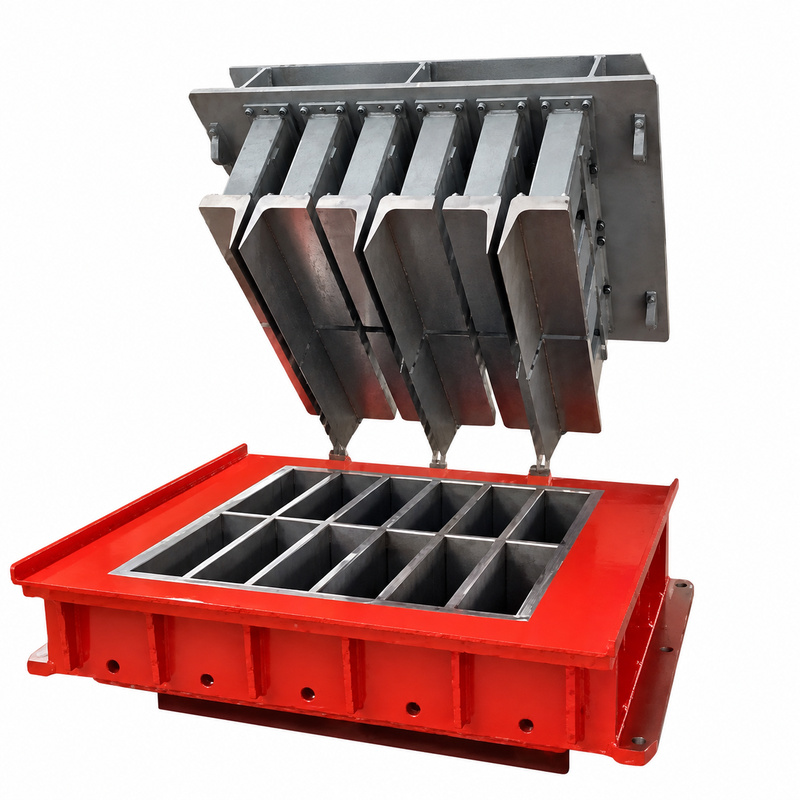
Concrete Block Molds
Hollow Block Mold
Solid Block Mold
Solid Brick Mold
Interlocking Block Mold
Thermal Block Mold
Author:HAWEN Block Mould Manufacturer TIME:2026-11-01
Two masonry blocks can both be called interlocking and still require different mating profiles. When comparing samples from different sources or production periods, keep their identities separate until their intended relationship is established. Similar appearance is a reason to investigate the geometry, not proof that the samples share a mold design.
A useful paired-sample review asks what the buyer needs to retain, which surfaces actually meet and what evidence will define the target product. It does not begin by declaring one sample a copy of the other.
Label the samples individually and describe where each came from, if known. One may be a current production unit, another a proposed reference supplied by a buyer. A sample of uncertain origin can still communicate an idea, but its missing history should remain visible.
State what is being compared. The buyer might want to retain one unit's visible face while reviewing another connection detail. Alternatively, the question may be whether a new unit can work with an existing companion. These are different design discussions, and neither is answered by saying the blocks look alike.
Record obvious damage or missing material before taking the sample as a reference. An incomplete edge should not silently become the desired profile for new tooling. Use the approved measurement method to establish the dimensions needed for the enquiry, and keep condition observations separate from target requirements.
Use consistent viewing references when presenting the pair. If the photographs show different orientations, label them rather than asking the supplier to infer which surfaces correspond. Keep the sample identifiers in the captions or accompanying sketch so a later question about one profile cannot accidentally be answered using the other sample's evidence.
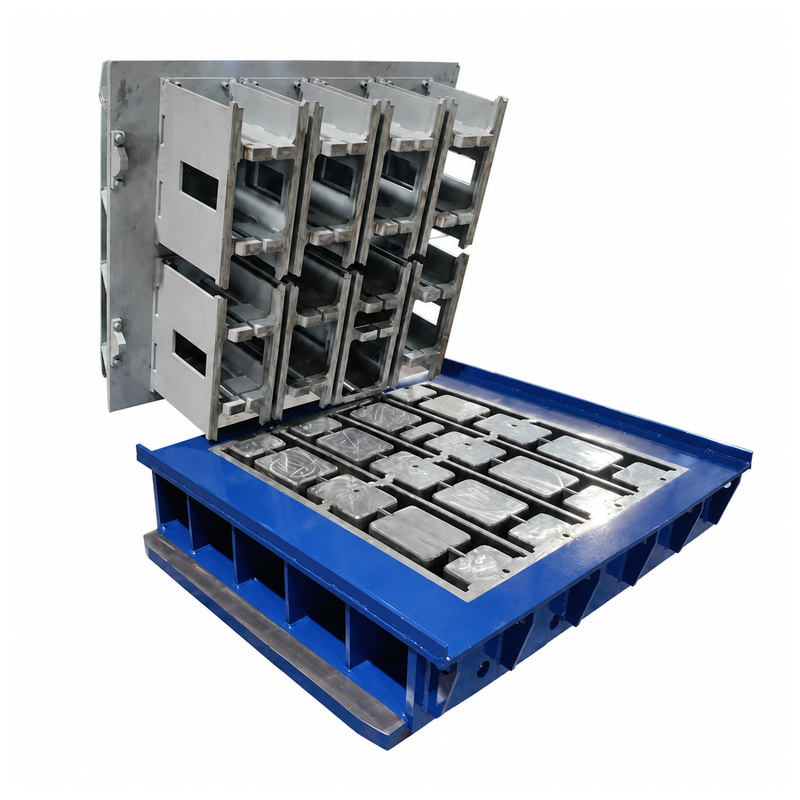
An isolated profile is only one side of a relationship. Identify the companion surface it is intended to meet and include its drawing or usable sample reference. A review of the new block alone cannot establish every requirement of a retained companion whose geometry is still unknown.
HAWEN's interlocking masonry page asks for both mating surfaces, intended clearances, core arrangements and the required standard or special units. Numerical clearances must come from the approved technical references; this article does not provide a universal gap or fit rule.
Describe the unit types in the proposed range. A standard block, half unit, corner or end piece can introduce another mating relationship. Keep those references separate so that approval of one pair is not extended to an unrepresented companion.
Use the intended function of each feature to organise the comparison. Which surface locates the next unit? Which opening belongs to the product requirement? Which face is primarily an appearance reference? The responsible designer or technical reviewer should confirm those purposes instead of the purchasing team inferring them from the shape.
Do not reduce the review to a single outside dimension. Matching length or height would not answer whether the profiles, core details or intended companions are the same. Equally, a visible difference does not by itself prove that either sample is incorrect; they may represent different requirements.
If the references conflict, show the difference and ask for clarification. Selecting the sample that looks newer is not a substitute for establishing the target drawing. A clear record can retain both examples without suggesting they are approved alternatives.
Where a representative sample arrangement is required, agree which units it includes and what it must demonstrate. HAWEN's product information distinguishes individual measurements from review of seating and alignment across an arrangement. The relevant plan should define how those observations will be assessed.
A sample exercise is not an invitation to force mismatched units into place or modify them until they appear to fit. If a relationship is unclear, record the observation and obtain technical direction. The finished-product requirements should not be changed informally during a review simply to produce an attractive demonstration.
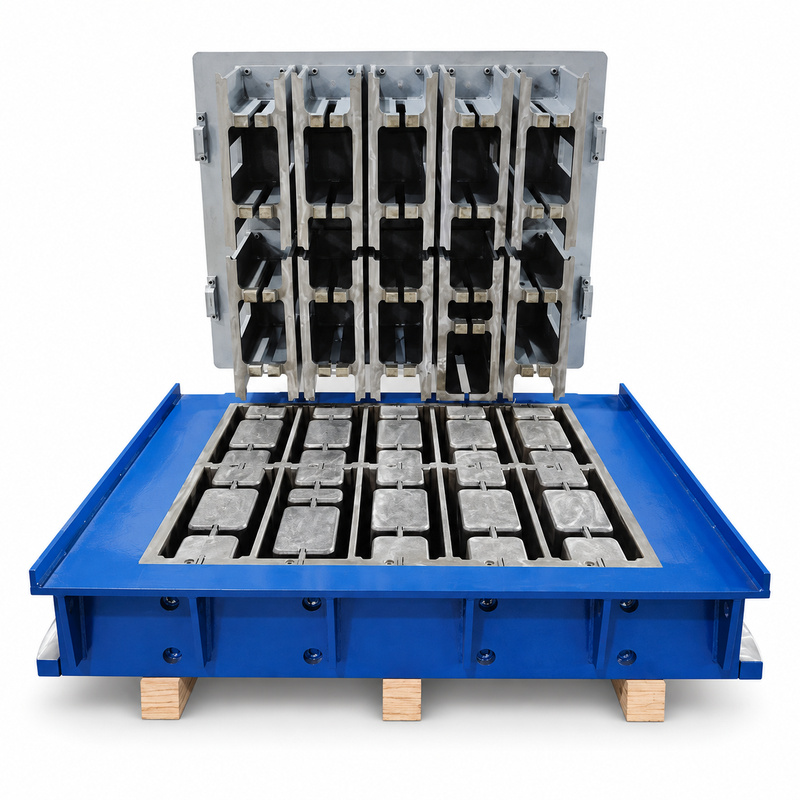
Keep the scope of the result explicit. A sample can provide evidence about a specified fit or alignment question without proving wall strength or a mortar-free installation method. Those conclusions require the relevant system design and assessment; an interlocking outline alone does not supply them.
Before the tooling enquiry becomes an order, identify the drawing that defines the required new unit and its companions. State which features from the comparison were selected and which references were not adopted. A folder containing two competing sample photographs is not a single approved specification.
If an existing unit must remain compatible, identify that requirement and the evidence supporting it. Ask the supplier which additional drawing or inspection information is required. Compatibility should be reviewed against that named arrangement, not inferred from an established local product name.
For HAWEN's interlocking block molds, send the labelled sample comparison together with the target geometry, intended companions and machine details. Make the request specific enough that the reply can confirm what has been understood and what remains unresolved. That is more useful than asking the mold maker to choose between two similar-looking blocks without knowing which relationships matter.

 Tel: +8618359454595
 Email: sale@hwmachines.com
 MP/WhatsApp: +8618359454595
 Manufacturer Address:Nanan, Quanzhou City, Fujian Province, China