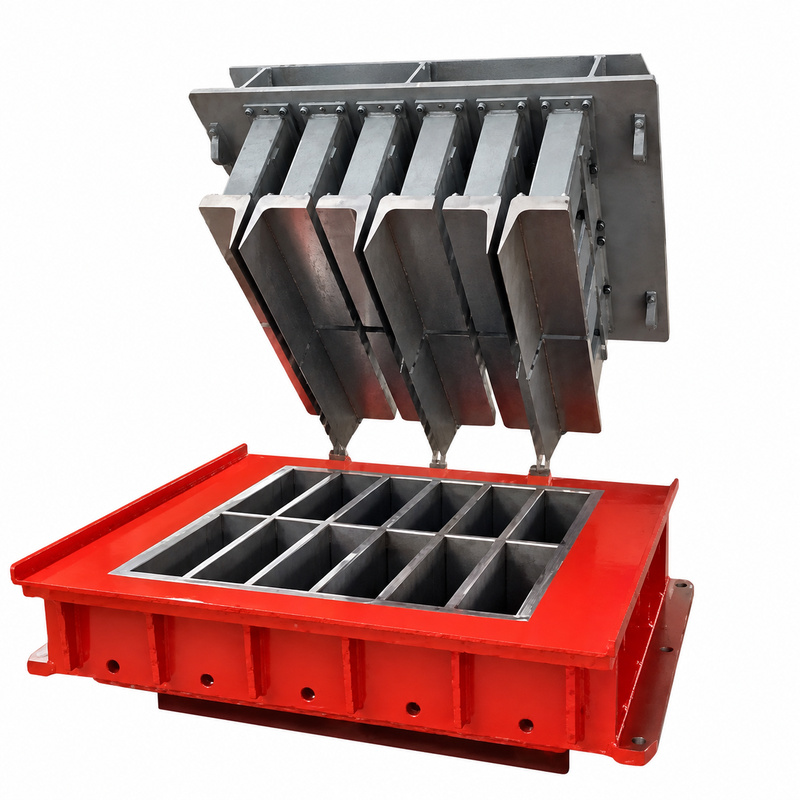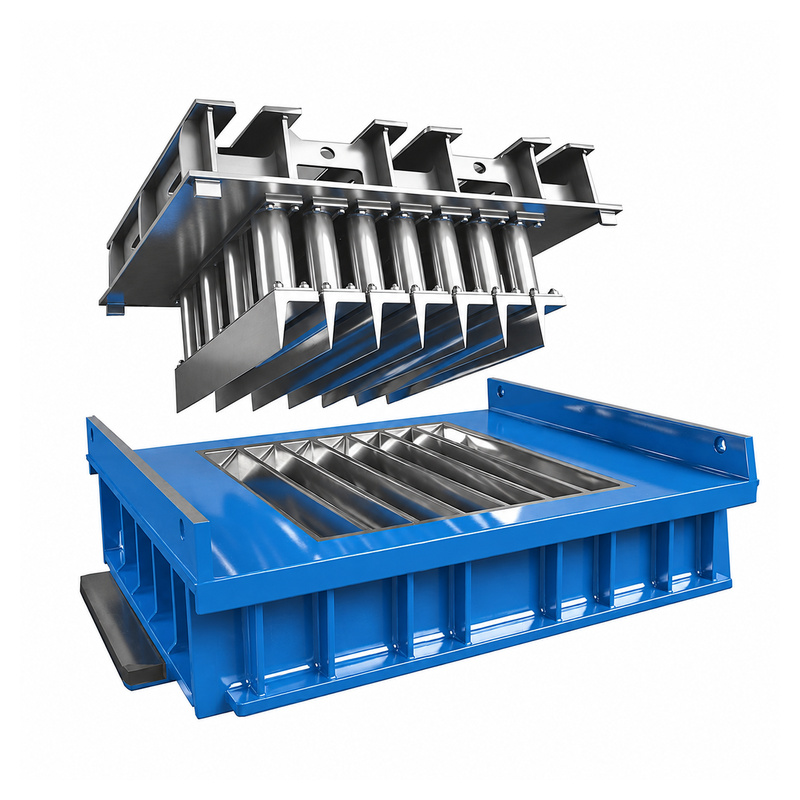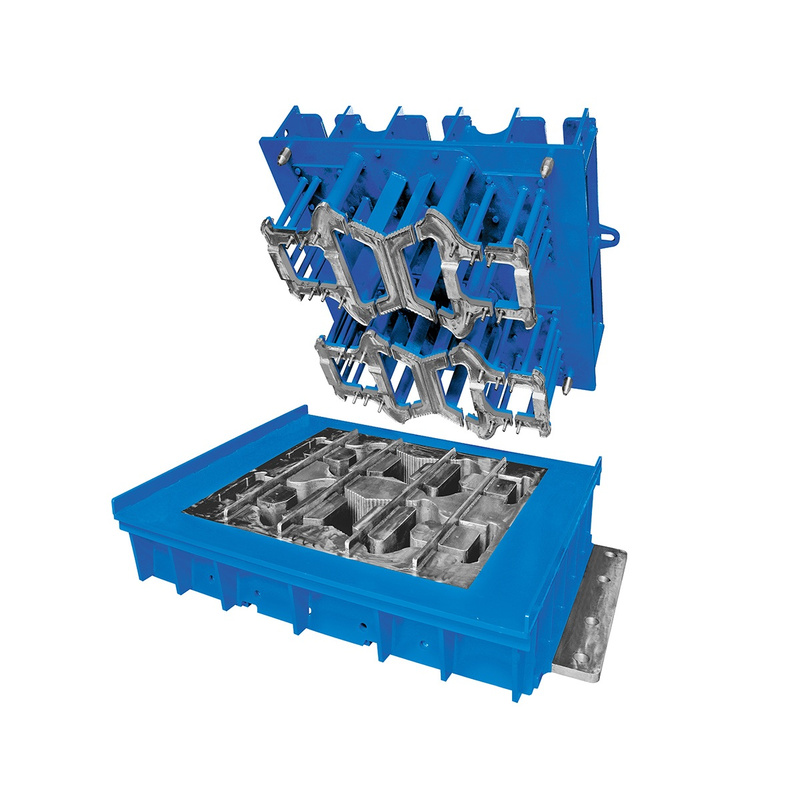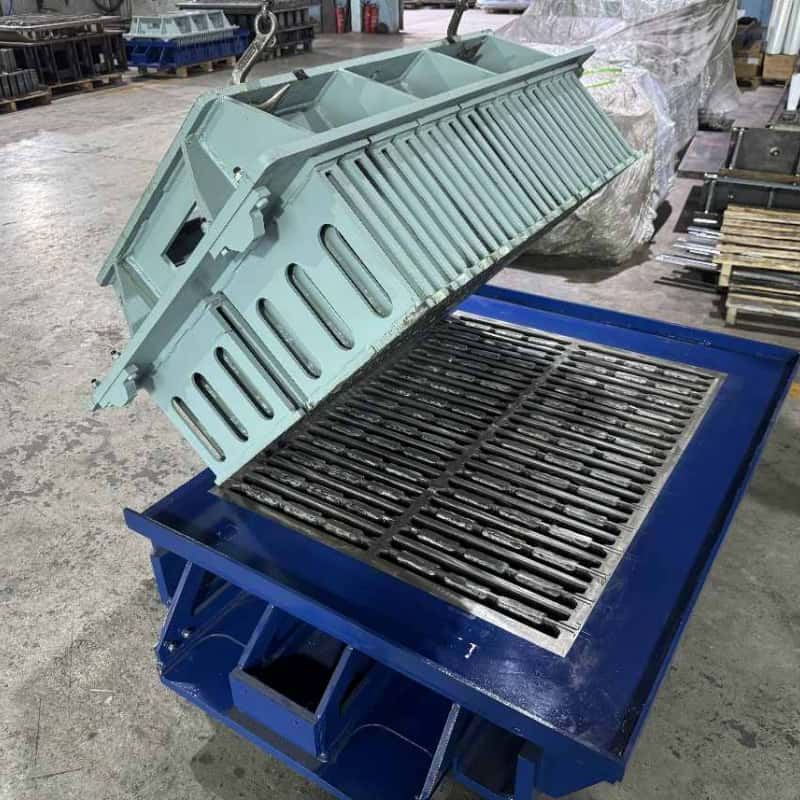
Concrete Block Molds
Hollow Block Mold
Solid Block Mold
Solid Brick Mold
Interlocking Block Mold
Thermal Block Mold
Author:HAWEN Block Mould Manufacturer TIME:2026-11-04
For a remote discussion of kerbstone appearance, a useful photograph answers a named question about an identified sample. It does not replace the product drawing or establish every acceptance requirement. Plan the views around the face, edge or transition the reviewer needs to discuss.
Start by agreeing the limits of the remote review. The parties may be using images to clarify an appearance reference, select questions for a later inspection or compare a proposed sample with an agreed reference. Those are different purposes from final dimensional or technical acceptance.
Give the sample a reference that stays with its images and accompanying notes. Identify the relevant product drawing and revision, the unit type and the visible face under discussion. If a sample is a development piece or comes from an existing project, state that role.
Include an overall view before the detail views. A close-up of an edge is easier to interpret when the recipient can locate that edge on the same unit. Use a consistent label or a separate marked reference view to connect the images without hiding the original evidence.
If a comparison uses more than one sample, keep their labels visible in the file list. Do not combine images from different units into a set that appears to describe one sample. Record any known damage or condition difference relevant to the discussion.
A photo request is more useful when it says what the reviewer needs to locate. Ask for the defined visible face, the relevant edge or the connection with a companion sample. The person preparing the images can then explain which feature each view addresses.
| View | Question it can support | Reference to retain |
|---|---|---|
| Whole sample | Which unit and orientation are being discussed? | Sample ID and product drawing |
| Defined visible face | Which surface characteristic needs clarification? | Face label and intended appearance reference |
| Relevant edge detail | Where does the stated observation occur? | Location linked to the overall view |
| Companion junction, if relevant | Which visible transition is being reviewed? | Both sample identities and arrangement reference |
Keep original images available. If an annotated copy is useful, identify it as such and retain the unmarked version. Do not retouch a surface to make the reference look cleaner or combine details from several samples without explaining the change.
If a detail view is cropped, keep its relationship with the overall image clear. A cropped edge can be useful for discussing a local feature, but it should not be presented as a complete view of the face. Explain whether an attached file is the original, a selected detail or a marked discussion copy. This helps a reviewer return to the same evidence when a later comment refers to that location.
Use clear, repeatable viewing conditions where practical, and describe any conditions that complicate interpretation. A shadow, wet surface or different viewpoint can make comparison difficult. If the evidence is unclear, request another view or an appropriate physical review rather than turning uncertainty into an acceptance decision.
A photographic view does not define the kerbstone's length, cross-section or straightness. HAWEN's curbstone product information asks for dimensioned geometry and a separate appearance reference. Use the approved measurement and inspection method for actual dimensional conclusions.
Likewise, do not treat a screen image as an automatic colour standard. If colour or face-mix appearance is part of the requirement, identify the agreed physical reference and the assessment method. The remote image may help explain a question without settling it.
State the feature actually reviewed. A visible face comment is not confirmation of hidden surfaces, the complete unit geometry or machine fit. If a reviewer needs information that the current views do not show, list it as an outstanding item.
For a junction between straight and companion units, identify which arrangement the images represent. A close-up can support discussion of a specific transition while leaving another corner, radius or special unit outside the review. Keep that limit with the comment.
A useful reply names the sample and image, describes the observed feature and states the next decision. It may confirm an appearance reference within the agreed scope, request a clearer view or identify a point requiring physical or dimensional assessment.
Avoid a general “approved” attached to a long message containing several different questions. Ask which references the approval covers and which conditions remain open. If the reviewer has only assessed the front face, keep that scope explicit.
Where a change is requested, identify the feature rather than asking for the sample to “look better.” Explain the reference against which the difference is being discussed. The supplier can then review whether the request concerns the product geometry, the appearance target or more information about the current sample.
Keep the reply with the labelled image set and drawing revision. If a later sample replaces the earlier one, preserve their separate identities. A new image should not silently overwrite the evidence behind a previous decision.
The enquiry for HAWEN's curbstone mold profile and appearance review can include this view list alongside the actual cross-section, machine and pallet information. Use the remote discussion to resolve clearly bounded questions and record what still requires the agreed technical acceptance process.

 Tel: +8618359454595
 Email: sale@hwmachines.com
 MP/WhatsApp: +8618359454595
 Manufacturer Address:Nanan, Quanzhou City, Fujian Province, China