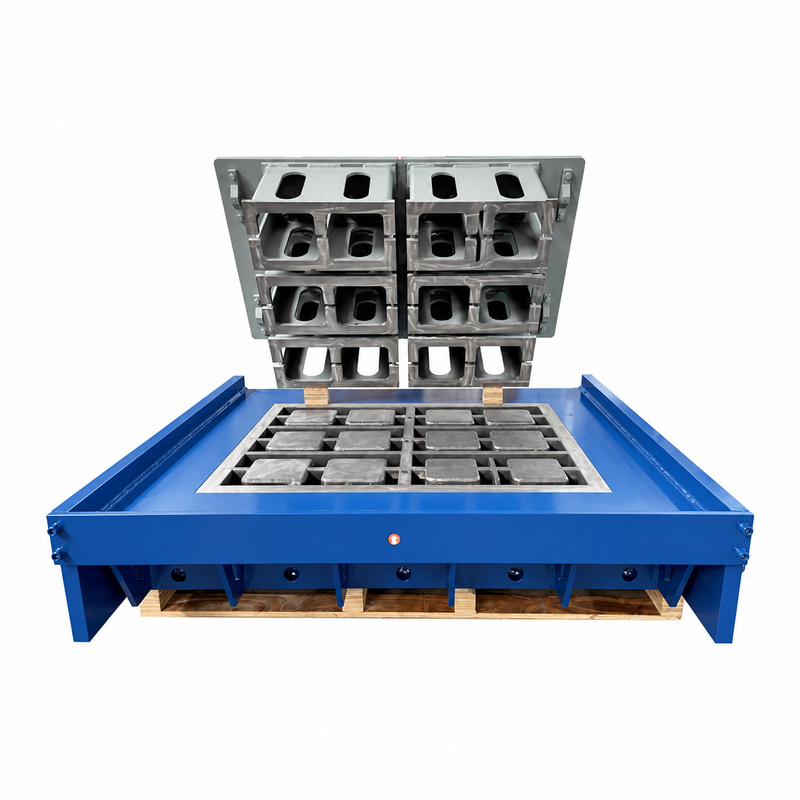
Concrete Block Molds
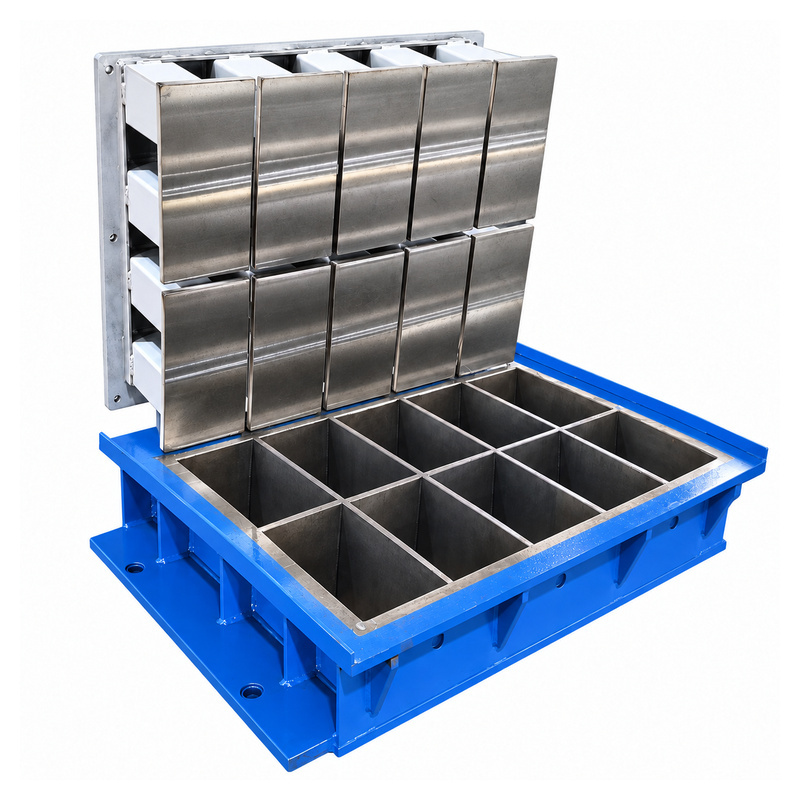
Hollow Block Mold
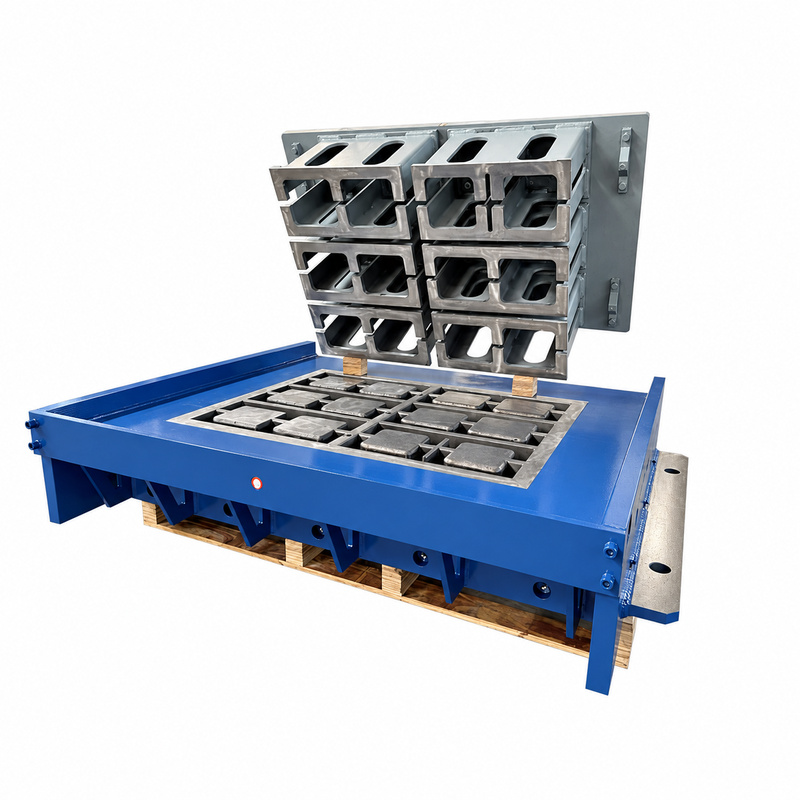
Solid Block Mold
Solid Brick Mold
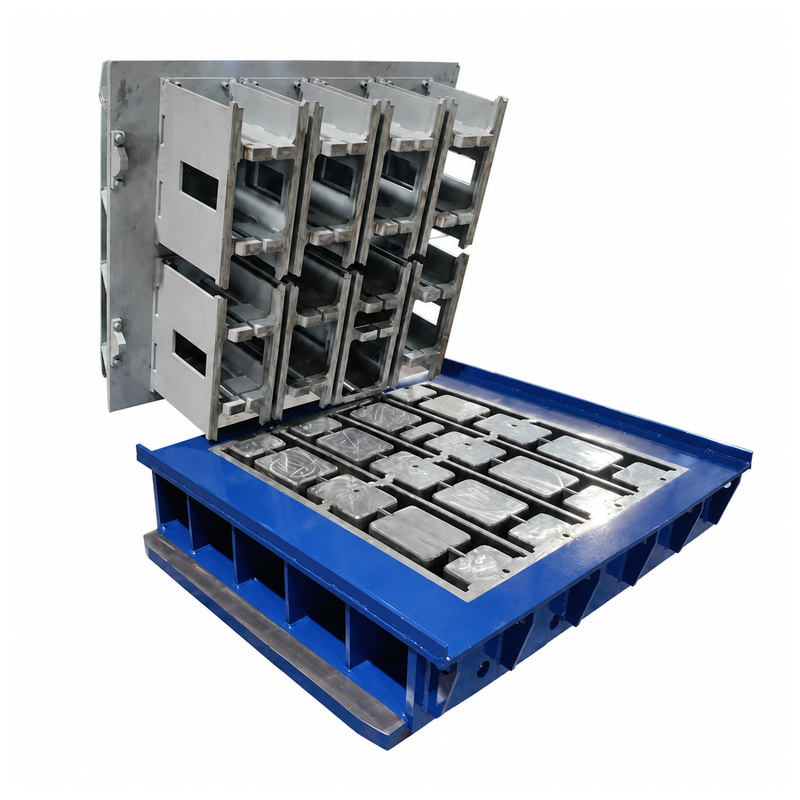
Interlocking Block Mold
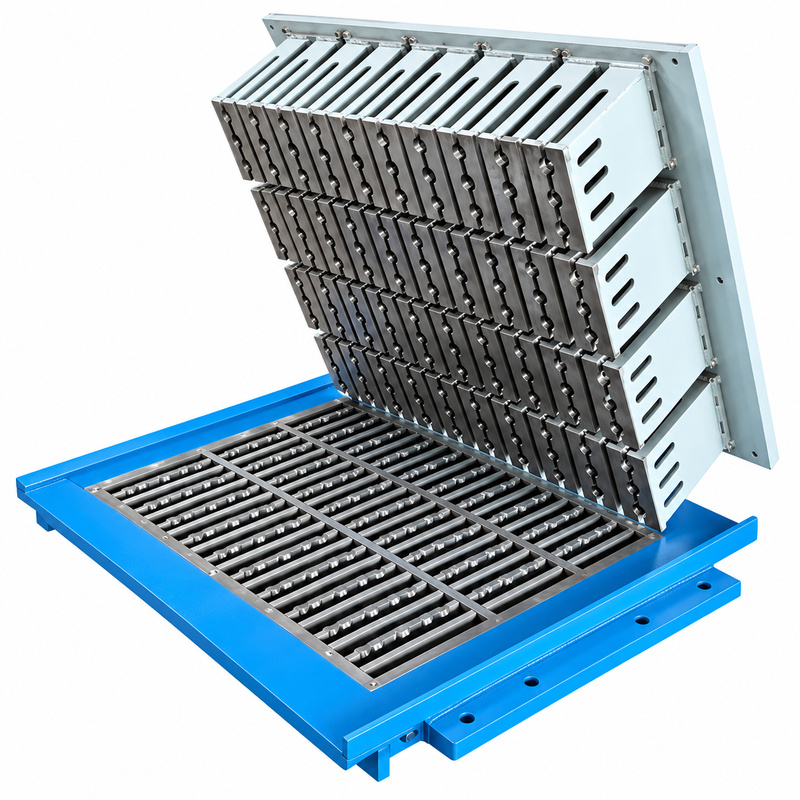
Thermal Block Mold
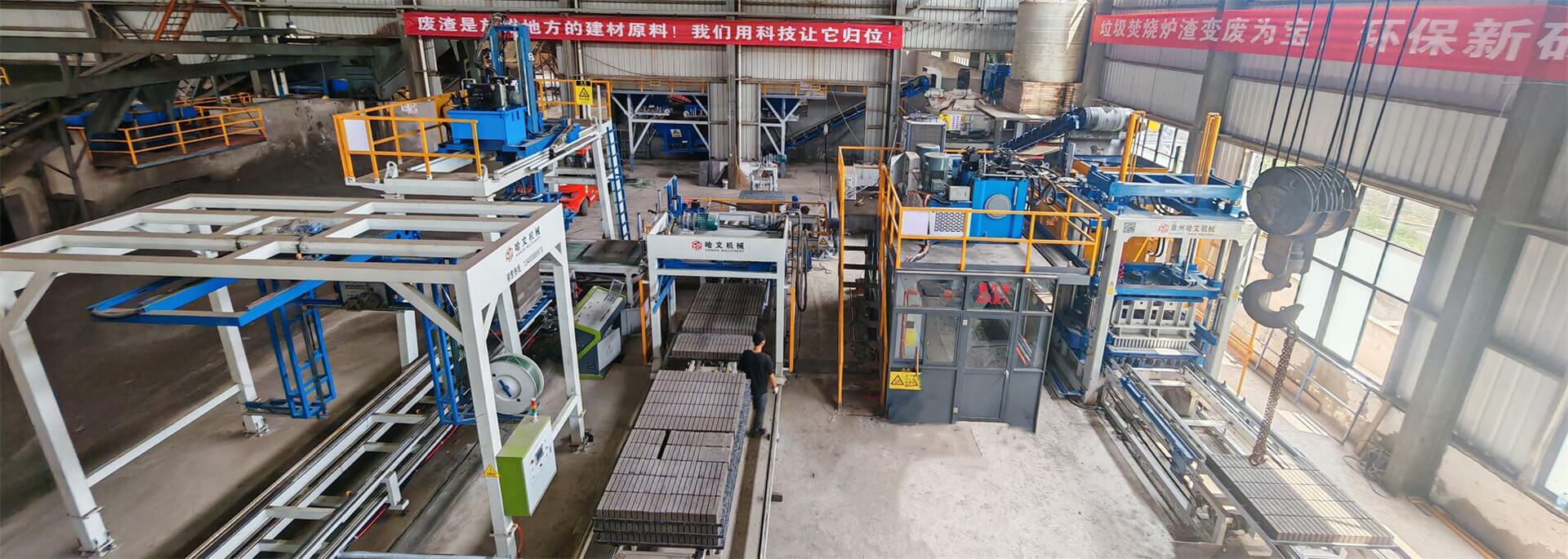
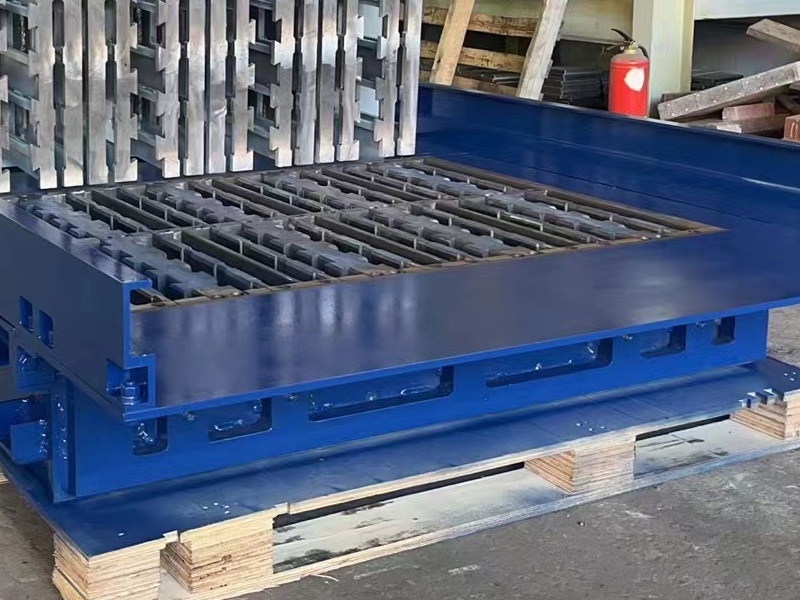
Make the HESS mould handover easier to check. Agree cavity and mounting checks, identify the assembly revision, and record wear observations so a later replacement discussion refers to the correct forming components and tool....
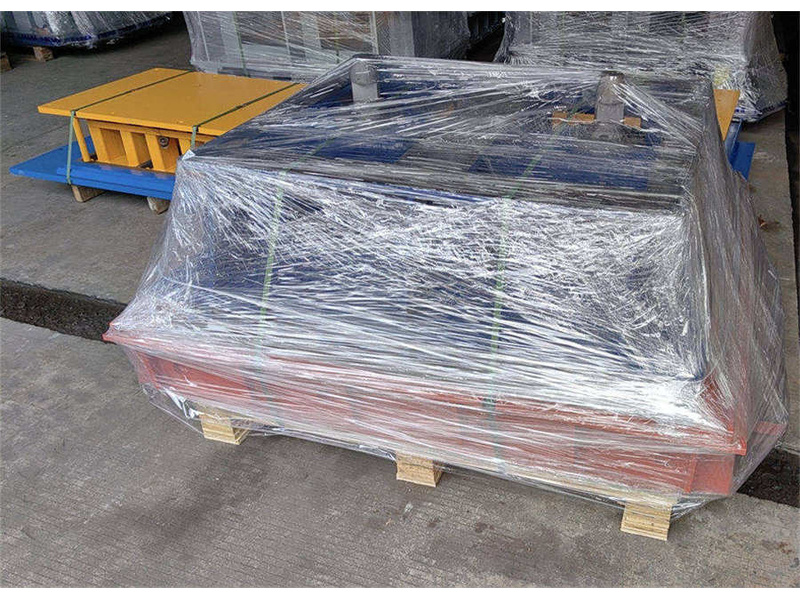
Keep your MASA mould order clear from assembly review to delivery. Agree checks and packing, then retain labelled condition views to support receiving checks and later discussions about wear or replacement parts....
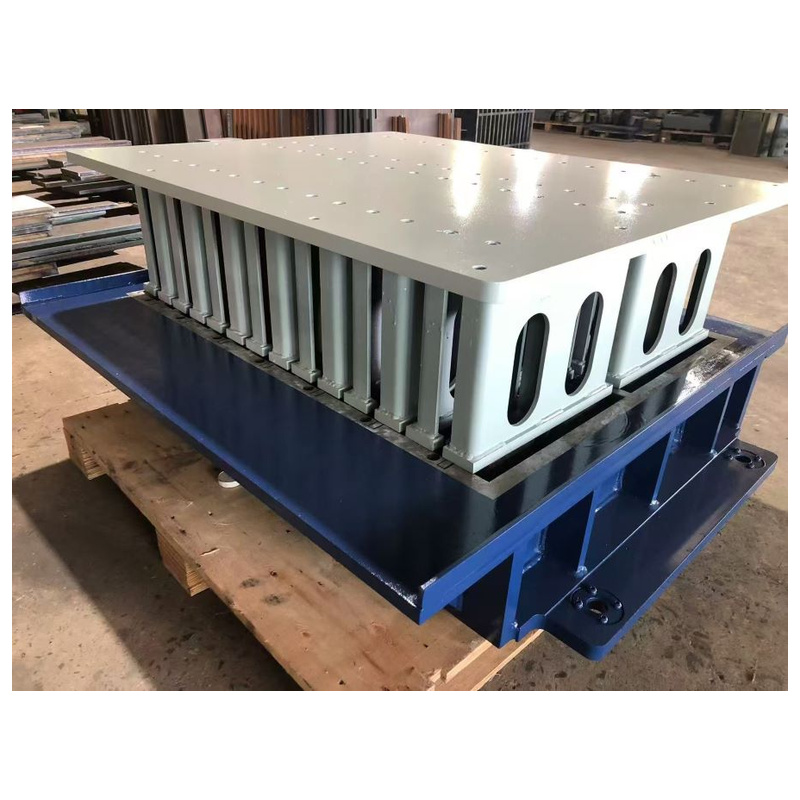
Keep a POYATOS repeat order tied to the right mould and block drawing. Record the current assembly, profile changes and wear observations so replacement discussions have clear references for dimensions, connections and supplied parts....
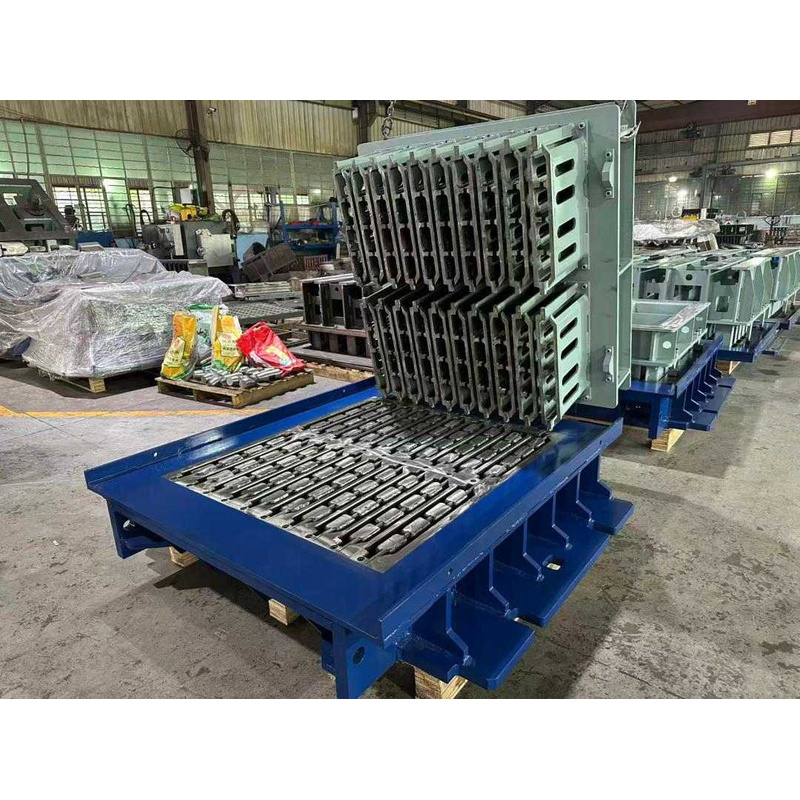
Make QUADRA tooling checks easier to interpret by naming the mould, drawing and cavity locations. Agree inspection records before shipment and retain condition views so later wear or replacement enquiries refer to the correct assembly....
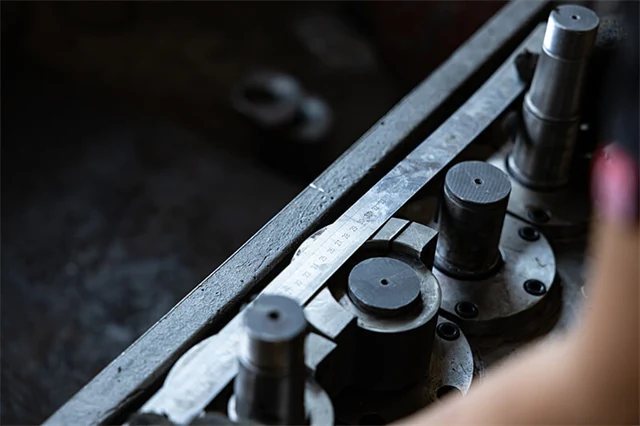
Make a Zenith replacement enquiry easier to assess with a clear tooling record. Identify the mould, keep drawing references and label visible wear areas so product symptoms and part questions can be discussed with useful context....
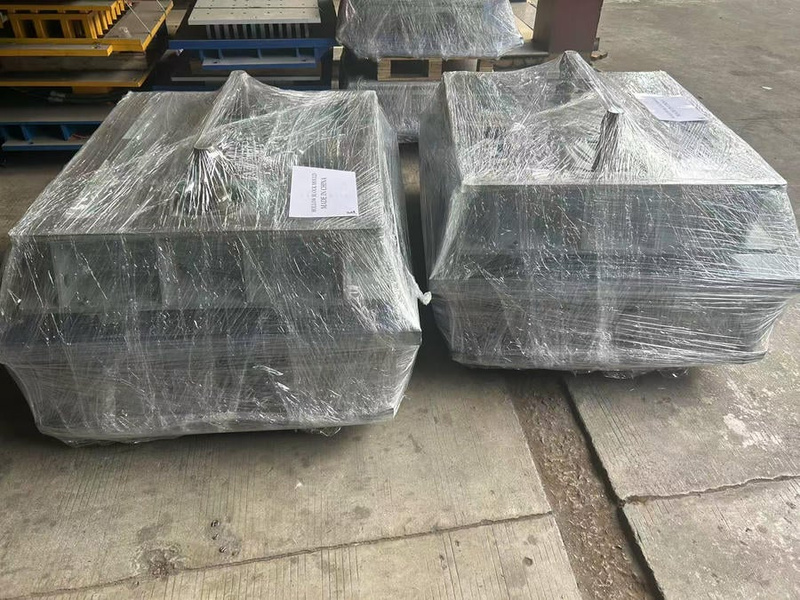
Keep TECHMATIK mould sets identified through inspection and delivery. Agree drawing references, labels and condition views for each layout, giving your team a useful starting point for later wear reviews and replacement part enquiries....
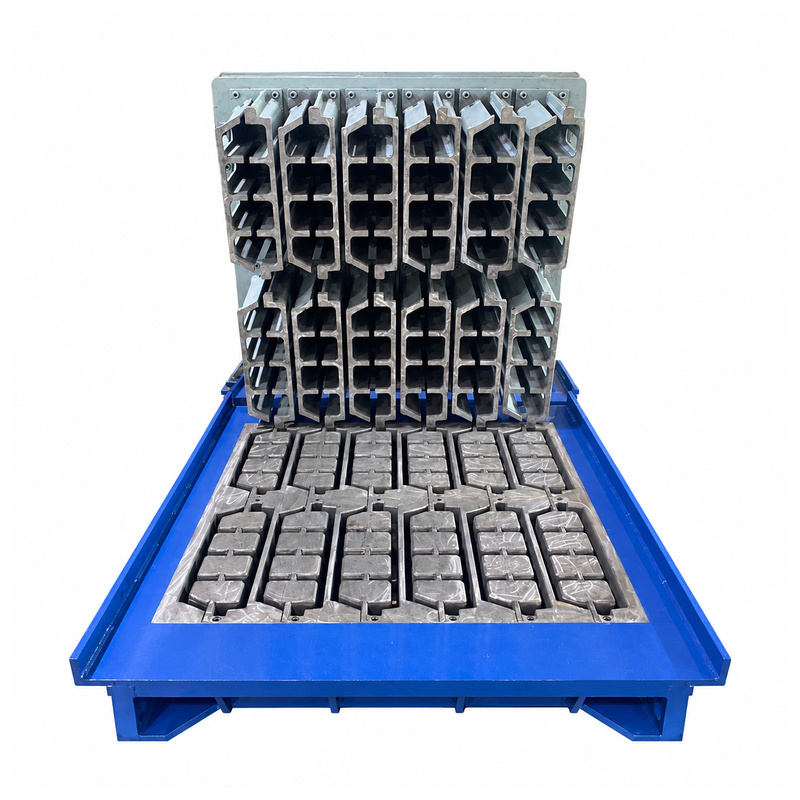
Hollow block mold wear components receive carbonitriding and quenching to HRC 59–61, with an effective hardened layer of approximately 1.5 mm....
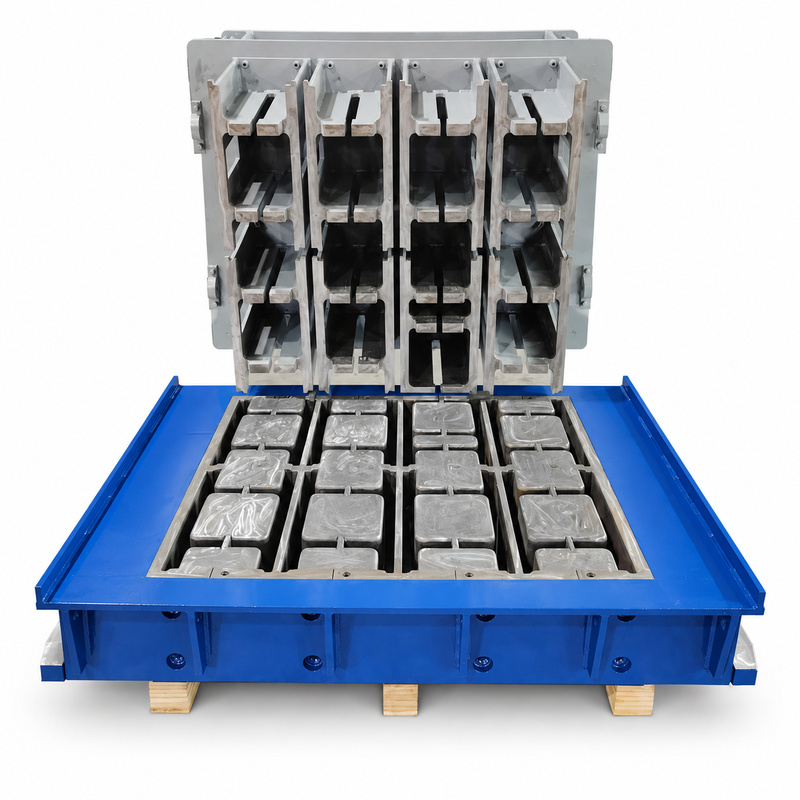
Interlocking block mold materials and heat treatment are selected for critical forming surfaces to help preserve profiles used for block alignment....
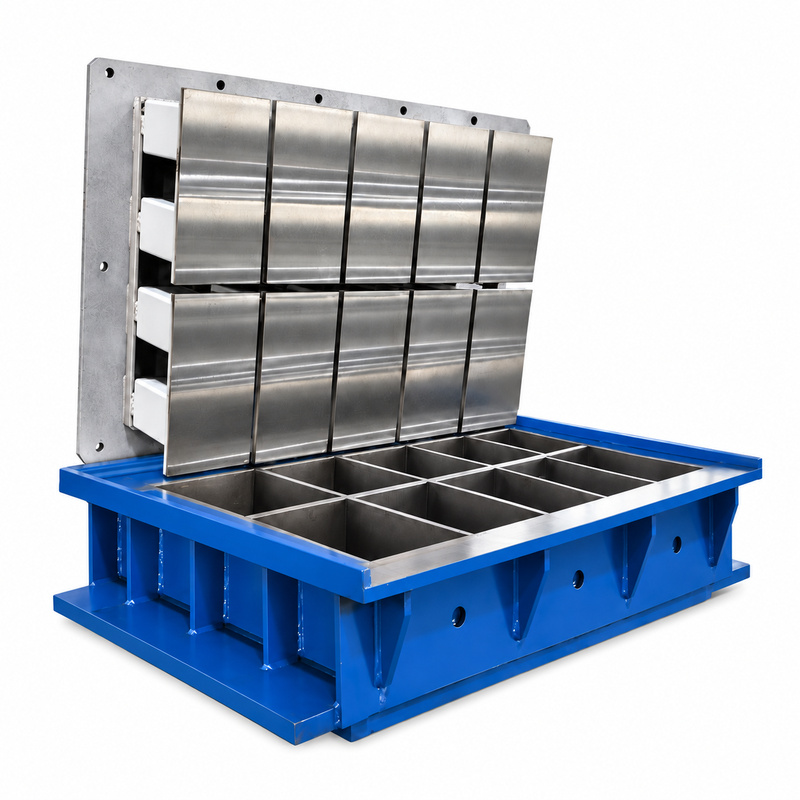
Solid block mold cavity surfaces and tamper components are accurately machined to support repeatable block geometry during properly adjusted production....
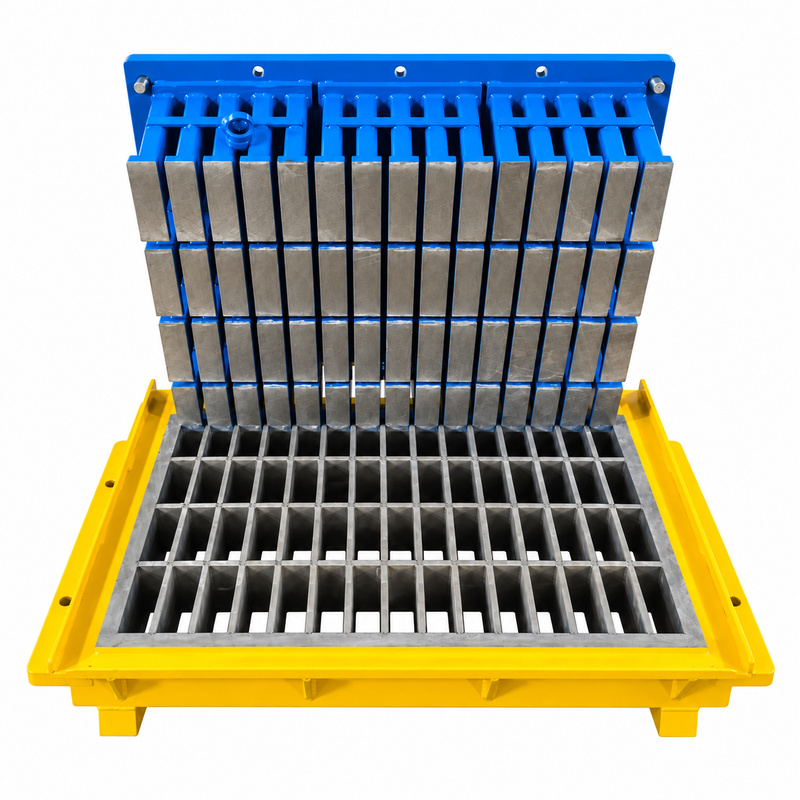
Solid brick mold cavities and tamper components are precisely machined and matched to support uniform product geometry across the production pallet....
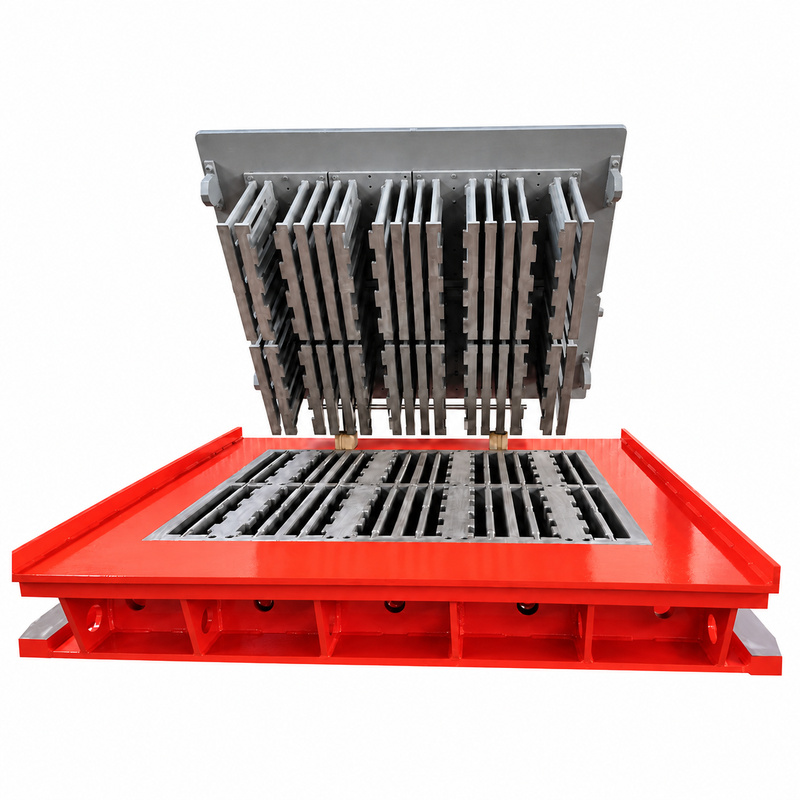
Thermal block mold machining follows the internal geometry, with accurate core positions supporting consistent cavities and concrete sections....
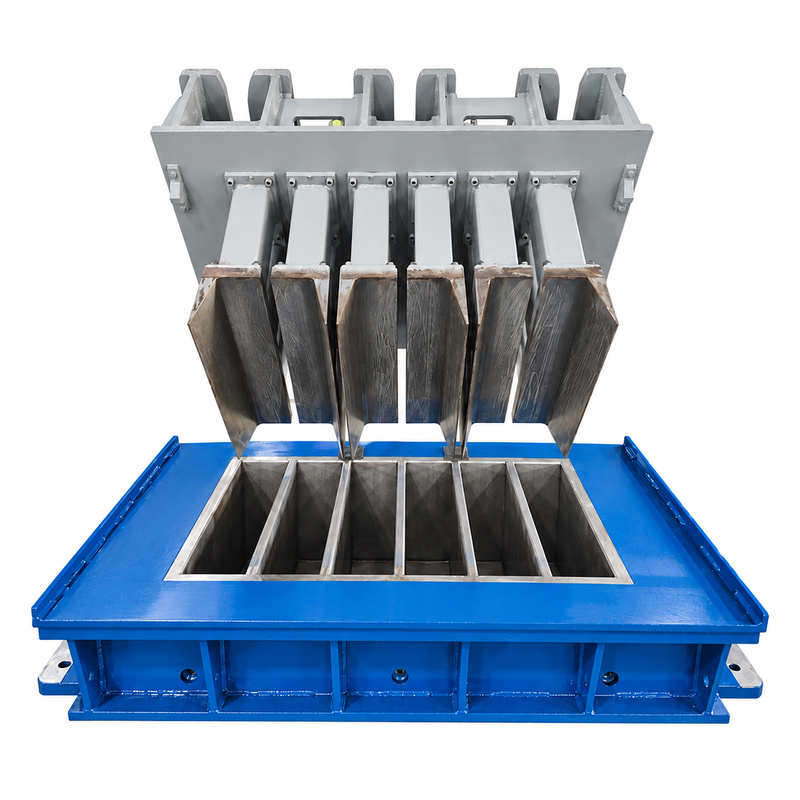
Curbstone mold product dimensions and cavity arrangements are checked against machine area and production needs to establish a suitable configuration....
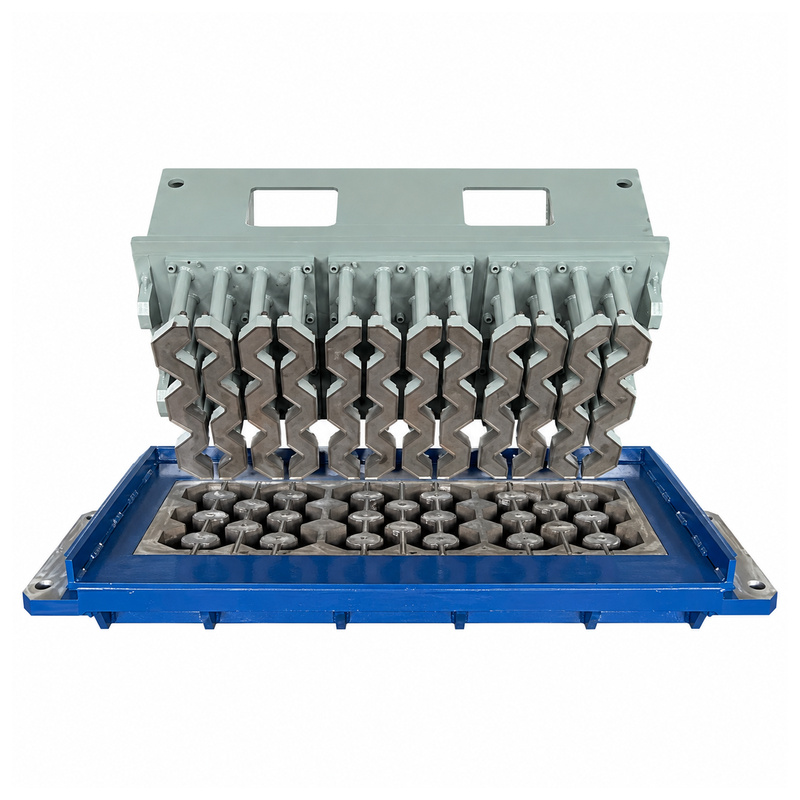
Decorative paver mold chamfers and special edges are reviewed during development to reproduce the specified outline and joint appearance....
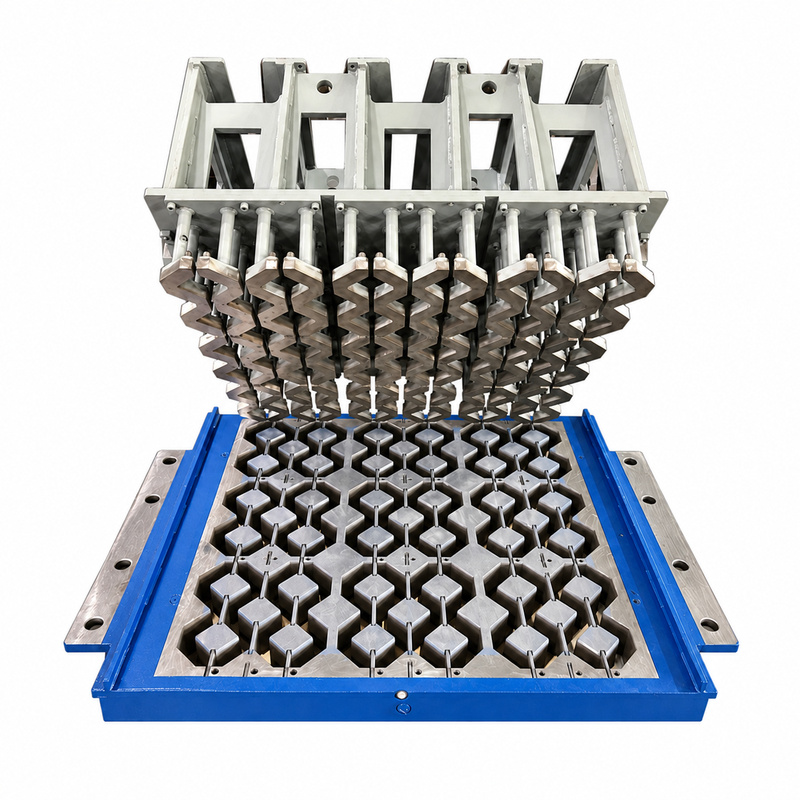
Grass paver mold core positions and internal profiles are reproduced using appropriate machining to support consistent opening geometry....
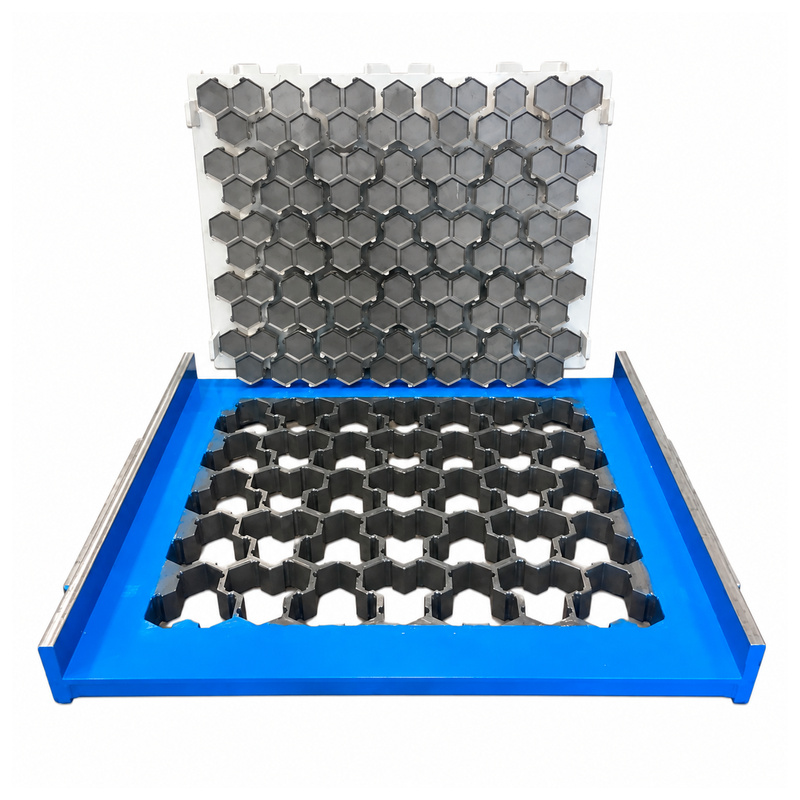
Interlocking paver molds specify 0.2–0.25 mm clearance per side between the mold box and tamper head to maintain the intended component relationship....
This section covers the features that define how a HAWEN mould performs in daily production: how the mould body is built, how parts are guided and aligned, how wear is managed, and how the finished block is released. Each topic explains what the feature does, why it matters for block quality and machine uptime, and which parameters need to be confirmed before a mould is specified.
The content serves mould buyers, block plant managers, maintenance teams and project engineers who need to compare mould designs, check an interface with their existing machine, or define requirements for a new production line. It applies to concrete block, paver, kerbstone, retaining-wall and special-shape moulds.
HAWEN helps by documenting the information needed to evaluate each feature, so that steel grade, hardness, tolerance, service life and machine compatibility can be confirmed against the actual application instead of assumed. Where a value is not yet verified for a given mould, it remains unconfirmed until the relevant drawing or test data is supplied.

 Tel: +8618359454595
 Email: sale@hwmachines.com
 MP/WhatsApp: +8618359454595
 Manufacturer Address:Nanan, Quanzhou City, Fujian Province, China