Concrete Block Molds
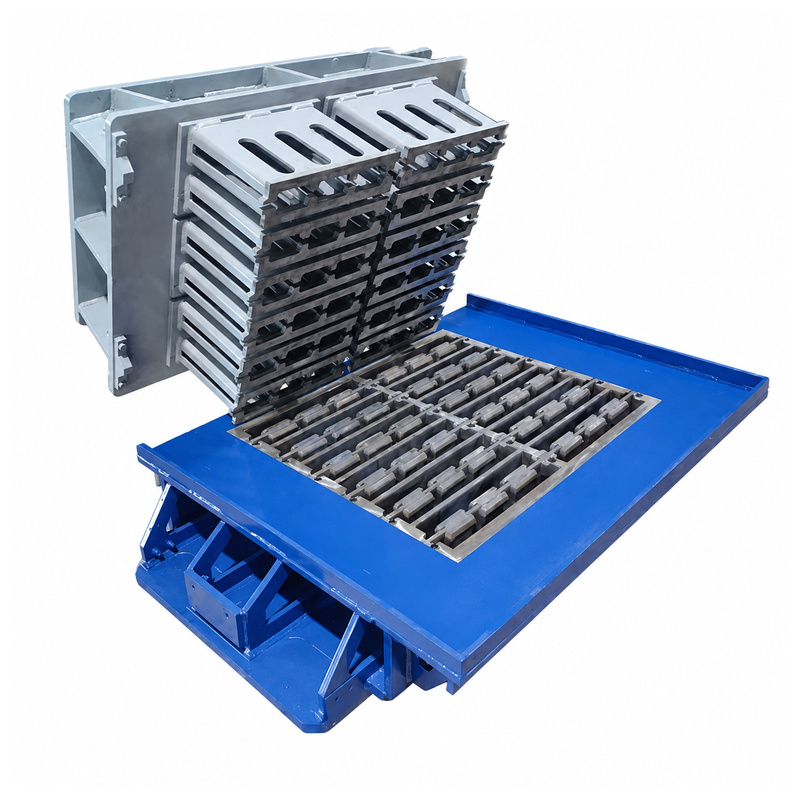
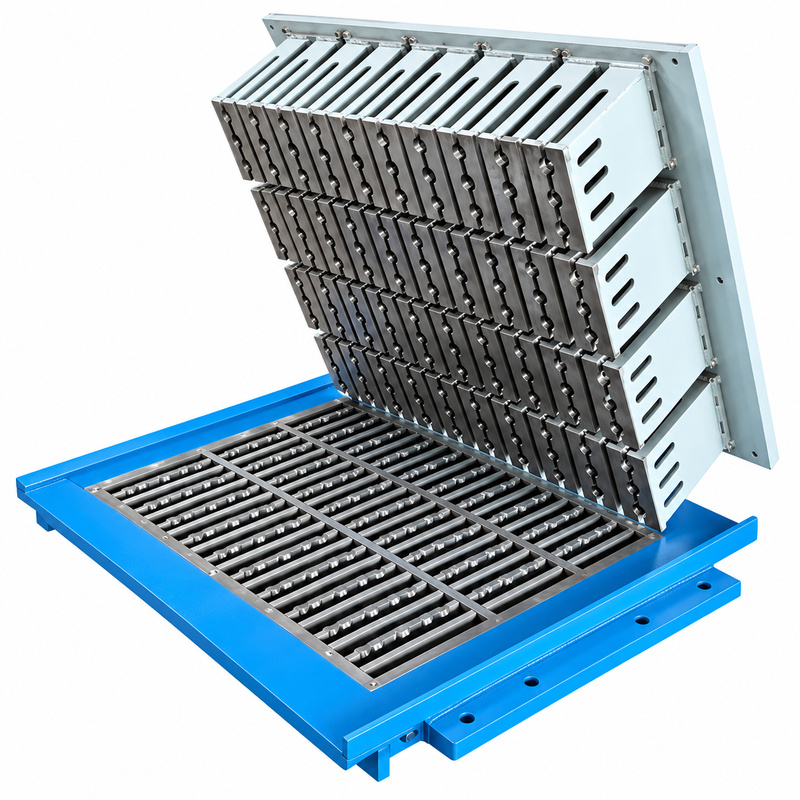
Hollow Block Mold
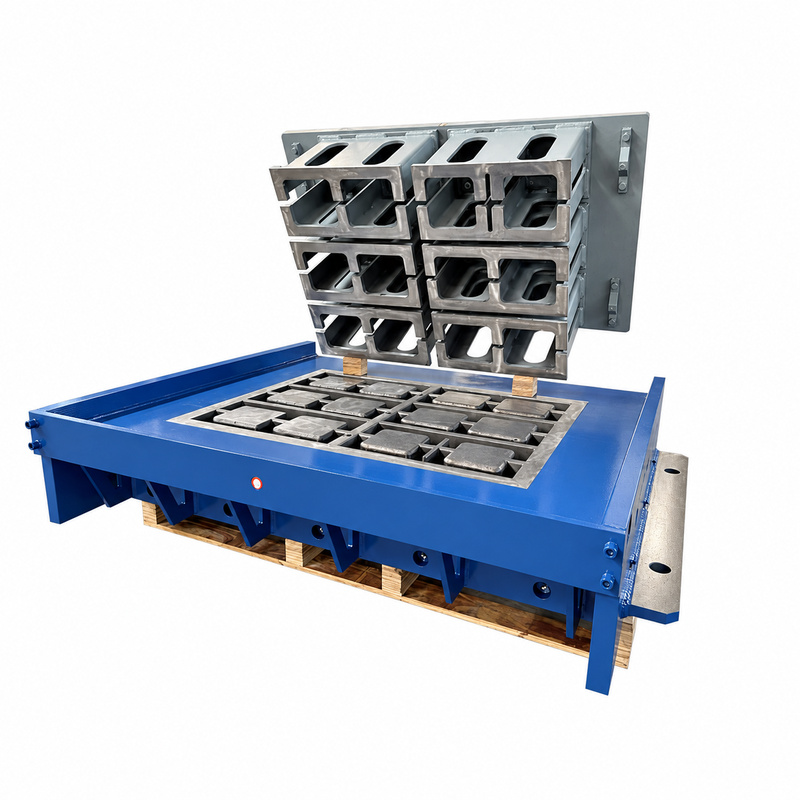
Solid Block Mold
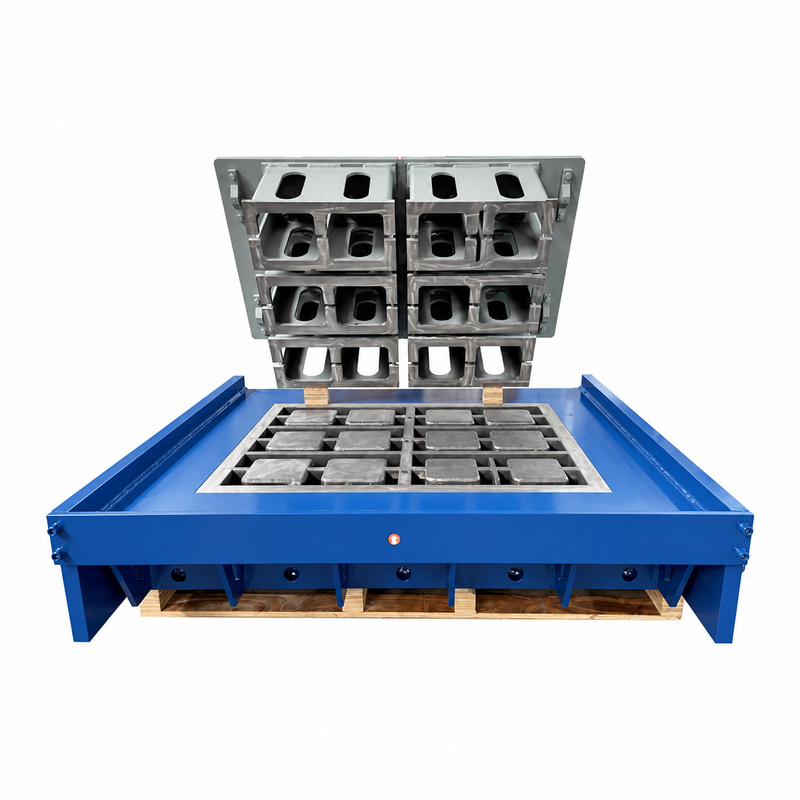
Solid Brick Mold
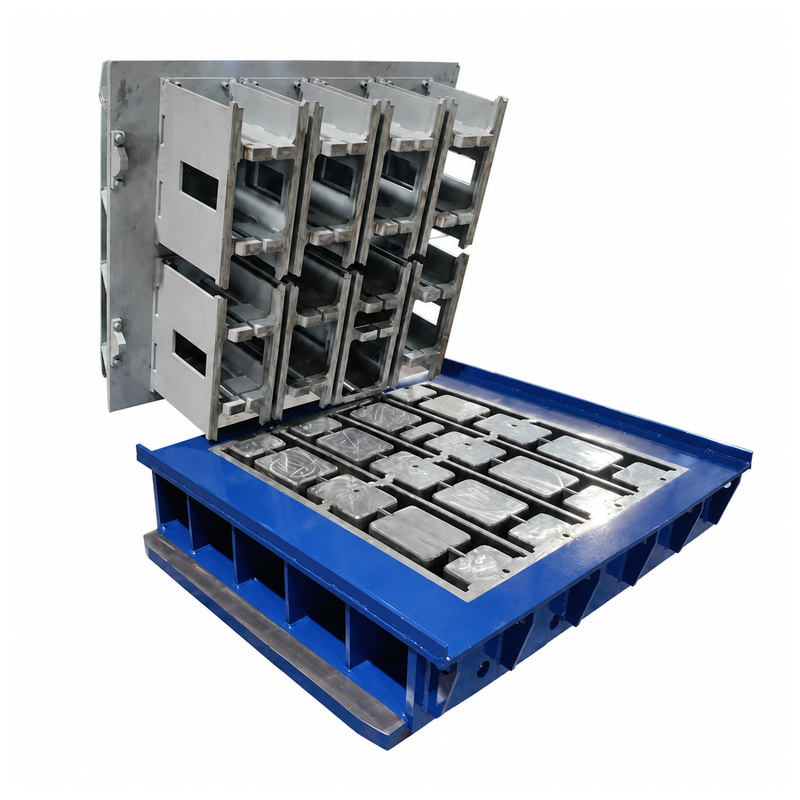
Interlocking Block Mold
Thermal Block Mold
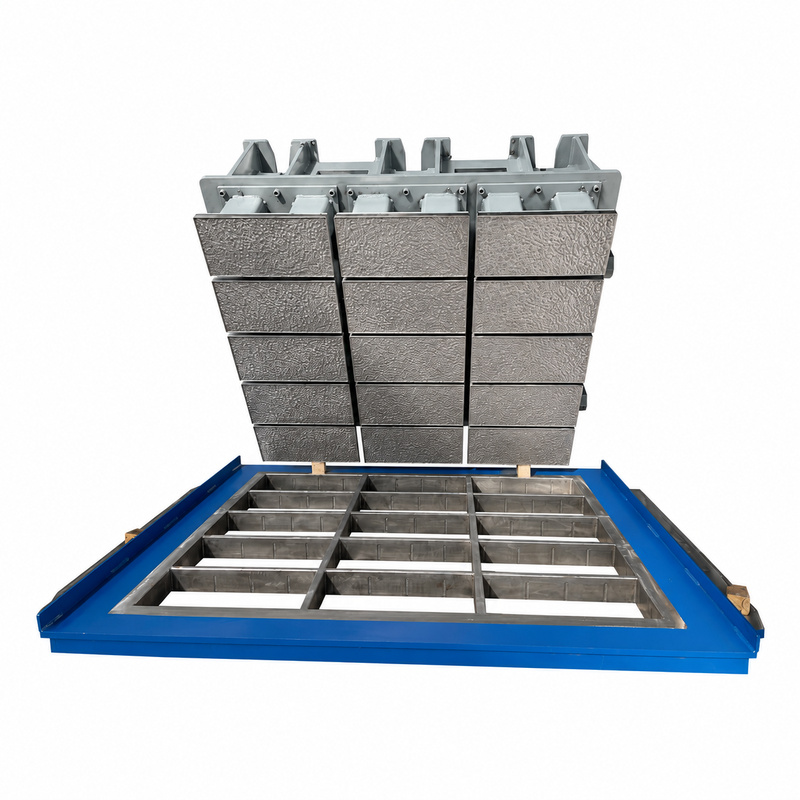
Rectangular paver molds can include chamfers, spacers and suitable edge details defined by drawings or samples for the intended joint arrangement....
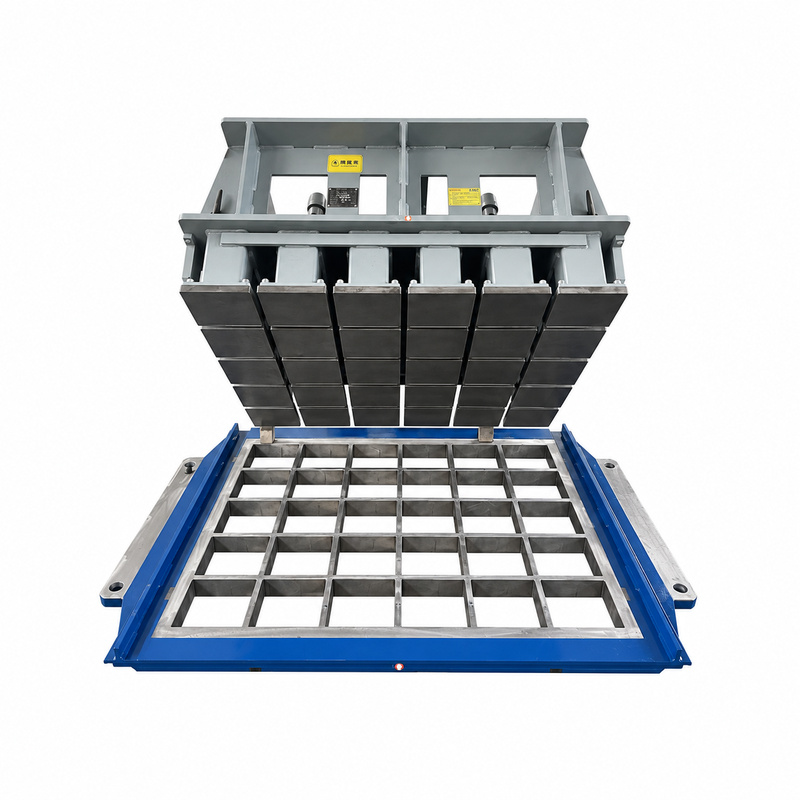
Square paver mold chamfers and suitable edge details are incorporated into forming components to reproduce the intended outline and joint appearance....
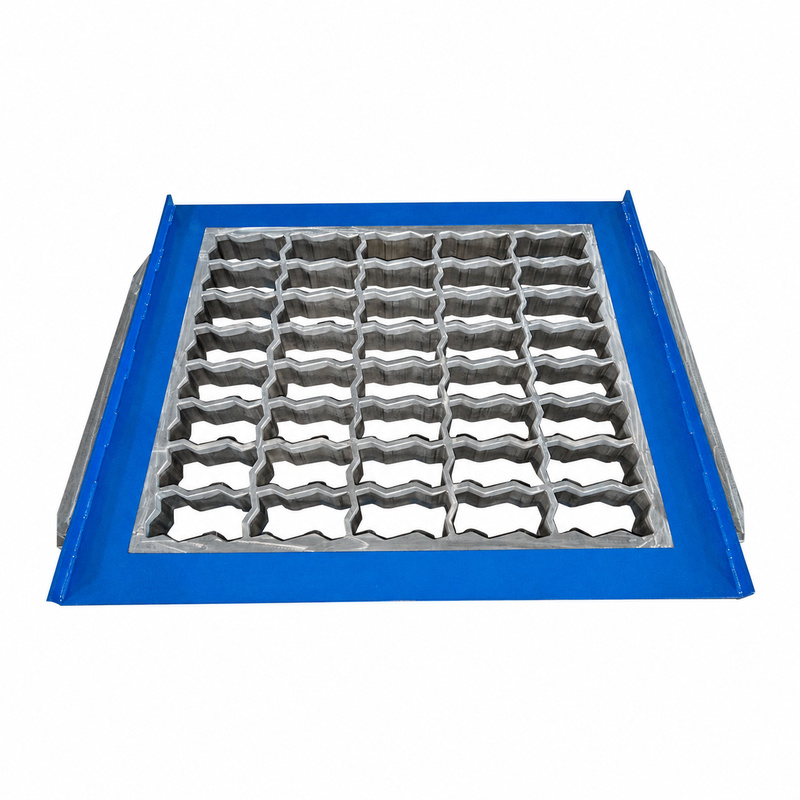
Zigzag interlocking paver mold materials and heat treatment protect concrete-contact surfaces, helping preserve the detailed profile corners....
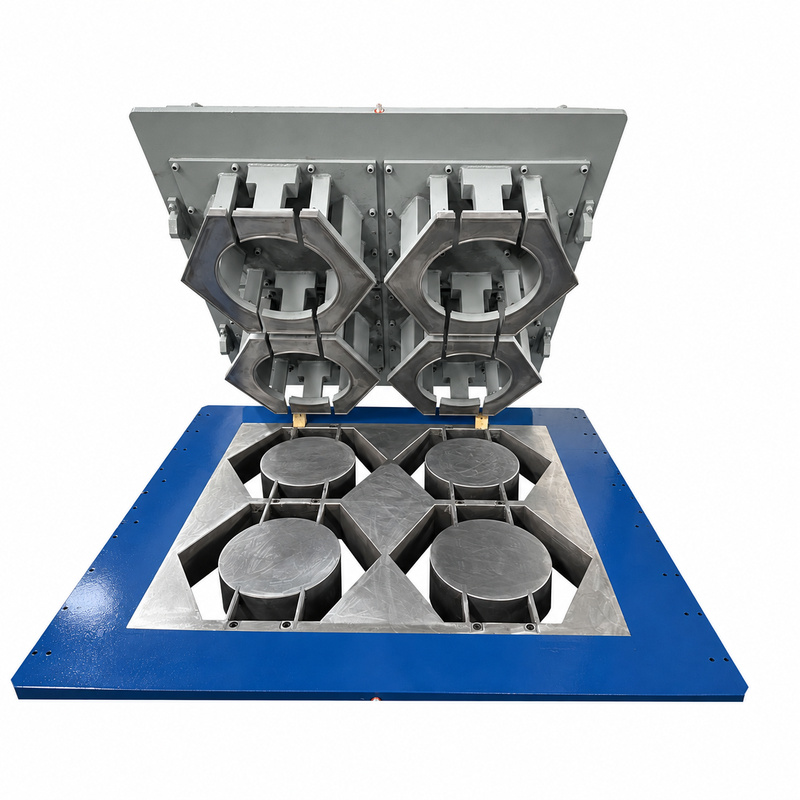
Retaining wall block mold layouts can use combined or separate molds for different units, depending on dimensions, geometry and production needs....
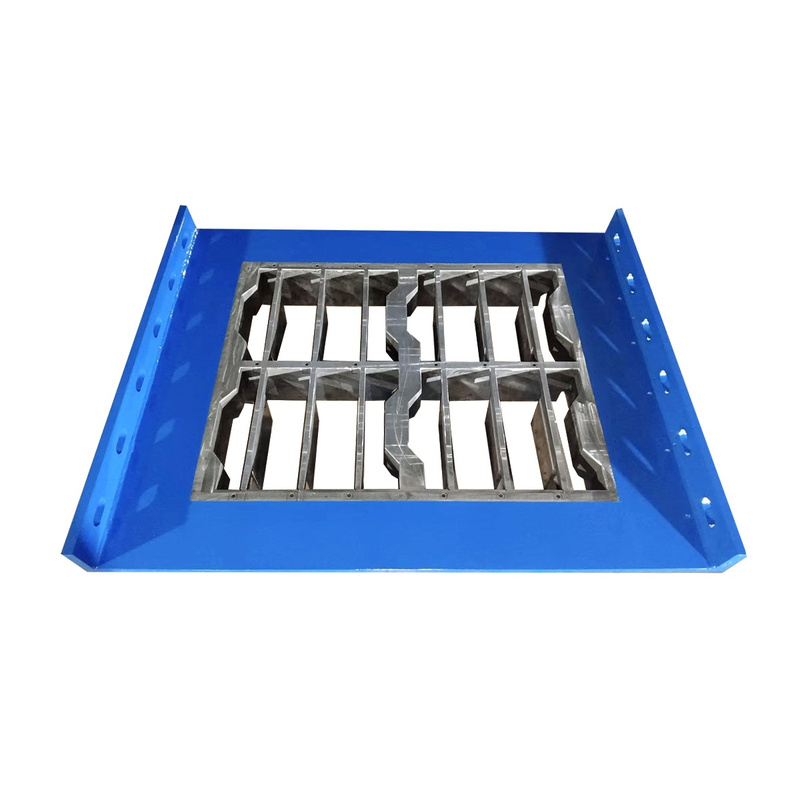
Special shape block molds may use core pullers, movable parts or heated demolding shoes where geometry and production equipment compatibility allow....
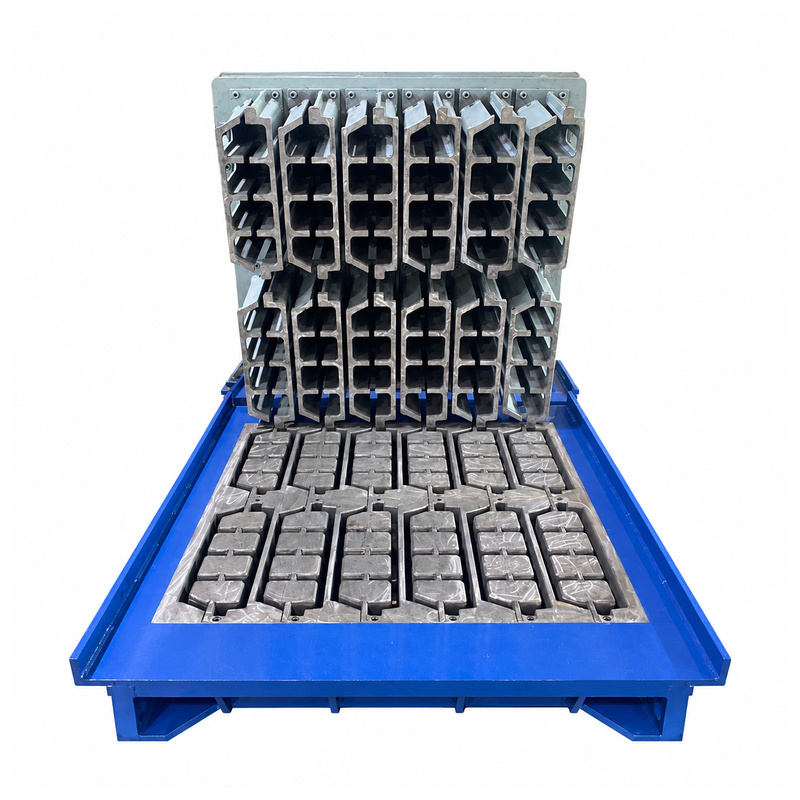
Hollow block molds use a specified clearance of 0.3–0.4 mm per side between the mold box and tamper head, supporting controlled component movement....
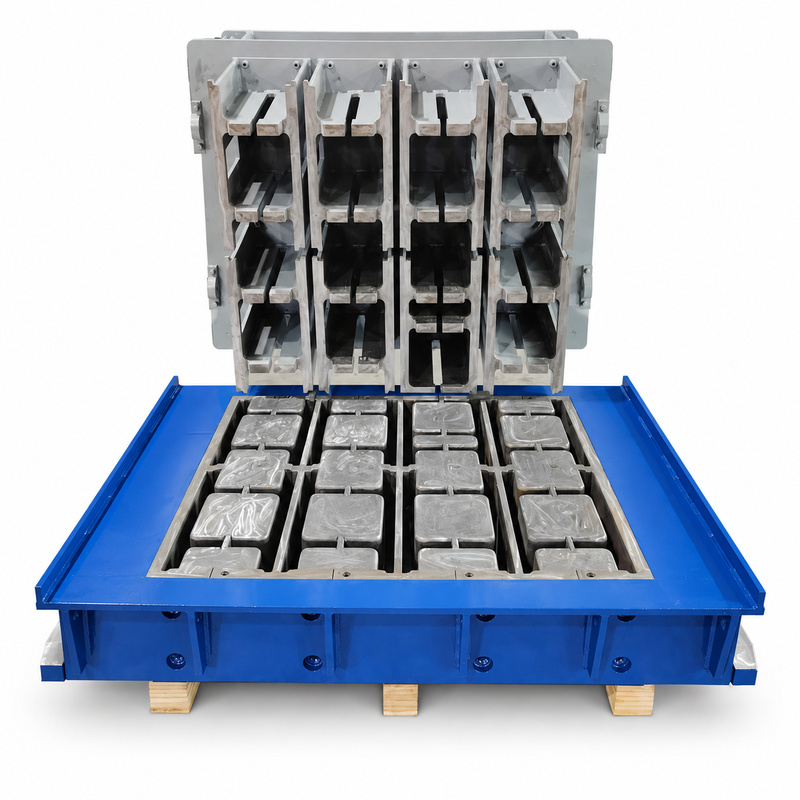
Interlocking block mold release surfaces and complex connections are reviewed before production to identify needed design or arrangement adjustments....
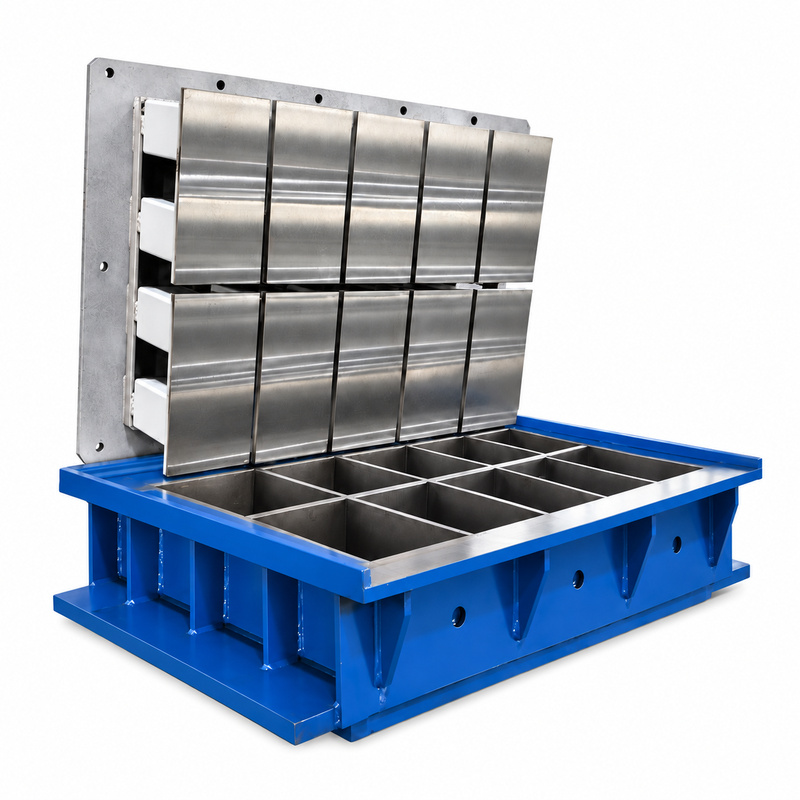
Solid block mold wear components receive carbonitriding and quenching to HRC 59–61, with an effective hardened layer of approximately 1.5 mm....
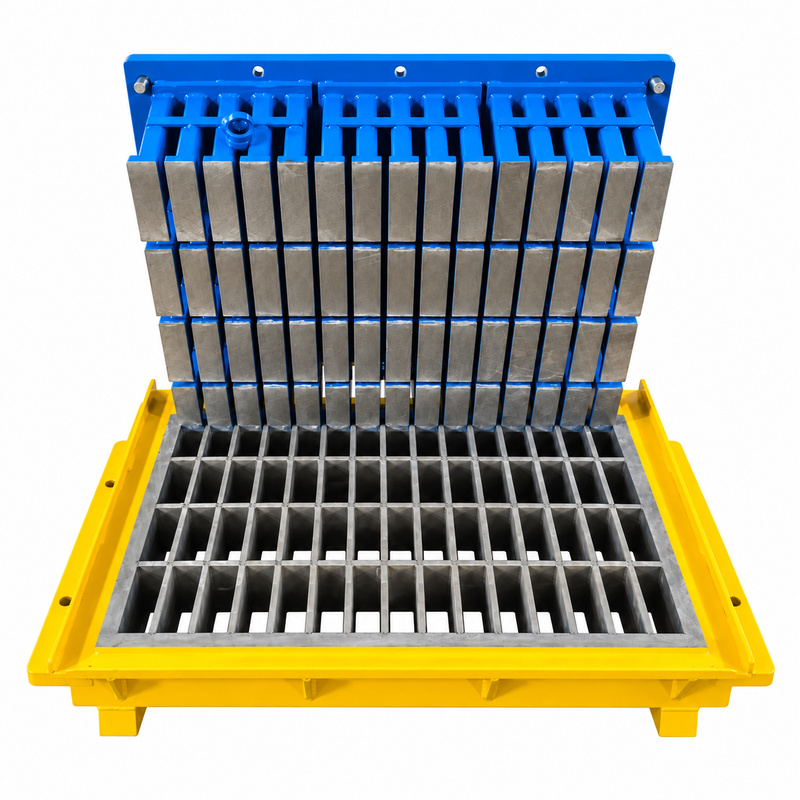
Solid brick mold materials and heat treatment protect concrete-contact surfaces, helping retain the intended brick dimensions and edge definition....
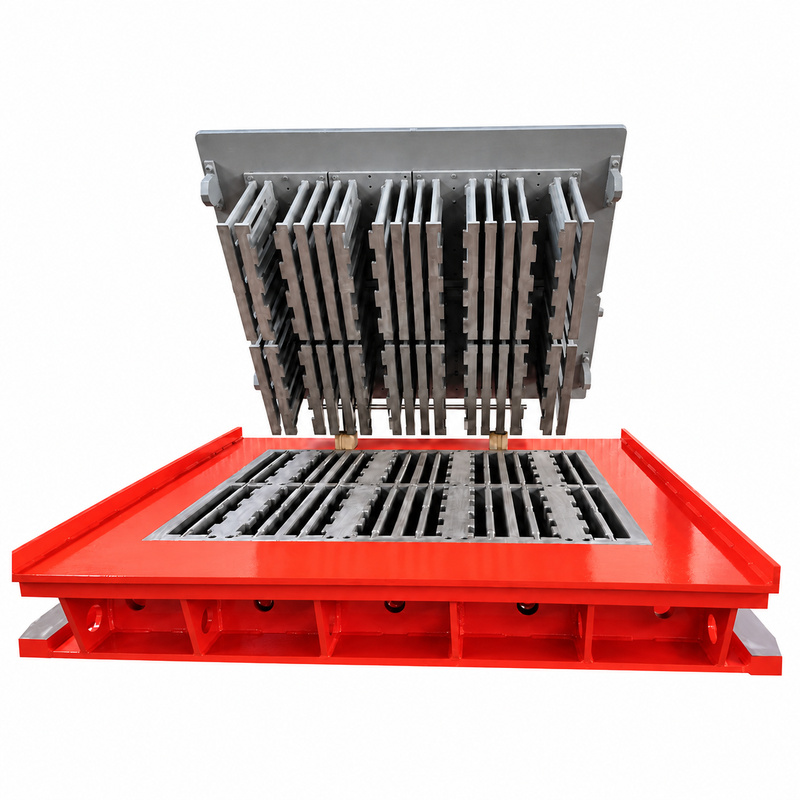
Thermal block mold materials and treatment processes follow component function and geometry to help preserve detailed forming profiles during production....
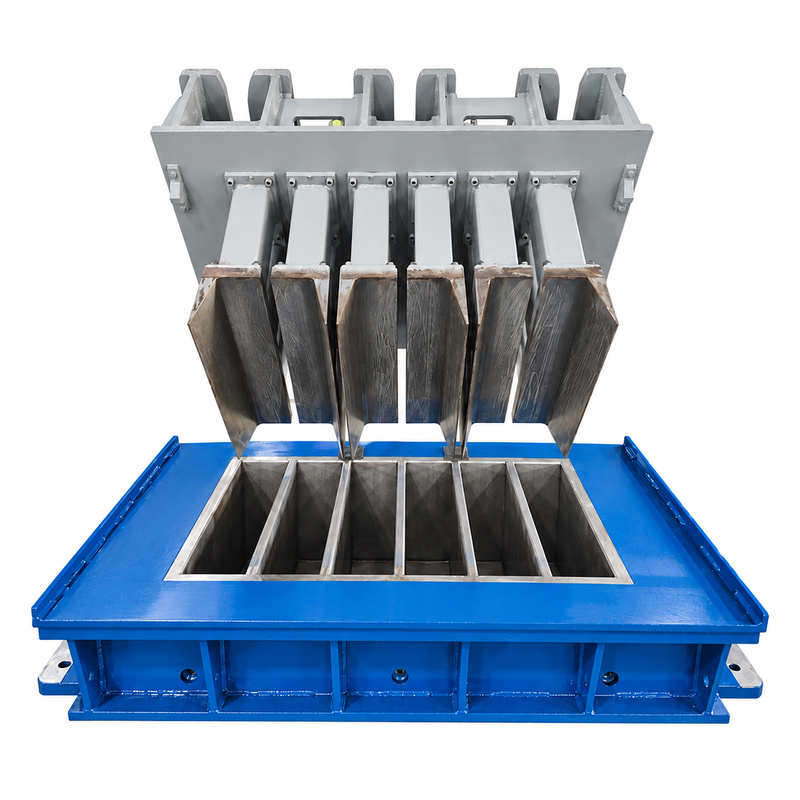
Curbstone molds use welded stiffeners and suitable wear-component materials and heat treatment to support stability and retention of forming dimensions....
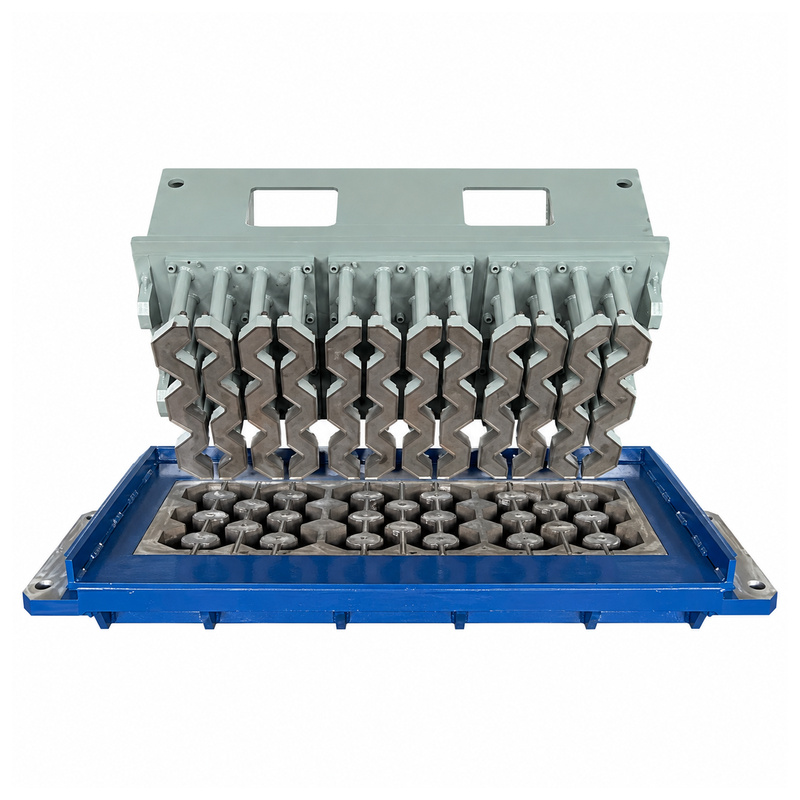
Decorative paver molds can be evaluated for lines with face-mix equipment, reviewing the machine configuration and required surface-layer product together....
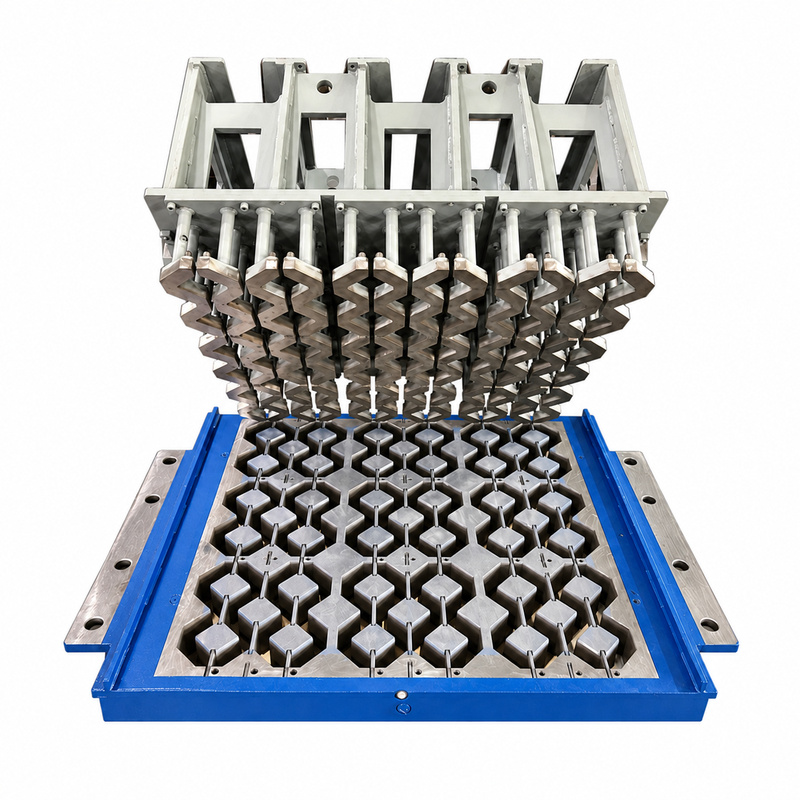
Grass paver mold development reviews the complete grid shape for release, addressing potential demolding difficulties affecting fresh ribs and edges....
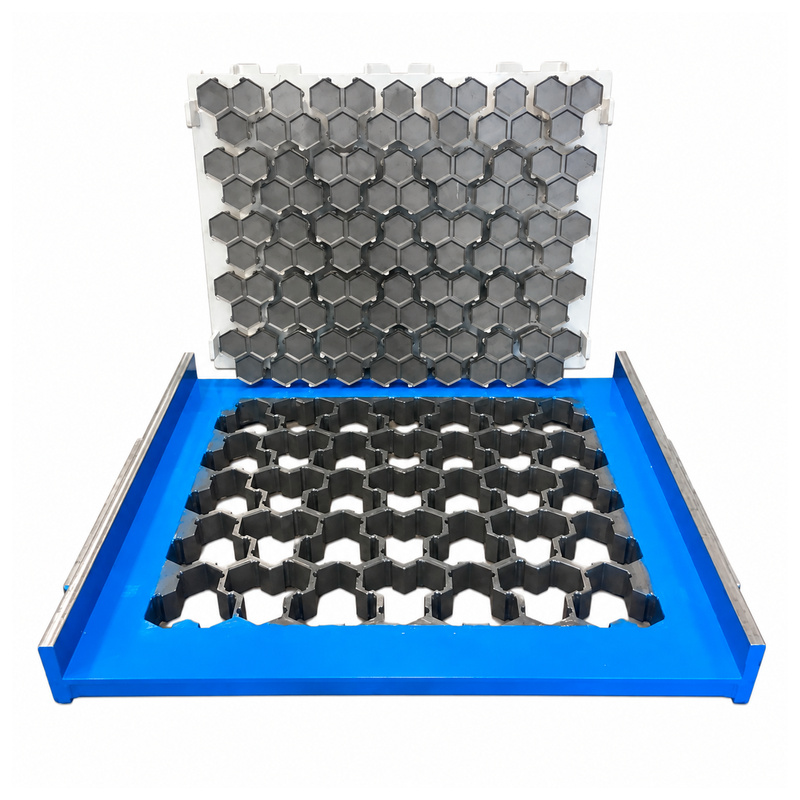
Interlocking paver mold steel and heat treatment protect critical wear components, helping retain the profile that defines fit between adjacent pavers....
Rectangular paver mold wear components receive carbonitriding and quenching to HRC 59–61, with an effective hardened layer of approximately 1.5 mm....
This section covers the features that define how a HAWEN mould performs in daily production: how the mould body is built, how parts are guided and aligned, how wear is managed, and how the finished block is released. Each topic explains what the feature does, why it matters for block quality and machine uptime, and which parameters need to be confirmed before a mould is specified.
The content serves mould buyers, block plant managers, maintenance teams and project engineers who need to compare mould designs, check an interface with their existing machine, or define requirements for a new production line. It applies to concrete block, paver, kerbstone, retaining-wall and special-shape moulds.
HAWEN helps by documenting the information needed to evaluate each feature, so that steel grade, hardness, tolerance, service life and machine compatibility can be confirmed against the actual application instead of assumed. Where a value is not yet verified for a given mould, it remains unconfirmed until the relevant drawing or test data is supplied.

 Tel: +8618359454595
 Email: sale@hwmachines.com
 MP/WhatsApp: +8618359454595
 Manufacturer Address:Nanan, Quanzhou City, Fujian Province, China