Concrete Block Molds
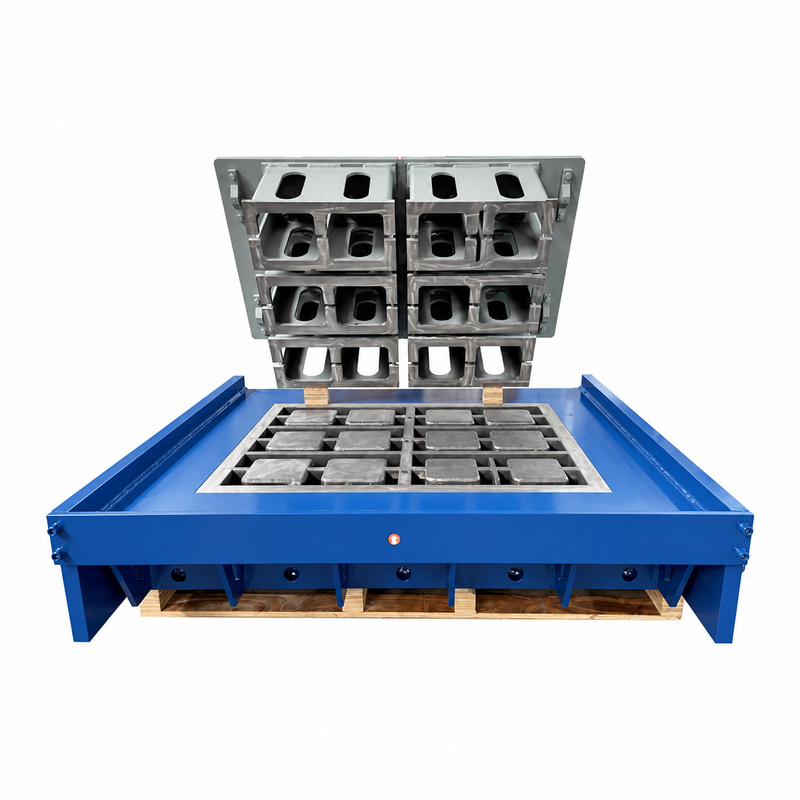
Hollow Block Mold
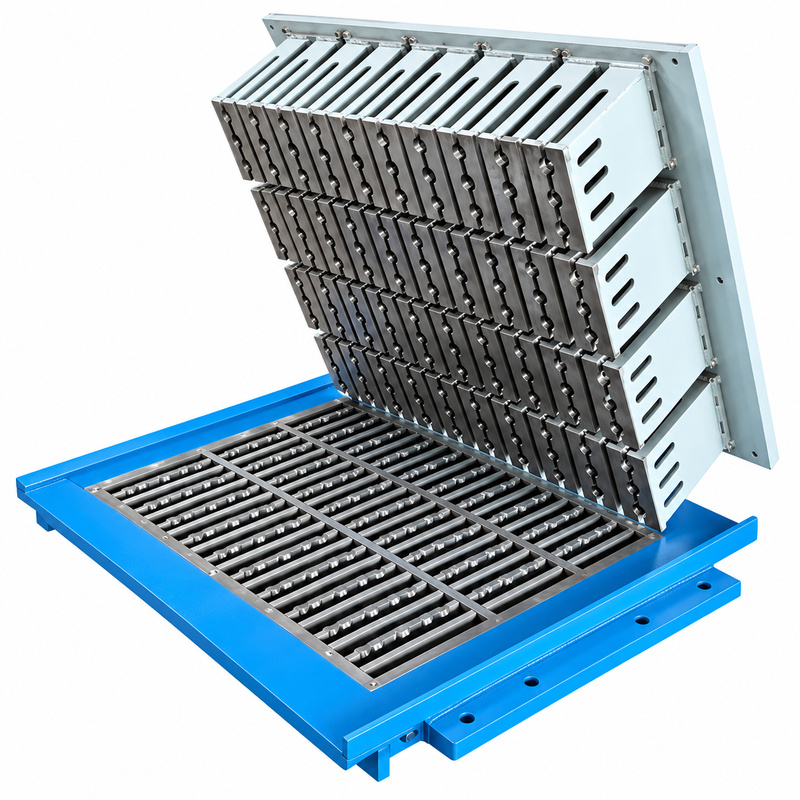
Solid Block Mold
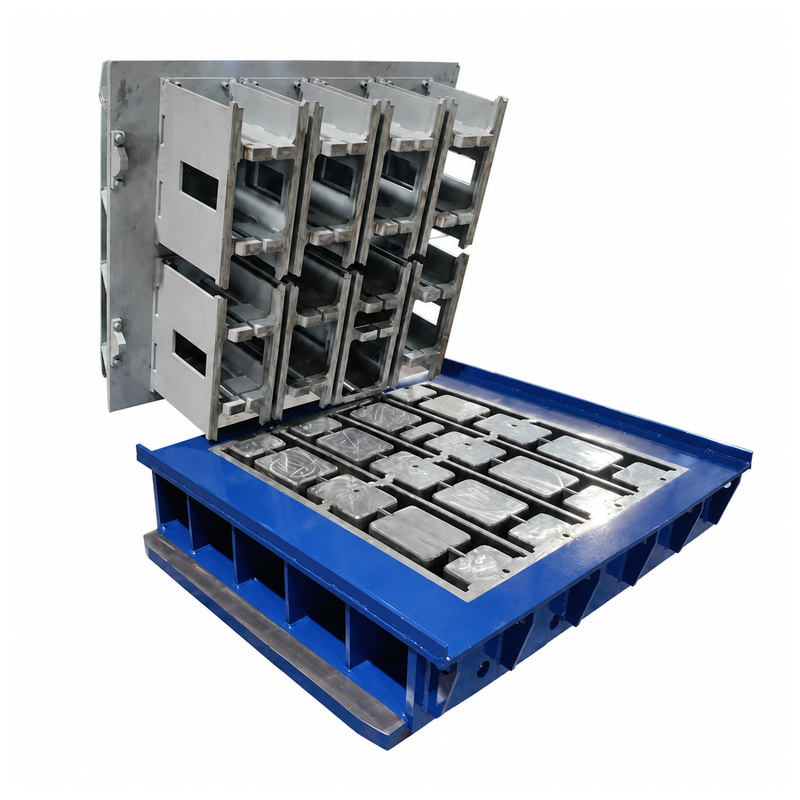
Solid Brick Mold
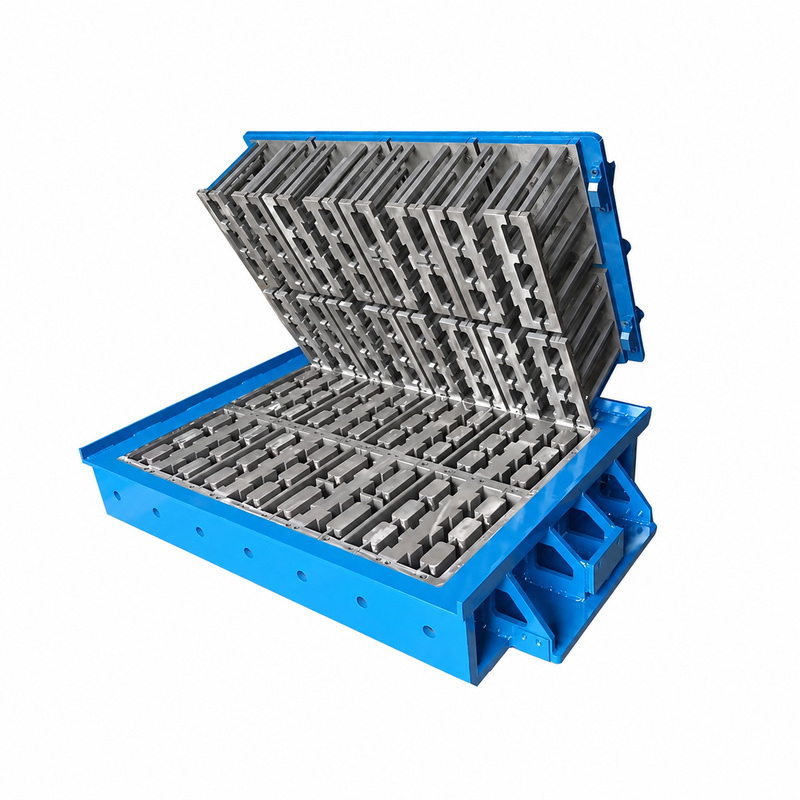
Interlocking Block Mold
Thermal Block Mold
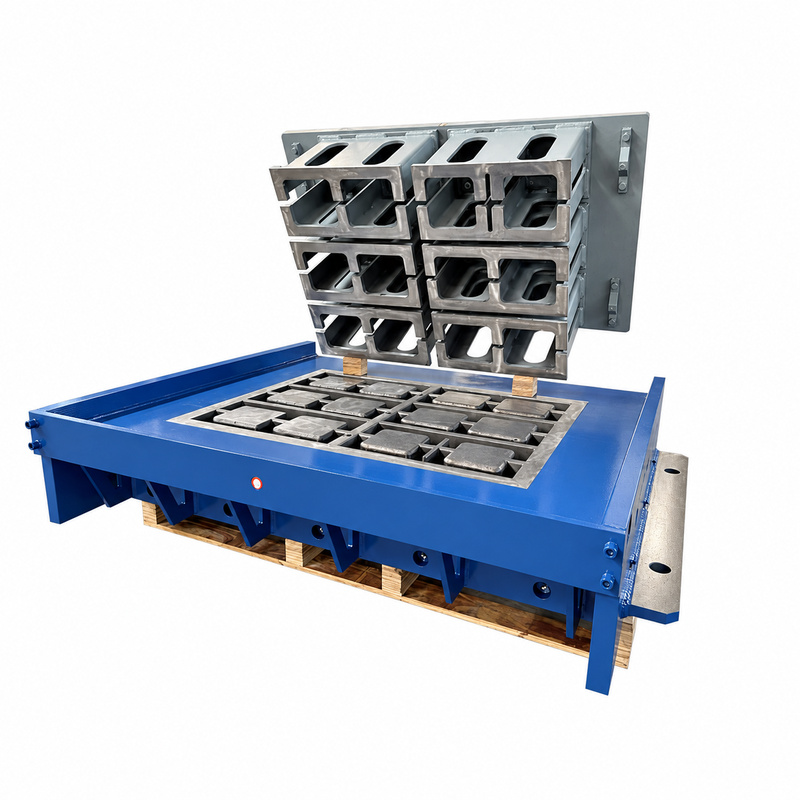
The cavity arrangement can be designed according to the block dimensions and available working area of the machine. The final number of blocks per cycle must therefore be determined after reviewing both the block design and machine specifications....
Depending on the mold configuration, HAWEN uses suitable manganese steel materials together with machining and heat-treatment processes such as carburizing, nitriding, and quenching for applicable components. These processes are intended to improve surface hardness and wear resistance....
HAWEN's published information for applicable block mold configurations references approximately 100,000–120,000 production cycles. Actual mold life varies according to production conditions, concrete aggregates, machine settings, maintenance, and operating practices....
Molds can be customized for different machine brands, but they are not assumed to be universally interchangeable. The machine model, working area, mounting dimensions, and other technical parameters should be confirmed before manufacturing....
A solid brick mold is designed to produce compact concrete bricks without large internal cavities. The mold determines important characteristics such as the brick dimensions, shape, edges, and production arrangement....
Yes. Solid brick molds can be customized according to the required length, width, height, and shape of the finished brick. Local market specifications or customer drawings can be used as references....
Yes, depending on the brick dimensions and the usable production area of the machine. HAWEN can design an appropriate cavity arrangement after confirming the customer's machine specifications....
Yes. Edge details, chamfers, and other geometric characteristics can be incorporated into the mold design where technically suitable. A drawing or physical sample is recommended for special brick profiles....
A physical brick sample can be used as a reference for mold development. Machine information is still required because reproducing the brick geometry alone does not ensure compatibility with the customer's production equipment....
Precision machining of the mold components and correct matching between the mold box and tamper components are important for dimensional consistency. Actual finished brick dimensions are also influenced by raw materials, machine condition, vibration, and production settings....
Yes. HAWEN can develop replacement molds after checking the specifications of the existing machine and mold. Providing drawings, dimensions, photos, or an existing sample helps with technical confirmation....
Please provide the machine brand and model, finished brick dimensions, drawings or photos, and existing mold information if available. Special surface or shape requirements should also be specified....
A thermal block mold is used to produce blocks with specially designed cavities or internal geometries for wall systems where thermal performance is an important consideration. These blocks often have more complex internal structures than conventional hollow blocks....
Yes. Different cavity layouts and internal structures can be developed according to the customer's block design, provided that the geometry is suitable for the block production and demolding process....
Thermal blocks may contain multiple cavities, relatively thin wall sections, and complex core arrangements. This places higher requirements on core design, machining accuracy, wear resistance, material flow, and demolding....
This FAQ section answers the questions most often raised by buyers and engineers working with concrete block, paver, kerbstone, retaining-wall and special-shape moulds. It covers the practical topics that come up before and during a mould enquiry, from how a mould is matched to a block-making machine and a specific brick type, to the parameters that need to be confirmed before a design can be reviewed.
The content here serves producers, project engineers and procurement teams who need to check an interface, clarify a drawing or understand what information is required to move a mould request forward. Each answer explains the relevant brick type and its requirements rather than describing a specific customer project.
HAWEN helps by setting out the information needed to evaluate a mould application and by keeping unconfirmed parameters clearly marked as unconfirmed. Where a topic depends on details such as machine compatibility, tolerance or lead time, the answer states what must be supplied so the point can be checked properly.

 Tel: +8618359454595
 Email: sale@hwmachines.com
 MP/WhatsApp: +8618359454595
 Manufacturer Address:Nanan, Quanzhou City, Fujian Province, China