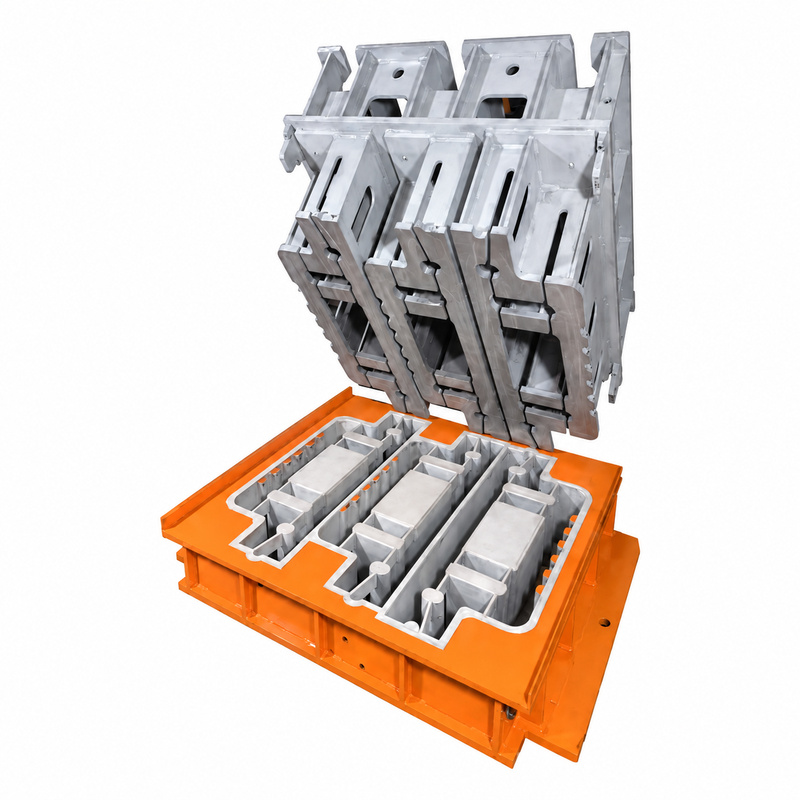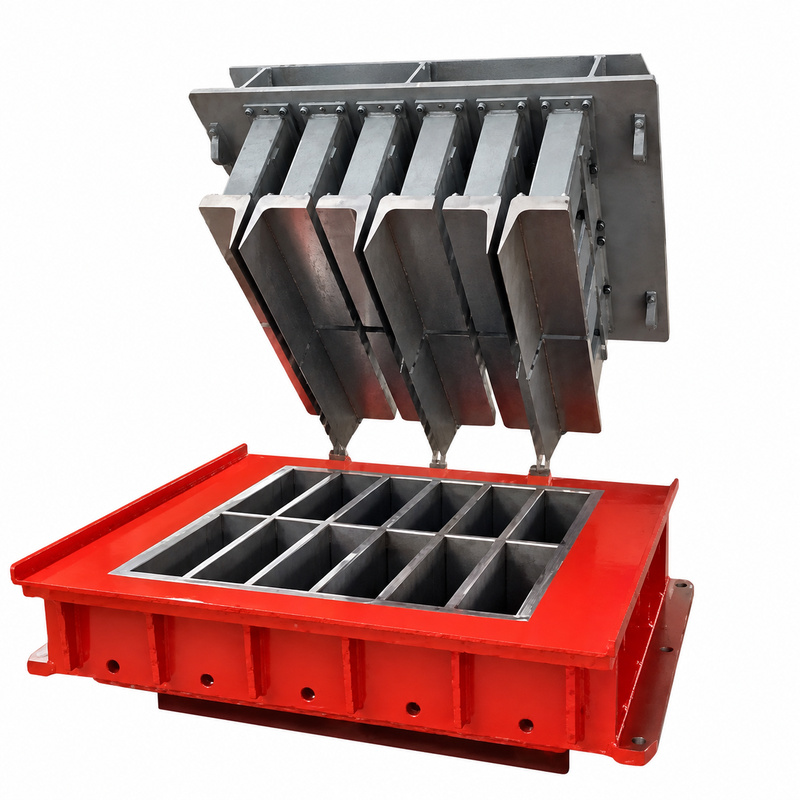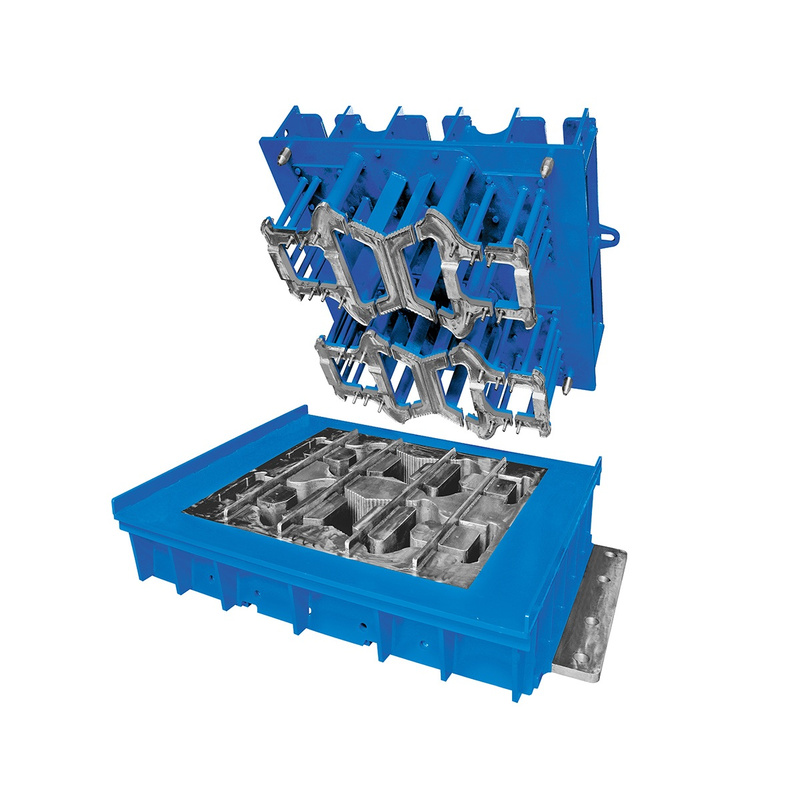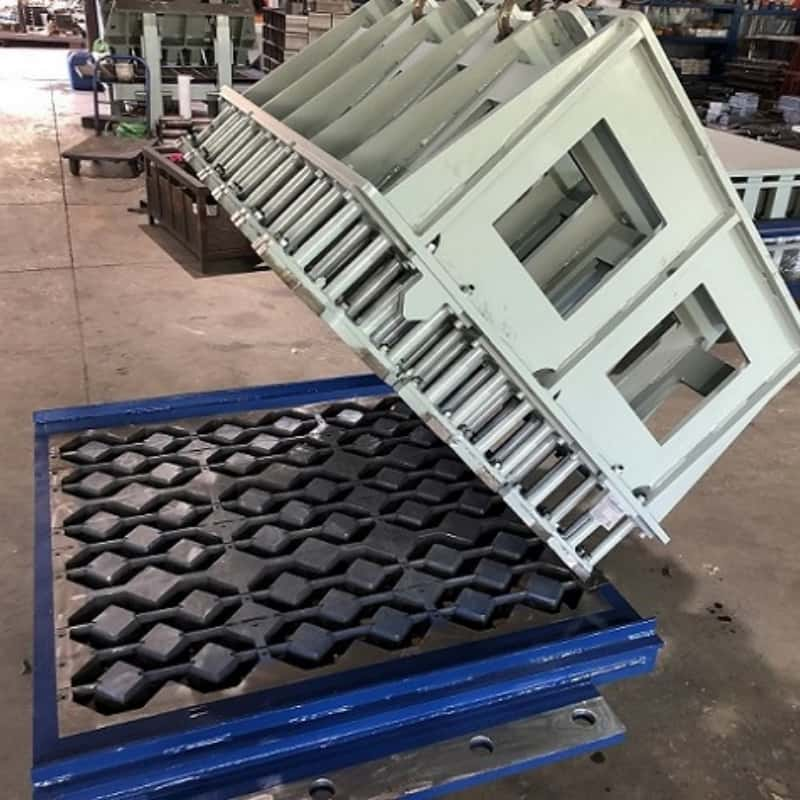
Concrete Block Molds
Hollow Block Mold
Solid Block Mold
Solid Brick Mold
Interlocking Block Mold
Thermal Block Mold
Author:HAWEN Block Mould Manufacturer TIME:2026-10-11
Concrete kerbstones provide defined edges for roads, footpaths and landscaped spaces. Production planning starts with the required cross-sections and companion pieces. Consistent length, face profile and edge quality help units align in the intended installation. Molds, handling and curing should be reviewed together because a correctly formed fresh kerb still needs to retain its shape through the rest of the factory process.
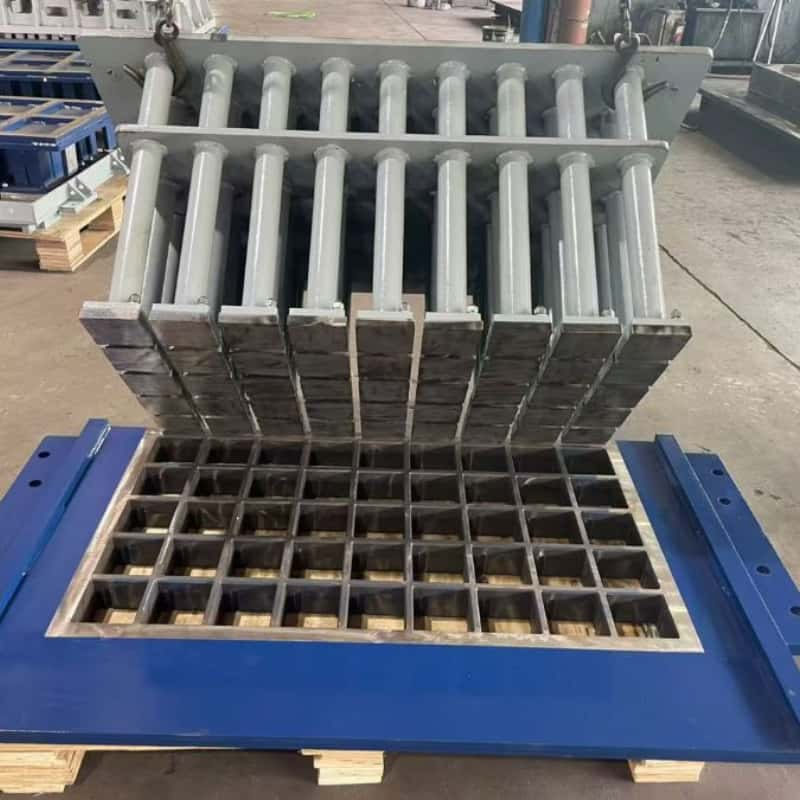
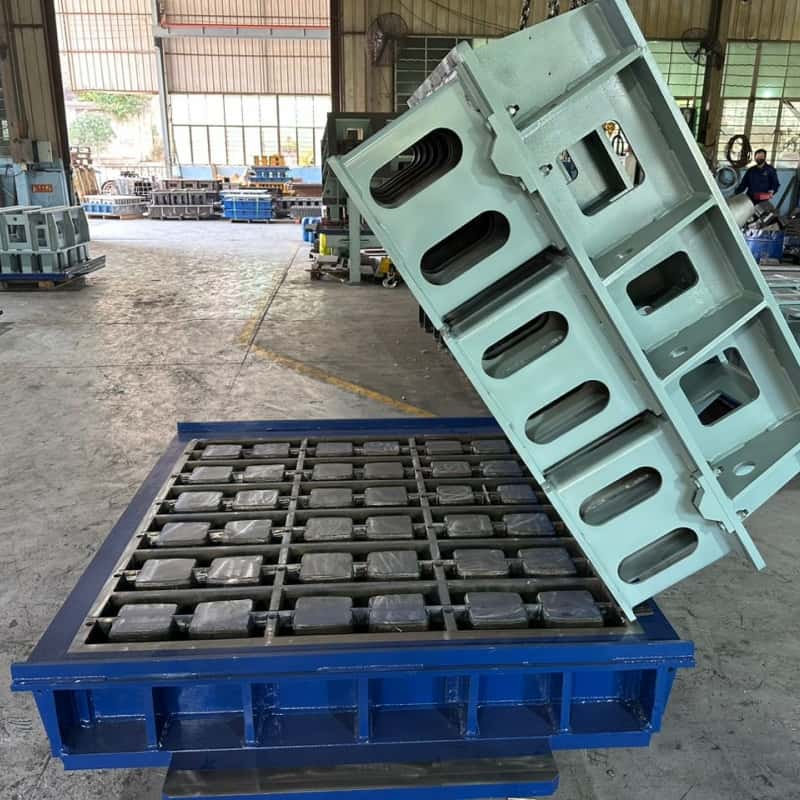
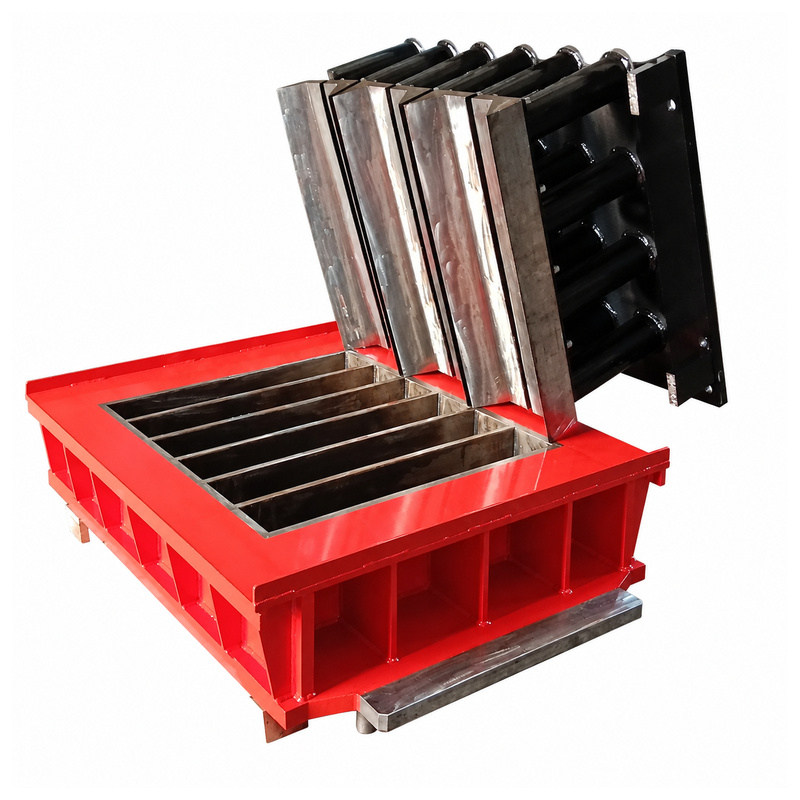
Prepare drawings for straight kerbs, curves, corners, drops and transitions as required. Show actual dimensions, face angles, radii and edge treatments. Confirm which units are intended to connect. Different local product names can describe different sections, so use project drawings and physical references to settle the range before selecting molds.
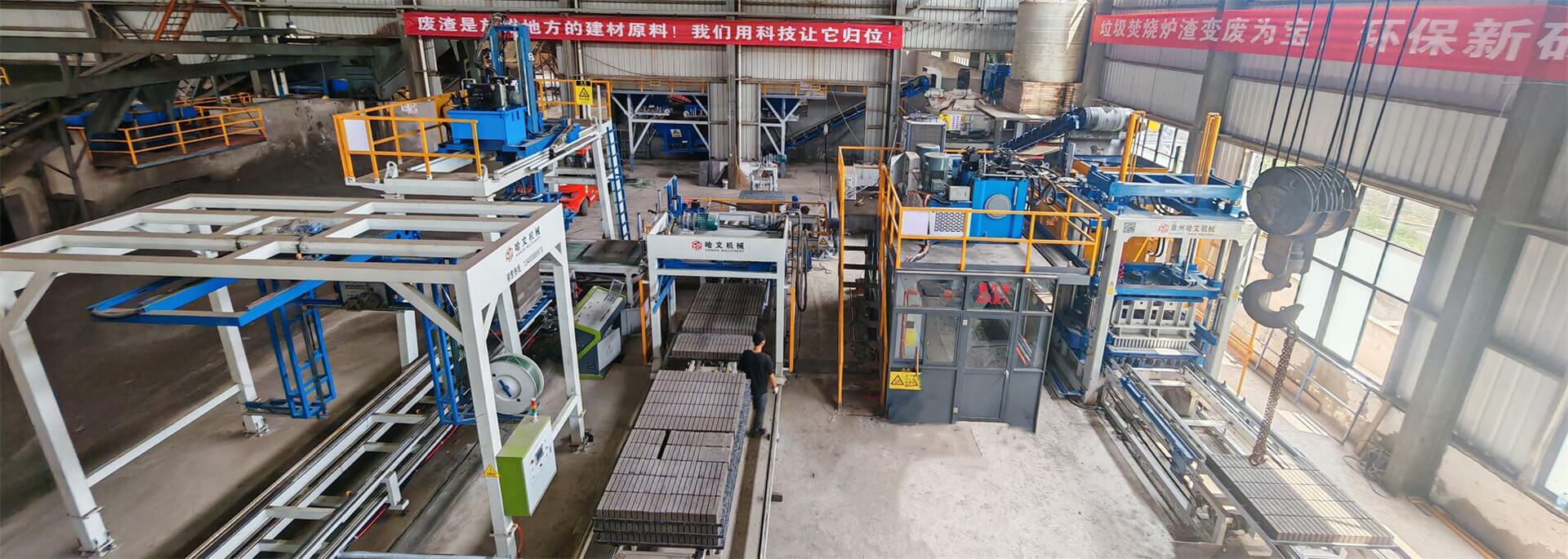
Review the machine, pallet and unit orientation against the proposed mold layout. Explain how freshly formed kerbs are transferred and how they are supported during curing. The production estimate should account for the complete workflow, including finishing and packing. If the visible face uses a separate mix or texture, include that requirement in the process review.
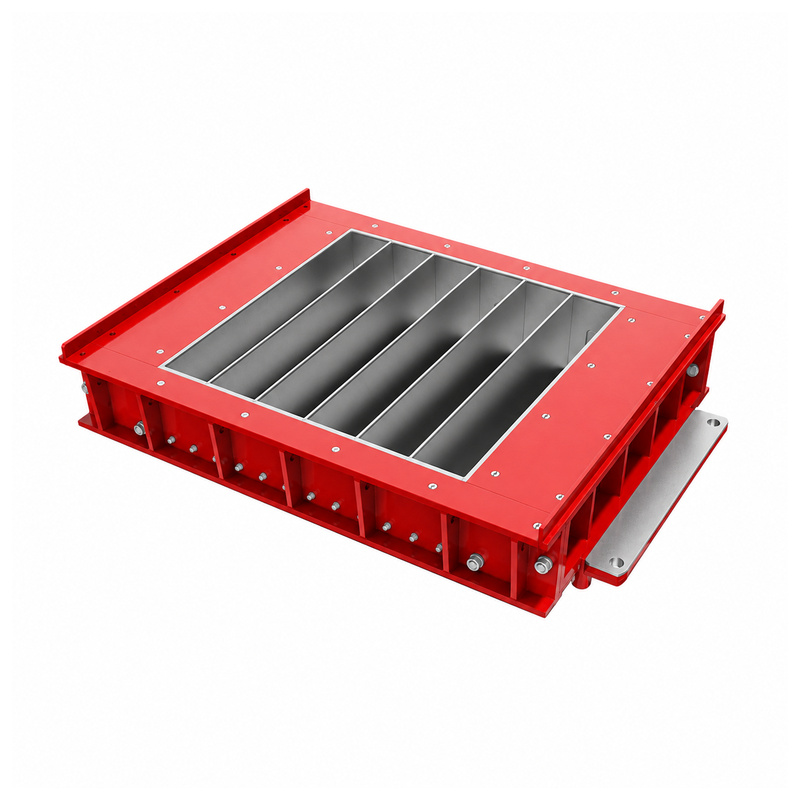
Inspect trial units for length, cross-section, straightness and edge condition. Compare transition units at their mating faces and retain approved samples. Agree finished-product testing for the intended use separately from mold inspection. Packing and storage should preserve the accepted edges and face appearance, with clear identification of different profiles to simplify dispatch and installation.
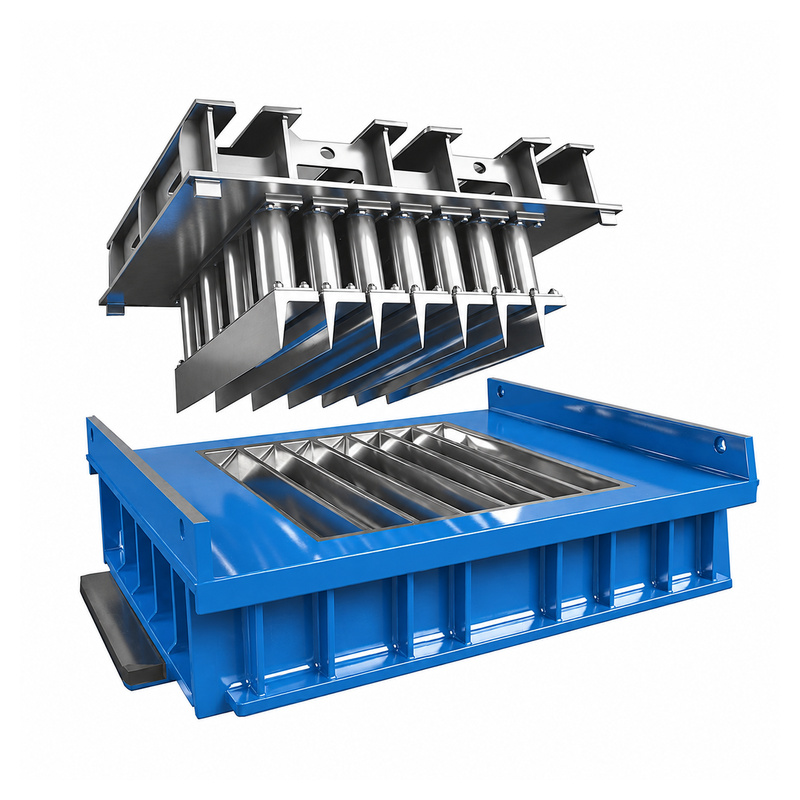
Bring the following information into the first technical discussion. A clear product brief helps the supplier review the proposed configuration and identify the details that need confirmation.
Yes. Reviewing their connection geometry together helps maintain a coordinated range, even when separate molds are needed.
Contact HAWEN with your product drawings, machine information and production objectives. The next step is a review of the proposed configuration, followed by a quotation based on the confirmed technical requirements.
Related product: Curbstone Molds for Concrete Kerbstone Profiles.

 Tel: +8618359454595
 Email: sale@hwmachines.com
 MP/WhatsApp: +8618359454595
 Manufacturer Address:Nanan, Quanzhou City, Fujian Province, China