Concrete Block Molds
Hollow Block Mold
Solid Block Mold
Solid Brick Mold
Interlocking Block Mold
Thermal Block Mold
Author:HAWEN Block Mould Manufacturer TIME:2026-10-11
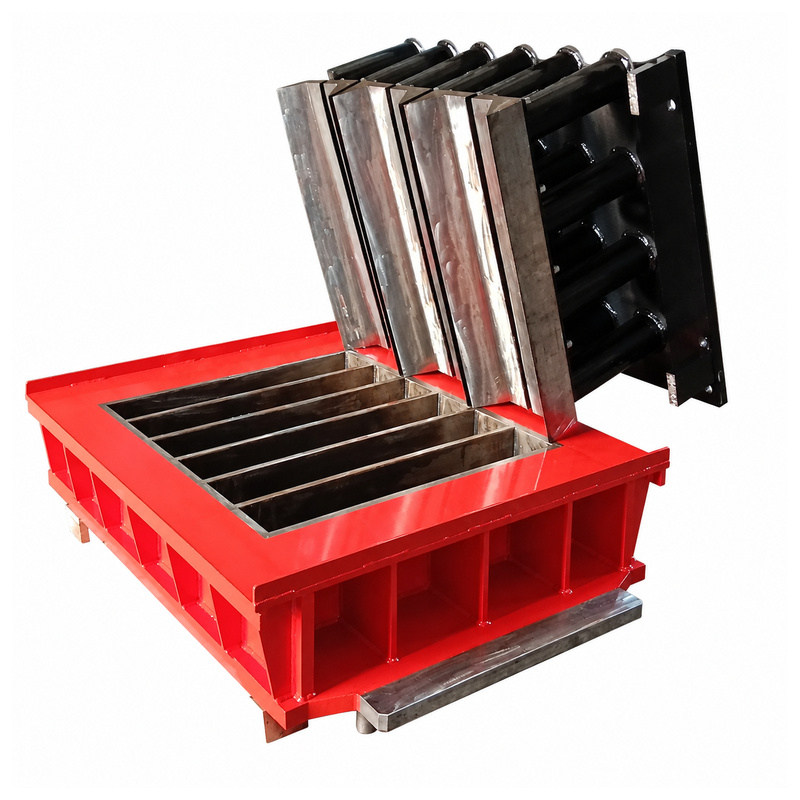
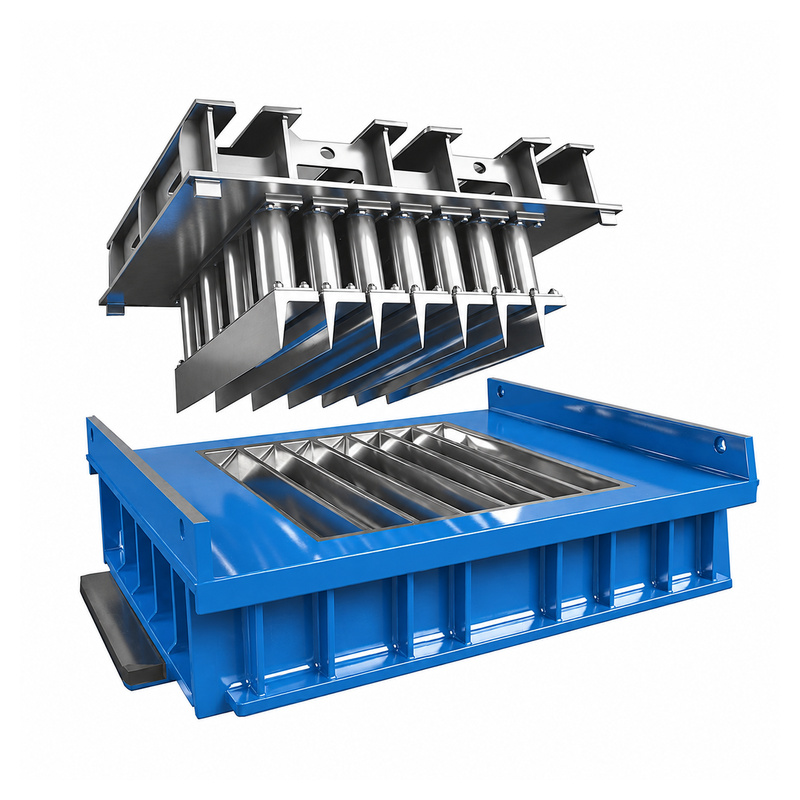
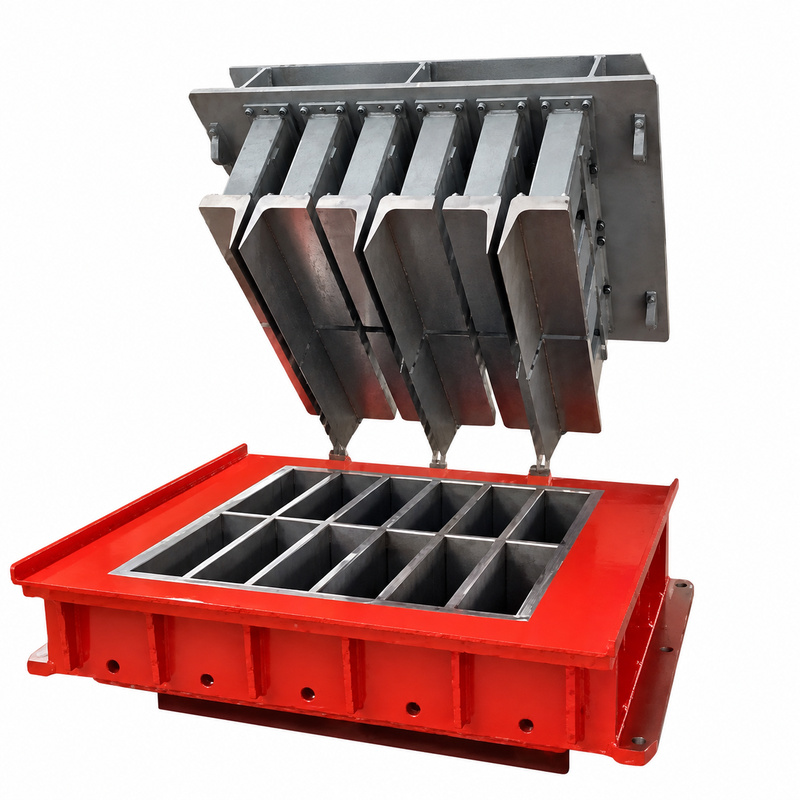
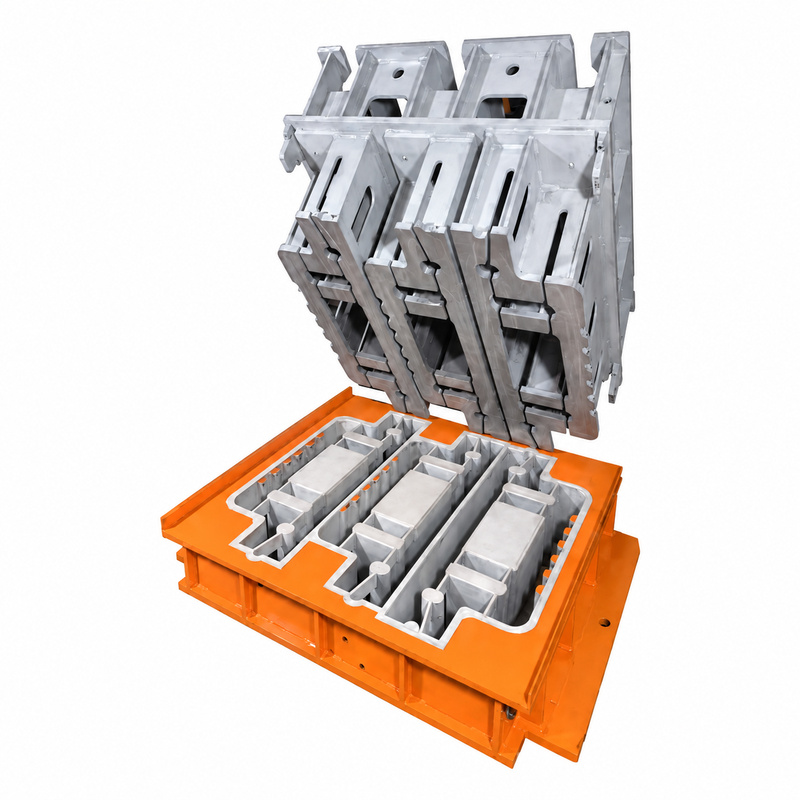
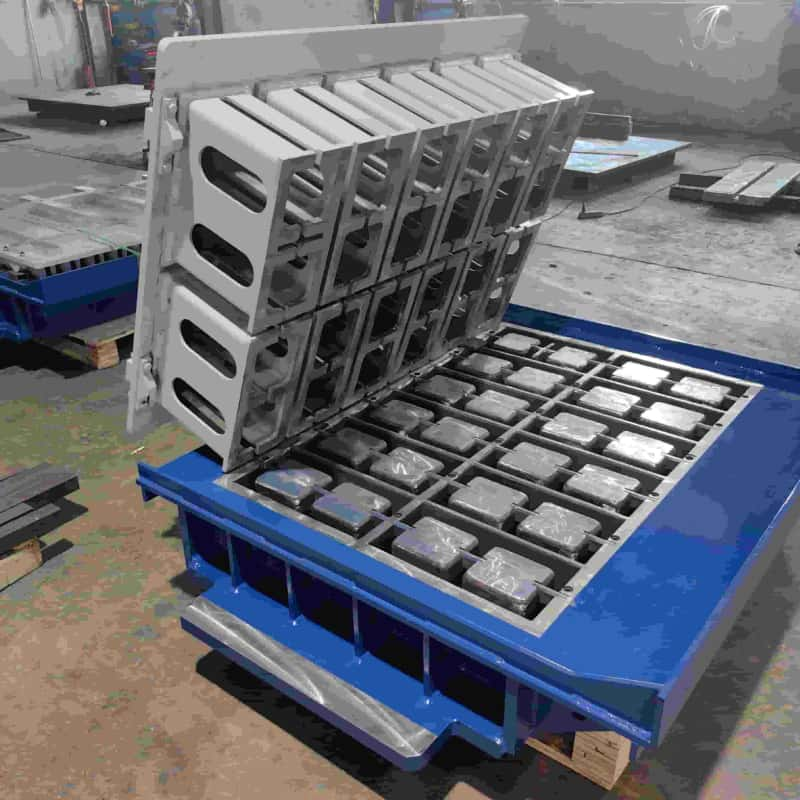
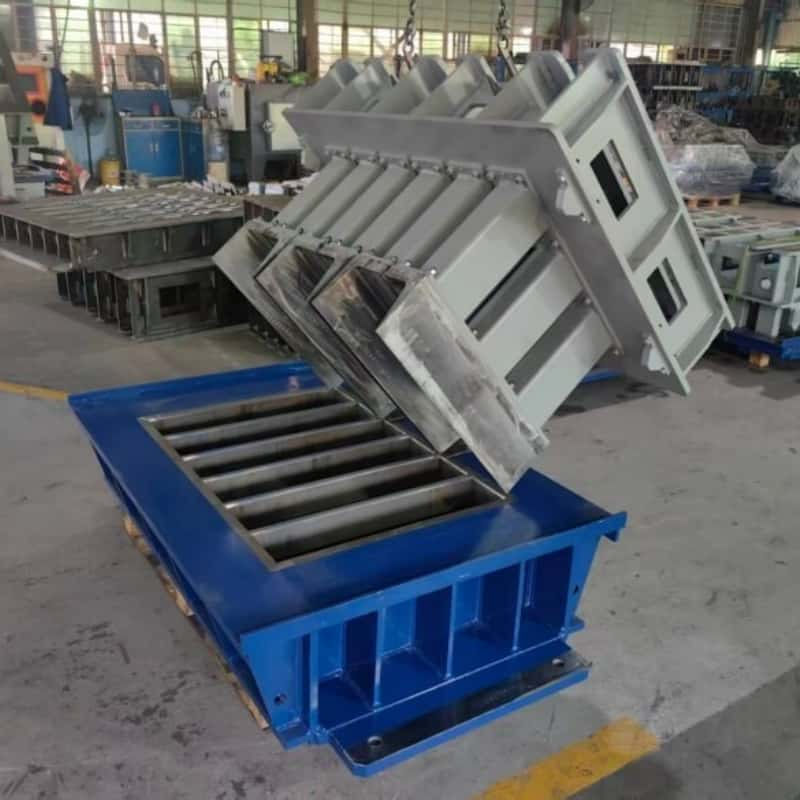
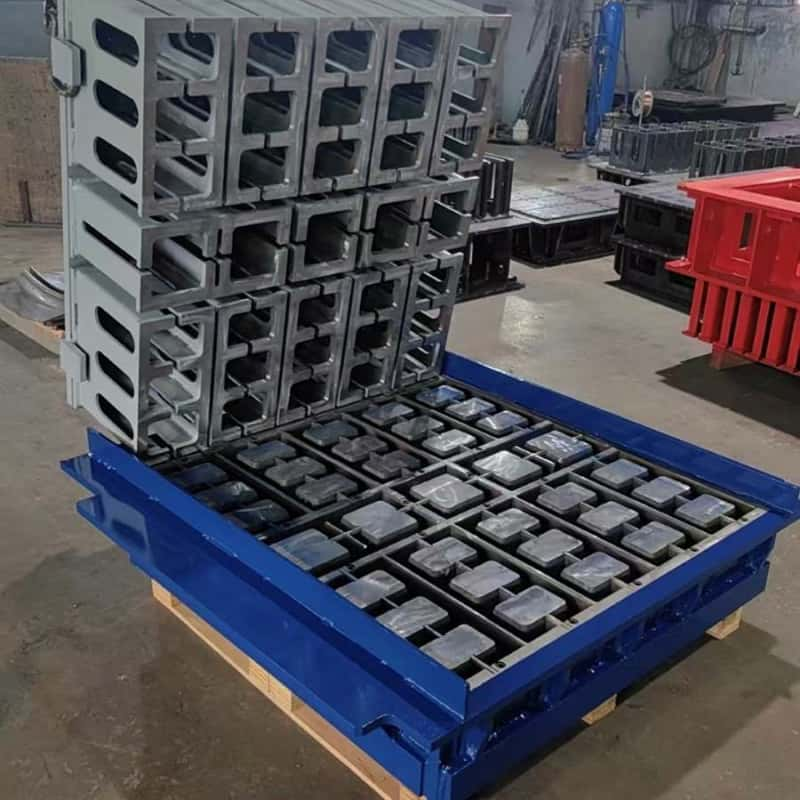
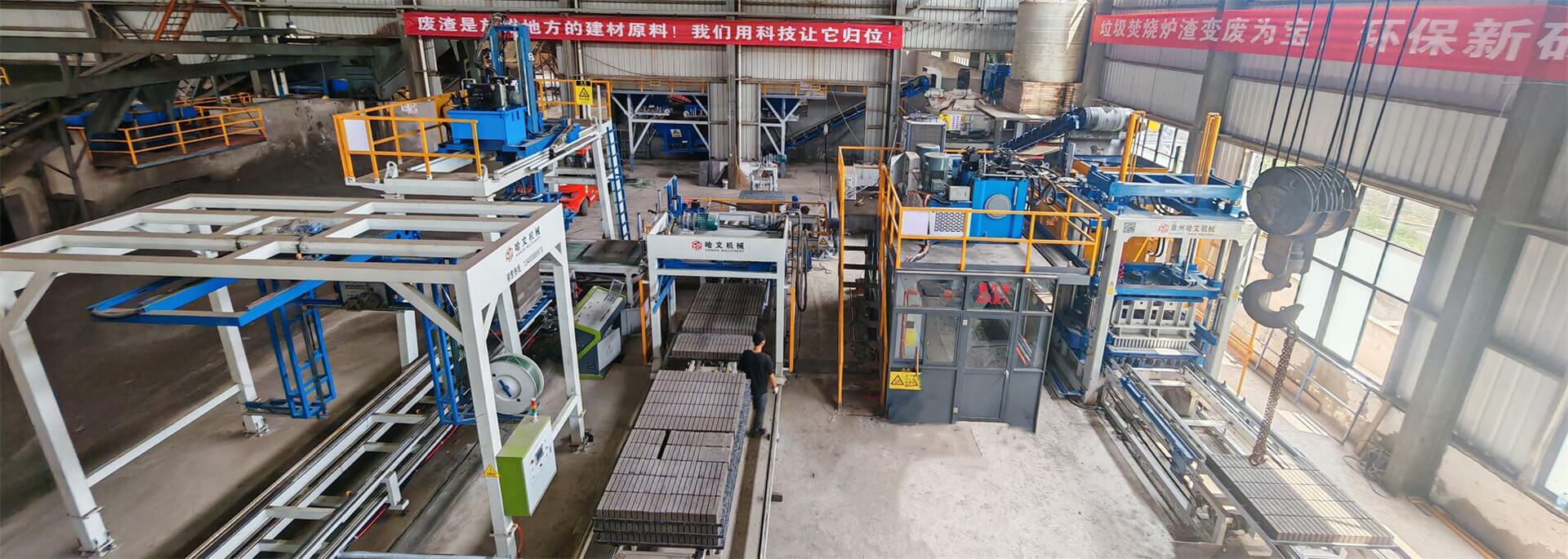
Solid concrete blocks use a compact masonry profile without the large open cores found in hollow units. A solid block mold therefore needs a different cavity and tamper arrangement. Buyers should define the complete block format, handling requirements and production method before comparing quotations. The right starting point is the unit that customers need, followed by a tooling layout that can produce it consistently on the available machine.
A solid block is often a larger masonry unit than a solid brick, but names alone do not define its size. Supply the actual dimensions and a section drawing. Show any grip features, grooves, bevels or recesses instead of assuming a completely plain rectangle. This avoids ordering a shallow paving mold or a small brick mold under a broad solid-block description. The approved drawing should identify the intended finished unit clearly.
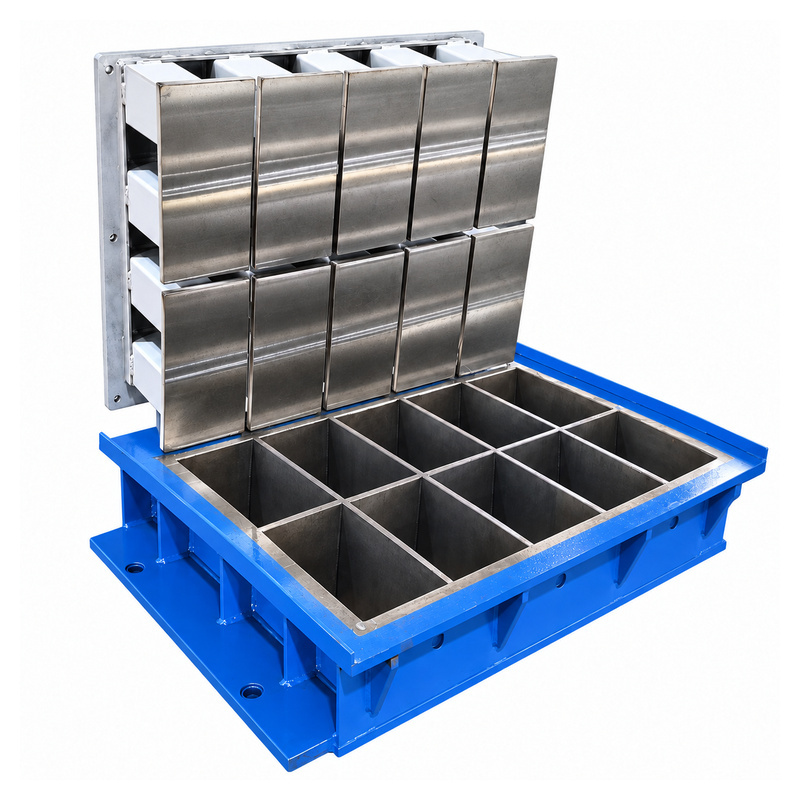
Large solid cavities require a production review of material distribution, compaction and fresh-block handling. The supplier should evaluate the cavity arrangement against the machine and pallet. The handling system and curing plan also need to suit the proposed product. Confirm pieces per cycle separately from daily output, because saleable capacity depends on production rhythm, stoppages, curing space and rejects as well as the mold layout.
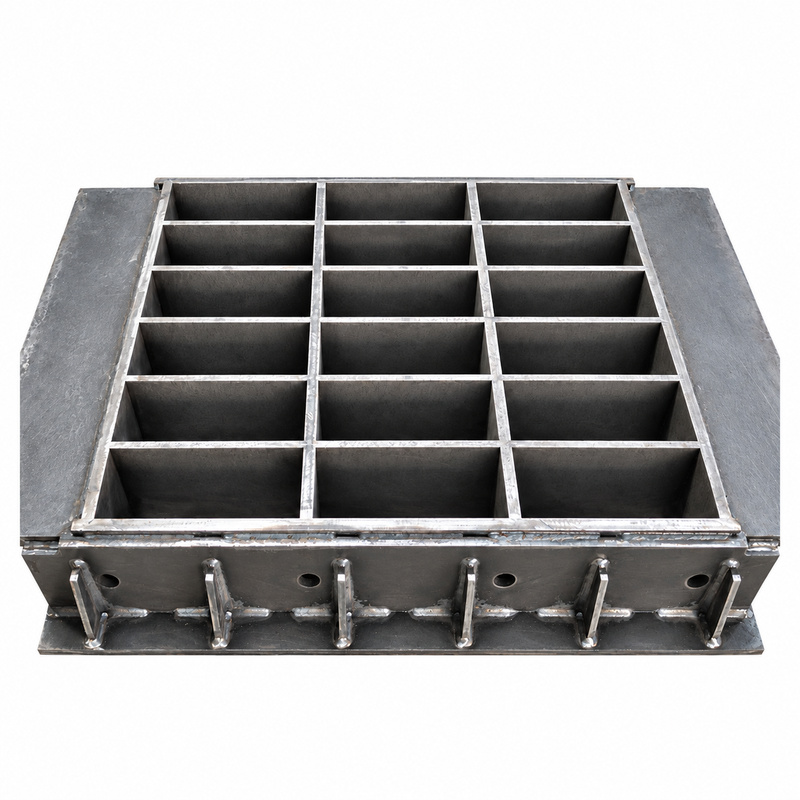
Check dimensions and squareness on units taken from several cavities. Examine corners, vertical faces and the underside for damage or inconsistent forming. If the product has a decorative face, agree its reference sample in advance. Record the trial conditions and establish an inspection routine appropriate to the finished product. A plain-looking block still needs clear acceptance criteria; visual appearance alone cannot establish its strength or suitability for a structural application.
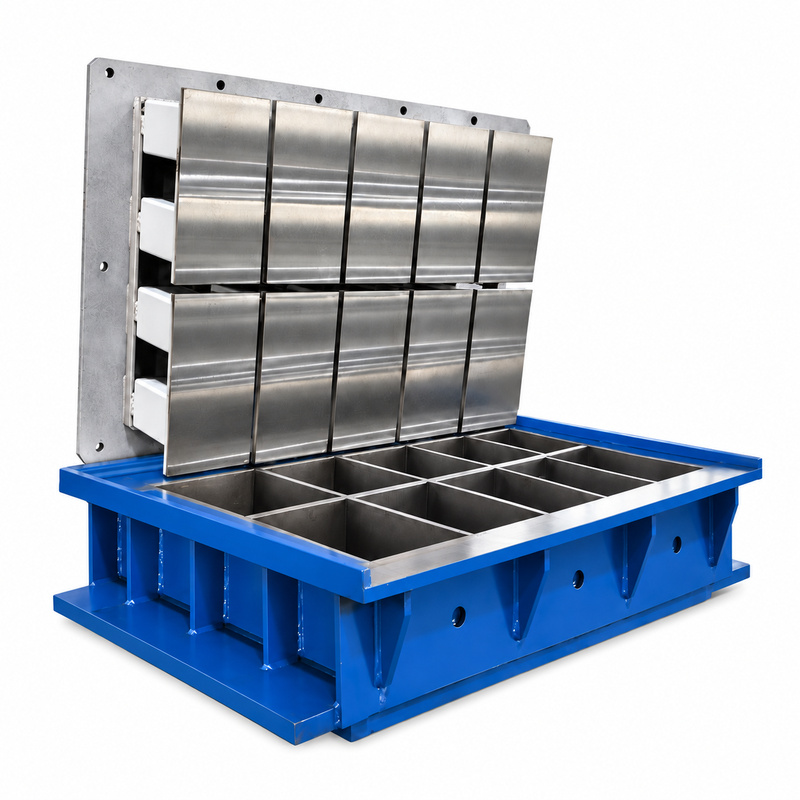
Bring the following information into the first technical discussion. A clear product brief helps the supplier review the proposed configuration and identify the details that need confirmation.
Both can have rectangular cavities, but depth, edge details, finished-unit use and machine arrangement may differ. Match the tooling to the complete product drawing.
Contact HAWEN with your product drawings, machine information and production objectives. The next step is a review of the proposed configuration, followed by a quotation based on the confirmed technical requirements.
Related product: Solid Block Molds for Concrete Masonry Production.

 Tel: +8618359454595
 Email: sale@hwmachines.com
 MP/WhatsApp: +8618359454595
 Manufacturer Address:Nanan, Quanzhou City, Fujian Province, China