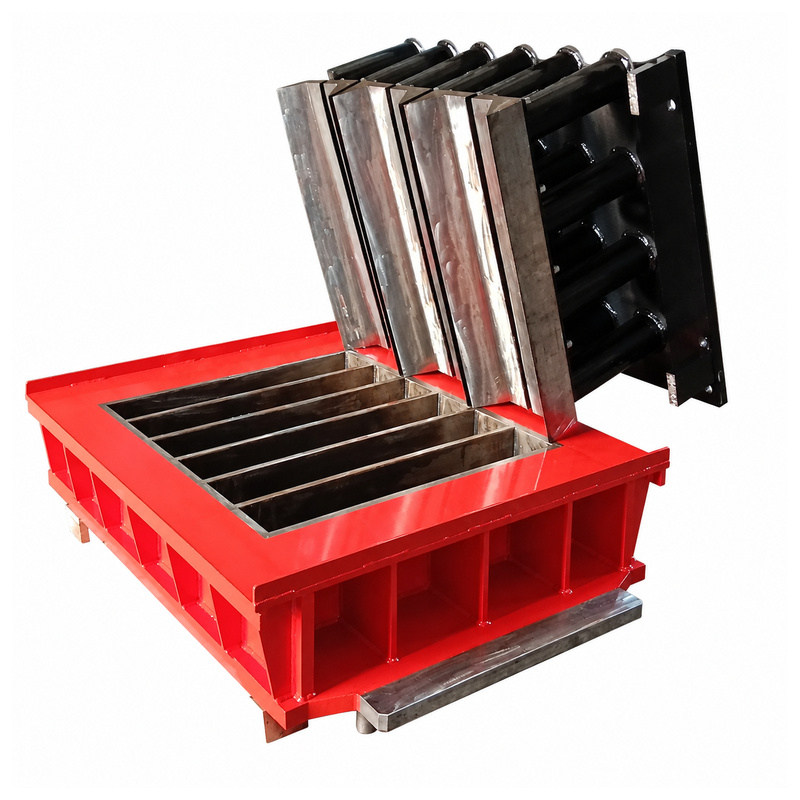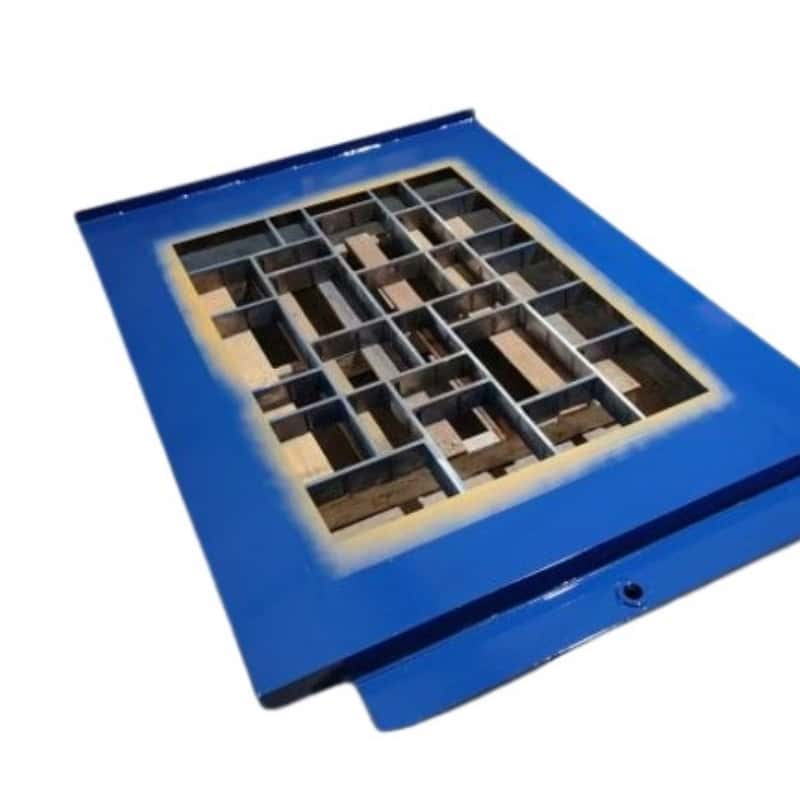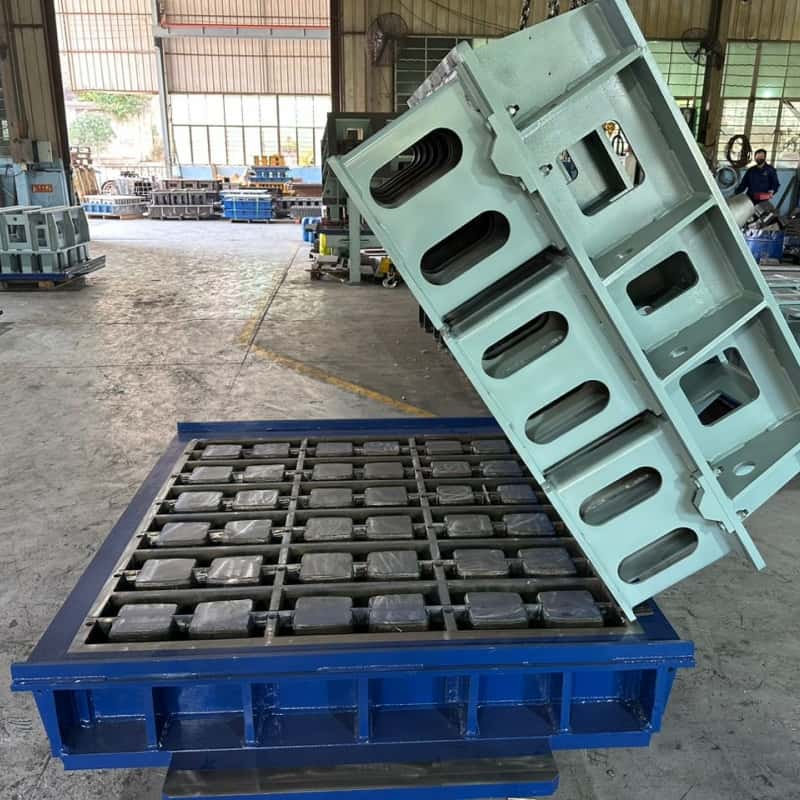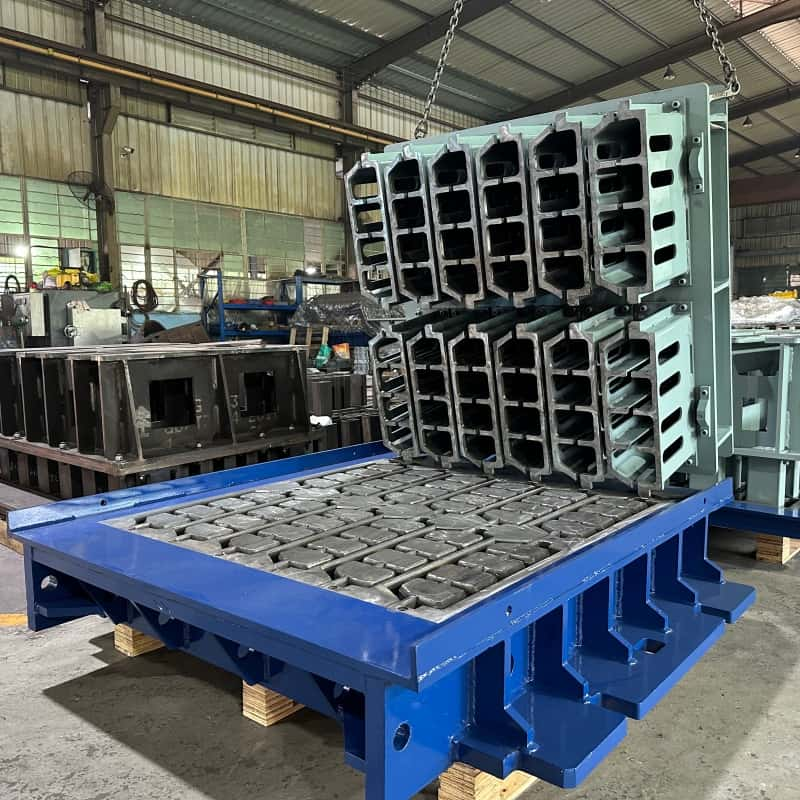
Concrete Block Molds
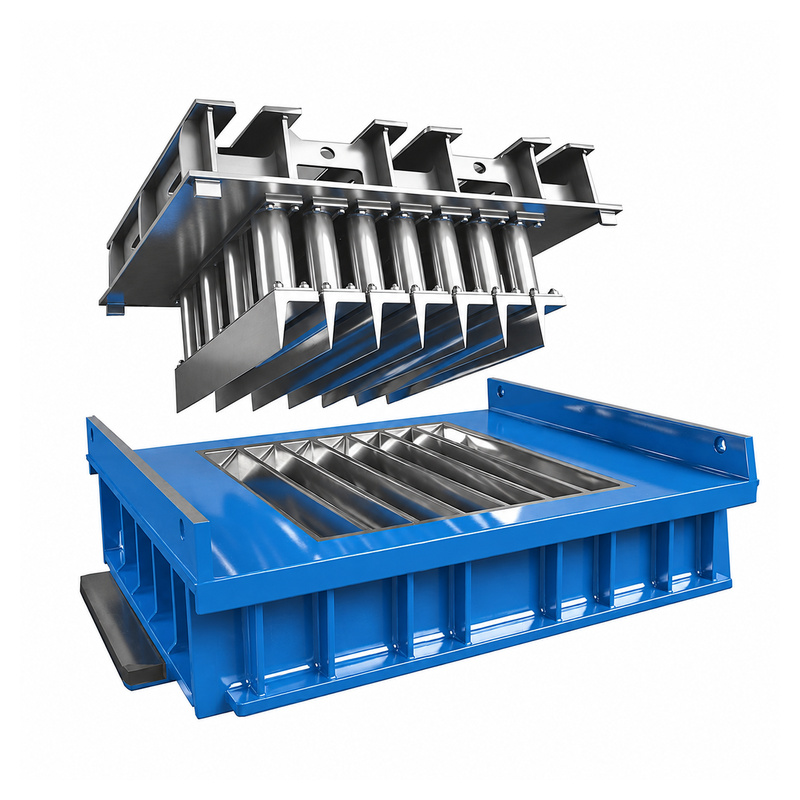
Hollow Block Mold
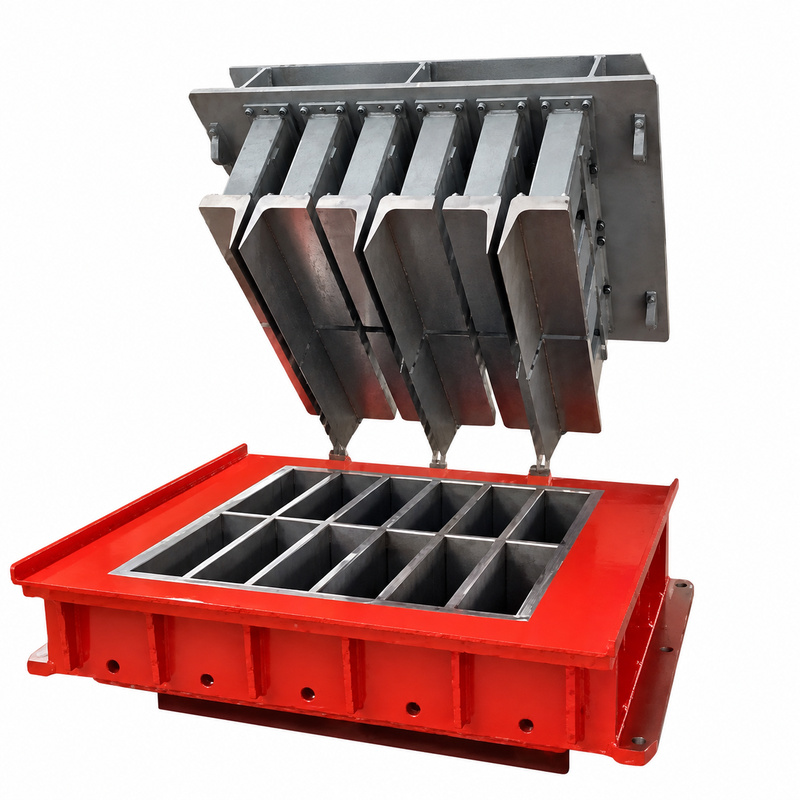
Solid Block Mold
Solid Brick Mold
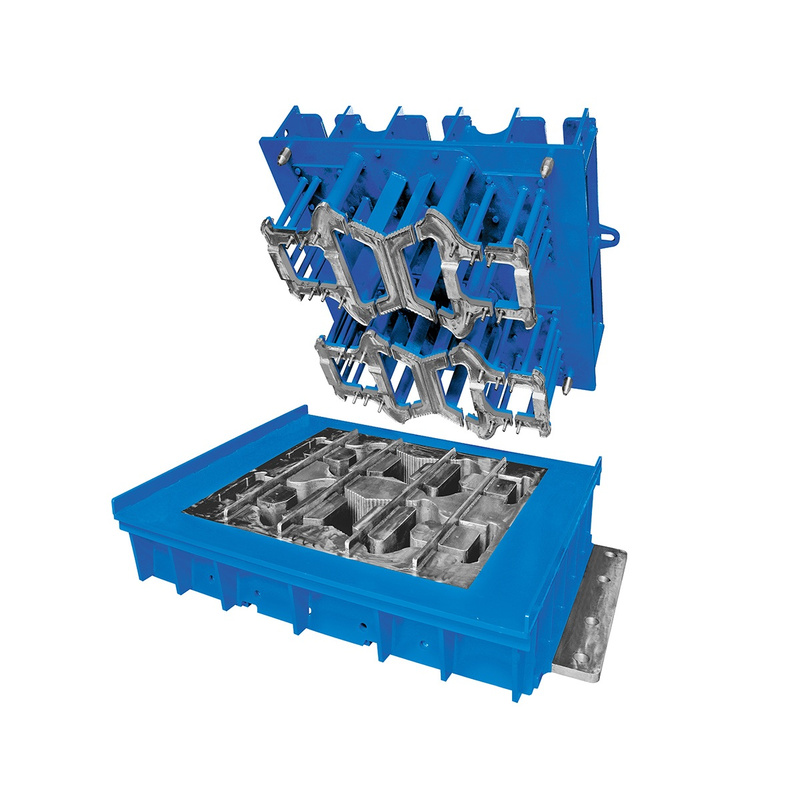
Interlocking Block Mold
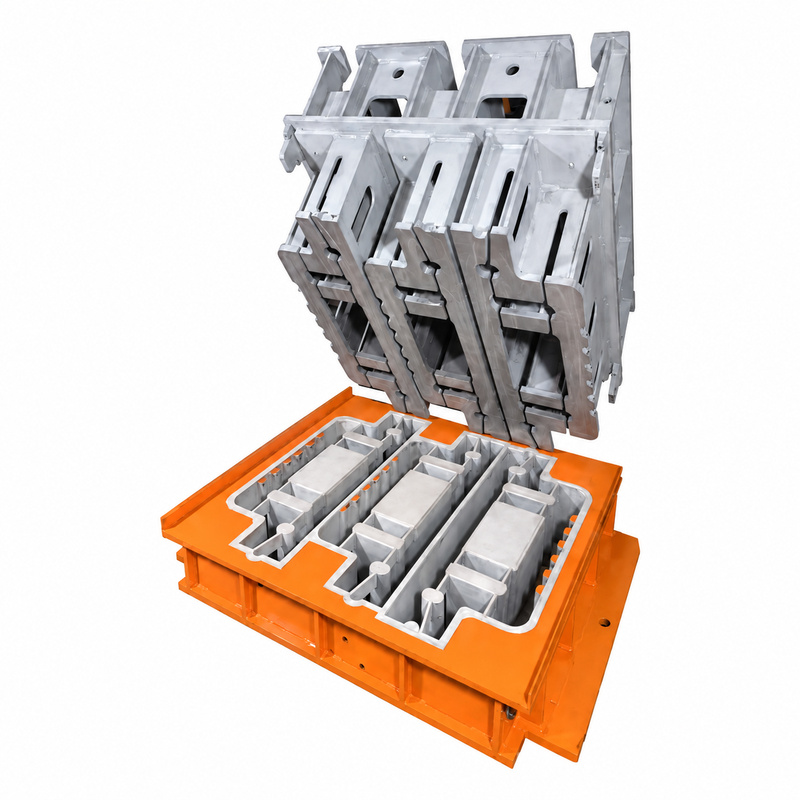
Thermal Block Mold
Author:HAWEN Block Mould Manufacturer TIME:2026-11-18
A horizontal setback per course and a wall-batter angle can describe the same ideal geometry, but they are not interchangeable labels. Their relationship also needs the vertical course rise and a declared angle reference. Before a retaining-wall unit requirement becomes a tooling instruction, check whether its distance and angle describe the same intended arrangement.
The geometry below translates references; it does not choose a wall inclination, a connection detail or a safe construction configuration. Those belong to the responsible wall-system design and product assessment.
Imagine an ideal side section through corresponding reference points on two successive courses. The upper reference point is a horizontal distance s behind the lower one, measured in the declared setback direction. Its vertical separation from the lower point is h, the defined course rise.
For that right-triangle construction, tan θ = s/h. Equivalently, θ is the arctangent of that ratio. The reference axis is part of the statement: here zero degrees would describe a vertical line, rather than a horizontal one.
Use two fictional geometry examples with a horizontal step of 10 mm. In the first, the defined course rise is 100 mm. In the second it is 200 mm. These numbers are teaching inputs, not recommended unit dimensions, HAWEN connection details or permitted wall inclinations.
| Example | Step s | Rise h | s/h | Angle from vertical |
|---|---|---|---|---|
| Shorter rise | 10 mm | 100 mm | 0.10 | Approximately 5.71 degrees |
| Taller rise | 10 mm | 200 mm | 0.05 | Approximately 2.86 degrees |
The horizontal distance has not changed, but the second ratio is half the first. Its angle from vertical is therefore different. A setback distance without its corresponding course rise cannot uniquely define this angular reference.
Use the arctangent relationship rather than scaling angles directly. Halving the ratio does not, in general, halve the angle exactly; the values in the table are rounded results of the nonlinear relationship. A copied angular proportion can therefore disagree with a correctly defined step-and-rise pair even when the length entries themselves are consistent.
Keep s and h in the same length unit before forming the ratio. If one entry is given in millimetres and the other in another unit, normalise them first. The ratio is dimensionless; a unit mismatch would change the represented geometry rather than merely alter its presentation.
The inverse question is equally specific. An angle and a defined course rise can describe the corresponding ideal horizontal step. That relationship does not establish where a locating feature should be machined, because the actual connection geometry and product references still have to realise the intended arrangement.
The first example's angle from horizontal is the complement of its angle from vertical: approximately 84.29 degrees. A bare label of 5.71 degrees would mean a very different line if someone read it from the horizontal axis. Write the axis beside the angle rather than relying on the word “slope.”
A molded unit-face angle is another possible reference. The angle of one product surface need not equal the inclination of the envelope through corresponding points on successive courses. A stepped arrangement may have individual face portions with their own defined geometry.
Mark which line the requirement concerns: a product surface, a joining line between course references or another specified system datum. It is possible for two correctly stated angles to differ because they refer to different objects. The clarification should resolve that reference before anyone changes a unit profile to make the printed values match.
The h in this explanation is a vertical separation in the specified seated arrangement. Do not silently substitute a nominal catalogue height or a measurement to an unrelated edge. The responsible system reference should establish which points and seating condition define the rise.
A distance measured along an inclined line is different from its vertical rise. In the ideal right triangle, that sloping distance would be the hypotenuse, whereas h is the vertical leg. Substituting one for the other changes the ratio even when every entry uses millimetres. Label horizontal and vertical directions on the references before interpreting the formula.
Likewise, the horizontal step follows the actual relationship between successive unit references. Different connection designs can use different locating features. This calculation neither identifies those features from an image nor assumes that every retaining-wall unit creates its setback in the same way.
HAWEN's retaining-wall block tooling scope asks for defined unit and connection geometry. Return the clarified step, rise and angular datum to that actual product review. The mold maker needs the intended unit relationship, while wall stability, drainage, reinforcement and site conditions remain with the separate engineering assessment.
The resulting decision is a reference check: do the supplied distance and angle describe the same ideal geometry, or are their course rise, axis or product-face meanings different? A consistent answer removes an ambiguity from the tooling brief without turning a geometric conversion into a selected wall design.
Terminology examples: Allan Block product reference uses angular setback labels; the VERSA-LOK Curves and Corners bulletin discusses per-course distance. Their proprietary values, construction methods and performance claims are not adopted here.

 Tel: +8618359454595
 Email: sale@hwmachines.com
 MP/WhatsApp: +8618359454595
 Manufacturer Address:Nanan, Quanzhou City, Fujian Province, China