Concrete Block Molds
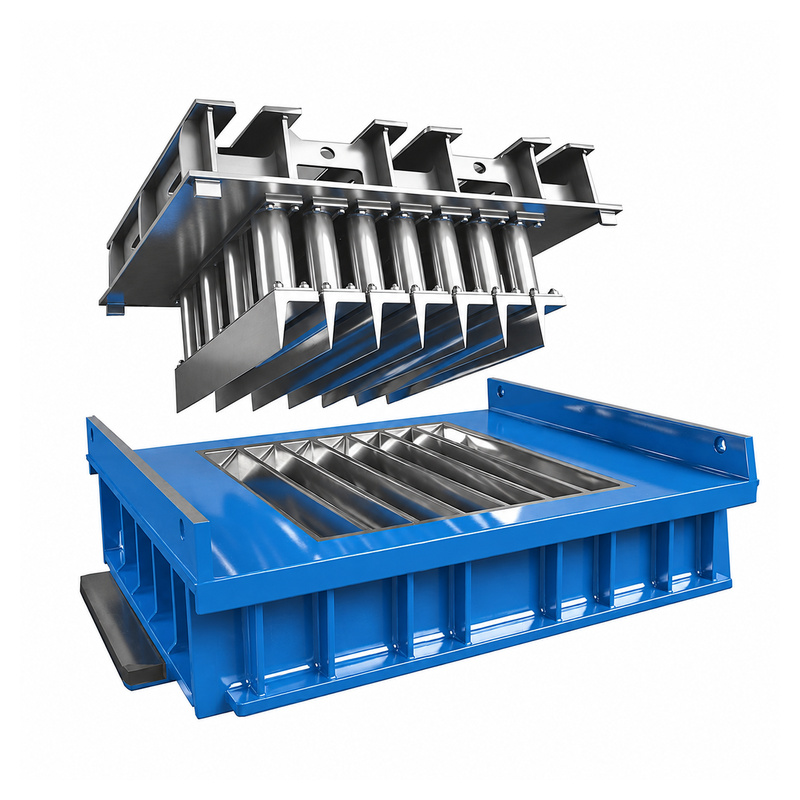
Hollow Block Mold
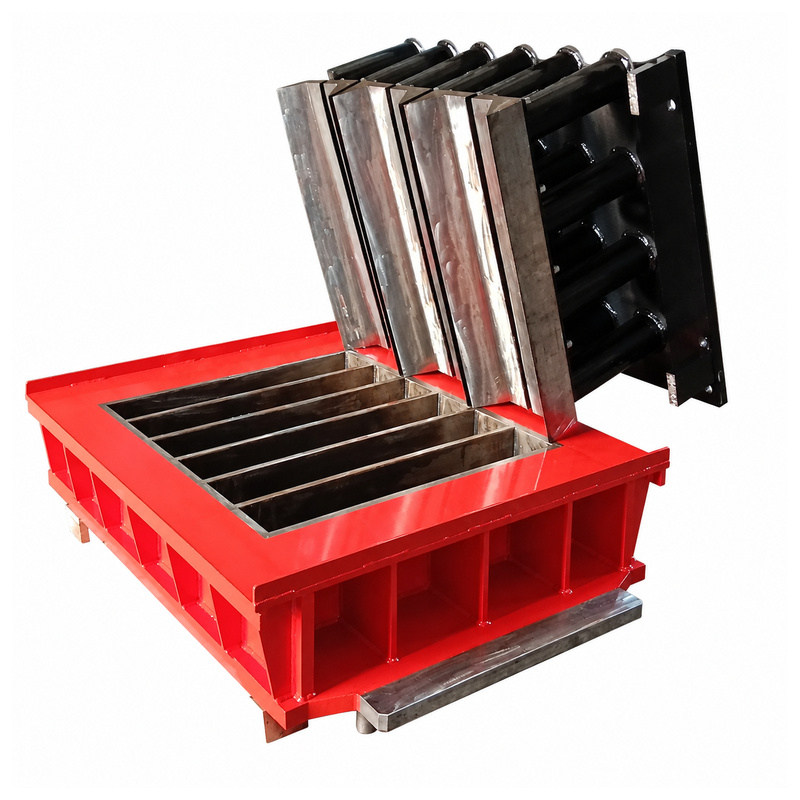
Solid Block Mold
Solid Brick Mold
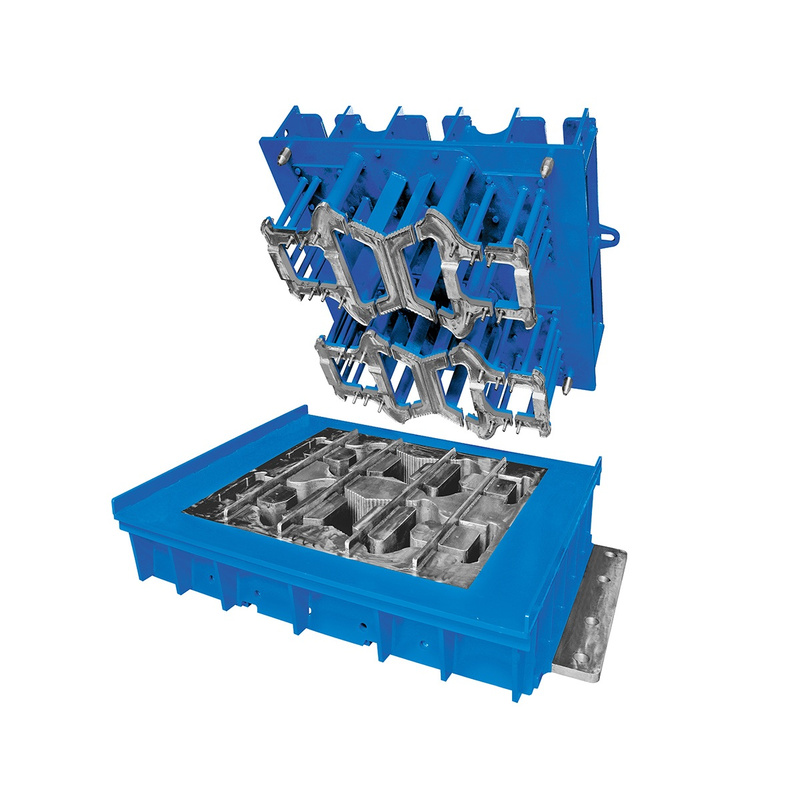
Interlocking Block Mold
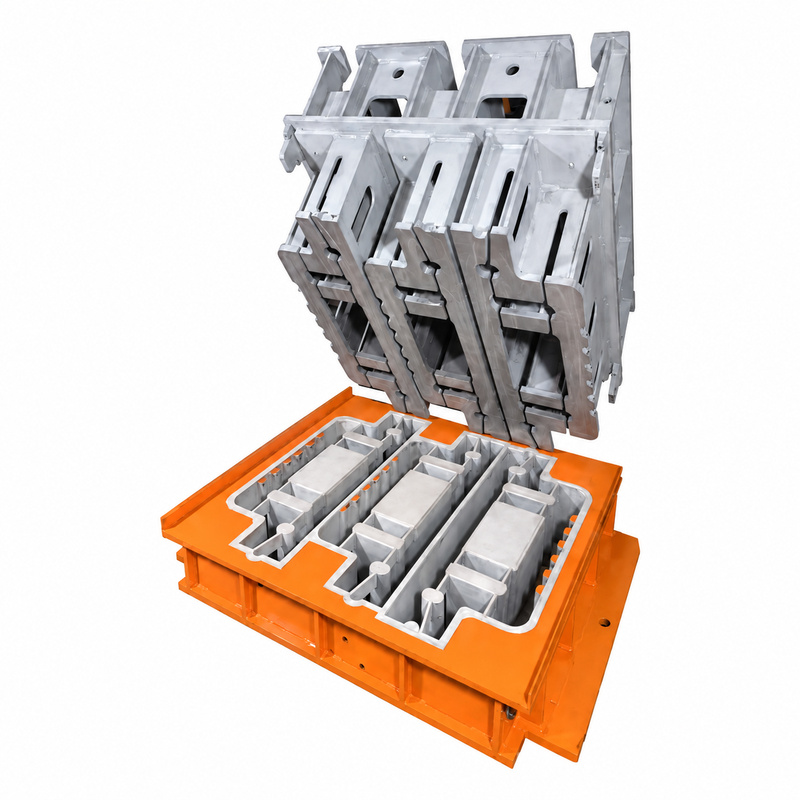
Thermal Block Mold
Author:HAWEN Block Mould Manufacturer TIME:2026-10-22
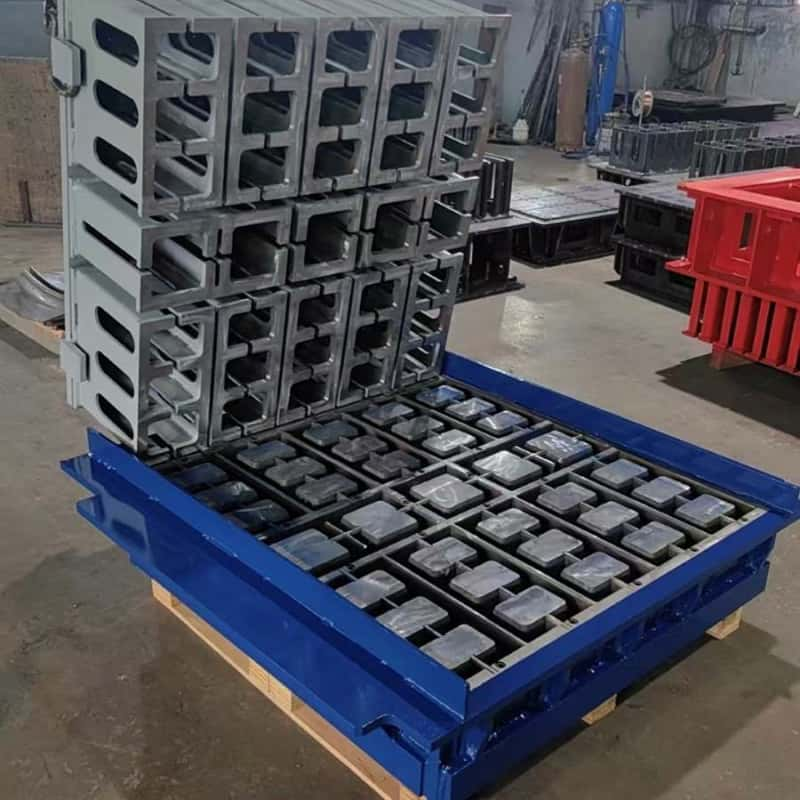
A trial measurement is useful only while you can connect it to the block that was measured. Before running a hollow block mold, agree how cavity positions, retained samples and inspection results will be identified. Otherwise, a row of acceptable-looking blocks can lose its meaning as soon as the pallet is moved.
The record below is a suggested way to organise that connection. It does not set a sample quantity, test age or dimensional tolerance. Those requirements belong in the agreed trial and acceptance plan for the actual product, mold and machine.
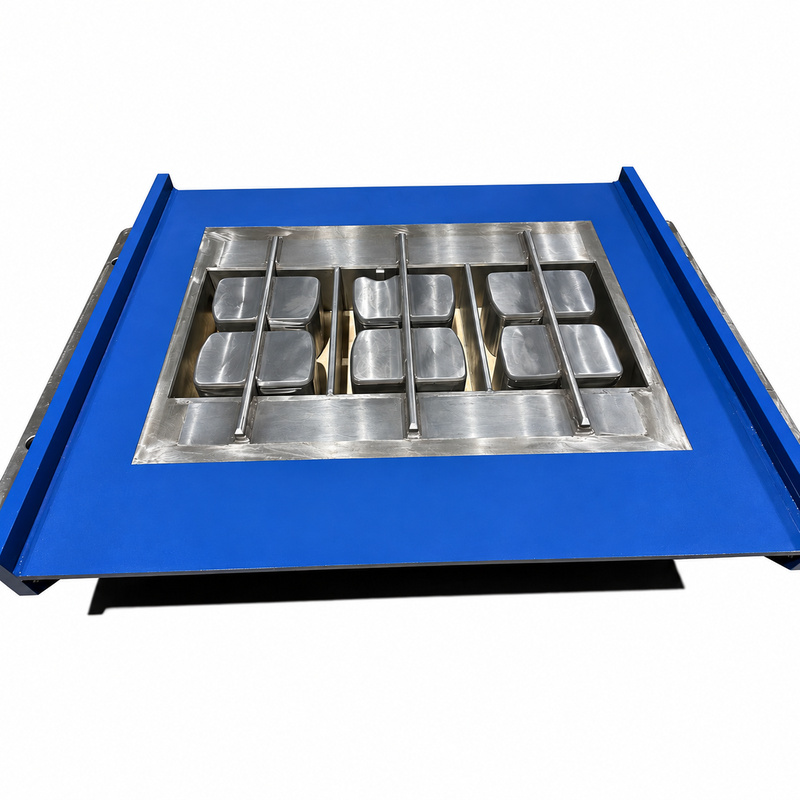
“Front left” is ambiguous when one person stands at the machine discharge and another looks at a drawing from the opposite direction. Choose an orientation reference before assigning cavity labels. Mark that reference on a copy of the approved layout and on the inspection sheet. A machine-side reference or a clearly identified feature can help, provided the team agrees exactly what it means.
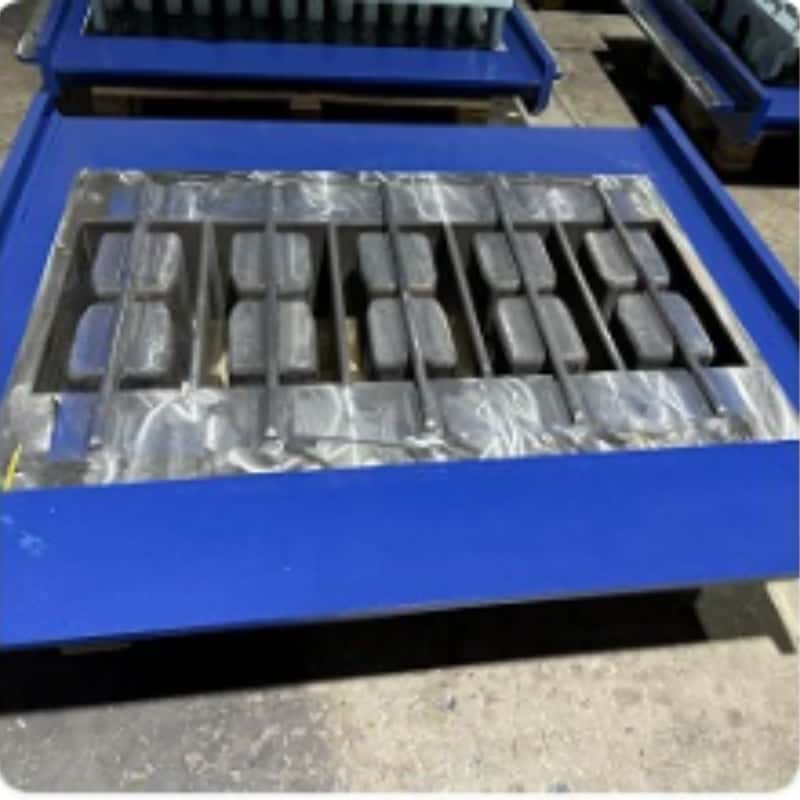
Assign an identifier to each relevant cavity position. Keep the map legible and separate it from the numbering of individual cores inside a block. A cavity makes a unit; several cores can define the openings within that unit. If both use numbers without a prefix or explanation, an observation such as “damage at 3” may point to two different places.
The map should identify the mold assembly and drawing revision as well as the cavity labels. When the layout changes, issue a new map reference. Do not keep a familiar numbering scheme if it no longer describes the installed arrangement. The purpose is to make a result traceable, not to impose a particular numbering convention on every plant.
A cavity label alone does not identify a sample after several trial cycles. Add a trial-run reference and a sample reference so that the record can distinguish units made at the same position at different times. Use the plant's approved handling and identification method; do not add markings that could interfere with required testing or damage a fresh unit.
Record the transfer when the sample moves from the production pallet to an inspection or storage location. If identification is lost, mark the sample's position as unconfirmed. A plausible guess restores the appearance of a complete sheet while removing the evidence needed to compare cavities.
Photographs can support this handoff. An overall view can show the arrangement, while a labelled close-up can show the observed feature. Keep the photograph reference beside the sample reference. A folder containing several files named “block defect” is much harder to interpret when the trial team is no longer present.
Before the trial, agree which finished-unit features will be checked, at what stage and against which drawing or acceptance document. Outside dimensions, core positions, web continuity and edges can require different observations. Tooling dimensions and finished-product measurements are different records; one should not be silently substituted for the other.
| Record field | What to capture | Why it stays separate |
|---|---|---|
| Identity | Trial reference, assembly reference, layout revision, cavity and sample IDs | Shows which unit the result describes |
| Conditions | Relevant mix, machine-setting and pallet references for that run | Allows a later result to be compared in context |
| Observation | Measured feature or visible condition, location and evidence file | Records evidence without declaring a cause |
| Assessment | Applicable criterion, reviewer and accepted or unresolved status | Connects the observation with an agreed decision |
| Follow-up | Required action and the reference of any subsequent trial | Keeps the original result available after a change |
For example, “edge damage visible on sample S-04” is an observation. “The core must be replaced” is a proposed cause and action. Keeping those statements apart gives the reviewer room to examine tooling condition alongside filling, compaction, pallet condition and other relevant production information. One symptom does not establish a component failure.
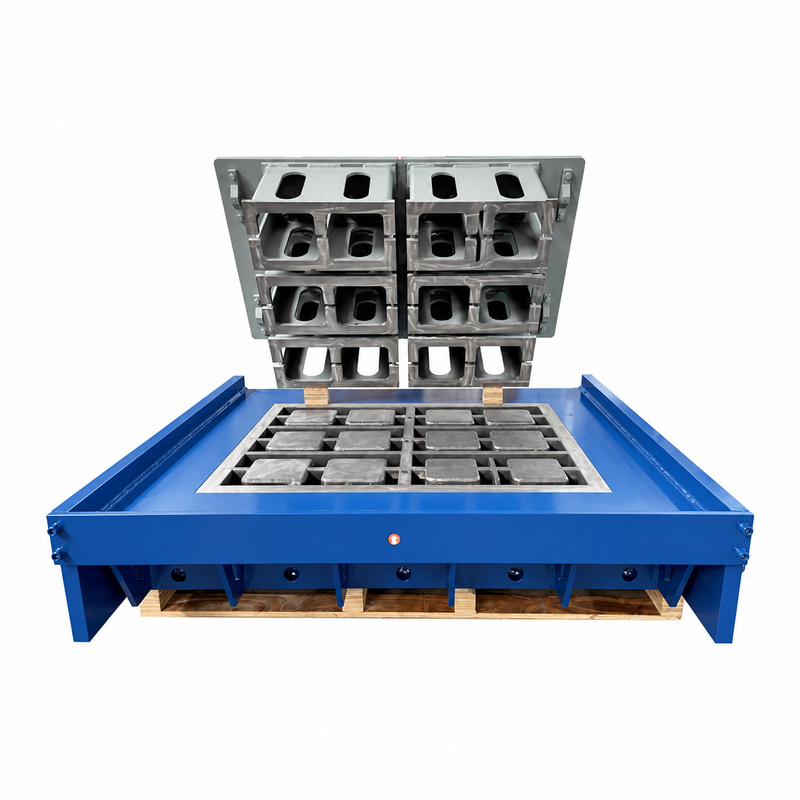
If one position produces a different-looking unit, first check whether the records refer to comparable conditions and the same inspection stage. A measurement made on one unit at a different stage cannot automatically be placed beside another as a cavity-to-cavity comparison. The agreed method should say how these comparisons will be made.
Look for a pattern without turning that pattern into a diagnosis. A repeated observation at the same mapped position is a useful reason to investigate that area. A change across several positions may lead the team to review broader production conditions. In either case, retain the observations and let the responsible technical personnel determine the appropriate checks.
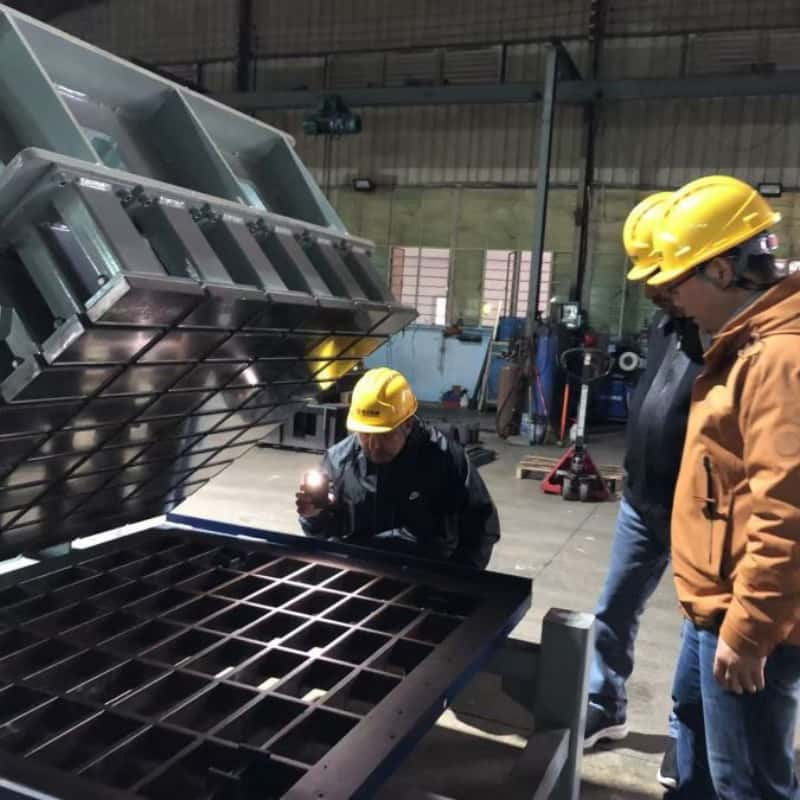
Never use the record as permission to access a moving machine or adjust the tooling. Inspection, isolation and any subsequent work must follow the plant's procedures and the instructions for the equipment. The sheet organises information; it does not replace an operating or repair procedure.
Suppose a hypothetical trial contains an unresolved edge observation at C-02. After the responsible team reviews the issue, another trial is authorised. Give the later run its own reference and link it to the open question. Record the relevant change and the new observations instead of overwriting the first row with the more recent result.
This makes three things visible: what prompted the review, what changed and what the next evidence showed. If several changes occur together, record them together rather than attributing the result to one selected adjustment. A complete history can still contain uncertainty; a clean-looking history with the earlier evidence deleted cannot explain it.
A repeat inspection should also refer to the correct drawing revision. If the product requirement changed during development, the new result may address a different target. Label the earlier requirement as superseded while retaining it with its original evidence. Do not describe the old trial as a failure against a criterion that did not yet apply.
Before releasing the trial record, check that each assessed sample has a traceable position, each numerical result names its reference and each unresolved question has an owner. “Checked” without a drawing reference or recorded decision leaves the purchasing and production teams to reconstruct the meaning later.
HAWEN's hollow block mold layout and trial-review page identifies the product, pallet and matched tooling information needed for this discussion. When arranging your trial review, add a proposed position map and record format to those references. That gives both teams something concrete to agree before the first samples change hands.

 Tel: +8618359454595
 Email: sale@hwmachines.com
 MP/WhatsApp: +8618359454595
 Manufacturer Address:Nanan, Quanzhou City, Fujian Province, China