

 Mould Model
 Block Size
 Material / HRC
 Cavities/Cycle
 Mounting
 Certification

Custom Dimensions for Your Product Range
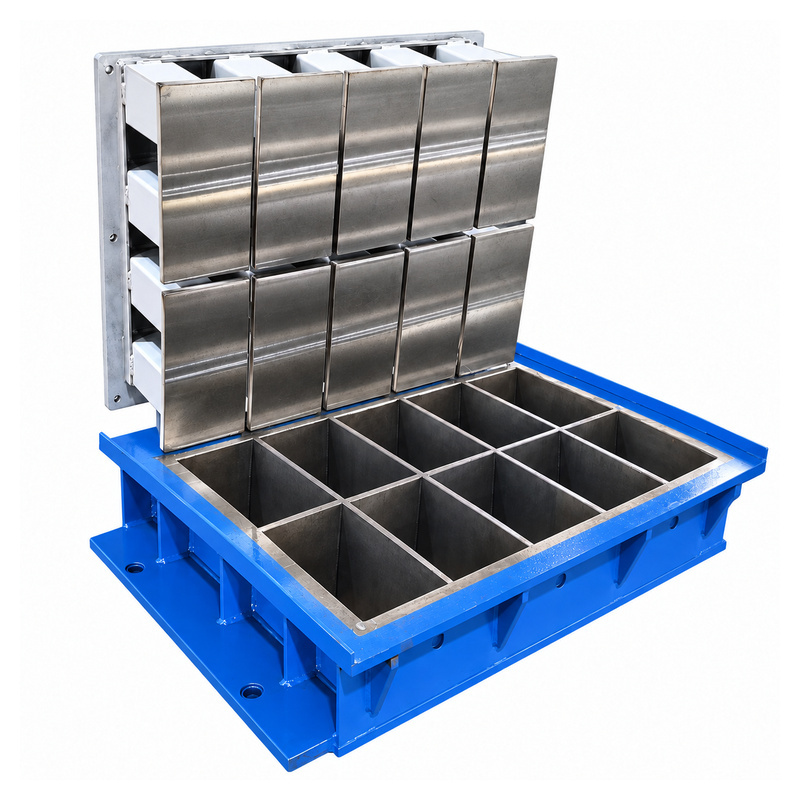
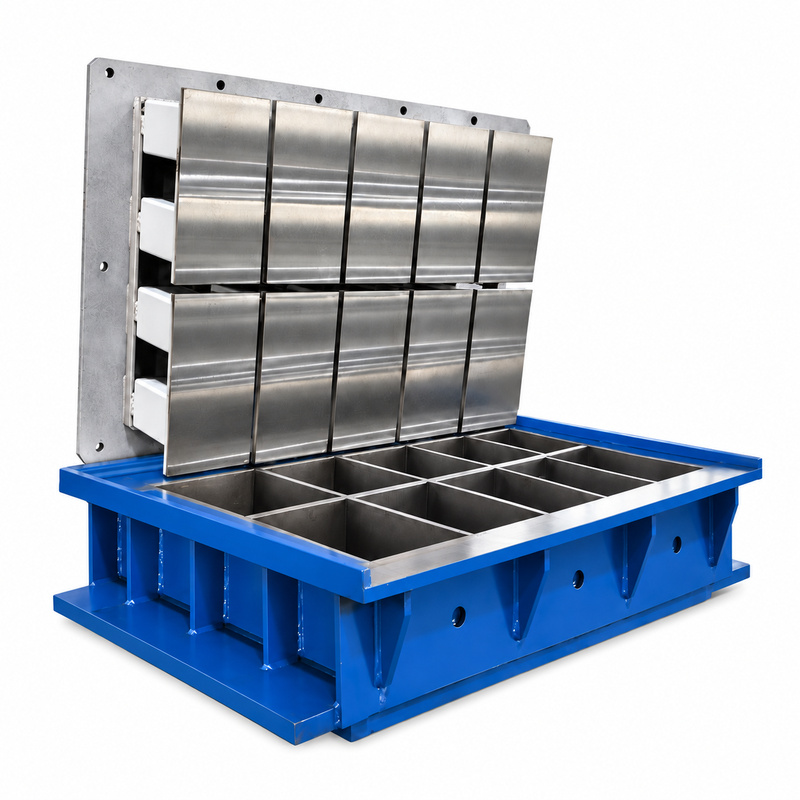
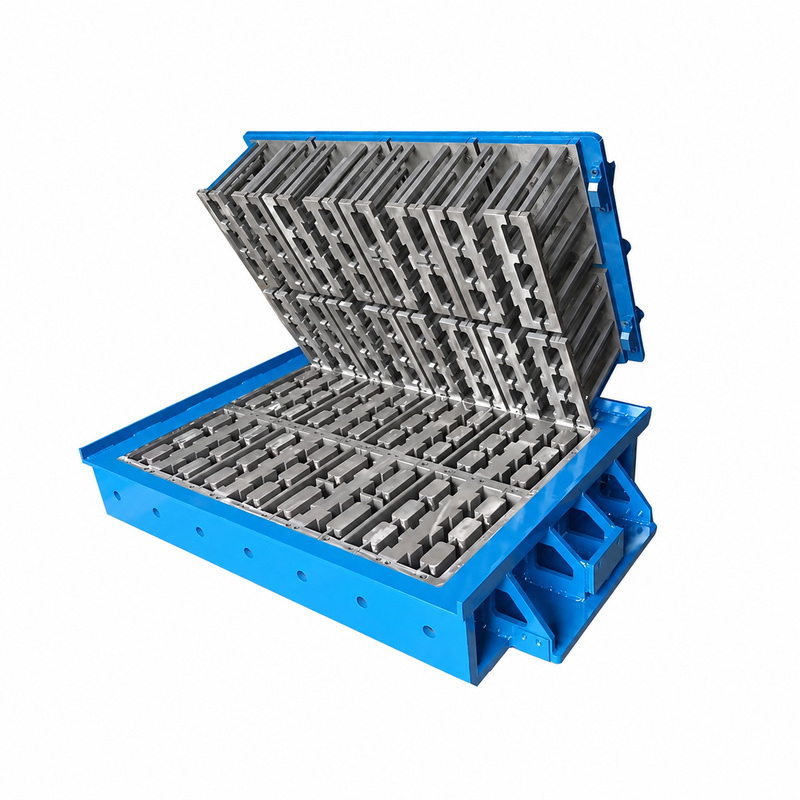
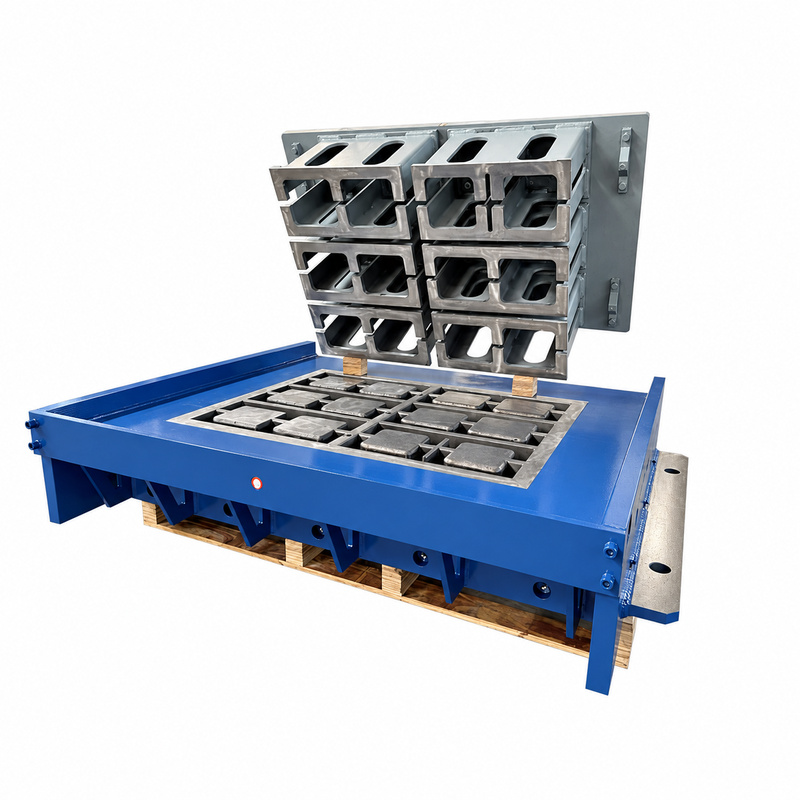
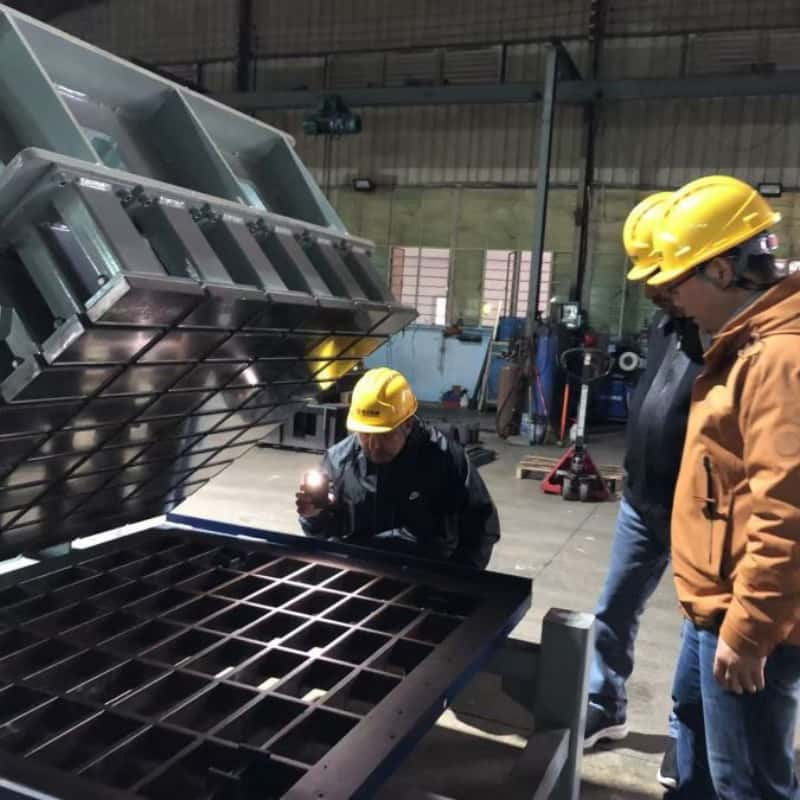
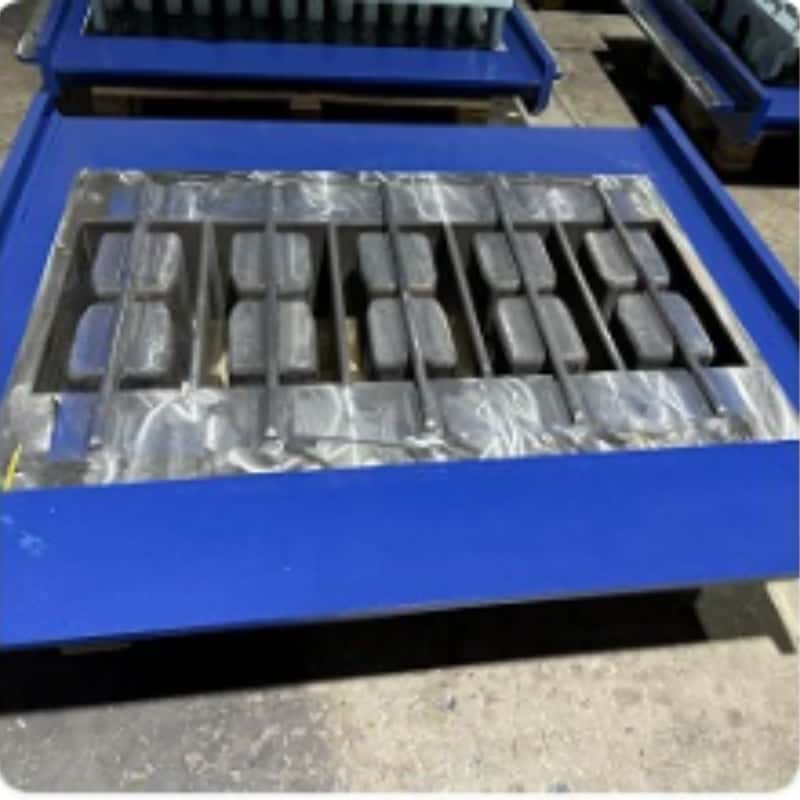
Solid block molds are developed around your required length, width, height, and shape. This provides tooling for market-specific block formats on compatible production equipment.
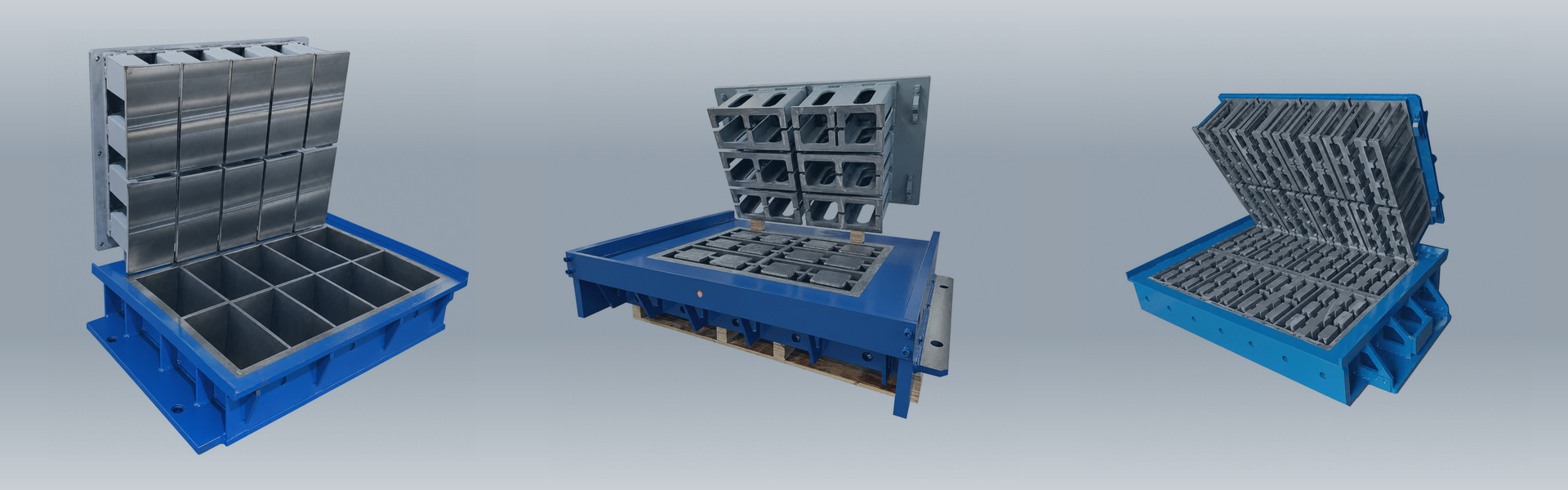
| Mould Model | SB-400 / SB-390 / Custom Solid Block Mould |
| Block Size | Typical: 400 × 200 × 200 mm; 400 × 200 × 150 mm; 400 × 200 × 100 mm (Custom sizes available) |
| Block Height | 50–200 mm (design-dependent reference) |
| Material / HRC | Wear-resistant alloy steel; heat-treated, HRC58–62 (reference) |
| Cavities/Cycle | 4 / 6 / 8 / 10 / 12 / 15 / 18; custom configuration (reference) |
| Machine Brand | HAWEN / HESS / MASA / ZENITH / QUADRA / other brands (subject to fit review) |
| Machine Model | QT4-15 / QT6-15 / QT8-15 / QT10-15 / QT12-15 / QT15 / QT18 / custom models (reference; fit review) |
| Pallet Size | Custom to the receiving block-making machine |
| Life (cycles) | Approx. 80,000–120,000 cycles (reference; operating conditions apply) |
| Mounting | Reviewed against machine mounting drawings |
| Certification | CE, ISO |
Coordinate the solid block drawing, forming area and mounting measurements in one review.
A solid block mold layout must accommodate the specified masonry unit and the operating limits of the receiving machine. The number and arrangement of cavities are therefore reviewed with the pallet and available forming area. This page concentrates on the practical information needed for layout and installation review.
Provide the product length, width and height, including any face profile or special edge. State the requested pieces per cycle and production pallet dimensions. The arrangement needs space for the mold structure as well as consistent material distribution. Output per cycle is a project specification, rather than a fixed value shared by every solid block mold.
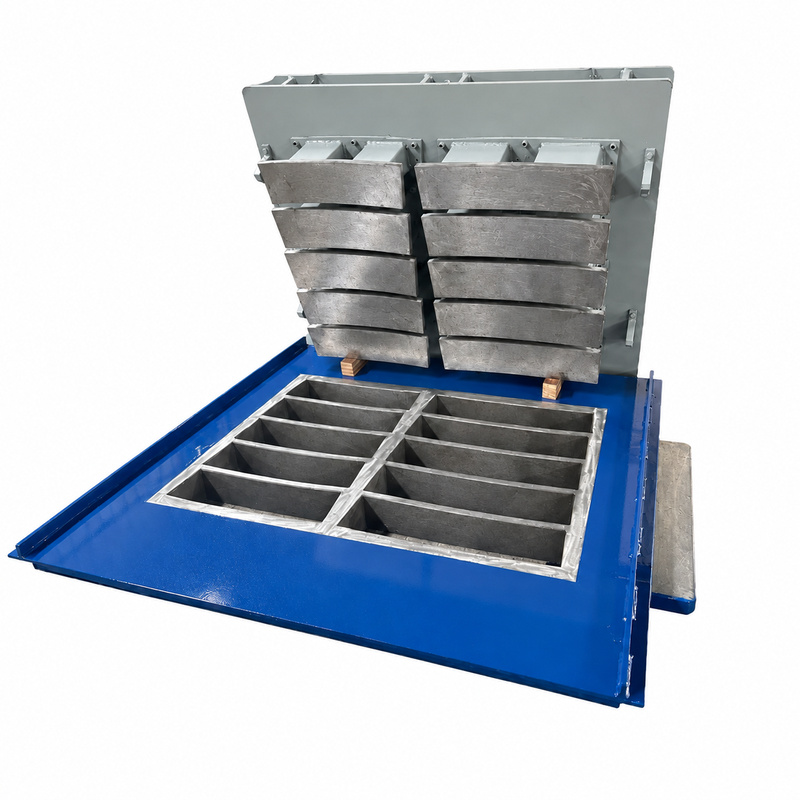
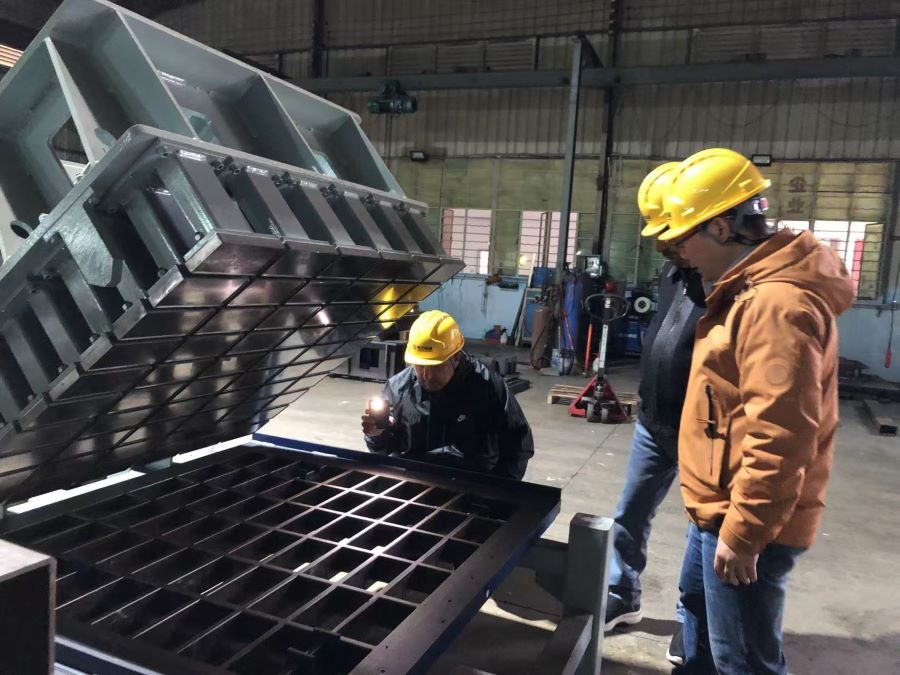
Give the full machine designation and existing mold mounting measurements. Mold-box dimensions, installation points and tamper alignment must be considered with the product geometry. For replacement work, photographs can help explain the current tooling, while measured drawings identify which connections and working dimensions the new assembly must retain.
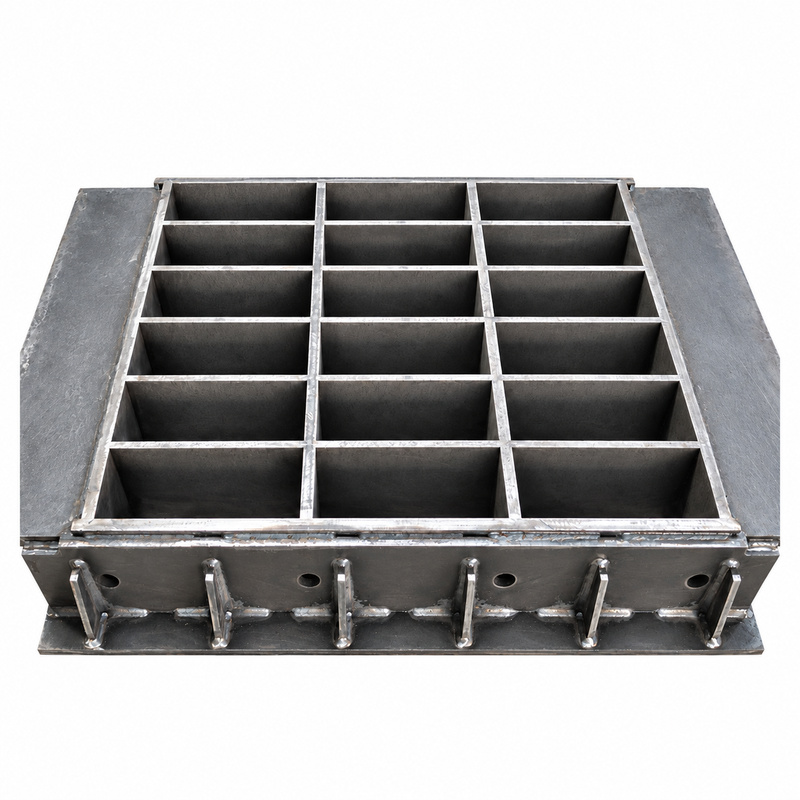
Define dimensional acceptance criteria and the sample approval process. Compare trial units from several cavities for dimensions, squareness and edge condition. Review cavity surfaces and release conditions against the required finish. Final layout, machine compatibility, material selection and delivery scope are confirmed through the quotation and approved drawings for the specific order.
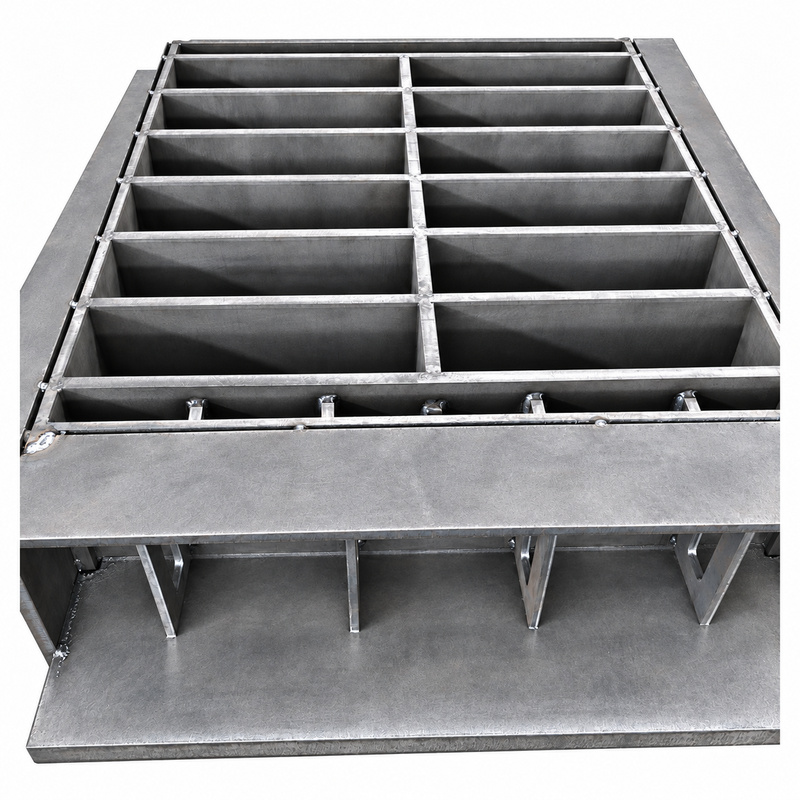
Send your product drawing, machine details, production pallet dimensions and required layout for a configuration review.
Explore Concrete Block Molds, or contact HAWEN for a mold quotation. The quotation and approved technical documents confirm the final tooling and supply requirements.
| Parameter | Specification |
|---|---|
| Mould Model | SB-400 / SB-390 / Custom Solid Block Mould |
| Finished Block Size | Typical: 400 × 200 × 200 mm; 400 × 200 × 150 mm; 400 × 200 × 100 mm (Custom sizes available) |
| Block Height Range | 50–200 mm (design-dependent reference) |
| Mould Material / Hardness | Wear-resistant alloy steel; heat-treated, HRC58–62 (reference) |
| Cavities per Cycle / Layout | 4 / 6 / 8 / 10 / 12 / 15 / 18; custom configuration (reference) |
| Compatible Machine Brand | HAWEN / HESS / MASA / ZENITH / QUADRA / other brands (subject to fit review) |
| Compatible Machine Model | QT4-15 / QT6-15 / QT8-15 / QT10-15 / QT12-15 / QT15 / QT18 / custom models (reference; fit review) |
| Pallet Size | Custom to the receiving block-making machine |
| Mould Service Life Reference (cycles) | Approx. 80,000–120,000 cycles (reference; operating conditions apply) |
| Frame Interface Type | Reviewed against machine mounting drawings |
Reference specifications are subject to approved product and installation drawings. Match the brand and exact machine model as one reviewed configuration; QT references do not establish compatibility with every listed brand. Confirm the components receiving the stated alloy-steel treatment and the hardness measurement locations. The 80,000–120,000-cycle figure is an approximate mould service-life reference affected by machine condition, raw materials and block design; it is not a forming-time figure or a guaranteed life.
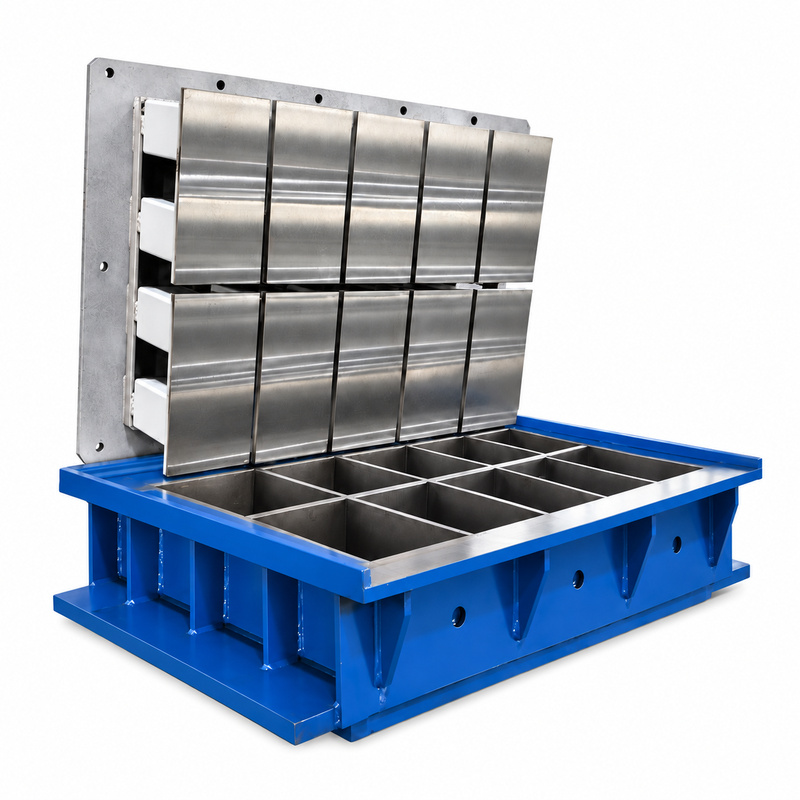
Solid block molds are developed around your required length, width, height, and shape. This provides tooling for market-specific block formats on compatible production equipment.
The number and arrangement of cavities are determined from the block dimensions and usable machine area. Each layout is evaluated against the actual production configuration.
Accurate machining defines the cavity surfaces and matching tamper components. Controlled component dimensions support consistent block shape during properly adjusted production.
Plan an existing mould replacement by separating the required product dimensions from worn tooling measurements, then define the documents and changeover details to review with HAWEN.
Read moreMake a wear-part enquiry more useful with mould references, labelled photographs and production observations. Discuss the repair scope and fitting requirements before ordering components.
Read more
 Tel: +8618359454595
 Email: sale@hwmachines.com
 MP/WhatsApp: +8618359454595
 Manufacturer Address:Nanan, Quanzhou City, Fujian Province, China



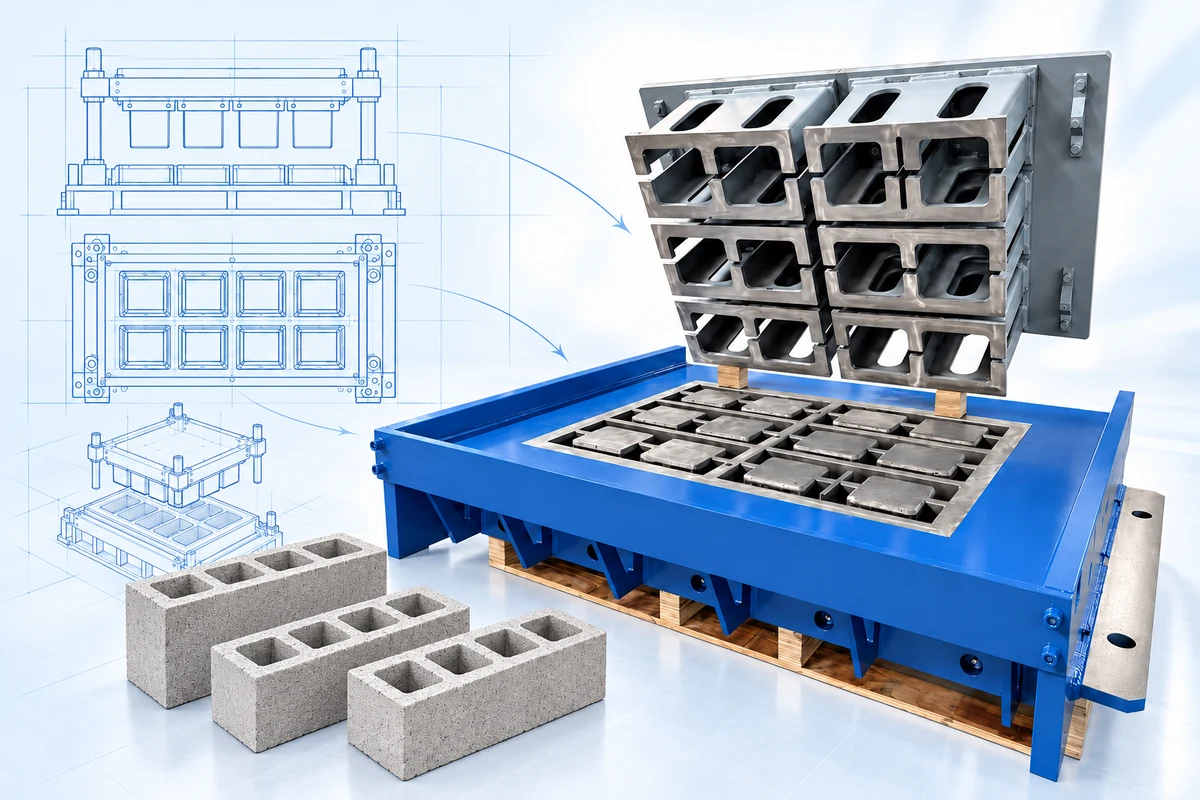

HAWEN technical summary 2026-10-20
Plan HAWEN solid block mold layouts from product drawings, machine forming area and pallet data. Review mounting fit, tamper alignment and trial acceptance requirements.