Concrete Block Molds
Hollow Block Mold
Solid Block Mold
Solid Brick Mold
Interlocking Block Mold
Thermal Block Mold
Author:HAWEN Block Mould Manufacturer TIME:2026-10-11
Decorative concrete pavers use a distinctive face, outline or combination of sizes to create a finished landscape appearance. The mold design needs to translate that visual concept into geometry that can be produced repeatedly. A good inquiry includes both the desired appearance and the functional unit dimensions. Samples, texture references and a laying diagram help connect the design brief to the practical needs of the block plant.
State which decorative features must be formed by the tooling. These may include a hexagonal outline, a stone-like relief, a patterned face or a coordinated set of shapes. Specify dimensions for the underlying unit even when its surface is irregular. Color and blends depend on materials and production controls, so agree physical reference samples rather than expecting a mold to create the entire visual effect.
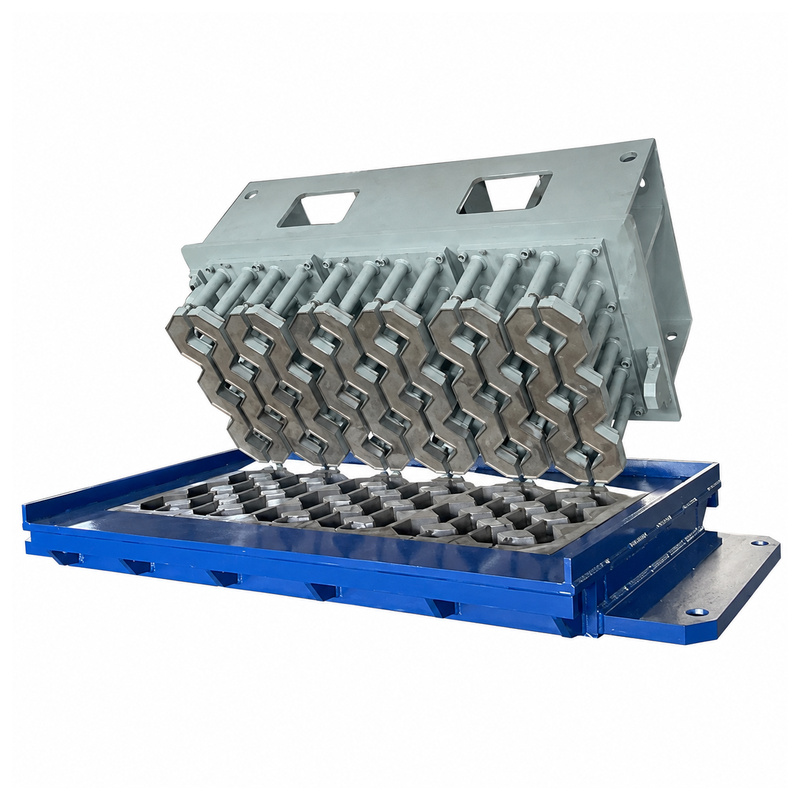
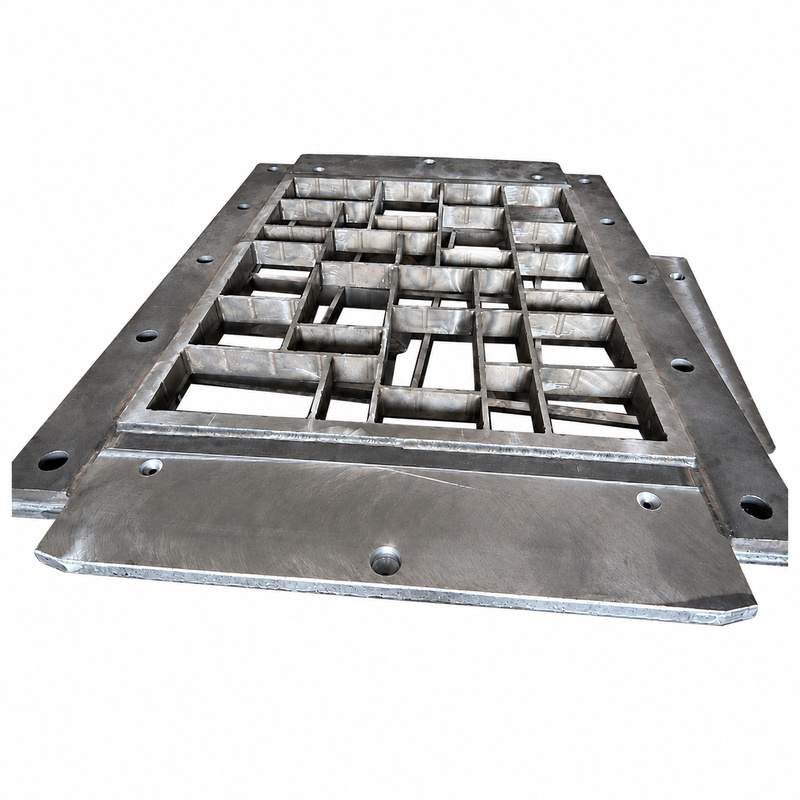
Discuss how the proposed relief or contour will fill and release on the selected machine. The working surfaces, tamper arrangement and cavity layout should be reviewed together. If the design uses several face patterns, confirm how they will be distributed within the mold and in the finished pack. This can help avoid an obvious repeated appearance while keeping the production and packing sequence understandable.
Evaluate trial units individually and as a small laid panel. Check the intended texture, edge quality, pattern alignment and the transition between different shapes. View physical samples under suitable lighting and retain the accepted references. Surface appearance should be assessed alongside the dimensional and performance requirements for the intended paving use. Any design change after approval should be recorded so later molds can match the same product range.
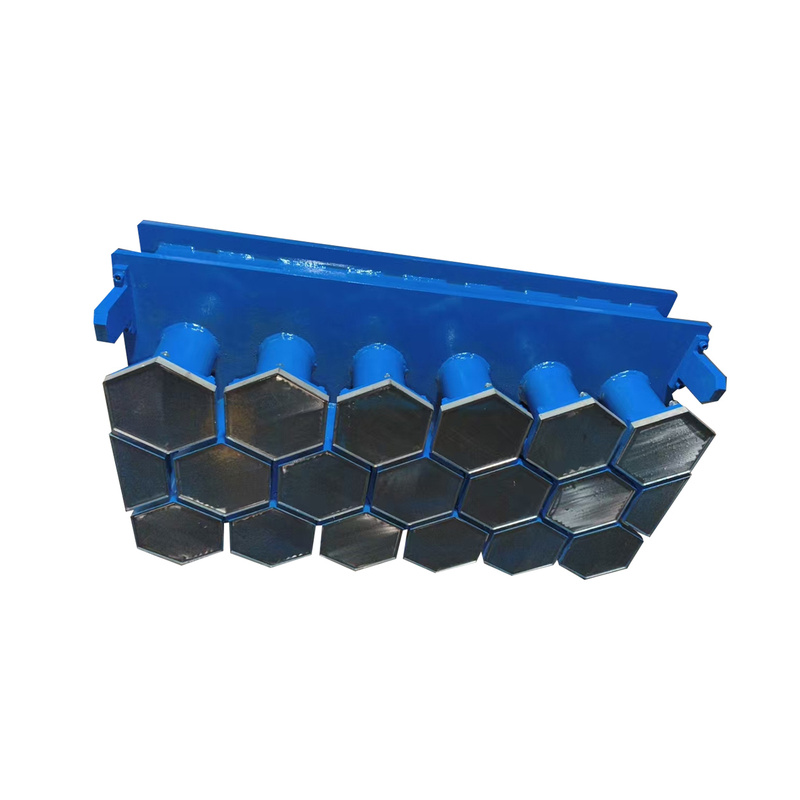
Bring the following information into the first technical discussion. A clear product brief helps the supplier review the proposed configuration and identify the details that need confirmation.
It is useful as a visual reference, but dimensions, relief details and an agreed sample are also needed to define the tooling accurately.
Contact HAWEN with your product drawings, machine information and production objectives. The next step is a review of the proposed configuration, followed by a quotation based on the confirmed technical requirements.
Related product: Decorative Paver Molds for Shaped and Textured Concrete.
 Tel: +8618359454595
 Email: sale@hwmachines.com
 MP/WhatsApp: +8618359454595
 Manufacturer Address:Nanan, Quanzhou City, Fujian Province, China