Concrete Block Molds
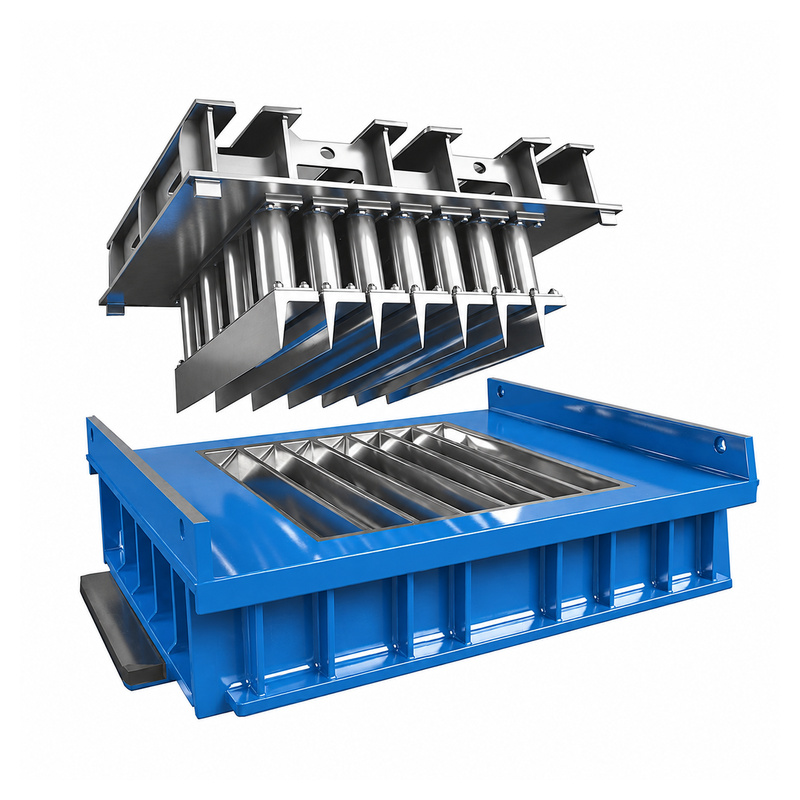
Hollow Block Mold
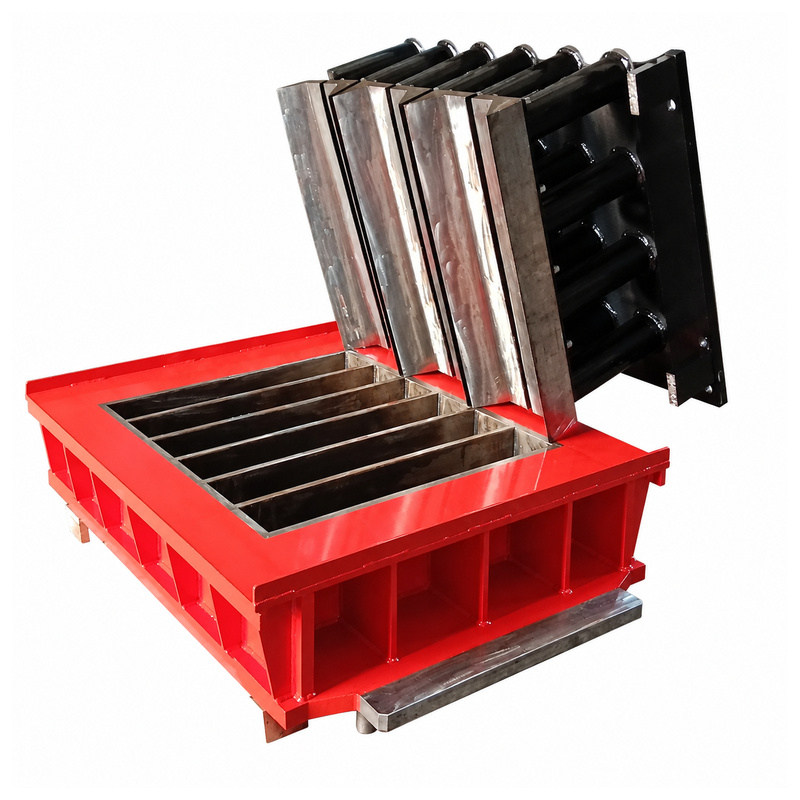
Solid Block Mold
Solid Brick Mold
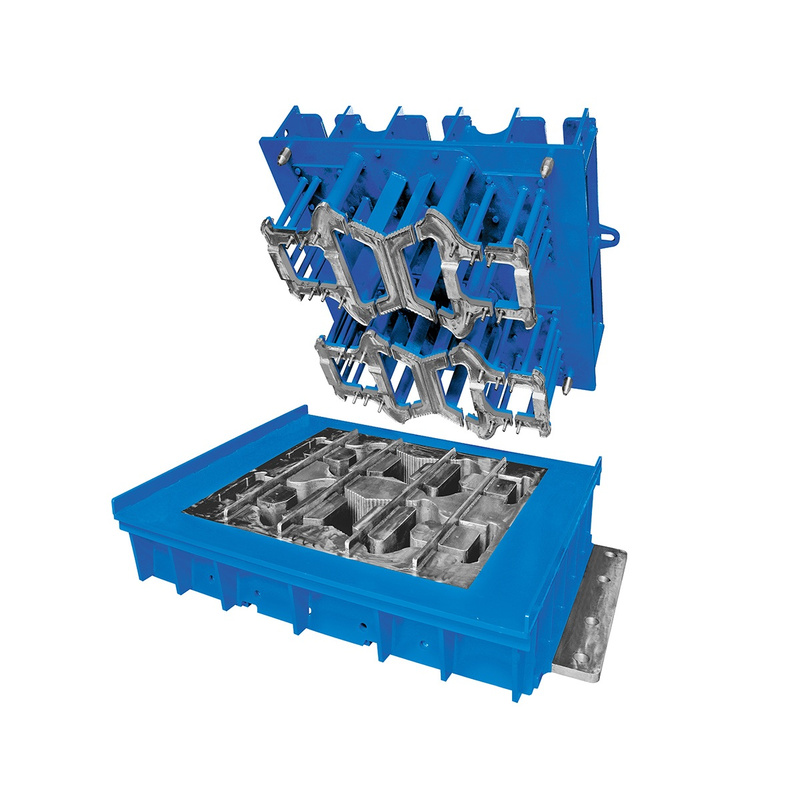
Interlocking Block Mold
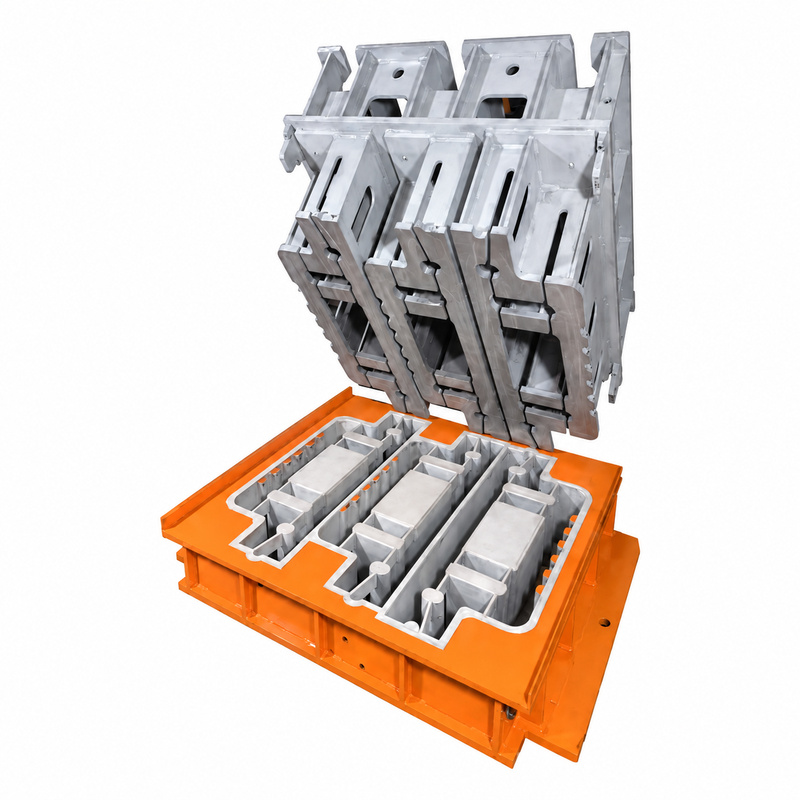
Thermal Block Mold
Author:HAWEN Block Mould Manufacturer TIME:2026-10-11
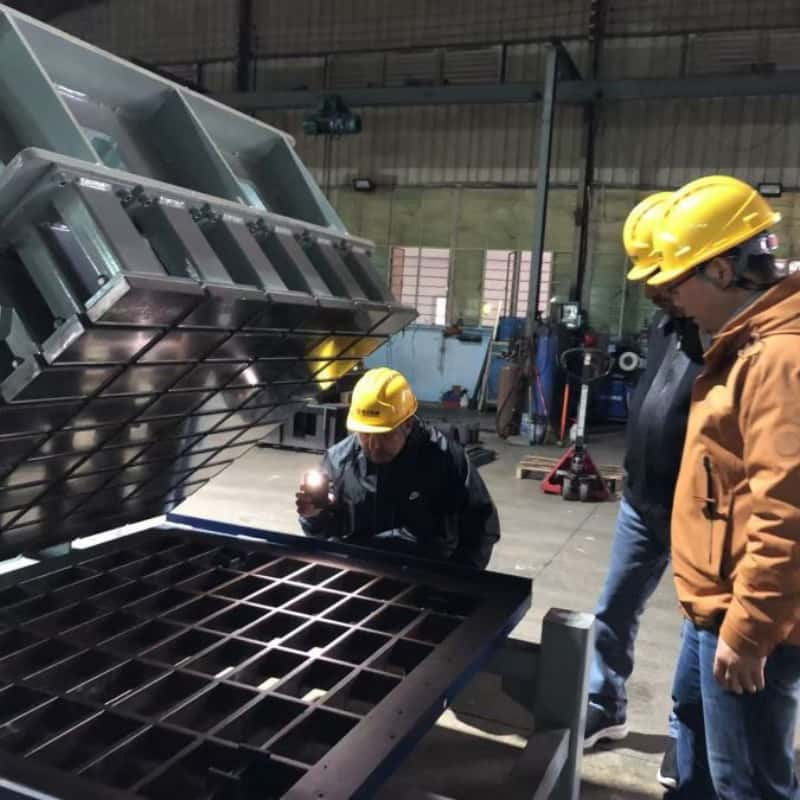
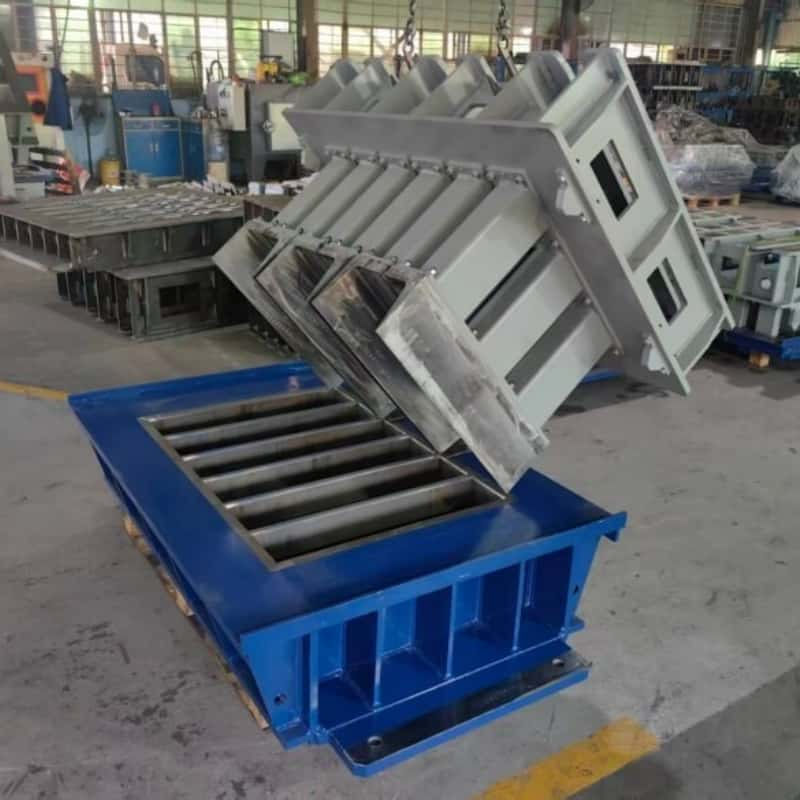
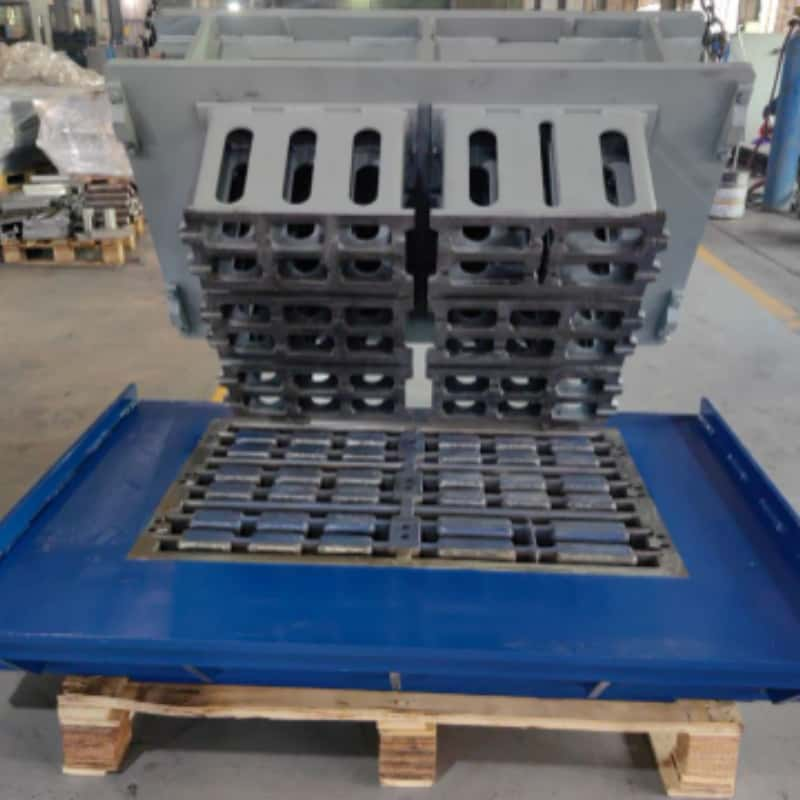
A hollow block mold controls the outside shape and internal voids of a concrete masonry unit. Choosing it starts with a clear block drawing and an understanding of the machine that will run it. Core arrangement, face shells and webs deserve the same attention as the overall block dimensions. A well-defined inquiry gives the manufacturer a practical basis for reviewing the tooling and planning the first production trial.
Specify the actual block length, width and height, then dimension each core and its position. Show the end profile, mortar grooves and any special recesses. The concrete remaining between the cores forms the webs, while the outside faces form the shells. A photograph can communicate appearance, but it cannot establish these dimensions. Review the complete section before deciding the cavity layout, especially when adapting a familiar block size to a different machine.
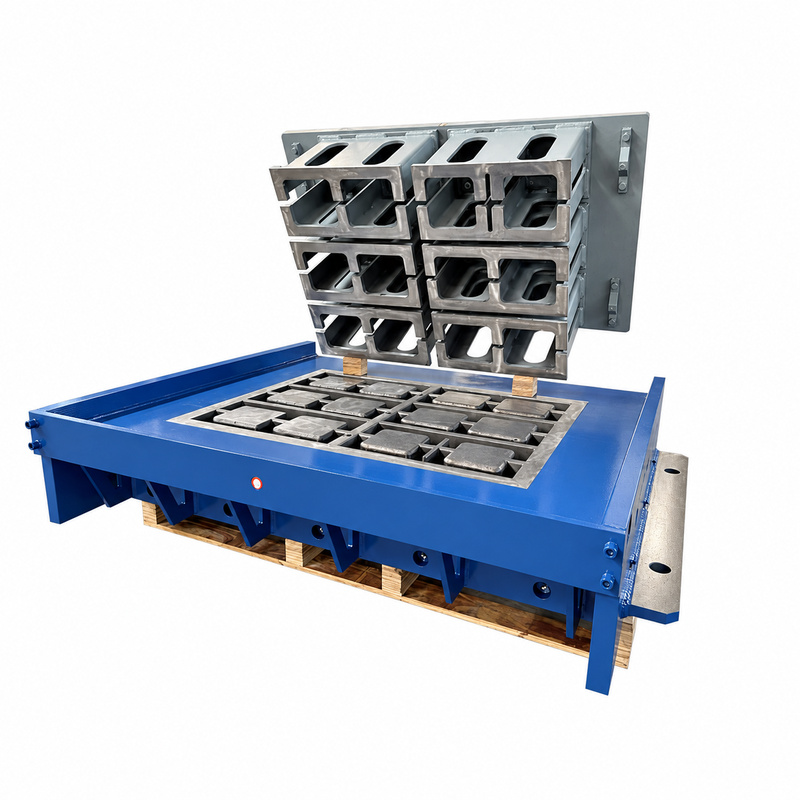
The mold box, core system and tamper head work together. Their clearances and alignment must suit the approved block drawing and the machine movement. Provide the machine model, production pallet dimensions and mounting details. If the installation has been modified, include measurements of the current equipment. The number of cavities is a production planning input; it should be confirmed with the proposed layout rather than inferred from a photograph of another mold.
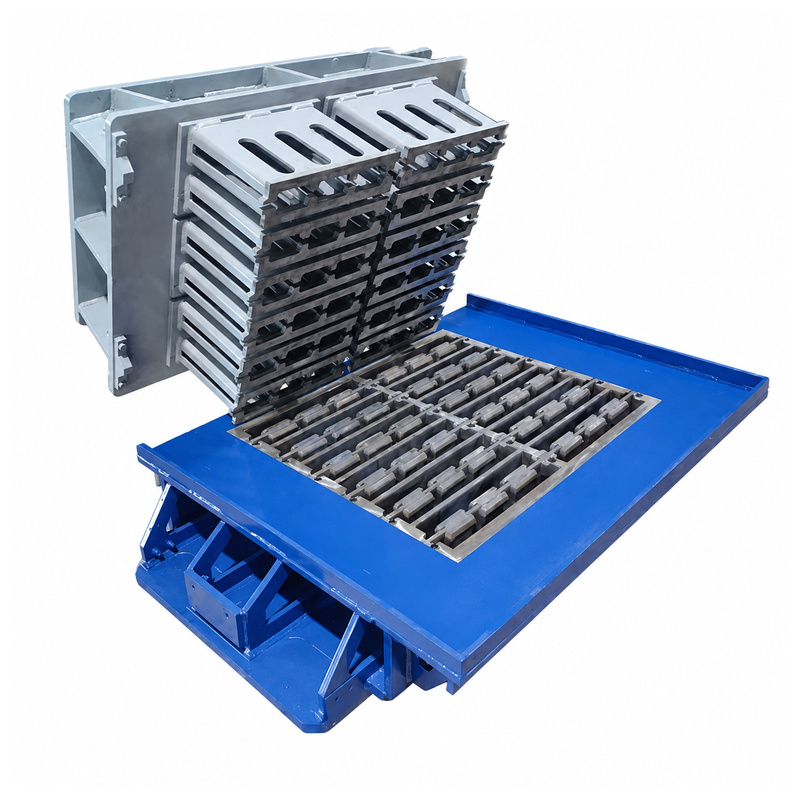
During the agreed trial, inspect the outside dimensions, core positions, web continuity and edges of the blocks. Compare units from different cavities to identify uneven filling or inconsistent compaction. Keep the mix condition and machine settings with the inspection record so adjustments can be traced. Tooling defines the geometry, while strength and other finished-unit properties also depend on raw materials, compaction and curing. Evaluate those properties through the applicable product testing process.
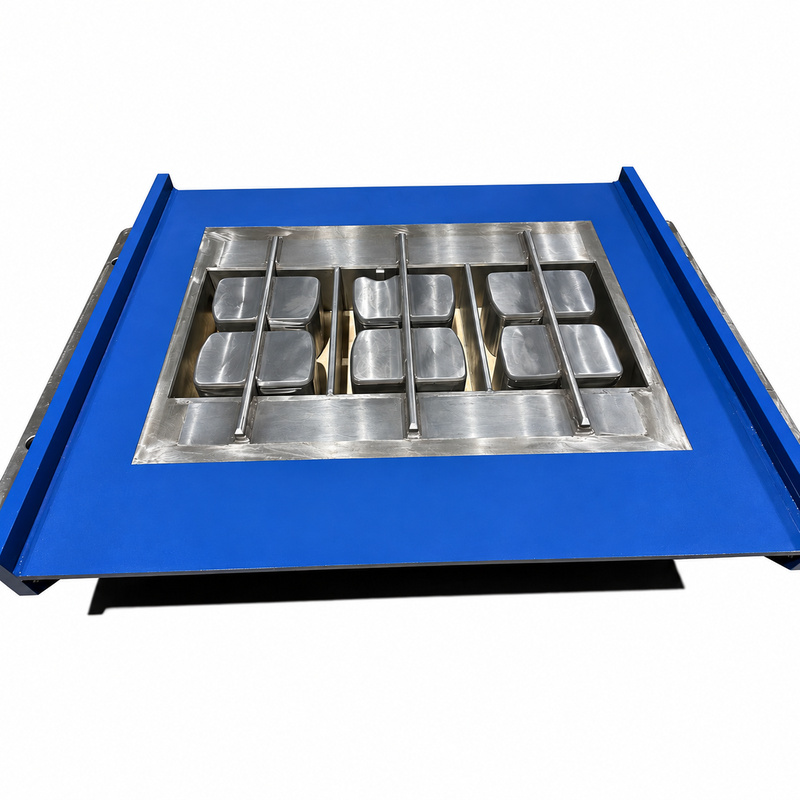
Bring the following information into the first technical discussion. A clear product brief helps the supplier review the proposed configuration and identify the details that need confirmation.
A width change normally changes the tooling configuration. Confirm any interchangeable components and the exact supported sizes before ordering.
Contact HAWEN with your product drawings, machine information and production objectives. The next step is a review of the proposed configuration, followed by a quotation based on the confirmed technical requirements.
Related product: Hollow Block Molds for Concrete Masonry Production.

 Tel: +8618359454595
 Email: sale@hwmachines.com
 MP/WhatsApp: +8618359454595
 Manufacturer Address:Nanan, Quanzhou City, Fujian Province, China