Concrete Block Molds
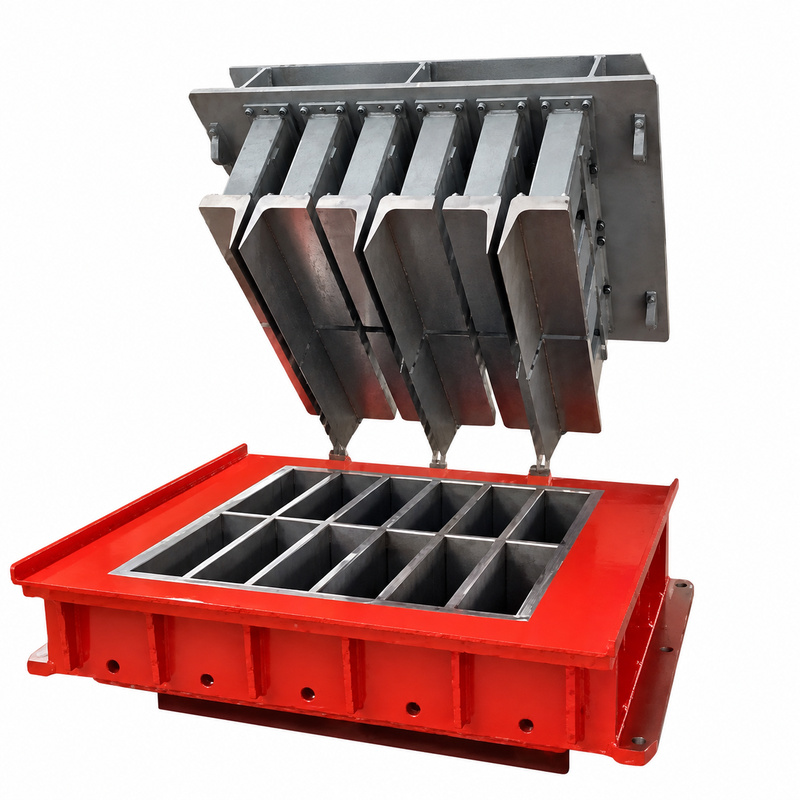
Hollow Block Mold
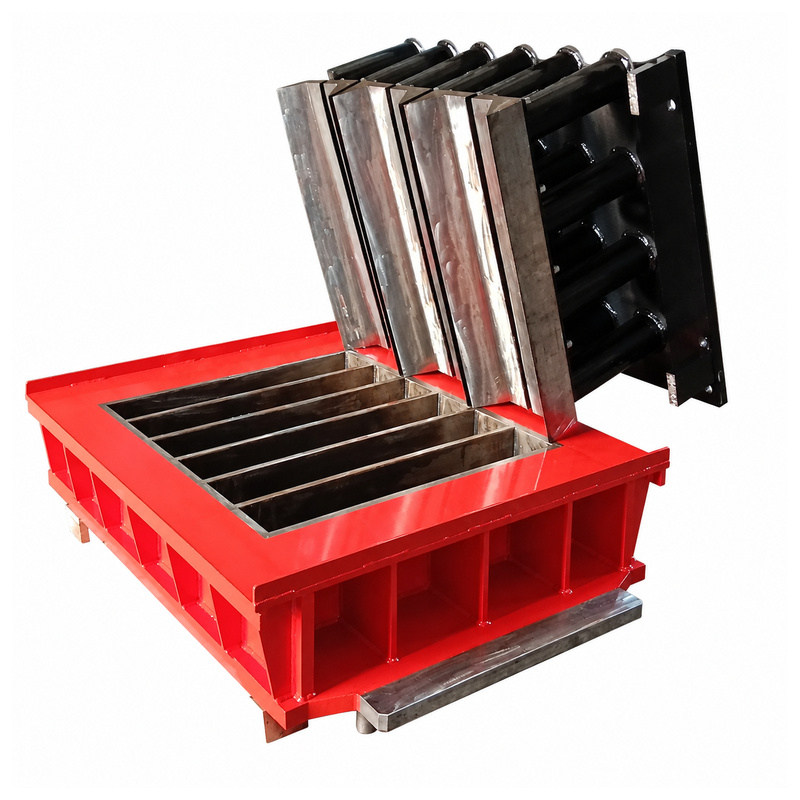
Solid Block Mold
Solid Brick Mold
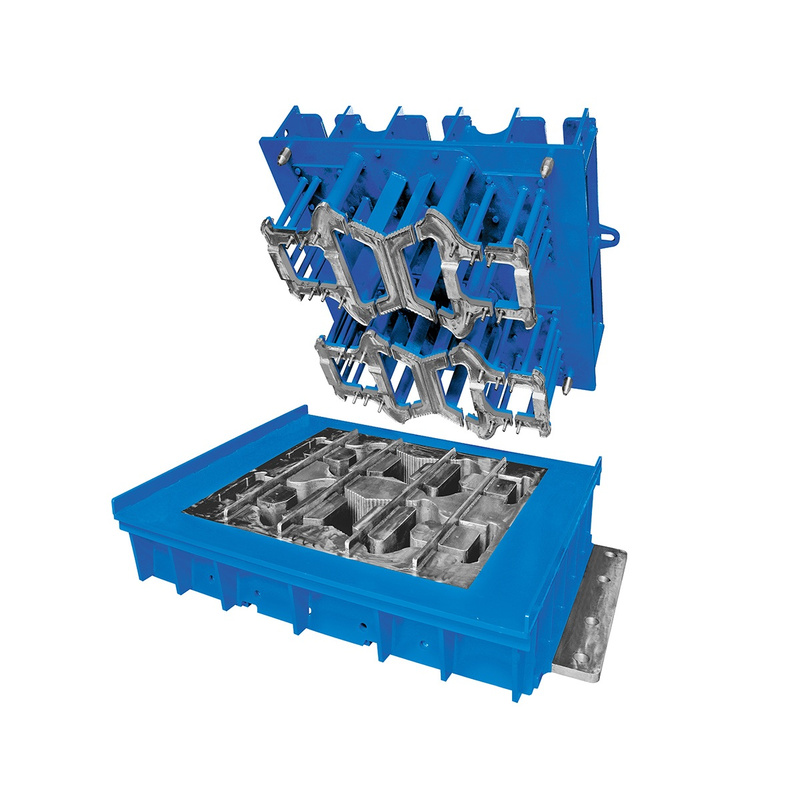
Interlocking Block Mold
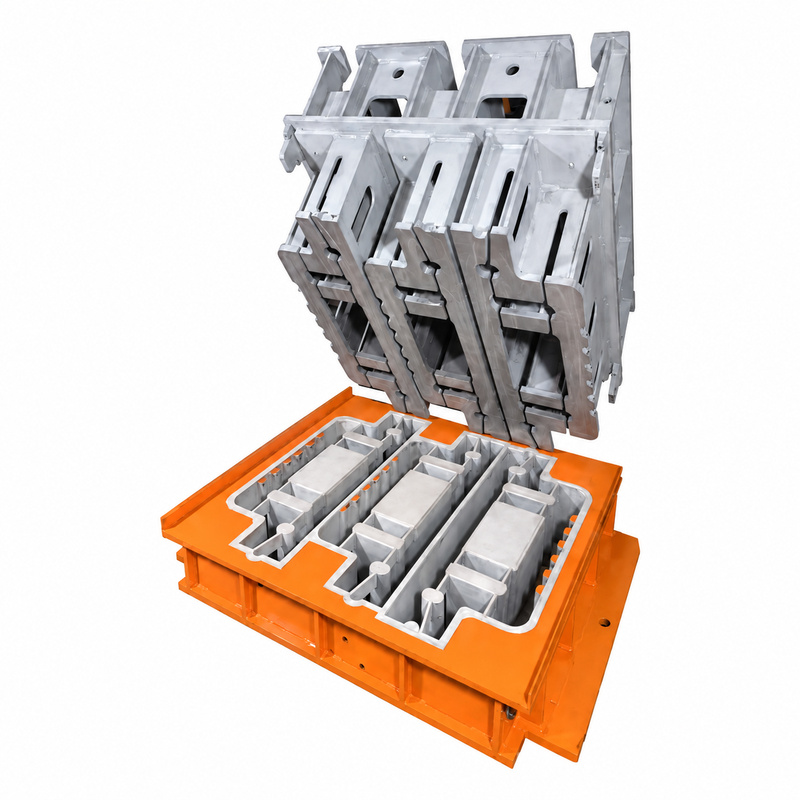
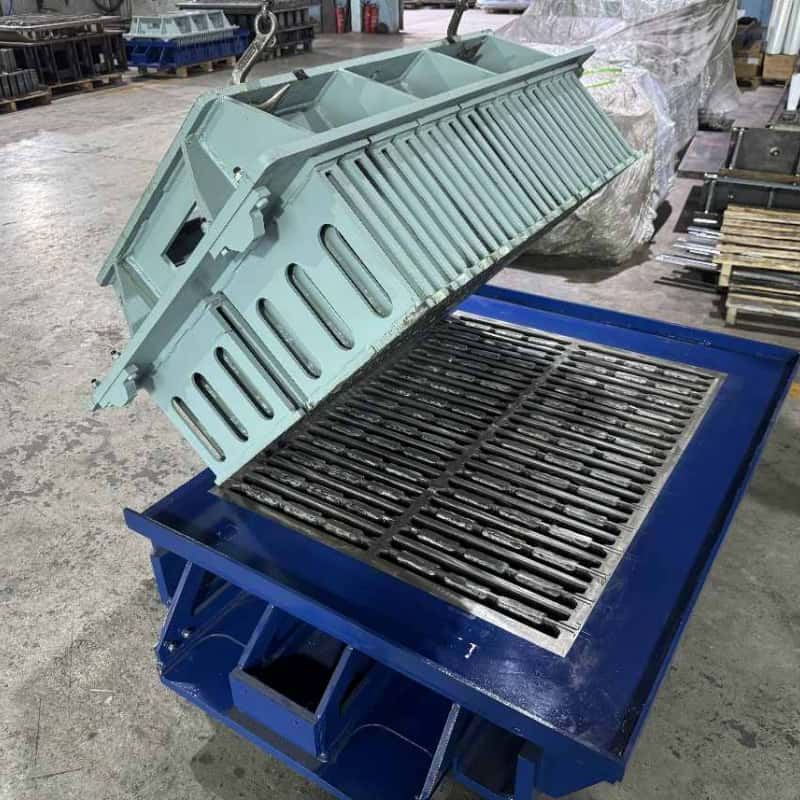
Thermal Block Mold

Author:HAWEN Block Mould Manufacturer TIME:2026-11-17
An R-value of ten and a U-value of about 0.568 can describe the same hypothetical overall thermal result when their unit systems differ. Comparing the printed magnitudes would make equivalent numbers look unrelated. Identify the physical quantity, normalise its units and use the reciprocal only when both results share the same complete object and boundaries.
This is a reading method for already comparable evidence. It does not calculate a thermal-block rating from its shape, choose a required performance level or make an insulation-layer result equivalent to a wall result.
In the building-envelope usage considered here, an area-normalised R-value relates a temperature difference to heat flux, which is heat flow per unit area. Its SI unit is m²·K/W. U-value expresses thermal transmittance, commonly in W/(m²·K). A larger R and a smaller U indicate lower heat transmission on an otherwise matched basis; they move in opposite numerical directions.
An absolute thermal resistance expressed in K/W is a different quantity from the area-normalised value in m²·K/W. Keep the square-metre term visible. Removing it changes what the number describes, not merely how tidily its label is written.
The NIST conversion table places the building-style area-normalised quantity under “Thermal Insulance.” That terminology helps distinguish it from the nearby absolute thermal-resistance table. Select the conversion row by its complete units rather than by the word “resistance” alone.
Assume a fictional overall air-to-air result is supplied as R = 10 °F·h·ft²/Btu_IT. Its object, area convention and boundaries have already been matched to the comparison. The subscript letters written here as “_IT” identify the International Table British thermal unit.
Multiply by 0.1761102 to convert this area-normalised Imperial R unit to m²·K/W. Thus 10 × 0.1761102 = 1.761102 m²·K/W.
For that matched total resistance, U = 1/R. The reciprocal is approximately 0.567826 W/(m²·K), which rounds to 0.568 W/(m²·K).
R = 10 in the stated Imperial unit and U ≈ 0.568 in the stated SI unit are equivalent in this fictional exercise. Neither is a better result merely because its printed number is larger or smaller.
The factor already accounts for the component units in the R expression. Do not apply a separate temperature offset as though converting an actual Fahrenheit temperature reading. Nor should the same numerical factor be pasted onto a U-value: U has reciprocal units.
NIST also distinguishes the International Table and thermochemical Btu definitions. If a source leaves its unit convention unclear, clarify it before claiming an exact conversion. Preserve enough unrounded information to reproduce the arithmetic, while labelling a rounded final comparison honestly.
Rounding can explain a small apparent disagreement on the return calculation. Taking the reciprocal of the rounded U = 0.568 gives approximately 1.76056, rather than exactly 1.761102. The difference arises because the rounded number discarded digits. Compare the original reported precision and the stated rounding before calling that difference a change in the physical result.
The missing unit can create a much larger ambiguity. If the printed R = 10 had instead meant 10 m²·K/W for the same total boundary, its corresponding U would be 0.1 W/(m²·K). That is a different fictional result from the Imperial R example. A bare “R10” entry cannot tell the reader which interpretation was intended.
Now change the example's meaning. Suppose 1.761102 m²·K/W describes only a material layer, while a second document quotes the air-to-air U-value of a complete wall. Taking the layer's reciprocal does not create that wall's overall transmittance.
The missing issue is physical scope, not a unit conversion. The assembly includes its other features and the applicable surface boundaries. A conversion cannot add the thermal effects that the material-layer result never represented.
ASHRAE's discussion relates overall transmittance to total resistance for the same flat-assembly boundary and identifies surface-film contributions. Its distinction is important here: a surface-to-surface result and an overall air-to-air result need not use the same total boundary.
This article does not assign film resistances or sum material layers to rate a complex block. Nonuniform paths and the actual assembly require their appropriate assessment. The reading rule is narrower: use U = 1/R only when R is the corresponding total resistance for the very same transmittance boundary.
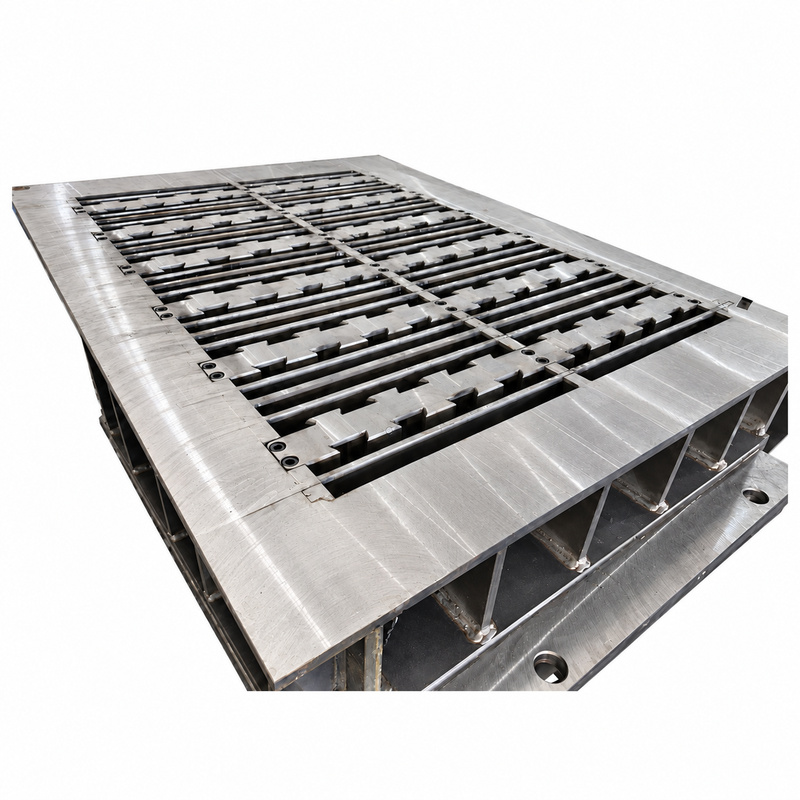
There are three useful outcomes. Two figures may become equivalent after the correct conversion and matched reciprocal. They may remain numerically different while sharing a valid comparison basis. Or they may be incomparable because their objects or boundaries differ, however carefully their units are converted.
For the last outcome, leave the requested comparison open. Do not select a convenient layer value or add an assumed correction merely to complete a purchasing table. Identify which assessment reference is needed to put the candidates on the same basis.
HAWEN's thermal-block information separates defined tooling geometry from the specified unit or wall assessment. Once those physical references are established, this arithmetic can help read the resulting data correctly. Every number in the worked example remains fictional; no HAWEN R-value, U-value or acceptance target has been provided.
Conversion and definitions: NIST SI conversion table, Thermal Insulance; ASHRAE heat-transfer terminology and total-resistance discussion. No material design values are adopted.

 Tel: +8618359454595
 Email: sale@hwmachines.com
 MP/WhatsApp: +8618359454595
 Manufacturer Address:Nanan, Quanzhou City, Fujian Province, China