Concrete Block Molds
Hollow Block Mold
Solid Block Mold
Solid Brick Mold
Interlocking Block Mold
Thermal Block Mold
Author:HAWEN Block Mould Manufacturer TIME:2026-11-16
An insulation-material result can remain unchanged while the block section around that material changes. Concrete webs, cavities and connecting details determine where heat can travel through the composite geometry. Before using one constituent's test to choose between complete block sections, identify which part of that choice the result actually answers.
The material data may be valuable. It can describe an input to the product assessment. The mistake is allowing that one input to stand for a different object whose geometry, joints and conditions the material specimen never represented.
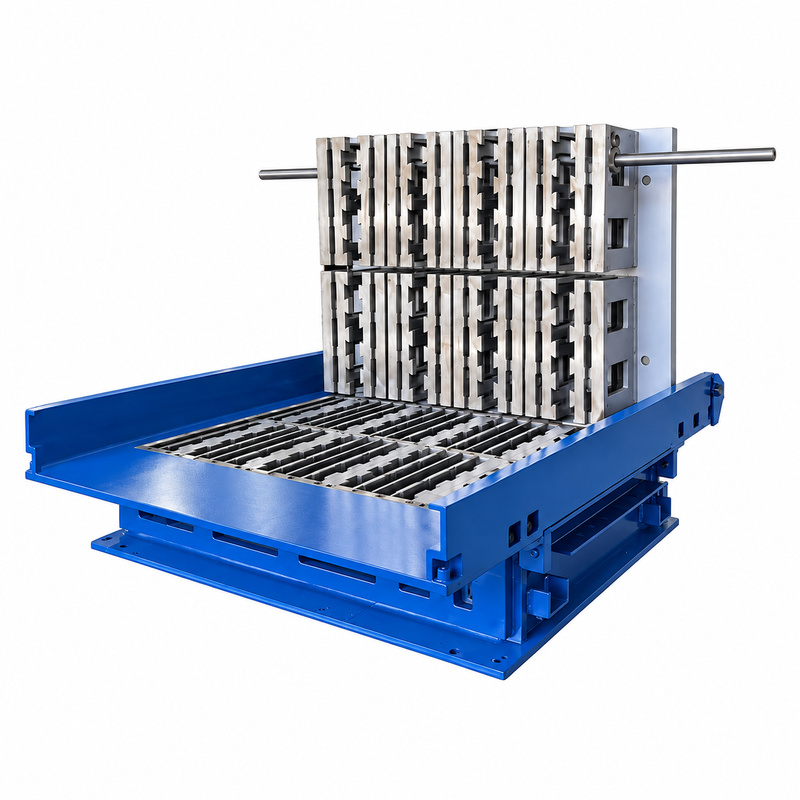
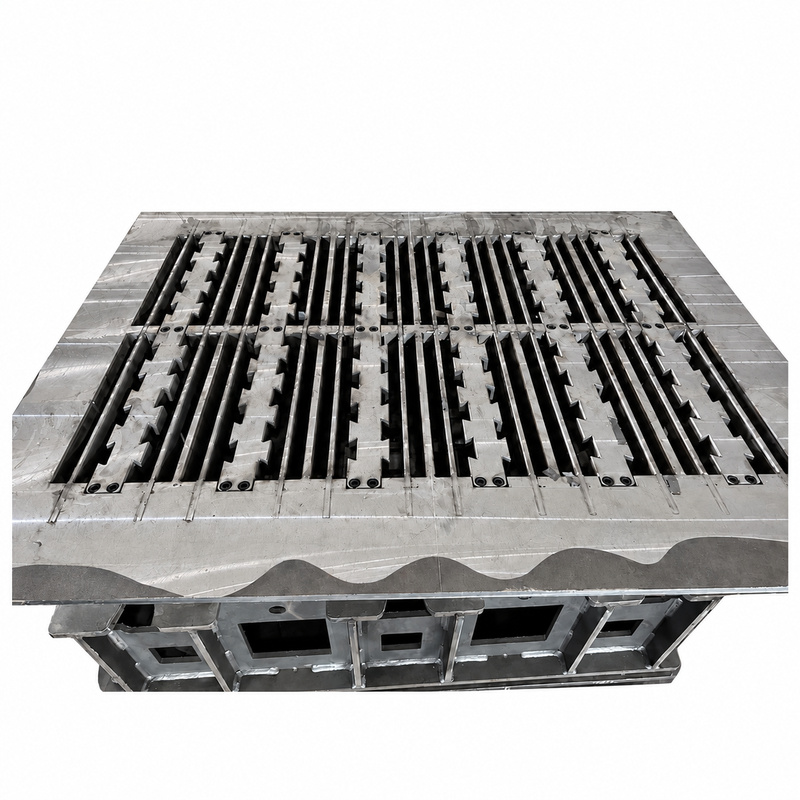
Consider two entirely fictional thermal-block concepts. Both use the same identified insulation material, with the same material-test evidence. Their concrete and cavity arrangements differ. These are abstract comparisons, not proposed HAWEN designs or a recommendation to interrupt any structural feature.
The insulation result alone cannot distinguish the two spatial arrangements because it has not changed between them. It does not contain the location, dimensions or continuity of the concrete routes. That is the missing physical information, rather than simply a missing attachment in an enquiry.
This thought experiment does not rank A and B. Heat can follow more than one route, and altering one web is not an isolated decision about thermal performance. The complete geometry and all relevant product requirements need assessment. Calling the second concept “better insulated” would go beyond the evidence supplied.
A constituent specimen, a complete masonry unit and a wall assembly are different objects. A material result can help characterise the constituent under its stated conditions. A whole-unit or assembly question includes the spatial arrangement of several materials and features.
The public ASTM C1363 scope and significance discussion describes representative building elements and composite assemblies tested under defined laboratory conditions. It contrasts that context with methods used for homogeneous specimens. This is an example of why the represented specimen matters; it is not an instruction that every thermal-block project must use one particular method.
Have the responsible assessment identify which evidence is appropriate for the actual question. Material methods should not be dismissed simply because the final product is composite. Their results may be useful inputs. Equally, their usefulness does not automatically expand the tested specimen into the full block or wall.
The same reasoning applies to evidence for a previous unit. If the new section changes the concrete paths or cavity arrangement, the applicability of that previous result needs review. Reusing the same insulation supplier does not settle the effect of changed composite geometry.
Even evidence concerning a complete section has a context. Its geometry, material composition, orientation and stated conditions belong with the result. A comparison that removes those references can make unlike assessments look directly interchangeable.
Air spaces illustrate the reason for care. Their role is not captured merely by counting empty shapes in a drawing. The applicable assessment must address the actual arrangement and conditions rather than assign every cavity one generic insulating value.
At wall level, joints, finishes and connections can introduce relationships absent from the isolated unit. HAWEN's thermal-block tooling scope expressly distinguishes the defined section from the separate performance assessment. Keep the object named when a proposed conclusion moves from a constituent to a unit or from a unit to an assembly.
A result can therefore remain valid for its own specimen while leaving the new comparison open. There is no need to call the original test defective to explain that limit. State the change in object or conditions and the particular conclusion still needing support.
Return to concepts A and B. The shared insulation evidence answers a question about the identified constituent. The section choice requires an assessment able to represent the different concrete and cavity routes, together with the other relevant properties and conditions.
The practical output is a bounded decision: the material input is identified, but the complete-section comparison is unresolved on that input alone. The responsible technical team can then determine an appropriate assessment instead of attaching a material number to both drawings and assuming it ranks them.
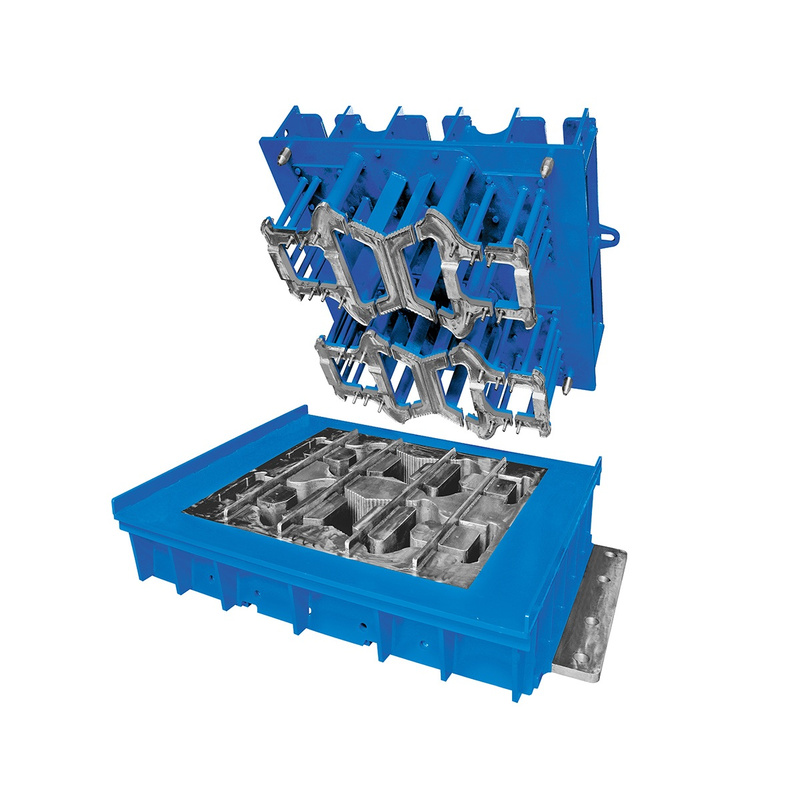
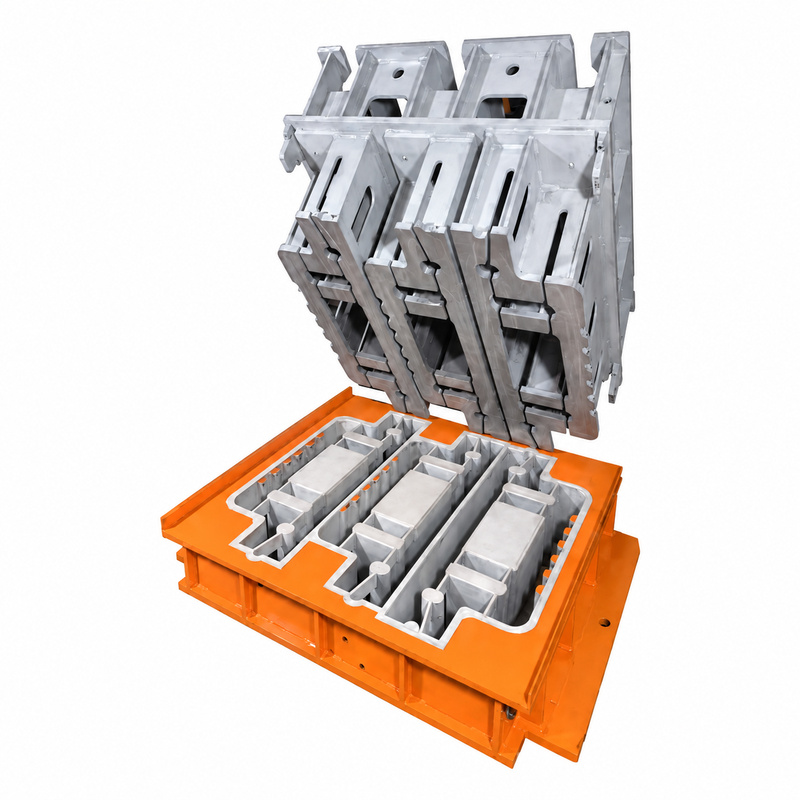
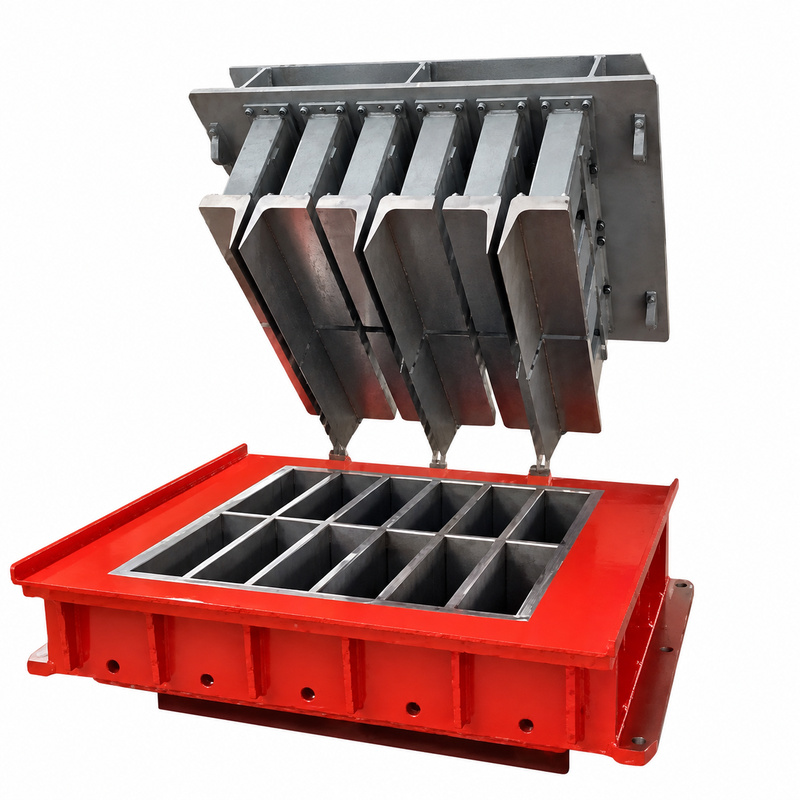
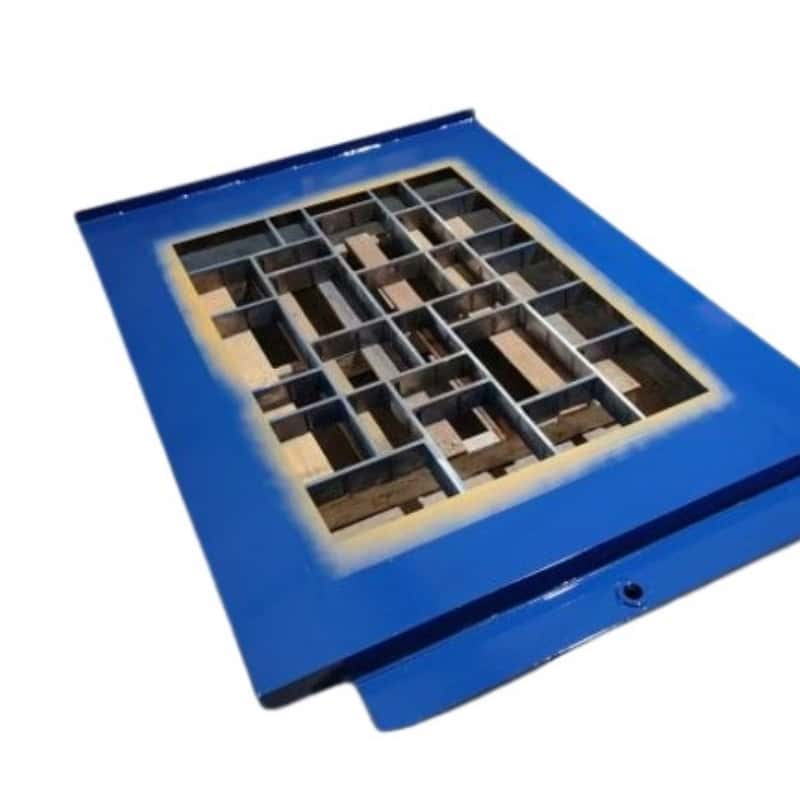
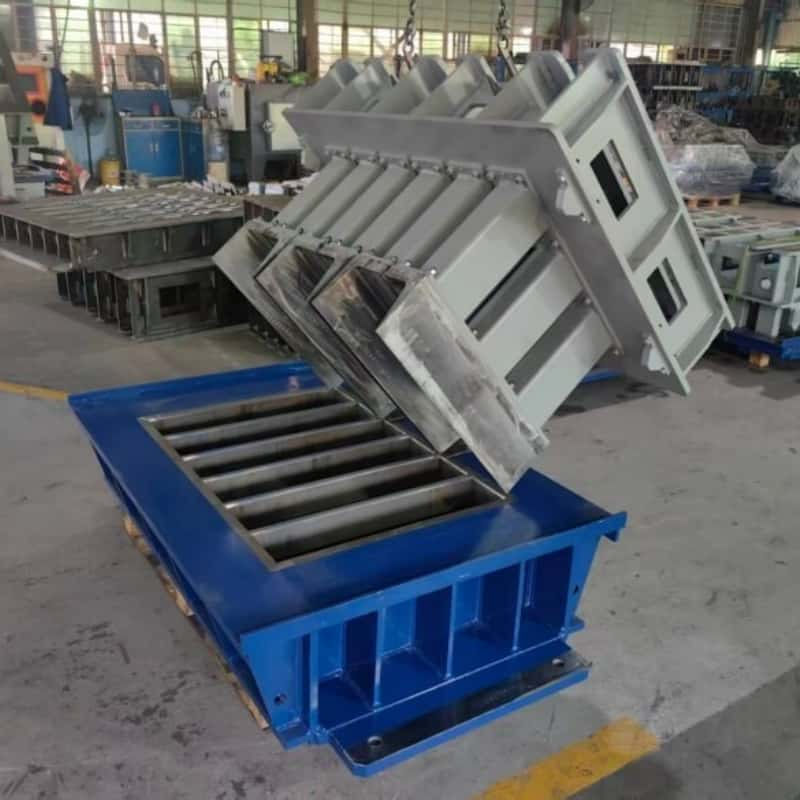
For tooling discussion, keep the complete section visible while that assessment proceeds. Geometry selected for performance reasons also needs forming, compaction and release review on the actual production configuration. A thermal preference cannot by itself approve the mold design, just as the manufactured mold cannot establish the finished wall's rating.
This gives the material report a useful, precise role. It supports the part of the assessment it actually represents while leaving the composite heat-path question to evidence that can address it.
Public method scope: ASTM C1363: building materials and envelope assemblies by hot-box apparatus. Only the public specimen/scope distinction is used; no full procedure, required method or acceptance value is prescribed.

 Tel: +8618359454595
 Email: sale@hwmachines.com
 MP/WhatsApp: +8618359454595
 Manufacturer Address:Nanan, Quanzhou City, Fujian Province, China