Concrete Block Molds
Hollow Block Mold
Solid Block Mold
Solid Brick Mold
Interlocking Block Mold
Thermal Block Mold
Author:HAWEN Block Mould Manufacturer TIME:2026-10-25
If the straight kerbstone is defined but the radius and transition units are still being discussed, ask suppliers to separate the confirmed tooling from the unresolved range. A single total for “curbstone molds” can hide very different assumptions about which units, drawings and services are included.
You do not have to invent the missing information to begin a useful discussion. You do need to make its absence visible. The aim is a comparison of clearly described proposals, followed by technical confirmation of the actual order.
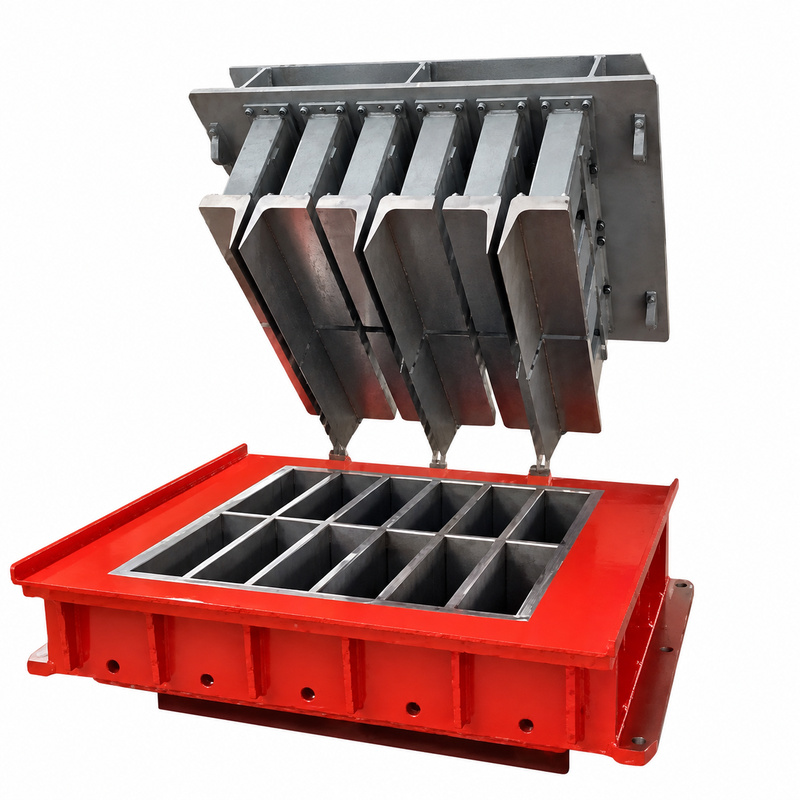
Start with the units already supported by usable references. Identify their drawings, cross-sections, lengths, visible faces and edge requirements. Then list the companion units that are under consideration. A radius piece should not disappear inside a note saying “other shapes as required” if its eventual tooling could change the scope being compared.
Keep the commercial quantity separate from product geometry. How many mold sets the buyer intends to purchase is one question. Which kerbstone profiles those sets must form is another. A requested cavity arrangement is a technical input, not an automatic answer to either question.
| Scope item | Current reference | Question left open |
|---|---|---|
| Straight unit | Identified product drawing | Final tooling arrangement and supply quantity |
| Radius unit | Proposed profile, not approved | Required geometry and whether it belongs in the initial order |
| Transition unit | Connection requirement only | Companion drawings and proposed tooling scope |
| Technical documentation | Buyer requirement list | Records included in each proposal |
This table is a communication example. It does not assert that a particular unit can share a mold or that special tooling is available at a standard price. It gives the supplier a way to say which assumptions support the offer.
When offers arrive, first check their referenced drawings and unit list. One supplier may have priced only the confirmed straight profile; another may have allowed for several provisional special units. Those totals describe different purchases even if the message headings are identical.
Request a clear statement of the proposed mold assembly, the matching upper components and any retained equipment the offer assumes. Ask which machine and pallet information was used. Where those details are incomplete, the proposal should identify the missing review rather than presenting a general machine brand as a confirmed fit.
Also compare the stated inspection and documentation scope. A drawing review, an agreed sample assessment and records requested by the buyer need not be identical across proposals. Their inclusion should be discussed explicitly. Avoid treating silence as confirmation that every item on an earlier email is included.
A useful comparison may therefore contain an unresolved column. That is preferable to forcing every offer into a superficially complete scorecard. The missing item tells you what clarification is needed before the proposals can be assessed on a comparable basis.
Check the date and reference set of the reply as well. If one supplier answered before the special-unit list changed, ask whether its offer still addresses the current enquiry. A later buyer attachment does not automatically amend an earlier proposal. Keep the clarification connected to the specific offer being compared.
A change from a straight unit to a radius or transition requirement is not just a different product name. The longitudinal profile, connection faces or visible edge treatment may require separate drawings. The receiving machine, pallet and proposed molding orientation still have to be considered for the actual configuration.
Do not estimate a special unit by copying a straight-unit description and changing its label. Ask what geometry, handling information and trial references the supplier needs to review it. If the unit range remains open, identify the part of the offer that cannot yet be confirmed.
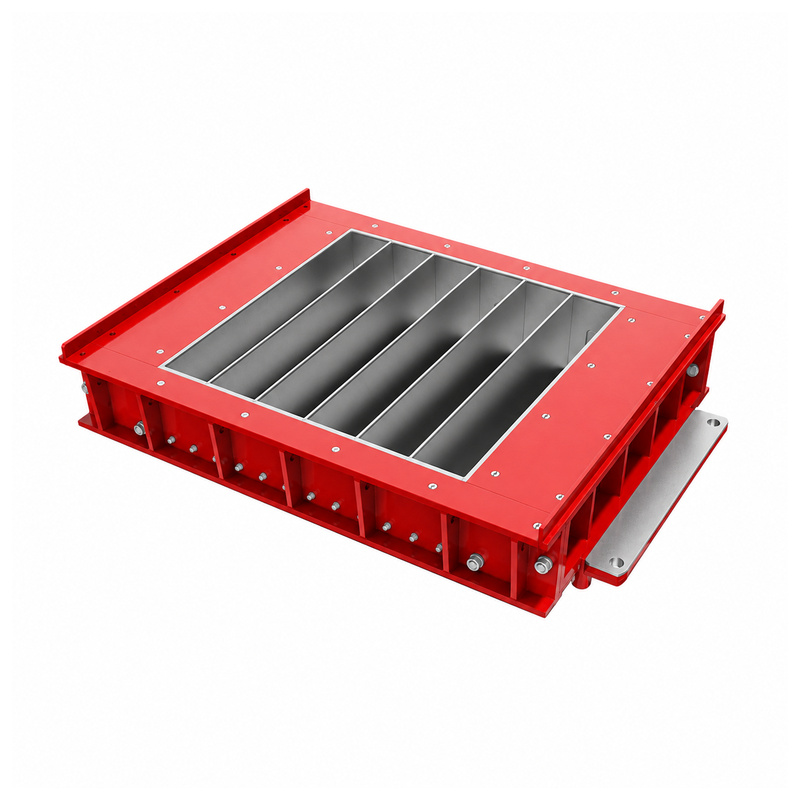
Appearance requirements deserve the same discipline. A named surface finish or a photograph may explain the intended visible face, but the accepted sample and its purpose should be identified. It should be clear whether the supplier is being asked to reproduce a profile, review an appearance reference or assess both.
Where the range is not final, ask for the proposal to distinguish the scope that can be reviewed now from options that require more information. The supplier should define how it is willing to present those items; do not assume a provisional amount or option is a fixed offer for an unspecified unit.
A buyer might, for example, proceed with a technical review of the defined straight profile while developing the special-unit drawings separately. That is an illustrative planning choice, not a recommendation to release manufacture before the required approvals. Keep the authorised scope and remaining decisions clear to both parties.
Before converting the discussion into an order, reconcile the unit schedule, drawings, supply quantities and latest clarifications. Check that an option later selected by the buyer appears in the accepted scope. Equally, remove assumptions about options that were not selected. A quotation history alone is not a reliable final parts list.
Use HAWEN's special kerbstone unit schedule review to identify the product and machine information behind the discussion. Submit the confirmed unit references and the open special-unit questions separately. Then ask for the reply to state what is covered now and what still depends on further technical agreement.

 Tel: +8618359454595
 Email: sale@hwmachines.com
 MP/WhatsApp: +8618359454595
 Manufacturer Address:Nanan, Quanzhou City, Fujian Province, China