Concrete Block Molds
Hollow Block Mold
Solid Block Mold
Solid Brick Mold
Interlocking Block Mold
Thermal Block Mold
Author:HAWEN Block Mould Manufacturer TIME:2026-10-24
Before asking for a hollow block mold wear part, establish which assembly is actually in the machine and whether the requested component belongs to its present configuration. A familiar block size, an old invoice and a close-up photograph can all be useful references. They can also describe different versions of the tooling.
A parts enquiry can contain several apparently clear references that disagree. Treat that disagreement as an open question for the supplier rather than selecting the most convenient reference and calling it confirmed.
“Please supply the same part as last time. The attached photo shows the worn area.”
The previous purchase might concern another mold, while the close-up may not show where the part sits.
“The assembly label and earlier order reference are attached. A component change appears in our maintenance record, but its revision is unconfirmed. Please review the marked location before defining the replacement scope.”
This is a fictional example of clearer communication, not an actual HAWEN enquiry or a promise that the part is interchangeable.
The assembly identity answers which mold set is being discussed. It can include the supplier reference, assembly drawing and known revision. The installed-part identity answers what is currently fitted at a particular location. The requested-part identity describes the item the buyer wants the supplier to assess or quote. These three references should be connected, but they are not automatically identical.
A maintenance team may have replaced a component after the original purchase. A plant may also operate similar molds for the same machine or block family. An invoice can establish that a part was purchased without proving where it is now installed. Likewise, a machine model is a receiving-equipment reference, not a unique identifier for every mold used on that line.
Start the enquiry with the assembly reference and a clear overall view. Identify the location of the component in that assembly. Where a component number or drawing exists, include it exactly as recorded. If a marking is unreadable or missing, state that limitation instead of creating a replacement number that looks like a supplier designation.
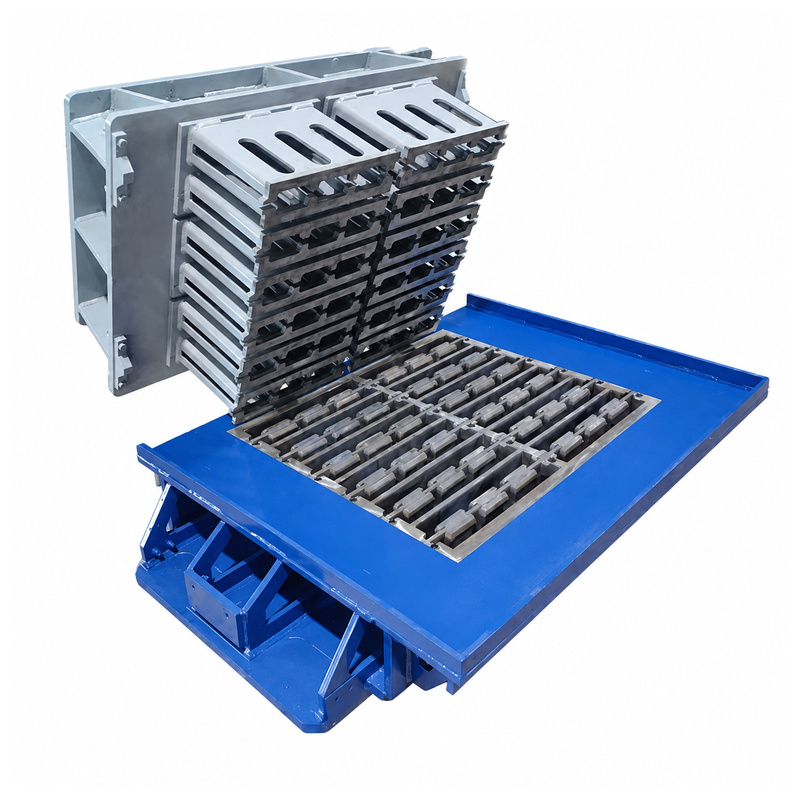
Begin with the information that places the part in context. Then add the material that explains the uncertainty. This order lets a reviewer connect a close-up to the tool before considering the visible condition.
Photographs support identification but do not establish every dimension or fit. Used tooling can also contain wear or damage, so its present measurements are not automatically the target for a new component. Keep the required finished-product drawing separate from the condition record of the old part.
Collecting evidence does not require dismantling the mold on the basis of a Blog article. Access, inspection and any disassembly must follow the actual equipment instructions and plant procedures. If a view or dimension cannot be obtained safely through the approved method, list it as unavailable and ask what alternative evidence the technical reviewer needs.
A short discrepancy list is more helpful than sending conflicting documents without comment. Name the two references, explain the difference and state what remains unresolved. That prevents an uncertain assumption from travelling into the quotation as if the plant had already checked it.
| Evidence conflict | What the enquiry should say | What still needs review |
|---|---|---|
| Invoice reference differs from assembly label | Identify both references and the date or context of each record | Whether the earlier supply belongs to this assembly |
| Maintenance record notes a later component change | Attach the change entry and identify its confirmed and missing details | The current part and assembly revision relationship |
| Close-up does not show the part location | Link it to an overall view with one shared location label | Which component and mating arrangement are involved |
| Used-part measurement differs from an old drawing | Label the measurement as current condition, not a revised design requirement | Whether wear, modification or another cause explains the difference |
These examples do not assign priority to one type of evidence in every case. An old drawing may be superseded, a label may identify the original assembly only, and a maintenance note may be incomplete. The value of the list is that it shows the reviewer what needs reconciliation rather than hiding the conflict.
If no reliable component identity can be established from the available information, keep the enquiry unresolved. Ask for the additional records or assessment needed. Describing the part as “standard” does not remove the need to check its relationship with the actual mold set.
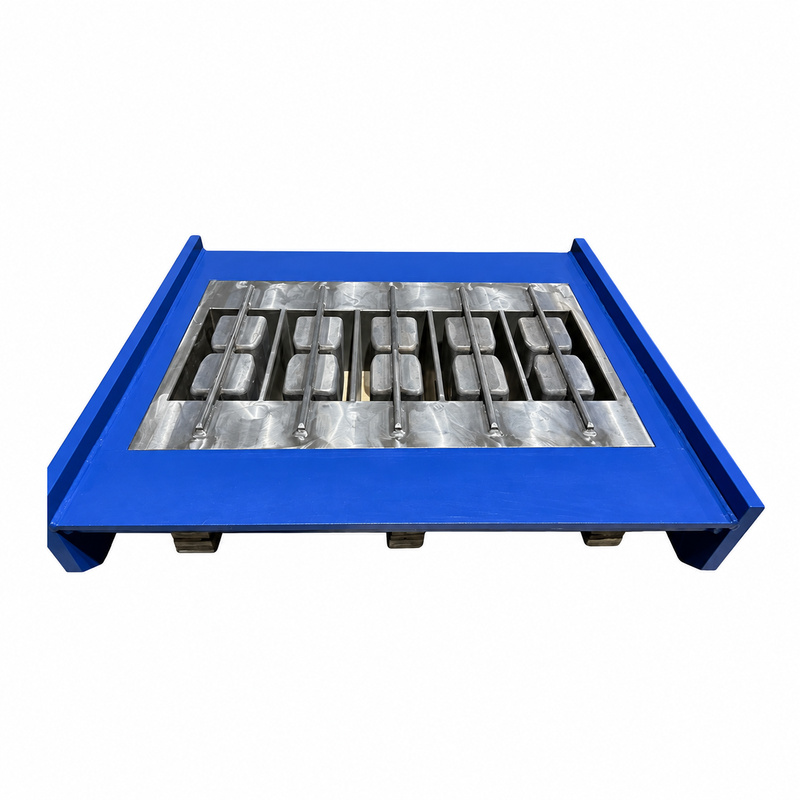
A component quotation should make the supply boundary understandable. Identify whether the request concerns one item, a matched set or a wider replacement assembly. List the parts the plant expects to retain. The supplier can then review how the proposed supply relates to those retained components instead of assuming that every existing interface remains suitable.
A part that appears removable in a photograph is not automatically interchangeable between mold sets. The approved design and fitting requirements govern that question. Request clarification about the applicable drawings, matching components and checks after installation. Do not turn a request for a harder material or altered profile into an unreviewed repair instruction.
Keep the observed problem separate from the proposed remedy. A finished block symptom can justify investigation without proving which part should be replaced. Provide the symptom and its location, then let the technical review address the evidence and proposed supply. This is especially useful when the enquiry begins with a purchasing deadline rather than a completed assessment.
For HAWEN's hollow block mold core-arrangement and mounting review, prepare the assembly reference, marked position, relevant history and discrepancy list as one labelled packet. Ask the reply to identify the proposed component scope and any unresolved matching information. Once the records agree, retain that reply with the assembly history so the next parts enquiry can begin from the confirmed configuration.

 Tel: +8618359454595
 Email: sale@hwmachines.com
 MP/WhatsApp: +8618359454595
 Manufacturer Address:Nanan, Quanzhou City, Fujian Province, China