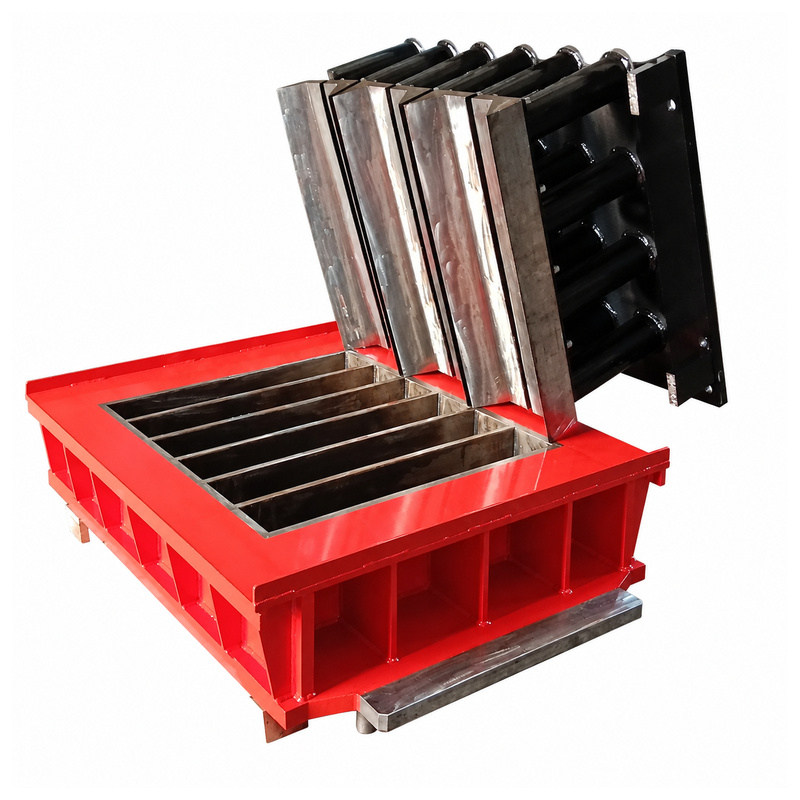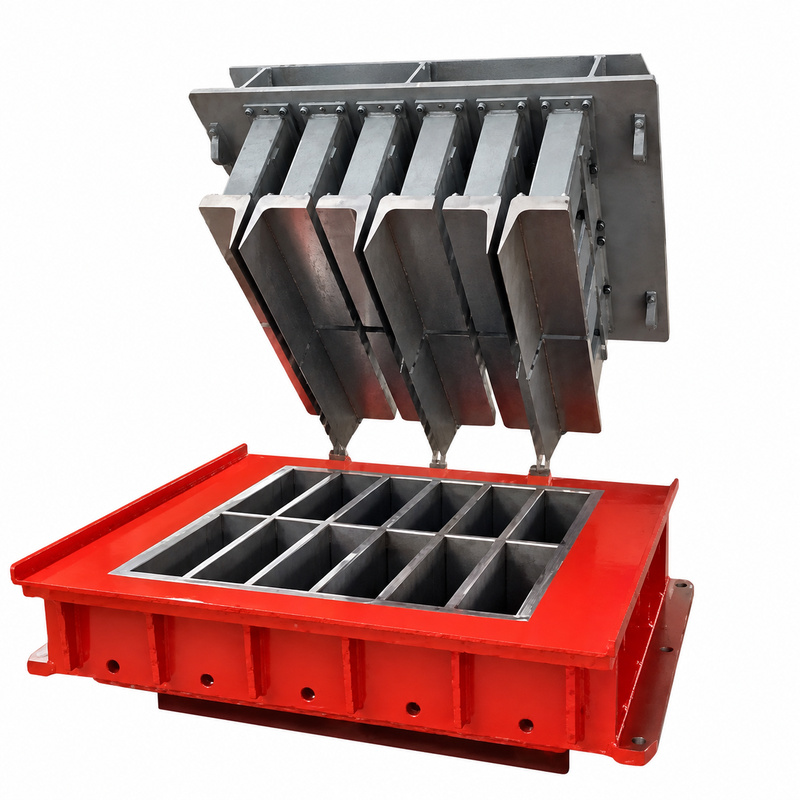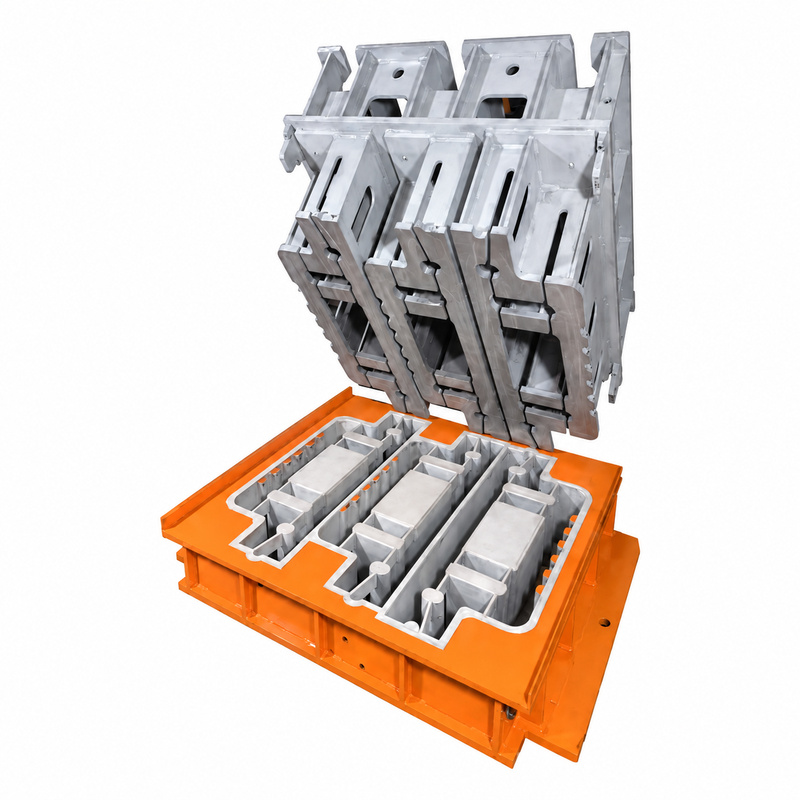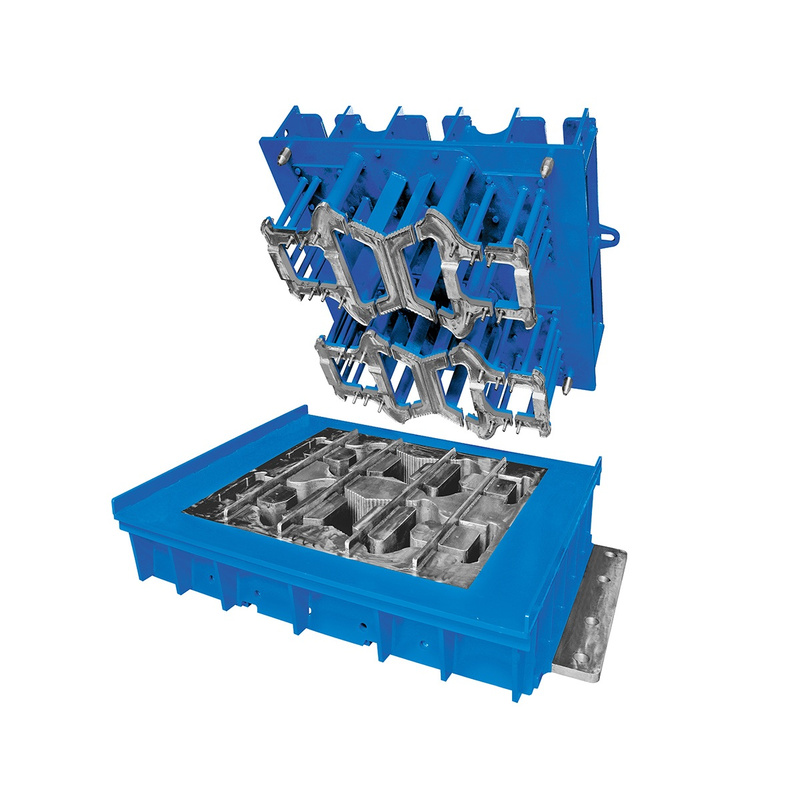
Concrete Block Molds
Hollow Block Mold
Solid Block Mold
Solid Brick Mold
Interlocking Block Mold
Thermal Block Mold
Author:HAWEN Block Mould Manufacturer TIME:2026-10-23
Drawing control for a coordinated paving range
One revised paver drawing does not automatically replace every drawing in a mixed-size mold order. It does create a question about the references shared by those units. A useful revision register identifies the changed item, the other documents affected and exactly what the buyer has approved.
This is a proposed purchasing method for keeping that record. It is not a mold layout, a production ratio or an assurance that different units can share one tool. The machine, pallet and forming arrangement still need their own technical review.
A paving range can contain several unit outlines, a shared laying diagram and more than one tooling arrangement. Those references do different jobs. The unit drawing defines one product; the laying diagram shows how products meet; the tooling drawing addresses the proposed forming arrangement. Calling every file “the paver drawing” makes a partial change difficult to follow.
Give each unit a stable item reference and identify the current drawing for it. Then list the common references that connect the units. Include a drawing number, revision, date and status rather than relying on the newest file in an email thread. A newer date can identify a proposal that has not been approved.
The following fictional register illustrates the distinction. A, B and C are administrative example labels, not actual HAWEN paver sizes or a proposed cavity mix.
| Item | Unit reference | Shared reference | Recorded position |
|---|---|---|---|
| Unit A | A / revision 1 retained | Pattern P / revision 2 proposed | Unit drawing unchanged; relationship to new pattern awaiting review |
| Unit B | B / revision 2 proposed | Pattern P / revision 2 proposed | Changed unit and related pattern not yet released |
| Unit C | C / revision 1 retained | Pattern P / revision 2 proposed | Unit drawing unchanged; shared detail must still be checked |
The register does not say that A and C need to be redesigned. It shows why an unchanged drawing can still require a relationship check when the common reference changes. Keep that question visible until the relevant reviewer records a decision.
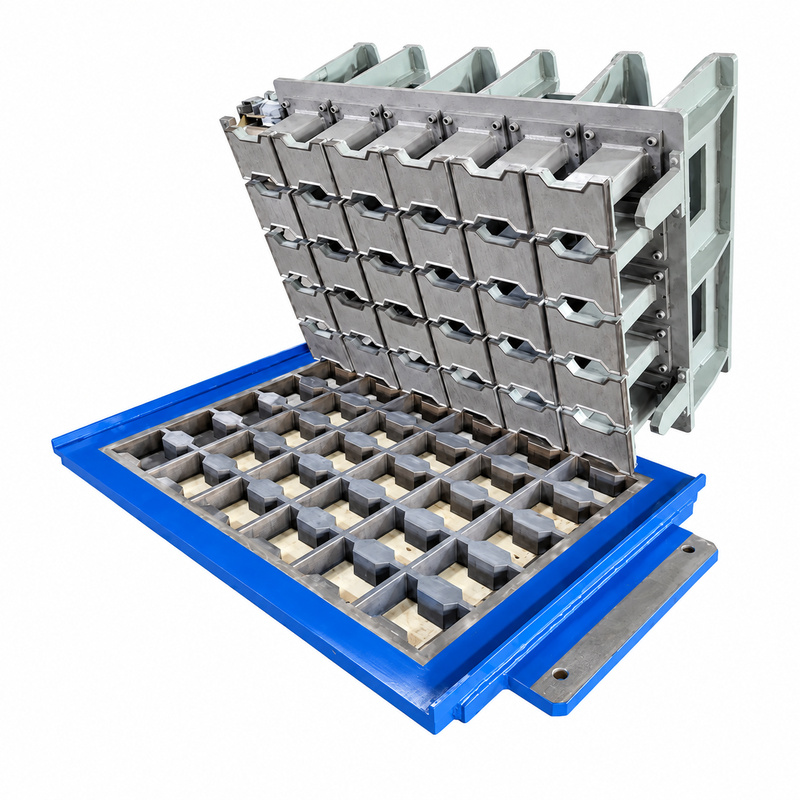
When a unit outline, spacer or edge detail changes, ask which other references depend on that feature. A change may affect the connection with a neighbouring size, a repeat module, an appearance sample or the proposed tooling. The impact needs review; the presence of those links does not establish that all of them must change.
This route is intentionally about information, not approval authority. The people responsible for engineering and purchasing should determine who may release each document. An administrator can maintain the register without claiming to approve machine compatibility or finished-product performance.
A physical sample can explain texture, a chamfer or an edge treatment. A laying sample can demonstrate the relationship between units. Neither becomes a complete replacement for the approved drawings. Record what the sample is intended to establish, its identity and which drawing revision it accompanies.
If a sample was approved before a later drawing change, ask whether it remains the relevant reference. The answer may differ for appearance and geometry. For example, the agreed face appearance might remain while an edge detail is revised. That distinction should be stated; a broad note saying “sample approved” leaves the scope unclear.
The production or sales pack also needs an identifiable reference when the range depends on a combination of units. HAWEN's interlocking-paver information asks buyers to define the units within the pattern and the quantities required in the intended pack. Keep that requirement linked to the correct pattern revision. Do not assume that a change to a drawing also updates a separate pack list.
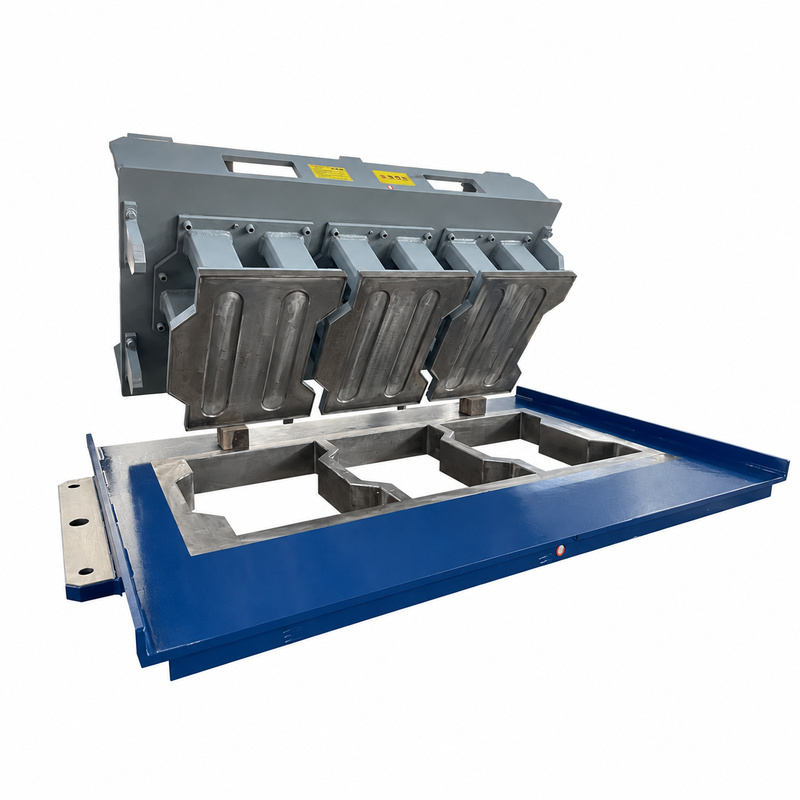
A project folder can retain earlier files while making the active references unambiguous. Mark the old document's status and the revision that replaced it. Keep the related change request, clarification and approval together so that a repeat order can distinguish an intentional revision from a file that was simply renamed.
Be precise about the withdrawal scope. An old pattern may be replaced for one order while remaining relevant to existing tooling elsewhere in the plant. A note such as “superseded for order X” is more useful than changing every historical drawing to a general “obsolete” label without checking where it is still used.
Do not turn an unconfirmed revision into a released reference by moving it into an “approved” folder. If the buyer requests a change but the technical review is incomplete, show that status in the register and identify the open item. Missing information should remain visible rather than being concealed by a complete-looking file set.
At the handoff, include the register and a brief release note. It should name the order, the approved unit references, the common pattern and relevant sample or pack references. State the remaining exclusions or questions. This lets the receiver check the attached files against an explicit list instead of treating the message subject as an approval statement.
Ask the recipient to identify discrepancies before work proceeds under that set. A missing attachment, an older local copy or an unexplained revision is a document issue worth resolving before it becomes a tooling assumption. Keep the acknowledgement with the register; do not rely on a read receipt to establish technical agreement.
For a new coordinated range, review HAWEN's interlocking paver mold pattern and joint requirements alongside your register. Provide the individual unit drawings and shared pattern as identifiable references. Then ask for the proposal to state which revisions it covers and which relationships still need approval. That creates a usable starting point for the next change as well as the first order.

 Tel: +8618359454595
 Email: sale@hwmachines.com
 MP/WhatsApp: +8618359454595
 Manufacturer Address:Nanan, Quanzhou City, Fujian Province, China