
Concrete Block Molds
Hollow Block Mold
Solid Block Mold
Solid Brick Mold
Interlocking Block Mold
Thermal Block Mold
Author:HAWEN Block Mould Manufacturer TIME:2026-11-04
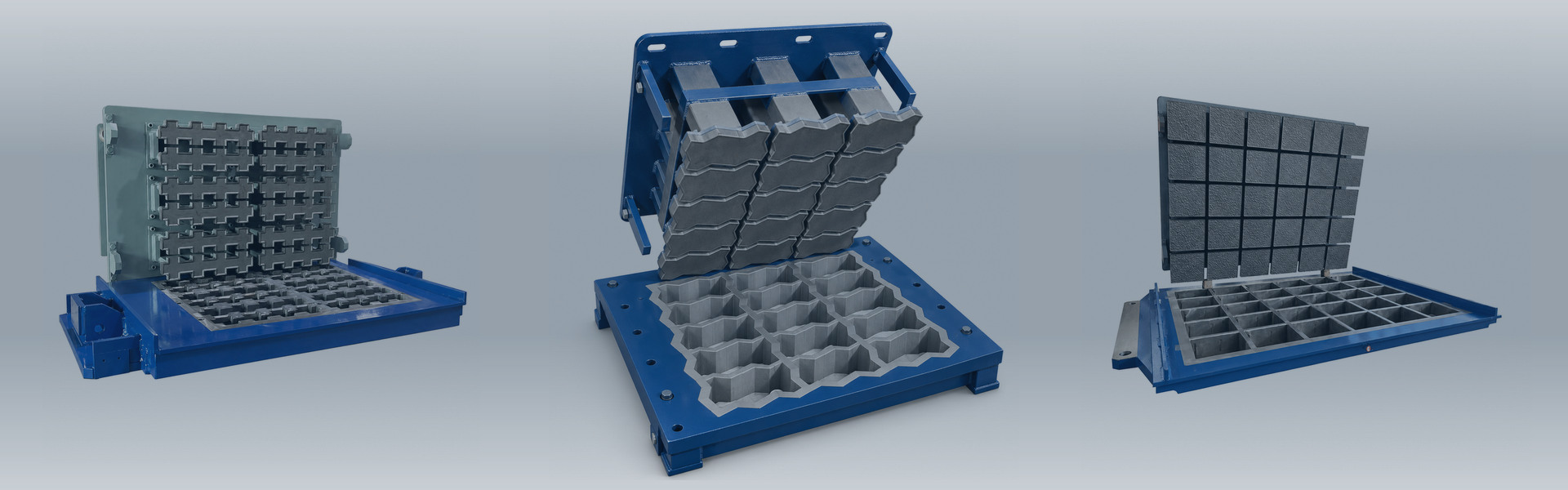
Wear depends on the aggregate, mould geometry, machine settings and production conditions. Edges and profile areas that repeatedly contact abrasive concrete deserve particular attention when inspecting a zigzag paver mould. There is no single wear location that can be assumed to apply equally to every configuration or production line.
Identify the surfaces that reproduce the zigzag outline and mark any area where wear is suspected. Compare the same locations over time using the plant's documented inspection method. Photographs with clear location references are more useful than an unmarked close-up because they show which cavity, side or edge is being discussed.
Also record the observed effect on the finished paver, such as a change in the profile or a repeated mark. An apparent tooling issue and a product defect should be related to the production evidence, rather than assuming that every visible change has the same cause.
Provide the mould drawing or identification, machine model, product drawing, photographs of the affected areas and the available production and maintenance records. Note material or setting changes that occurred around the time the issue was noticed. Qualified personnel should inspect the equipment under the site's isolation procedure. Repair, adjustment or replacement decisions should follow assessment of the specific tooling and product requirements, not a generic wear ranking.
See Zigzag Interlock Paver Mold for the relevant mould range and drawing requirements.
 Tel: +8618359454595
 Email: sale@hwmachines.com
 MP/WhatsApp: +8618359454595
 Manufacturer Address:Nanan, Quanzhou City, Fujian Province, China